Anjuna Beach, Goa
The verdict
- Best for: Free spirits, market lovers and sunset seekers who come for the cliffs, the bohemian scene and the famous Wednesday flea market rather than a wide, easy swimming beach.
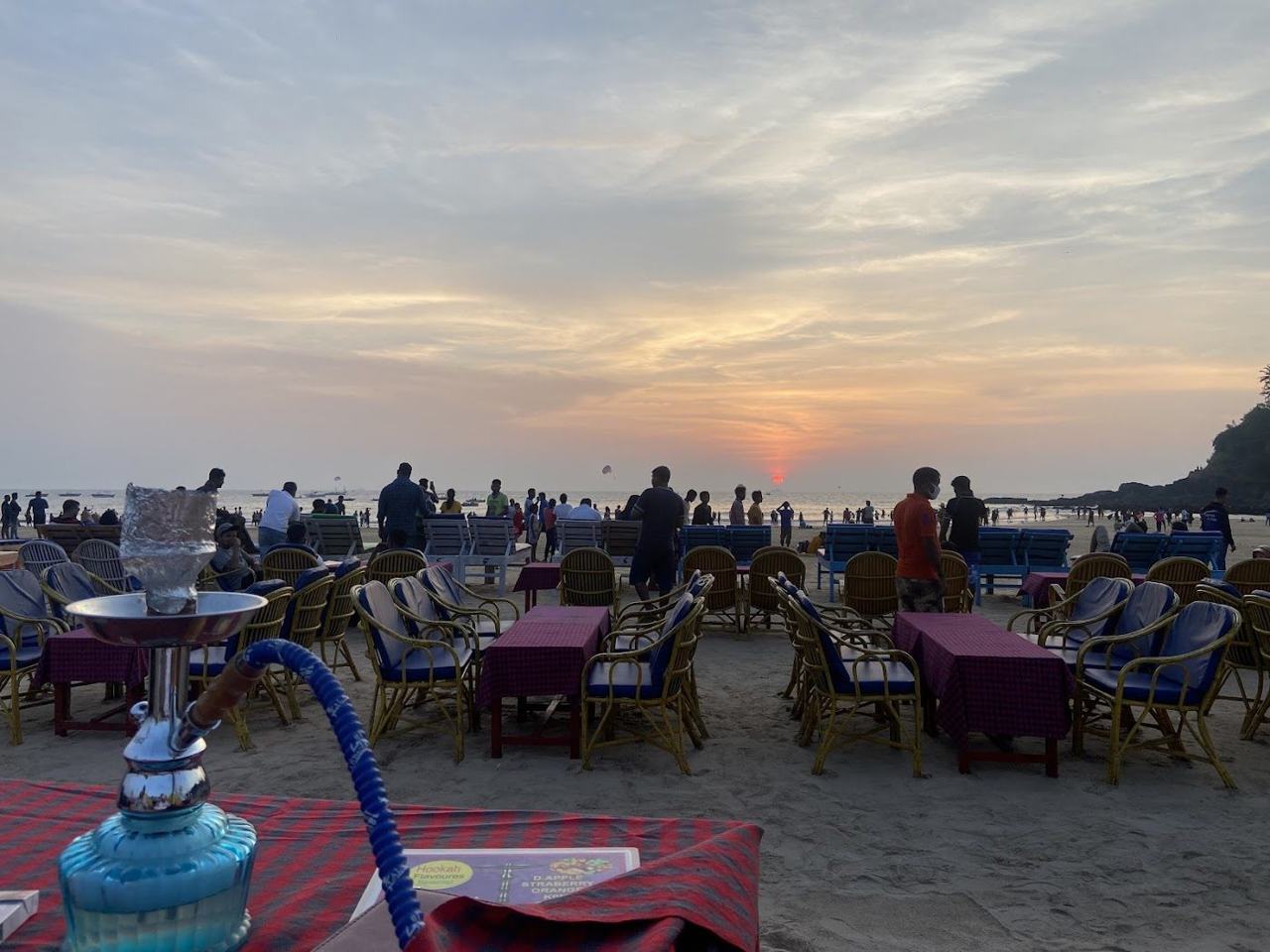
- Best spot: The clifftop cafes at the southern end at sunset, drink in hand, watching the light drop behind the red rocks, which is the image most people carry away from Anjuna.
- Know this: Anjuna is more rock and cliff than broad sand, so it is a scene and a view rather than a great swimming beach; come for character, not for long stretches of soft sand.
Published 22 March 2026. Last reviewed 9 April 2026
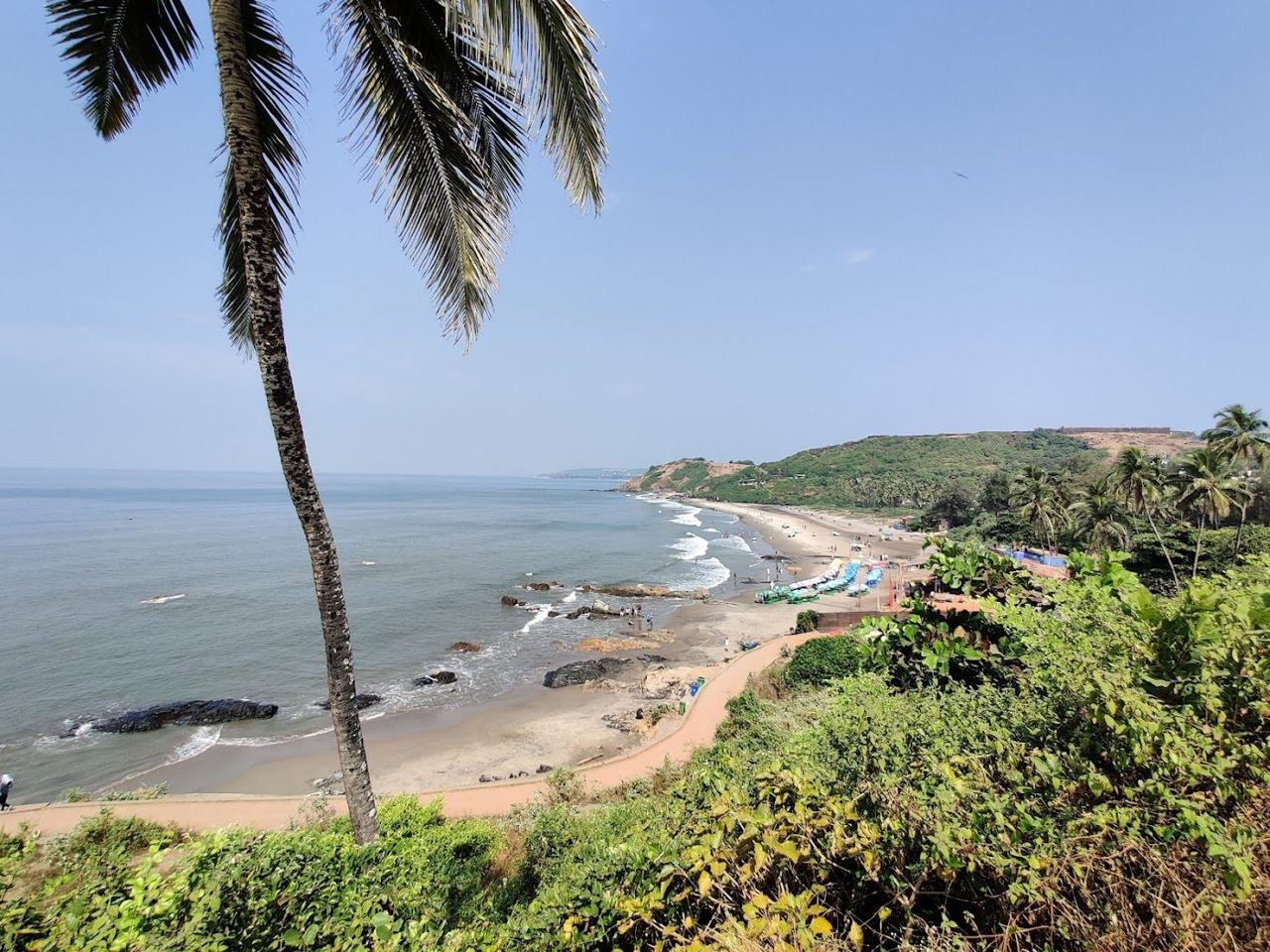
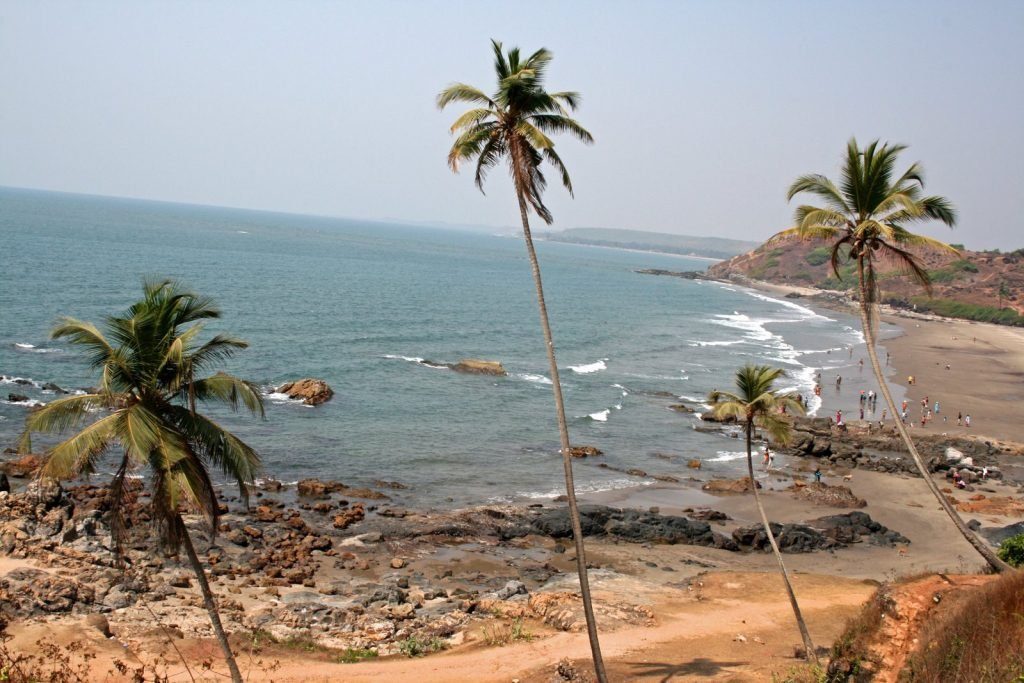
Anjuna is where Goa's bohemian legend lives. This is the cradle of the old hippie scene and the trance years, a coast of red laterite cliffs and small sandy pockets rather than one broad beach, with clifftop cafes strung above the rocks and a famous Wednesday flea market that has been trading trinkets and textiles for decades. People come here for the atmosphere and the sunsets, and on both counts it delivers.
The pleasure of Anjuna is in the setting and the scene, not the swimming. The cliffs glow at sunset, the cafes fill with a mixed crowd of long stayers and day trippers, the market is a genuine institution, and the whole place still carries a loose, alternative energy that the polished resorts of the south lack entirely. For a sundowner with a view and a wander through the stalls, few beaches in Goa are more memorable.
The honest catch is that Anjuna is not really a beach for lying on the sand or swimming in comfort. The shore is broken by rock and cliff, the sandy patches are small, and the water needs care. If your priority is a wide, clean swimming beach this is the wrong choice, and you should head to Candolim, Ashwem or South Goa. Come to Anjuna for the cliffs, the market and the scene, and treat the swimming as a bonus rather than the point.
Clubs near this beach
Anjuna's scene is clifftop cafes, shacks and party venues rather than polished bottle service beach clubs. We list the named club style venues of Goa in our directory.
Clifftop cafes and shacks
The cliffs above Anjuna hold a string of long running cafes and shacks famous for sunsets, music and a bohemian crowd. Specific venues, their hours and any minimum spend change each season and are to be confirmed.
Party venues nearby
Anjuna and neighbouring Vagator have a long party heritage, with seasonal events and venues that come and go. These are independent operations with their own schedules and door policies, all to be confirmed.
Anjuna sits on the cliffs of North Goa just north of the Baga river, roughly an hour by taxi from Dabolim airport and from Thivim railway station. Most visitors arrive by taxi, app cab or the scooters that are everywhere in the north.
Parking is informal in lots behind the cliffs and gets busy on flea market days, so come early on a Wednesday in season. A scooter is the easiest way to hop between Anjuna, Vagator and the markets. Bring cash for the stalls and shacks, and remember conditions are typical and never guaranteed.
Not ready to book?
Keep the good shorelines coming. Shore Notes is our occasional letter on the best beaches and the clubs worth your day, sent straight to your inbox. One field, unsubscribe any time.
Reserve a day at Anjuna Beach
Anjuna is a clifftop cafe and market beach rather than a beach club beach, but tell us your date and party and we will point you to the named club style venues across Goa. No charge to enquire.
Independent and honest · 1,340 beaches ranked across 103 destinations · We answer to no resort
Common questions
Is Anjuna Beach good for swimming?
Not especially. Anjuna is a coast of red cliffs and small sandy pockets broken by rock, so it is better for views, sunsets and the scene than for swimming. The water is reachable but needs care; for easy swimming sand head to Candolim, Ashwem or South Goa.
What is the Anjuna flea market?
It is a long running Wednesday market that has traded for decades, selling clothes, jewellery, textiles, crafts and souvenirs from stalls near the beach. It is a Goa institution, busiest in the dry season, and one of the main reasons visitors come to Anjuna.
Why is Anjuna famous?
Anjuna is famous as the cradle of Goa's hippie and trance scene, for its dramatic red laterite cliffs and clifftop cafes, and for its weekly flea market. It is a beach you visit for atmosphere, character and sunsets rather than for broad swimming sand.
When is the best time to visit Anjuna?
The dry season from November to March is when the market, the cliff cafes and the scene are fully alive. The monsoon shuts most of it down. For sunsets, late afternoon at the clifftop cafes on the southern end is the classic Anjuna experience.
Is Anjuna or Vagator better?
They are neighbours with a shared bohemian, party flavoured character and similar cliff scenery. Anjuna has the famous flea market and clifftop cafes, while Vagator has the red cliffs, the two coves and Chapora Fort above. Many visitors happily see both in a day.