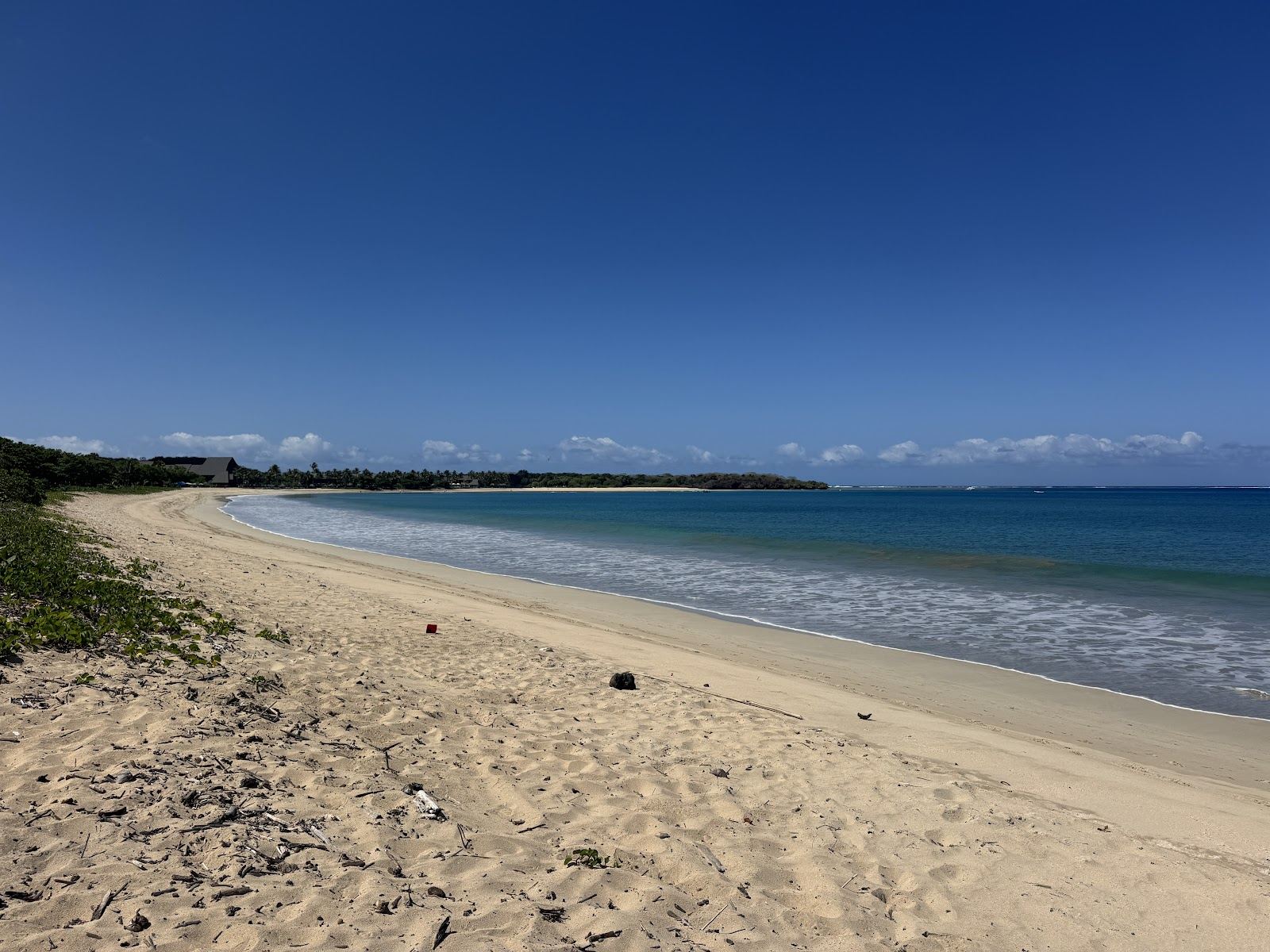
 Photo: Giant Tiger via Google
The verdict
- Best forTravellers who will take a boat to the outer islands for the palest sand and the quietest water in Fiji
- Top pickMonuriki, the uninhabited Mamanuca islet where the sand is bright, the reef is close and there is nothing built on it
- One thing to knowThe mainland strip around Nadi is dark volcanic sand, so the true white sand is a boat ride away in the Mamanucas and Yasawas
Published 7 February 2026. Last reviewed 17 March 2026
Fiji is sold on a single image of blinding white sand and clear water, and the honest truth is that you have to travel a little to find it. The main island of Viti Levu, where most people land, is fringed with darker volcanic sand and mangrove coast near Nadi and Suva, and it is lovely in its own quiet way but it is not the postcard. The bright coral sand lives offshore, on the small islands of the Mamanuca and Yasawa groups.
As a naturalist I care less about which resort owns the beach and more about how wild the sand still feels, how close the reef sits and whether the tide leaves you a swimming lagoon or a flat of exposed coral. I have ranked these for the sand itself and for how quiet it stays, and I have been plain about the ones that photograph better than they wade.
If you want one pick, make it Monuriki, the tiny uninhabited islet in the Mamanucas. Reached by boat on a day trip, it has bright sand, a fringing reef a few strokes out and not a single building on it, which is exactly what keeps it feeling like the Fiji the brochures promise.
The Best White Sand Beaches in Fiji
Palest coral sand and clearest lagoon first, effort and crowds noted honestly.
Monuriki
The pick for pure white sand, a small uninhabited islet reached by boat from the Mamanucas with bright coral sand, a close fringing reef and nothing built on it at all. It is a day visit rather than a stay, so bring shade, water and reef shoes, and time the tide so the lagoon is deep enough to swim rather than a flat of exposed coral.
Natadola Beach
The finest white sand you can reach by road on the main island, a broad open bay on the Coral Coast with pale sand and a proper swimming shelf when the tide is in. It is more exposed than the island lagoons, so the surf can pick up and there is a resort presence, but for sand without a boat it is the honest mainland answer.
Blue Lagoon
The bright sand and turquoise water of Nanuya in the Yasawas, the stretch that gave the lagoon its name and its film. The sand is pale and the snorkelling close, and while it draws day boats and small resorts it still holds its quiet at either end of the day. Worth the longer boat run north for the clarity of the water.
Castaway Island
A classic Mamanuca island with white sand ringing a single resort and a healthy house reef a short swim out. The sand is genuinely pale and the water clear, though the island is given over to one resort, so it suits a stay or a booked day pass rather than a free wander. The reef life just offshore is the real draw.
Mana Island
A larger Mamanuca island with several pale sand beaches, a mix of resort and a small local village, and easy boat access from the mainland. The north and south beaches each catch the light differently, the reef is close and the snorkelling reliable. Busier and more built up than Monuriki, but an easy first taste of Fiji white sand.
The honest read on white sand in Fiji
The plain truth is that the whitest sand in Fiji is offshore, and the more effort you make to reach it the quieter and cleaner it tends to be. If your whole trip is built around one bright beach, do not base yourself on the darker mainland coast near Nadi and hope, plan instead for a day boat or a night or two on a Mamanuca or Yasawa island where the coral sand actually is. The transfer is part of the experience rather than a chore.
The overrated move is judging Fiji by the resort beach nearest the airport. Denarau, the manicured strip most first arrivals see, sits on reclaimed and darker sand with murky water at low tide, and it is a comfortable base rather than a beautiful beach. Treat it as a launch pad, get on a boat, and let the outer islands do the work that the mainland strip cannot.
Come ready for the tide and the reef, which shape every Fijian beach more than the sand does. Many lagoons drain to a shallow flat at low water, so a beach that looks perfect at noon can be unswimmable an hour later, and coral underfoot rewards reef shoes. Carry sun cover and water on the uninhabited islets where there is no shop, respect the village protocol on inhabited islands, and remember there are rarely lifeguards, so conditions are typical and never guaranteed.
The paid option, if you want it
Fiji is an island and resort coast rather than a standalone daybed scene, so what sits on the white sand is mostly resort beach fronts and day passes rather than clubs you can walk up to. The directory covers these factually, with any day pass price or minimum spend marked to be confirmed where we cannot verify it. The uninhabited islets like Monuriki have nothing built on them at all, which is the point, so browse the directory to see which island beaches sell access before you plan a day.
Book a beach club in Fiji
Independent and honest · 1,340 beaches ranked across 103 destinations · We answer to no resort
Before you go
Does Fiji have white sand beaches?
Yes, but the whitest sand is offshore on the small coral islands of the Mamanuca and Yasawa groups rather than on the main island near Nadi, where the sand runs darker and volcanic. Islets like Monuriki and beaches like Blue Lagoon have the bright coral sand most visitors picture. For true white sand, plan a boat trip or an island stay.
Which Fiji beach has the whitest sand?
For pure bright sand with nothing built on it, the uninhabited islet of Monuriki in the Mamanucas is hard to beat, reached on a day boat. Blue Lagoon in the Yasawas and the Mamanuca resort islands like Castaway and Mana also hold pale coral sand. The mainland answer, Natadola on the Coral Coast, is the finest sand you can reach by road.
Can you reach Fiji white sand beaches without a resort stay?
Yes. Natadola on Viti Levu is a public beach reached by road, and several outer islands can be visited on day boats from Port Denarau without an overnight stay. Some resort island beaches sell a day pass that includes the transfer and lunch. Monuriki is a day visit only, so you can see the brightest sand without booking a room.
Is the sand near Nadi white?
Not really. The coast around Nadi and Denarau is darker volcanic and reclaimed sand with water that can run cloudy at low tide, so it is a comfortable base rather than a postcard beach. It is the arrival point and the boat hub, not the bright sand itself. Use it to launch to the Mamanuca and Yasawa islands where the white sand is.
When is the best time for Fiji beaches?
The drier, cooler months from May to October bring the clearest water and the calmest boat transfers, which matters for the outer islands. The wetter months from November to April are warmer and greener but bring more rain and the odd cyclone risk. For the brightest lagoons and the easiest island hops, aim for the dry season.
Are Fiji beaches safe for swimming?
Many island lagoons are calm and shallow but drain to exposed coral at low tide, and open beaches like Natadola can pick up surf and current, so conditions vary a lot by tide and beach. Wear reef shoes, ask locally about currents and check the tide before you swim. There are rarely lifeguards on island beaches, so treat conditions as typical and never guaranteed.