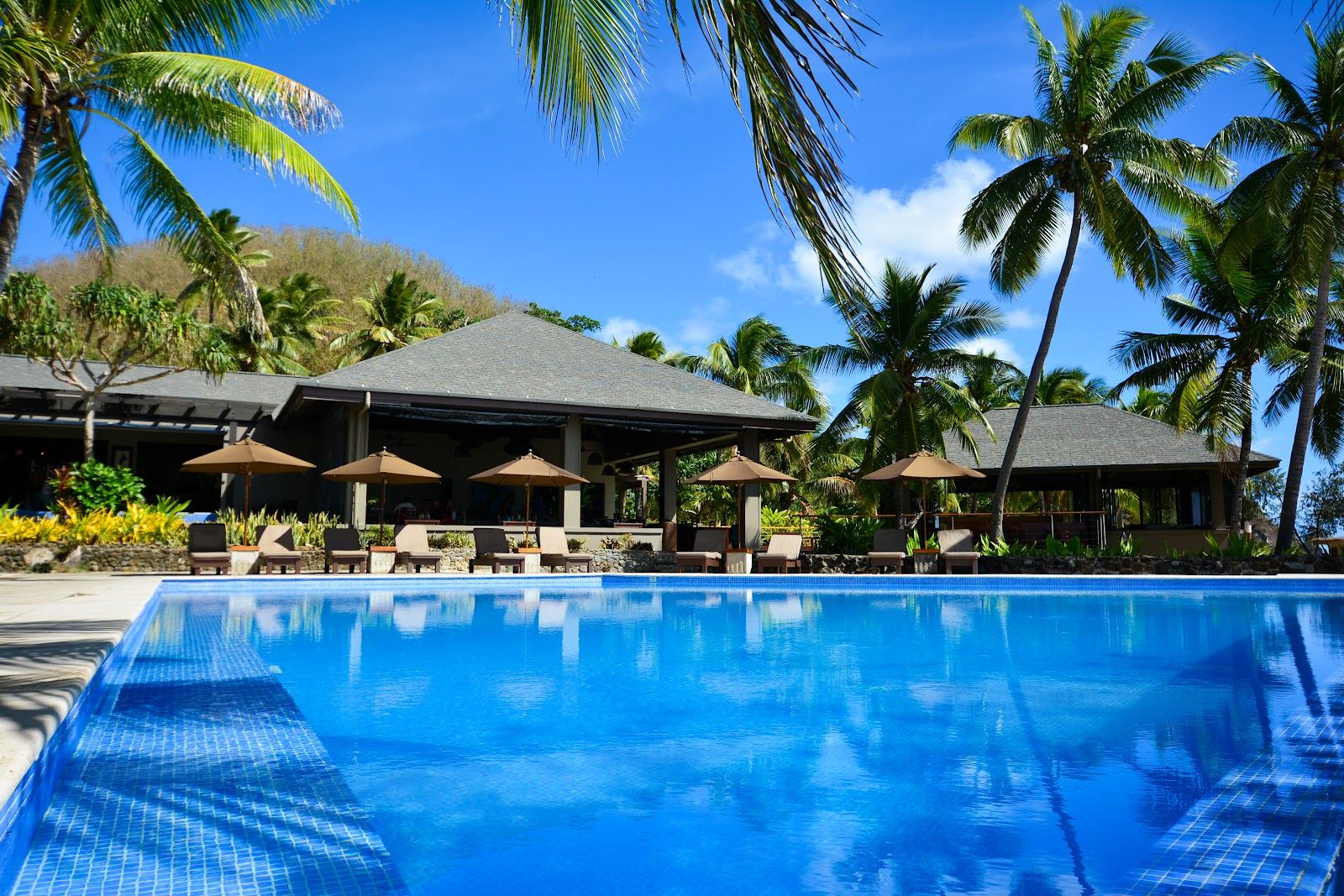
 Photo: Yasawa Island Resort and Spa via Google
The verdict
- Best forCouples choosing between the clear, calm dry season and the warm, stormy, better value wet months
- Top pickMay, June and September, when the lagoons run clear, the trade winds are gentle and the sunsets are reliable for a quiet swim and a table for two
- One thing to knowJuly and August have the most certain sunshine but also the firmest winds and the fullest resorts, while November to April carries the cyclone risk, so the soft shoulders are the romantic choice
Published 28 February 2026. Last reviewed 24 March 2026
Fiji has a long, warm beach year, but the calendar splits cleanly in two and the difference matters for a couple. The dry season from May to October brings clear skies, lighter rain and the settled lagoons that put the Yasawa and Mamanuca islands on every honeymoon list. The wet season from November to April is hotter and greener, with short heavy downpours, lower prices and the real possibility of a cyclone. The sea stays bath warm all year, so the choice is really about light, wind and certainty rather than the temperature of the water.
The single most useful thing to know is that Fijian winter, roughly June to August, is the driest and most reliable stretch, but it is also when the southeast trade winds blow firmest and the resorts fill. Those winds can ruffle an exposed lagoon by the afternoon, which is why the soft shoulders of May and September are our quiet favourites for two. You keep the clear water and the long golden evenings, lose most of the crowd, and the morning sea lies flat enough to mirror the palms.
Below is the month by month picture, with an honest verdict on each. We have flagged the manta ray window in the Yasawas, the months a sunset is close to a sure thing, and the wet stretch when Fiji is really for a hammock, a book and a warm swim between showers rather than a guaranteed beach day.
Month by month at a glance
| Month | Air | Sea | Rain | Crowd | Verdict |
|---|---|---|---|---|---|
| January | Hot, around 31C | Warmest, near 29C | Very wet | Festive peak | Warm sea, cyclone risk and storms |
| February | Hot, around 31C | Warmest, near 29C | Wettest | Quieter | Hottest, stickiest, highest storm risk |
| March | Hot, around 30C | Warm, near 29C | Wet, easing late | Quiet | Green and humid, storms still possible |
| April | Warm, around 29C | Warm, near 28C | Showers easing | Building | A good value shoulder as the rain fades |
| May | Warm, around 28C | Warm, near 27C | Mostly dry | Pleasant | One of the loveliest months for two |
| June | Mild, around 26C | Warm, near 27C | Dry | Busy but bearable | Clear water, gentle start of peak |
| July | Mild, around 26C | Warm, near 26C | Driest | Peak | Best sun, firm winds, fullest resorts |
| August | Mild, around 26C | Warm, near 26C | Dry | Peak | Reliable and breezy, the school holiday rush |
| September | Warm, around 27C | Warm, near 26C | Dry | Easing | The sweet spot for calm and sunsets |
| October | Warm, around 28C | Warm, near 27C | Mostly dry | Quiet again | Warm, clear and uncrowded, a fine shoulder |
| November | Warm, around 29C | Warm, near 28C | Showers return | Quiet | Soft edge of the wet season, good value |
| December | Hot, around 30C | Warm, near 28C | Wet | Festive build | Humid and lively, rain by the afternoon |
When each month earns its place
May. May is the quiet triumph of the Fijian year and our pick for a first romantic trip. The wet season has just let go, the islands are still lush and green, the lagoons settle clear and the trade winds have not yet found their full strength. The water is warm, the resorts have space and the evenings end in long, unhurried sunsets. Come now for the calmest mornings of the dry season, when the sea off a Yasawa beach lies flat enough to mirror the palms before breakfast.
June. June opens the heart of the dry season, with clear skies, the freshest air of the year on the cooler nights and water that is still bath warm. It is an easy month to love, though the southeast trades begin to stiffen and the resorts start to fill toward the end. For a couple it delivers the postcard with room to breathe, especially if you choose a sheltered, west facing bay where the afternoon breeze drops away in time for the sundowner.
July. July is the driest, most reliable month, and that certainty is why it is also the busiest and most expensive. The sun is close to a sure thing, the humidity is low and the nights are pleasant, but the trade winds blow firmest now and can chop up an exposed lagoon by mid afternoon. Book early, pick a bay that sits out of the prevailing wind, and take your swim and your snorkel in the calm of the morning.
August. August mirrors July, dry and breezy, with the added pulse of the Southern Hemisphere school holidays filling the family resorts. The weather is dependable and the light is beautifully clear, which makes the wind the only real caveat. A couple seeking quiet should lean to an adults focused island or a northern Yasawa cove, where the crowd thins and the wind has less fetch to build a chop.
September. September is the connoisseur choice and the one we would circle for two. The dry weather holds, the trade winds start to ease, the crowds melt away as the holidays end and the lagoons settle into glassy calm again. The light softens, the prices dip from the peak and the islands feel handed back to you, which makes the long morning swims and the slow sunset dinners feel earned rather than shared.
October. October is a warm, underrated shoulder, with the dry season still largely intact, the sea creeping warmer and the crowds long gone home. The first humid days of the coming wet season arrive late in the month, but mostly it is settled and bright. It is a fine, gentle window for a quiet couple's escape that mixes clear morning snorkels with hammock afternoons and certain golden sunsets.
Get the Fiji beach calendar
Independent and honest · 1,340 beaches ranked across 103 destinations · We answer to no resort
Before you go
What is the best month to go to Fiji for the beach?
The dry season from May to October is the sweet spot, and for couples we lean to May, June and September. The lagoons run clear, the rain is light and the long evenings end in a reliable sunset, which is exactly what you want for a quiet swim and a table for two. July and August bring the most certain sunshine but also the firmest trade winds and the biggest crowds.
When is the sea warmest in Fiji?
The sea is warm all year, sitting between about twenty six and twenty nine degrees. It is at its warmest from December to March in the wet season, near twenty nine degrees, and a touch cooler though still bath warm at around twenty six degrees in the July and August winter. You will never need to brace yourself before a swim in Fiji.
When is the rainy and cyclone season in Fiji?
The wet season runs from November to April, hot and humid with short heavy downpours, and the cyclone window sits within it from November to mid May, most active from late December to early April. Storms are not a daily event, but they are a real risk in those months, so a couple after settled weather is safer in the dry season.
When can you swim with manta rays in Fiji?
The manta ray season in the Yasawa Islands runs broadly from May to October, overlapping neatly with the dry season, though sightings are seasonal and never guaranteed. Operators near Naviti and the northern Yasawas run snorkel trips when the mantas pass through the channels. Ask your resort or boat operator for the current conditions when you arrive.
Is Fiji worth visiting in the wet season?
It can be, with eyes open. November and April sit at the gentle edges of the wet season, with warm water, lower prices and fewer people, and the rain often falls in short bursts rather than all day. The deeper wet months of January to March are hotter, stickier and carry the highest cyclone risk, so they suit a flexible traveller chasing value over a couple wanting certainty.