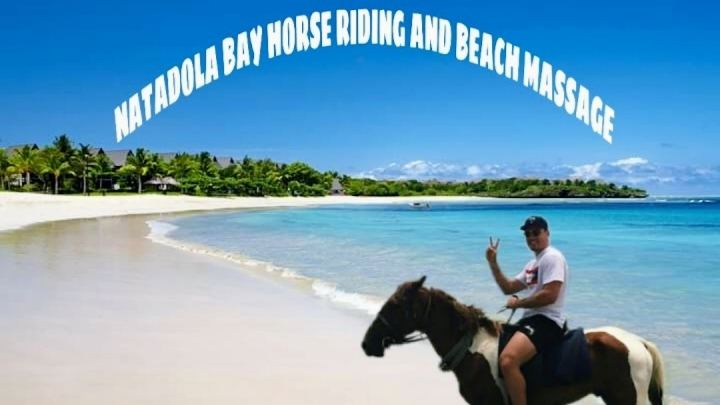
 Photo: Natadola Bay Horse Riding ,Tours Transfer & Beach Massage via Google
The verdict
- Best forActive travellers who want surf, kite wind, diving and reef rather than a still, sheltered float
- Top pickNatadola for surf and kite on the mainland, with the dive reefs off Mana, Malolo and Wananavu for the underwater action
- One thing to knowFiji's best watersports sit where the wind and reef meet the open water, while the calmest lagoons that suit families and couples offer little for the active
Published 24 January 2026. Last reviewed 7 May 2026
Fiji rewards the active traveller in two very different ways. Above the water there is surf and wind, found where open swell meets the coast and the reef passes, and below it there is some of the clearest diving and snorkelling in the Pacific, found along the fringing reefs and channels. The trick is that the beaches best for action are rarely the stillest, so an active day asks you to seek out the energy rather than the calm.
We have ranked the best watersports beaches below with the active traveller in mind, weighing surf and wind for board sports, the quality and access of the reef for diving and snorkelling, the breadth of gear and operators and the honest conditions on the day. We have been candid about the trade offs, because the calm lagoons that suit families give little to a surfer, and the best breaks are wrong for a gentle swim.
If you want the short answer, Natadola brings surf and kite wind within reach of Nadi, the Mamanuca reefs off Mana and Malolo deliver the diving and snorkelling, and the north coast at Wananavu opens the famous Bligh Water dive sites. Below is the fuller picture so you can match the beach to your sport.
The best watersports beaches
Surf, wind, dive and reef first.
Natadola
The mainland's most active beach, a long open crescent that picks up surf at its exposed end and steady wind that draws kite and windsurfers, all within easy reach of Nadi. There is space for board sports, and horse rides and lessons run from the sand. The same swell makes the open end wrong for a gentle swim, so it is action first, and operators and conditions are to be confirmed.
Mana Island
A Mamanuca island with a dive centre and bright fringing reef close to shore, strong for snorkelling off the beach and diving the nearby reefs and channels. Gear and trips are usually on hand, and the calm lagoon doubles as a base for kayaks and paddleboards. It is a friendly, busy island, with diving operators, gear and rates to be confirmed.
Malolo Island
The largest Mamanuca island has dive centres, water sports off the sand and quick access to the reef passes and channels between the islands, which makes it a versatile active base close to Port Denarau. Snorkelling, diving, kayaking and paddleboarding all run from the resorts, with brighter outer reef a short boat ride out. Operators, gear and rates are to be confirmed.
Wananavu
The north coast at Rakiraki is the gateway to the Bligh Water and the soft coral diving Fiji is famous for, with quiet sand and a serious dive scene rather than a beach party. It rewards divers willing to travel overland to the mainland's north, with calm conditions and far fewer crowds. Dive operators, trips and rates are to be confirmed.
Sigatoka
The Coral Coast around Sigatoka brings open surf breaks, a river mouth and the famous dunes, drawing surfers and adventurous types rather than gentle swimmers. The swell and current that make the surf are wrong for a calm float, so it is for the active and confident. Conditions run strong, operators and breaks are to be confirmed, and the open water deserves respect.
The honest read for watersports
Action and calm live on different beaches. The swell and wind that make good surf and kiting are the opposite of a still swim, so the best watersports beaches such as Natadola and Sigatoka are exposed and energetic, while the sheltered lagoons that suit families and couples offer little for the active. Decide whether you want the energy or the calm, because Fiji rarely gives both on one stretch of sand.
Match the sport to the geography. For surf and wind, head to the open mainland coast and the reef passes, where the swell arrives. For diving and snorkelling, the fringing reefs and channels of the Mamanucas and the soft coral of the Bligh Water off the north coast are the draw, reached by short boat trips from an island or a mainland dive base. Pick the coast that suits the sport you came for.
Respect the conditions and the operators. Surf breaks and reef passes carry current and the underwater action depends on tide, wind and visibility, all of which shift day to day. Use a reputable dive or surf operator, ask the desk for the right spot and hour, and remember conditions are typical rather than guaranteed with no promise of lifeguard cover, so treat the open water with respect.
An active base on the water
For watersports, the best base is an island resort with a dive centre and gear on hand, or a mainland surf and kite operator near Natadola or Sigatoka, rather than a quiet lounging club. The Mamanuca islands and the northern dive bases lead for the underwater action. We never invent an operator, a dive trip or an opening status, so unconfirmed details are marked to be confirmed. Browse the directory and enquire to plan your day.
Book a beach club in Fiji
Independent and honest · 1,340 beaches ranked across 103 destinations · We answer to no resort
Before you go
Which is the best beach in Fiji for watersports?
For surf and wind, Natadola on the mainland is the most active beach within reach of Nadi, with surf at its open end and steady kite wind. For diving and snorkelling, the Mamanuca reefs off Mana and Malolo and the soft coral of the Bligh Water off Wananavu lead. The best action sits where wind and reef meet the open water, not in the calm lagoons.
Is there good surfing in Fiji?
Yes, Fiji has world class reef breaks, though the most famous are accessed by boat from offshore camps rather than from a town beach. From the shore, the open end of Natadola and the Coral Coast around Sigatoka pick up surf, and operators run lessons and trips. The swell that makes the surf also makes those stretches wrong for a gentle swim, so they are for the active.
Where is the best diving and snorkelling in Fiji?
The fringing reefs and channels of the Mamanucas off Mana and Malolo offer easy diving and snorkelling close to the islands, while the Bligh Water off the north coast at Wananavu is famous for soft coral diving. Visibility and conditions shift with tide and wind, so use a reputable dive operator and ask the desk for the best site and hour on the day.
Can you kitesurf or windsurf in Fiji?
Yes, the open, breezy mainland coast around Natadola picks up steady wind that suits kite and windsurfers, and operators run gear and lessons from the sand. The sheltered island lagoons are too calm for board sports but good for kayaks and paddleboards. Wind is seasonal and conditions are typical rather than guaranteed, so check with a local operator before you go.
When is the best time for watersports in Fiji?
The dry season from May to October brings the steadiest winds for surf and kite and the clearest water for diving, which is the best all round window. Swell, wind and visibility still shift day to day, and the wet season is warmer but less settled. Always check conditions with a local surf or dive operator, since they change with the tide and weather.