 Photo: Csaba Biro via Google
Costa de la Luz watersports beaches
The wind capital of Europe, and the Atlantic swell that comes with it.
The verdict
- Best forKitesurfers, windsurfers and surfers who want the honest breakdown of which Costa de la Luz beach suits which sport and which level, not one list for all
- Top pickLos Lances at Tarifa for learning to kite and Valdevaqueros for stronger wind, with El Palmar the pick for Atlantic surf
- One thing to knowThis coast is defined by wind, so the same conditions that make it world class can make swimming and beginner days hard, and you must match the beach to the forecast
Published 22 April 2026. Last reviewed 7 May 2026. Conditions are typical and never guaranteed.
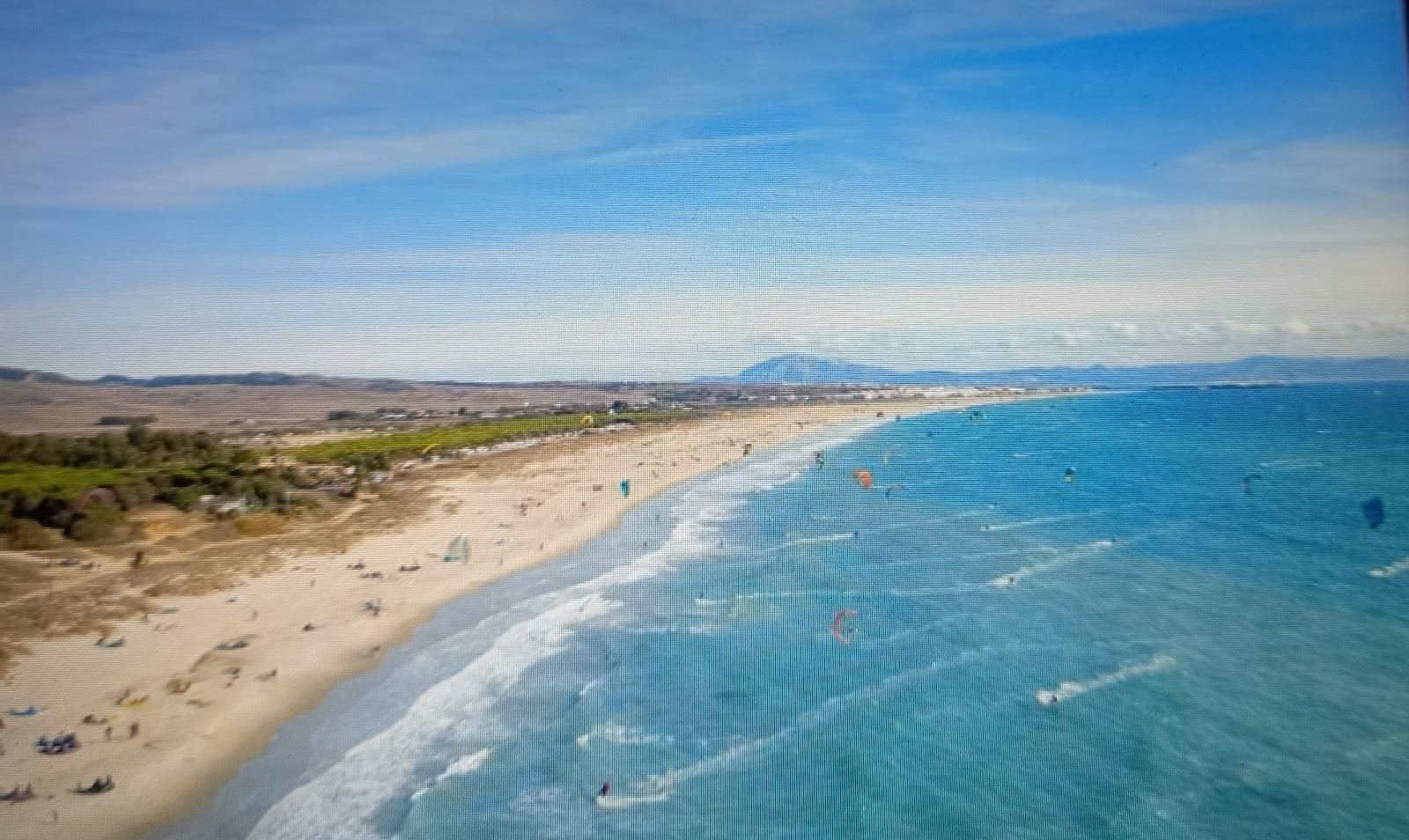
The Costa de la Luz earns its watersports fame from one simple fact of geography. Down at Tarifa, the Atlantic and the Mediterranean meet at the Strait of Gibraltar, and the wind funnels through so reliably that the town is called the wind capital of Europe. That constant blow, the Levante from the east and the Poniente from the west, turns the long open beaches into a global stage for kitesurfing and windsurfing, while the exposed Atlantic swells further up the coast carve out some of Spain's best surf. It is a coast built for wind and wave, and choosing well means matching the beach to your sport and the day to the forecast.
The sports do not all want the same beach. For kitesurfing and windsurfing, the Tarifa sands lead, with the long, forgiving Playa de los Lances the classic place to learn and the windier Valdevaqueros the choice for stronger, steadier conditions and the experts. For surfing, you head north to the open Atlantic breaks around El Palmar, best in the autumn and winter swells. For a gentler introduction with paddleboards and surf schools, the calmer family beaches near Chiclana, like La Barrosa, ease you in. Knowing which is which saves a wasted, windless or overpowered day.
The honest short version. Los Lances is the learn to kite beach and the biggest scene, Valdevaqueros the strong wind spot for confident kiters, El Palmar the region's surf beach, Bolonia a scenic windy stretch under a giant dune, La Barrosa the easier, family friendly base for lessons, and Canos de Meca a more sheltered surf alternative on the right swell. Pick your sport first, check the wind and tide, and this coast delivers world class water at almost every level.
The best watersports beaches
Matched to kitesurf, windsurf, surf and level.
Playa de los Lances
Tarifa's long, wide flagship beach is the heart of the scene and the classic place to learn to kitesurf, a forgiving sweep of sand with the biggest cluster of licensed schools and rentals on the coast. The wind is reliable and the space generous, which is why beginners and pros alike fill it through the season. It blows hard and gets busy in summer, so book a school, respect the launch zones and check the day's forecast, as strength and direction vary constantly.
Valdevaqueros
A short way up the coast from Los Lances, Valdevaqueros sits beneath a vast sand dune and catches stronger, steadier wind, which makes it the favourite of experienced kitesurfers and windsurfers when the Levante is really pumping. The setting is spectacular and the water lively, so this is a beach for confident riders rather than first timers, and it crowds fast on a good wind day. Conditions can be powerful, so know your level, watch the flags and treat the wind as changeable.
El Palmar
North of Tarifa near Vejer and Conil, El Palmar is the Costa de la Luz surf beach, a long, open Atlantic stretch that picks up consistent swell and backs it with a relaxed strip of surf schools, board rentals and beach bars. It works best in the autumn and winter, when the waves are biggest and the crowd is all surfers. The exposed break brings currents, so surf with a school if you are learning, respect the conditions, and treat any swell as typical rather than guaranteed.
Bolonia
A strikingly beautiful bay near Tarifa, crowned by an enormous shifting sand dune and Roman ruins behind, Bolonia catches good wind and swell and offers windsurfing, kiting and surfing in a wilder, less developed setting than the main Tarifa beaches. It is quieter and more scenic, a fine choice when you want the sport with a sense of place, though facilities are fewer. The wind and waves depend on the day, so check the forecast and come prepared for a more natural beach.
La Barrosa
Near Chiclana, well north of the fierce Tarifa wind, La Barrosa is a long, handsome, gently shelving beach that suits a softer introduction to watersports, with surf schools, paddleboard hire and calmer conditions at the sheltered end below the pine cliffs. It is the family friendly pick, where beginners and children can try the water without the power of the kite beaches. Conditions are gentler but still variable, so learn with a licensed school, watch the flags and never assume calm.
Canos de Meca
Tucked below the Trafalgar cape near El Palmar, Canos de Meca is a laid back, bohemian beach with cliffs, pine and a more sheltered aspect that can offer a cleaner, gentler surf than the fully exposed beaches on certain swells. It has a relaxed surf town feel and a handful of schools, a good backup when El Palmar is blown out or too big. The break still carries currents and depends entirely on the day, so read the conditions and respect the water.
The honest read on wind and water
The single thing to understand is that the wind that makes this coast great is also the thing you must plan around. Tarifa is world class precisely because it blows so hard and so often, but that same wind can overpower a beginner, ruin a lazy swim and make the wrong beach a struggle. So the honest first move is to match the beach to your sport and your level, then match the day to the forecast. Los Lances for learning to kite, Valdevaqueros when it is really blowing and you can handle it, El Palmar for surf, and the calmer Chiclana beaches when you want an easier day.
Learn with the locals and lean on the schools. The Costa de la Luz, and Tarifa above all, has one of the densest concentrations of licensed watersports schools in Europe, which means expert tuition, the right gear and, crucially, daily knowledge of the wind, tides and safest spot. That is worth far more than guessing, especially with kites and Atlantic surf. We never invent a school, an operator or a price, so specific centres and rates are to be confirmed, and you should book with an established, licensed school and check its current conditions before committing.
The mistake to avoid is treating this like a calm swimming coast or picking a beach for its looks rather than its wind. A gorgeous, empty stretch on a howling Levante day is no place for a first kite lesson, and a flat, windless afternoon is no good for an expert chasing power. Read the forecast, respect the flags and the currents, and remember that lifeguard cover varies and the Atlantic is powerful. Conditions here change by the hour and are typical only, never guaranteed, so stay within your level and let the schools guide you to the right water on the day.
Beach clubs and chiringuitos
The Costa de la Luz does the beach club as the relaxed chiringuito, the beachfront bar and grill where surfers and kiters refuel, rather than the daybed and minimum spend model of some coasts, and the sport beaches at Tarifa and El Palmar do this especially well. A shaded table by the sand is the natural base between sessions, somewhere to eat, watch the wind and rest. We never invent a venue, a price or a status, so anything unconfirmed is marked to be confirmed and checked with the venue.
Tell us the beach and the day you want and we will pass your enquiry to a beachfront chiringuito or club so they can confirm the plan, and you can base a watersports day around a good spot to eat and watch the action between time on the water.
Book a beach club on the Costa de la Luz
Independent and honest · 1,340 beaches ranked across 103 destinations · We answer to no resort
Before you go
Where is the best kitesurfing on the Costa de la Luz?
Tarifa is the clear answer, widely called the wind capital of Europe, and its two flagship beaches lead. Playa de los Lances is the long, forgiving sweep with the biggest cluster of schools, ideal for learning, while Valdevaqueros a little further up the coast catches stronger, steadier wind and draws the more experienced kiters. Both blow hard and can crowd in high season, so pick the wind to your level and check the daily forecast, as conditions vary.
Which Costa de la Luz beach is best for surfing?
El Palmar is the region's best known surf beach, an exposed Atlantic stretch near Vejer and Conil that picks up consistent swell and has a relaxed line of surf schools and beach bars, best in autumn and winter when the waves are working. Caños de Meca nearby offers a more sheltered alternative on certain swells. Surf depends entirely on the day's conditions, so treat any wave as typical rather than guaranteed and respect the currents.
Is the Costa de la Luz good for beginners in watersports?
Yes, it is one of the best places in Europe to learn, because the wide open beaches and the huge number of licensed schools mean plenty of space and expert tuition. Los Lances at Tarifa is a classic learn to kite beach, and the gentler, family friendly La Barrosa near Chiclana has surf and paddleboard schools for an easier introduction. Always learn with a licensed school, respect the flags and the wind, and treat conditions as changeable.
When is the windy season on the Costa de la Luz?
The wind blows for much of the year around Tarifa thanks to its position on the Strait of Gibraltar, where the Levante from the east and the Poniente from the west funnel through. Spring to autumn generally offers the most reliable wind and the warmest water for kiting and windsurfing, while the surf beaches like El Palmar are best in the bigger autumn and winter swells. Wind and swell shift daily, so always check the forecast.
Do you need your own gear for watersports here?
No. The Costa de la Luz, and Tarifa above all, is packed with licensed schools and rental centres that supply boards, kites, wetsuits and instruction, so you can arrive with nothing and be on the water the same day. Booking a lesson or a rental with an established school also gets you the local knowledge on wind, tides and the safest spot for the day. We never invent a school or a price, so specific operators and rates are to be confirmed.