Cadaques Beaches
Best for. Travellers who want a beautiful village, art, clear water and one of the best lunches on the coast, and who are happy with pebbly coves rather than a sandy beach.
Best spot. Swim off one of the quieter side coves such as Es Llaner away from Platja Gran, then book ahead for lunch at Compartir and a visit to the Dali house at Portlligat.
Know this. Do not come to Cadaques for the sand. The shore is coves of coarse sand and stones, and that is the honest catch. For a soft sandy strand head south to Pals or the Palafrugell beaches. For place, food and light, few towns beat it.
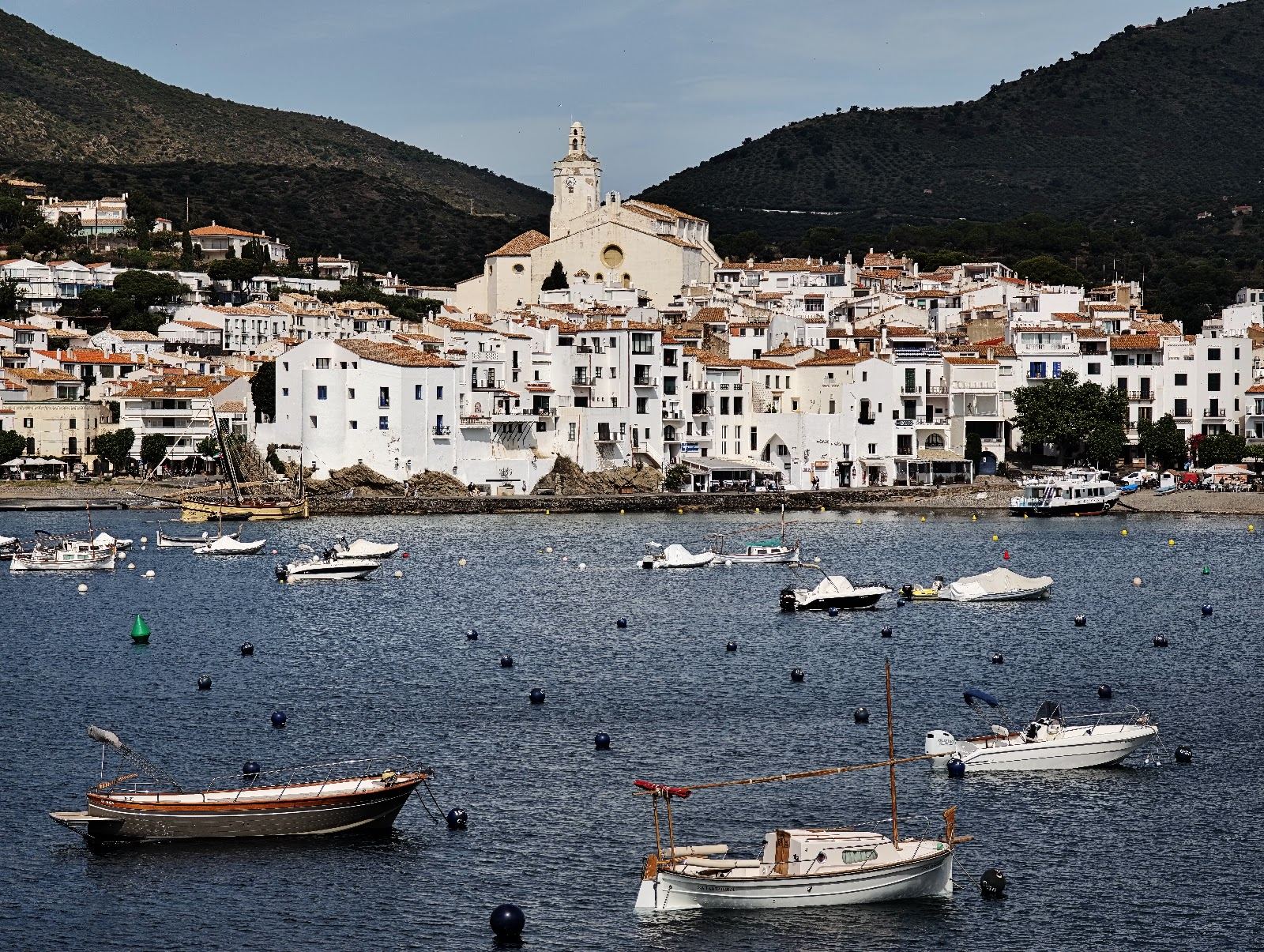
Cadaques is the village every other Costa Brava town is quietly measured against, a spill of whitewashed houses and bougainvillea around a curved bay at the far end of the Cap de Creus. It has drawn painters and writers for a century, Picasso and Duchamp and Lorca among them, and above all Salvador Dali, who summered here as a boy and built his strange, wonderful home over the headland at Portlligat. The light is hard and clear, the water clearer still, and the whole place feels a world apart from the resort coast to the south. That apartness is earned by the road in, a slow twist of mountain bends that has kept the village small.
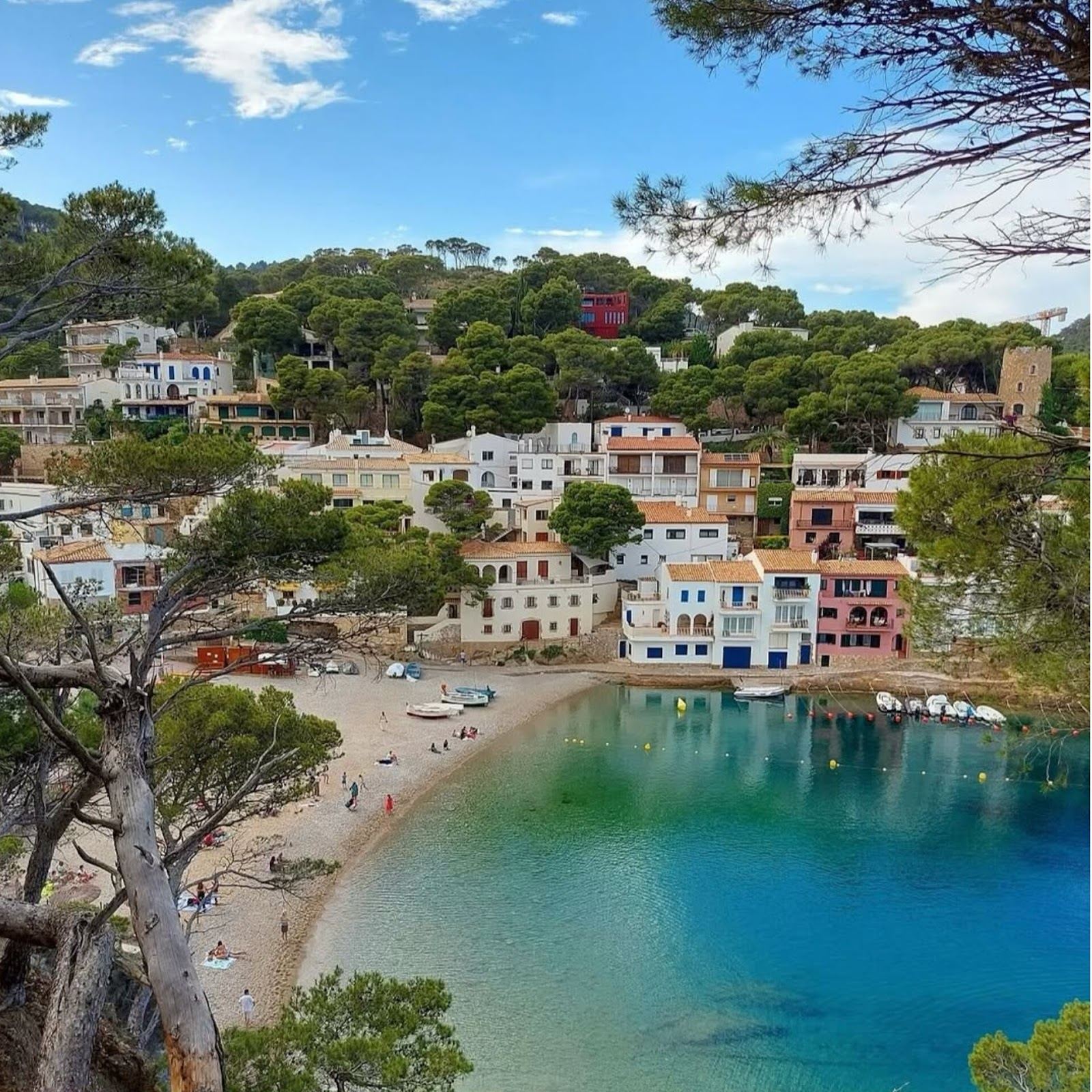
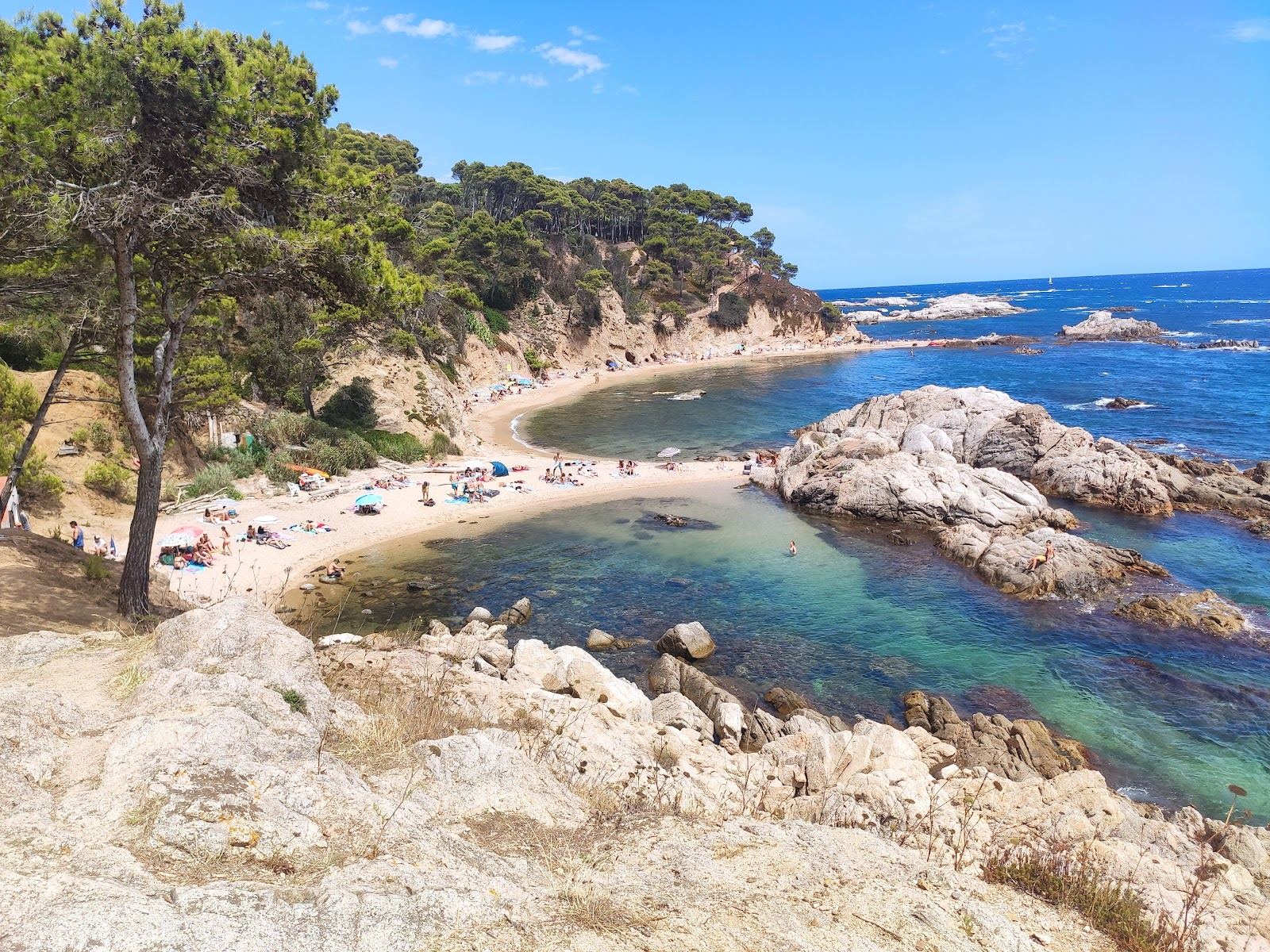
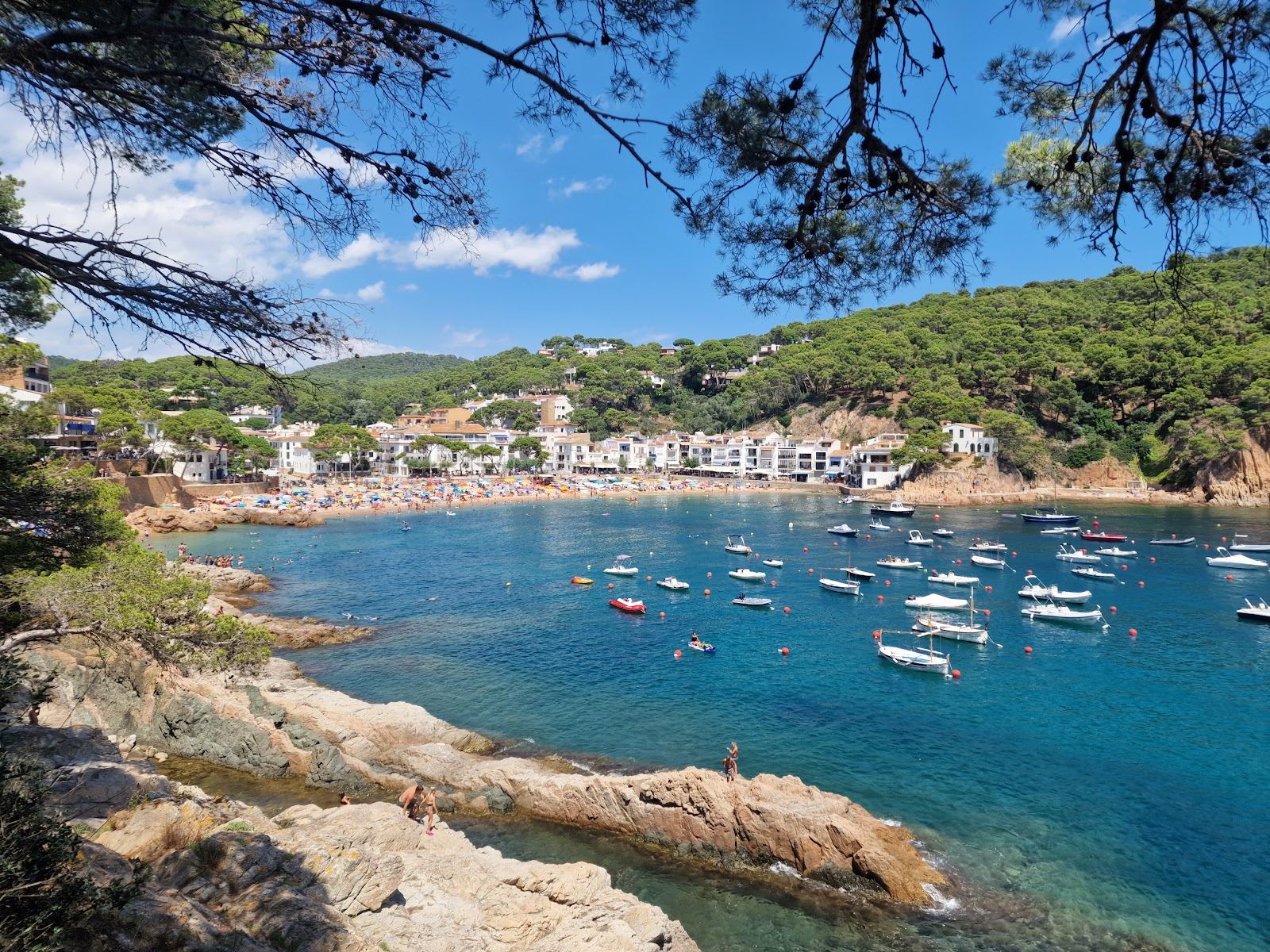
Here is the honest catch. The shore is not a sandy beach. It is a run of small coves of coarse sand mixed with stones and pebbles, the largest being Platja Gran in front of the Santa Maria church, with quieter pockets like Es Llaner and Sa Conca around the bay. Bring water shoes, pick a calm cove, and the swimming off the rocks is lovely in that clear water, but if you have come expecting a soft strand to sink your toes into you will be disappointed, and naming that saves you the letdown. The beach is the setting, not the star.
What you come for is the wider day, and Cadaques rewards it. Book ahead for lunch at Compartir, opened in 2012 by three chefs who trained at the legendary elBulli just down the coast, where the sharing plates are some of the finest cooking on the Costa Brava. Walk the cobbled lanes to the church, take the path over to the Dali house at Portlligat, and eat fresh fish on a harbour terrace as the evening light goes pink on the white walls. For a genuinely sandy day, drive south to Pals or the Palafrugell coves. For everything else a coast should offer, Cadaques is the one to beat.
Clubs on this beach
Cadaques is a small, low key village rather than a beach club resort, so the scene here is harbour terraces, seafront cafes and the village restaurants rather than organised daybed clubs. Specific operators, venues and prices are to be confirmed. For organised beach clubs along the coast, use the Costa Brava beach clubs guide.
Harbour terraces and village restaurants
The Cadaques day is built around its seafront cafes, harbour fish terraces and standout tables like Compartir rather than beach clubs. Specific operators, venues and prices to be confirmed.
Cadaques, Costa Brava
Cadaques sits at the end of a winding road over the Cap de Creus in the far north of the Costa Brava, around two and a half hours by car from Barcelona and roughly an hour from Girona or Figueres. The slow mountain drive is part of why the village has stayed unspoilt, and there is no train, so a car or seasonal bus is the way in.
Parking in the village is limited and fills fast in summer, so arrive early and be ready to leave the car at the edge of town and walk in. From the seafront it is a short stroll to the Santa Maria church and Platja Gran, with the path to the Dali house at Portlligat heading over the low headland to the north.
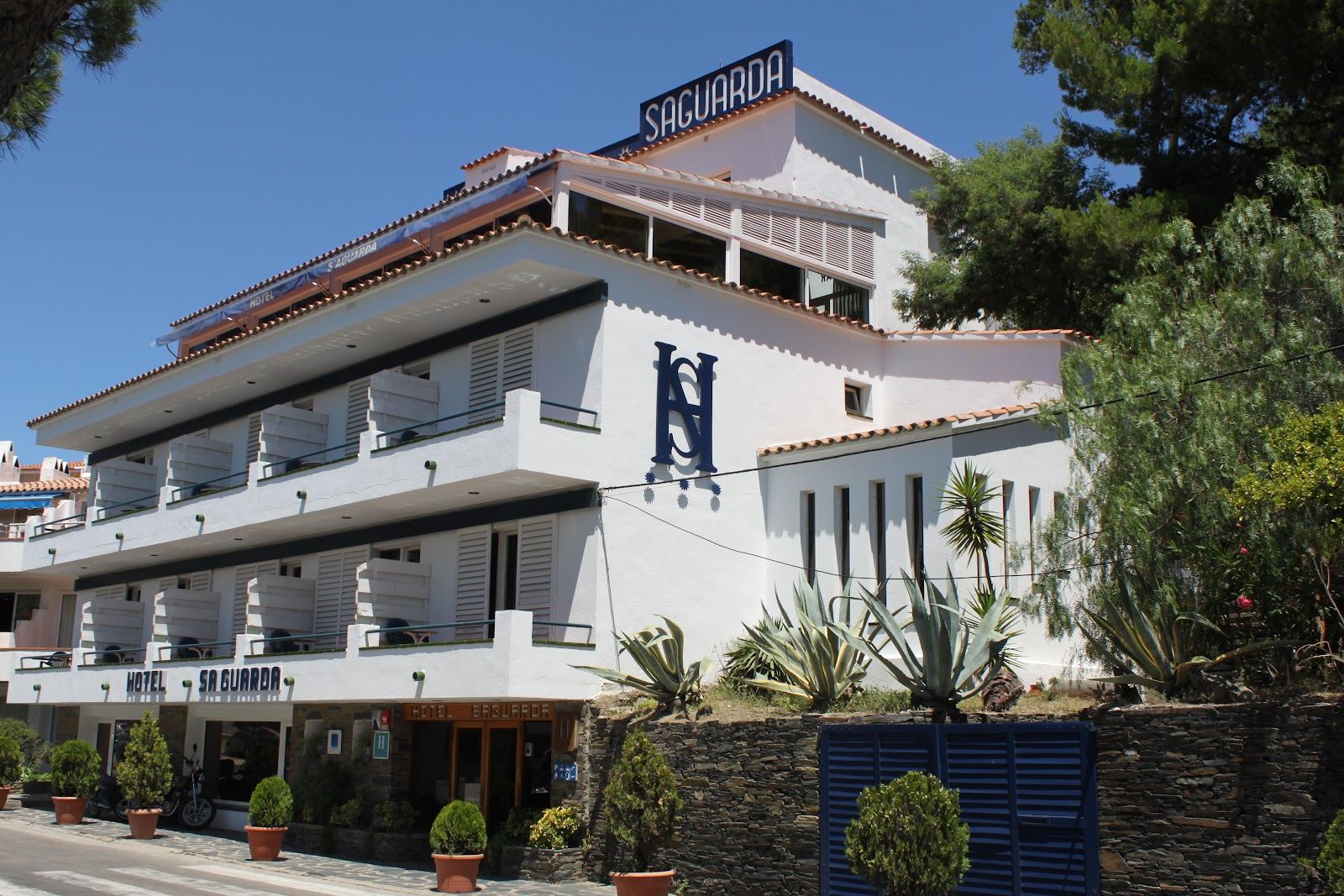 Photo: Hotel S´Aguarda via Google
Not ready to book?
Keep the good shorelines coming. Shore Notes is our occasional letter on the best beaches and the clubs worth your day, sent straight to your inbox. One field, unsubscribe any time.
Book a beach club
Tell us your dates and party size and we will help arrange a table or daybed near Cadaques and along the Cap de Creus coast. We reply by email.
Independent and honest · 1,340 beaches ranked across 103 destinations · We answer to no resort
We are an independent editorial resource. Booking requests are passed to clubs and operators, and some may earn us a commission at no cost to you. Prices, availability and opening status are set by the venue and are to be confirmed at the time of booking.
Common questions about Cadaques
Does Cadaques have a sandy beach?
Not really, and it is fair to say so up front. The town shore is a string of small coves of coarse sand mixed with stones and pebbles rather than a soft sandy strand, with Platja Gran in front of the church the largest and busiest. If a long sweep of sand is your priority you should look elsewhere on the coast, because the reason to come to Cadaques is the village, the light and the water, not the beach underfoot.
Is Cadaques worth visiting?
Yes, but for the right reasons. Cadaques is the loveliest village on the Costa Brava, a tumble of whitewashed houses around a bay on the wild Cap de Creus, long an artists' haunt and forever tied to Salvador Dali, who made his home in the next bay at Portlligat. Come for the place, the art, the clear water and the food, and treat the swimming as a bonus rather than the headline.
Where should you eat in Cadaques?
Cadaques punches far above its size for food. Compartir, opened in 2012 by three chefs who trained at the legendary elBulli, serves refined sharing plates in a stone courtyard a short walk from the front and is the village's headline table. Beyond it the harbourside terraces do fresh fish and seafood simply and well, and a few streets back you will find quieter, better value spots.
What is the Dali connection to Cadaques?
Salvador Dali summered in Cadaques as a child and made his adult home just over the headland at Portlligat, where his house is now a museum that you should book ahead to visit. The strange rocks of the Cap de Creus and the light of this coast run right through his Surrealist work, and a statue of the artist leaning on his cane stands on the Cadaques seafront.
How do you get to Cadaques?
Cadaques sits at the end of a winding mountain road over the Cap de Creus, around two and a half hours by car from Barcelona and roughly an hour from Girona or Figueres. The drive is slow and twisting, which is part of why the village has stayed small and unspoilt, and parking in summer is limited, so arrive early and be ready to walk in from the edge of town.