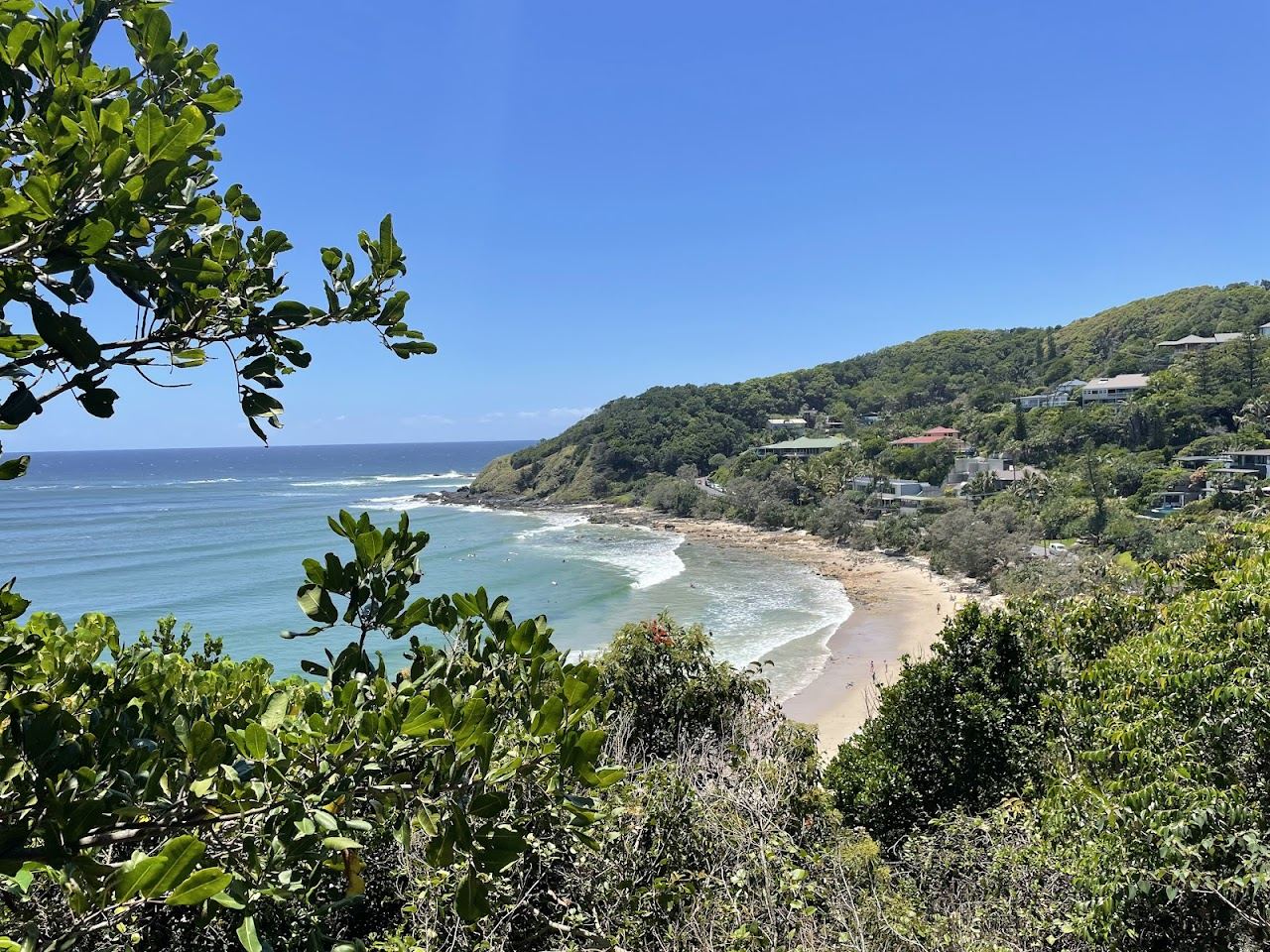
 Photo: Snorkeling Byron Bay via Google
The verdict
- Best forCalm seekers happy to read the swell, who want a sheltered headland float and the option of a great offshore reef by boat
- Top pickWategos for the most sheltered beach snorkel, with the short boat trip to Julian Rocks the real reef of the region
- One thing to knowByron is a surf coast, not a reef from the sand destination, so the standout snorkel is offshore at Julian Rocks and beach calm comes and goes with the swell
Published 17 March 2026. Last reviewed 15 May 2026. Conditions are typical and never guaranteed.
Byron Bay is a surf town first, a long arc of open ocean beaches that catch the swell, so a snorkeller has to set expectations honestly before wading in. This is not a coast of reef gardens lying calm beneath your fins straight off the sand. What Byron has instead is one genuinely great snorkel, offshore at Julian Rocks, and a handful of sheltered headland coves that come good on a settled morning. Understand that shape and you can plan a restful, rewarding swim. Ignore it and you may find yourself bobbing over plain sand wondering where the fish went.
The honest rule is that the calm and the clarity follow the swell and the season. The warmer months bring the best water and the most marine life, and a still early morning before the sea breeze and the surfers is the gentlest window. The sheltered north facing cove at Wategos, tucked below the green Cape Byron headland, is the calmest beach to float, while the real magic is the short boat trip out to the protected reef at Julian Rocks, where turtles, rays and hundreds of fish gather in the marine park. Treat a clear, fish filled morning as the typical gift of a settled day rather than a guarantee, and let the slow start be part of the recovery.
Byron Bay snorkelling beaches, ranked
Weighted for shelter, marine life and how calm and restful each beach swims early in the day.
Wategos Beach
The most sheltered beach in Byron, a north facing cove tucked below the Cape Byron headland where the water sits calm on a settled day and rocky edges gather fish. It is the easiest place to slip in for a gentle float, and it sits closest to the offshore reserve, making it the natural base for a Julian Rocks trip. Early morning before the breeze and the day crowd is the calmest, most restorative window here.
The Pass
A rocky point at the eastern end of Clarkes Beach with reef close in and a real chance of a turtle gliding through, the best marine life you will find from the shore. The catch is honest, it is one of the most famous longboard breaks on the coast, so it is busy with surfers and best snorkelled early and well clear of the wave. A lovely, lively spot for a careful float when the swell is small.
Little Wategos Beach
A tiny, secluded pocket of sand below the lighthouse at the most easterly point of the mainland, reached on foot and often near empty. Rocky edges and clear water on a calm day make it a quiet little float for those willing to make the short walk down, the wellness pick for solitude. Access and conditions depend on the tide and swell, so it reads best on a settled, low water morning.
Cape Byron Beaches
The string of rocky little coves and beaches wrapping the Cape Byron headland sit within the marine park and hold reef and fish at their edges, with the lighthouse walk above linking them. They are scenic and quiet, rewarding a patient float along the rocky margins on a calm day, though entries can be awkward and the swell can build, so they suit a confident, careful swimmer reading the conditions.
Clarkes Beach
A gentle, tree backed beach between Main Beach and The Pass, calmer than the open Main Beach and an easy, pretty swim close to town. It is mostly sandy underfoot rather than a reef, so come for the soft, restful wade and a swim toward the rocky Pass end where a little marine life gathers. A relaxed choice for an early dip rather than a dedicated snorkel.
The honest read on snorkelling here
Be honest about Main Beach, the long sweep right in front of town. It is a fine swim and a great surf beach, but it is open sand underwater and exposed to the swell, so it is not the place for fish, and snorkelling straight off it is the most common Byron disappointment. The same goes for the wilder ocean beaches like Tallow and Belongil, beautiful for a walk and a surf but plain and often murky for a snorkel. Come to those beaches for what they are, and head for the sheltered headland coves or the offshore reef when it is the marine life you want.
The real reward here is Julian Rocks, known as Nguthungulli, a protected nature reserve in the Cape Byron Marine Park about two and a half kilometres offshore. It is reached on a short guided boat trip rather than swum to, and the meeting of warm tropical and cool temperate currents brings turtles, rays, wobbegongs and hundreds of fish, with leopard sharks through the warmer months. This is one of the best snorkels in Australia and the honest answer to where Byron's fish are. We never invent an operator or a price, so book ahead and treat specific tours, seasons and costs as to be confirmed.
Above all, read the swell and time it for calm. Byron is an open surf coast, so visibility and gentleness swing with the sea state, and a low swell early morning in the warmer months is the clearest, stillest window. Avoid the days after heavy rain or big seas when the water turns murky, keep a respectful distance from turtles and rays, never touch or stand on anything, and wear reef safe sunscreen. Treat the calm, the clarity and the sightings as typical gifts of a good day rather than a promise, and Byron gives a gentle, soulful snorkel for those who plan around the ocean.
Where to settle after the swim
Byron does its beach scene as relaxed cafes, surf clubs and the easy coastal eateries around the town and Wategos rather than the daybed and minimum spend club of other coasts, in keeping with its barefoot, wellness leaning mood. After a sheltered float or a Julian Rocks trip, the calm move is a slow lunch with a sea view and a quiet corner to rest. We keep an honest directory of where you can settle by the water, where a beach cafe or surf club will set you up for the day, and where to find the calmer spots, so the gentle morning swim and the unhurried afternoon belong to one restful day.
Book a beach club in Byron Bay
Independent and honest · 1,340 beaches ranked across 103 destinations · We answer to no resort
Before you go
Is Byron Bay good for snorkelling?
Yes, but the headline is offshore rather than from the sand. Julian Rocks, a nature reserve in the Cape Byron Marine Park about two and a half kilometres off Main Beach, is one of Australia's best snorkels, with turtles, rays and hundreds of fish, reached on a short boat trip. From the beach the sheltered rocky edges at Wategos and The Pass are the calm choice. Byron is a surf coast, so visibility and calm vary with the swell.
What is the best snorkelling beach in Byron Bay?
Wategos is the most sheltered beach for a snorkel, a north facing cove below the lighthouse with calm water on a settled day and rocky edges that gather fish. The Pass has reef at the headland and the chance of a turtle, though it is a famous surf break and busy with boards. For the real reef, the short boat trip to Julian Rocks is the standout, far richer than anything off the sand.
Can you snorkel at Julian Rocks?
Yes, on a guided boat trip. Julian Rocks, known as Nguthungulli, sits in the Cape Byron Marine Park about two and a half kilometres offshore and is reached by a short ride with a local operator, not by swimming out. The meeting of warm and cool currents brings turtles, rays, wobbegongs and hundreds of fish, with seasonal leopard sharks in the warmer months. Operators, prices and seasons change, so we mark specifics to be confirmed and suggest you book ahead.
When is the best time to snorkel in Byron Bay?
The warmer months from roughly December to May bring the warmest, clearest water and the best marine life, and a calm early morning before the sea breeze and the surf crowd is the stillest window. Snorkel on a settled, low swell day for the clearest water, and avoid the days after heavy rain or big seas when the water turns murky. Conditions on this open surf coast are typical only and never guaranteed.
Is the marine life protected in Byron Bay?
Yes, the whole area sits within the Cape Byron Marine Park, with Julian Rocks a protected sanctuary zone, which is exactly why the snorkelling is so rich. Help keep it that way by never touching or standing on anything, keeping a respectful distance from turtles and rays, and wearing reef safe sunscreen. Treat sightings of turtles and rays as a typical gift of a good day rather than a guarantee.