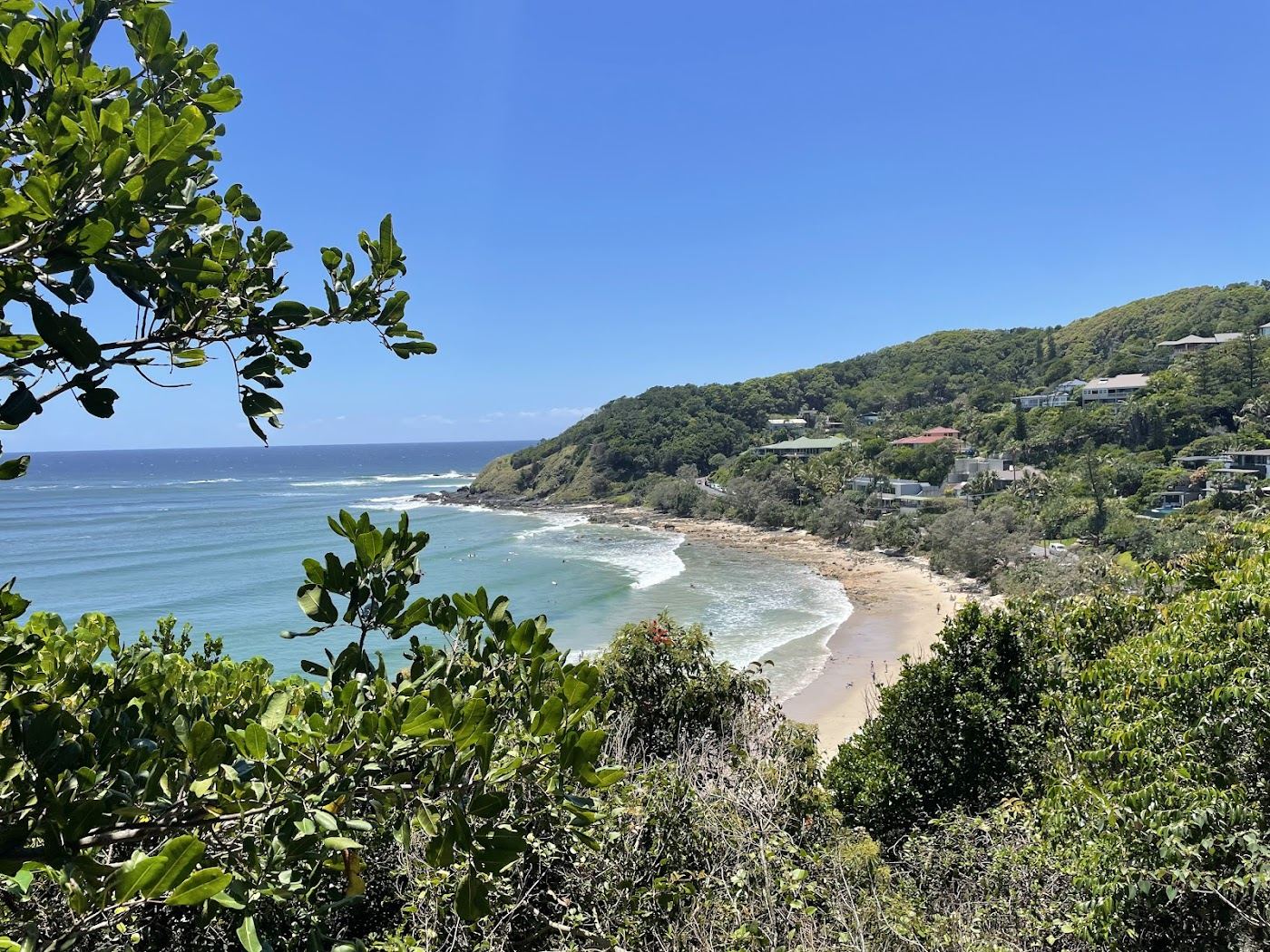
 Photo: MeiFang via Google
The verdict
- Best forTravellers who want warm, swimmable water and settled weather without the summer crowds, and the calmest, most restful version of a famously busy town.
- Top pickAutumn from March to May, with April the sweet spot for warm water, soft light, low crowds and the most reliable calm on the eastern coves.
- One thing to knowByron is busiest and wettest in the December to February summer holidays. For stillness, come in the shoulder season and always swim early.
Published 6 March 2026. Last reviewed 5 June 2026. Conditions are typical and never guaranteed.
Byron Bay has a gentle subtropical climate that keeps the sea swimmable for much of the year, so the timing question here is less about whether you can get in the water and more about how warm, how settled and how crowded it will be. The town sits on the far north coast of New South Wales, where the summers are warm and humid with afternoon storms, and the winters are mild, dry and clear. For a traveller who has come to slow down, the honest answer is that Byron is at its most restorative in the shoulder seasons, when the water still holds the summer warmth but the holiday crowds have gone.
The clear sweet spot for calm is the autumn from March to May, and within it the lovely window of April. By then the worst of the summer humidity and storms have eased, the sea is still warm from the long hot season, the light turns soft and golden, and the school holiday crowds have cleared, so the eastern coves feel close to private at dawn. This guide breaks the year down month by month for air, sea, rain, crowds and an honest verdict, then picks out the months that really matter for a restful day. Conditions are typical for the season and never guaranteed.
Month by month
Air, sea, rain, crowds and the honest verdict for a calm beach day, month by month.
| Month | Air | Sea | Rain | Crowd | Verdict |
|---|---|---|---|---|---|
| January | Hot, around 28C | Warm, around 25C | High, humid | Peak | Hottest and busiest, school holidays in full swing, swim early |
| February | Hot, around 28C | Warm, around 26C | High, stormy | High | Warm and humid with storms, still busy, lovely sea at dawn |
| March | Warm, around 27C | Warm, around 25C | Moderate to high | Easing | Summer warmth without the worst crowds, a fine shoulder start |
| April | Mild, around 25C | Warm, around 24C | Moderate | Low to moderate | Sweet spot, warm water, soft light, calm and uncrowded |
| May | Mild, around 22C | Mild, around 23C | Lower | Low | Quiet and settled, water still kind, autumn at its best |
| June | Cooler, around 20C | Around 22C | Low | Low | Mild and quiet, whales passing north, a wetsuit helps |
| July | Cool, around 19C | Around 21C | Low, clear | Low to moderate | Crisp, clear and calm, whale season, the quietest beaches |
| August | Mild, around 20C | Coolest, around 20C | Low | Low | Dry and bright, cooler sea, lovely for walks and a brisk swim |
| September | Mild, around 22C | Warming, around 21C | Low | Rising | Warming and pleasant, whales heading south, building crowds |
| October | Warm, around 24C | Warming, around 22C | Low to moderate | Moderate | Spring warmth and good swimming, a strong shoulder month |
| November | Warm, around 26C | Warm, around 23C | Moderate | Rising | Warm and lovely, filling toward summer and event weekends |
| December | Hot, around 27C | Warm, around 24C | High, humid | Peak | Hot and festive, holidays begin, the busy season returns |
The months that matter
April and May are the quiet, restorative heart of the year. The summer humidity and storms have eased, the sea still holds its warmth, and the holiday crowds have cleared, so the eastern coves are at their most peaceful. For a slow trip built around a sunrise swim at Wategos and an unhurried morning, this is the loveliest window, with April in particular giving the soft light and stillness that make the sheltered beaches feel like a genuine reset. The town relaxes too, so tables and parking come easily and the whole place breathes.
The summer from December to February is the warmest water and the most festive mood, but it is also the busiest, wettest and most humid stretch by far. School holidays, Easter and event weekends fill the town to its edges, the parking near Wategos and The Pass becomes a real battle, and afternoon storms are common. None of that means you should avoid summer, but it does mean the calm version requires discipline: swim at dawn, take the middle of the day out of the heat and the crowds, and keep an eye out for bluebottles that onshore winds can push in. If you only see Byron in a packed January, you will miss its quiet soul.
Winter, from June to August, is the underrated season for a calm trip. The air is mild rather than cold, the days are dry and clear, and the beaches are genuinely quiet, with many locals still swimming and a wetsuit making a longer dip comfortable. It is also whale season, with the northern migration from around May to July and the lighthouse walk one of the best free places in the country to watch them pass. For solitude and crisp, bright mornings, winter is a quietly wonderful time to be here.
Spring, from September to November, warms steadily and brings back good swimming and the southern whale migration, with October a strong, settled shoulder month before the crowds rebuild. By late November the town is filling again toward the summer peak and the event calendar picks up, so the early spring weeks are the calmer choice. Across the whole year, the season sets the mood but the hour decides the calm, so on any visit the first lesson of Byron holds: go early, and the sand is yours.
Where to drink with sand underfoot
If you are timing a beachfront day, the same calendar applies. The beach pubs and bars such as The Beach Hotel near Main Beach are liveliest and most dependable through the warmer months from spring to autumn, while the quieter winter weeks are lovely for a slow afternoon without the crowds, with venues a little calmer. For a restful day, the autumn shoulder rewards an unhurried lunch and a sunset drink well before the summer peak fills the town. Hours and any bookings shift by season, so confirm directly outside the busy stretch.
For a bookable day in the right window, tell us the beach, the date and the party size and we will match you to a venue or a lounger setup that fits the mood you want and pass your request to the team.
Book a beach club in Byron Bay
Independent and honest · 1,340 beaches ranked across 103 destinations · We answer to no resort
Before you go
What is the best month to visit Byron Bay for the beach?
April is the sweet spot, with warm water lingering from summer, settled weather, low crowds and soft autumn light. The wider autumn from March to May is the loveliest stretch for a calm beach trip, warm enough to swim but well clear of the summer holiday rush.
When is the rainy season in Byron Bay?
Byron has a subtropical climate, and the wettest, most humid months are the summer from December to March, when warm downpours and storms are common. Winter and spring are drier and clearer, so a settled beach day is more reliable outside the summer wet.
Is the water warm enough to swim year round in Byron Bay?
The sea is swimmable for much of the year. It is warmest in summer at around 25 to 26C and coolest in winter at around 20 to 21C, when many locals still swim and a wetsuit makes a longer dip comfortable. The real limits are surf and wind rather than cold.
When is Byron Bay least crowded?
The quietest stretches are late autumn and winter from May to August, when the summer crowds have long gone and the town breathes again. Avoid the December to February school holidays, Easter, and event weekends such as the festivals if you want the calm version of Byron.
When can you see whales and dolphins in Byron Bay?
Dolphins are seen off the cape year round, often close to shore at Wategos. Whales pass on their migration, heading north from around May to July and south from September to November, and the lighthouse walk is one of the best free vantage points to watch them.