Cape Byron Beaches
The honest short answer
Published 5 March 2026. Last reviewed 15 May 2026. Conditions described are typical and never guaranteed.
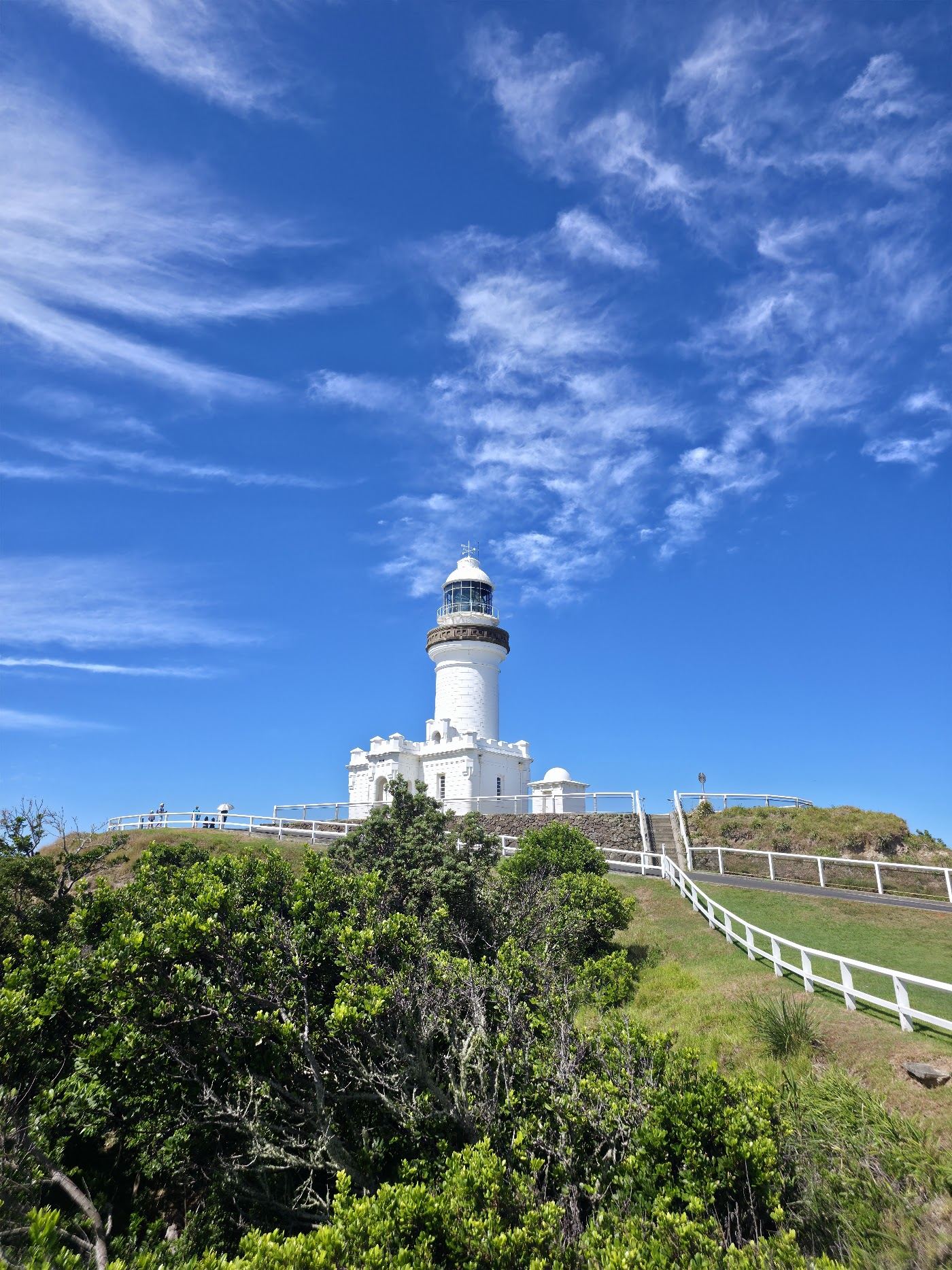
Let us be honest from the first line, because it saves you a frustrating search. There is no single beach called Cape Byron. The cape is the headland at the most easterly point of mainland Australia, crowned by its white lighthouse, and when people search for a Cape Byron beach what they actually want is the cluster of coves the headland shelters, the calm crescents of Clarkes and Wategos on the north side and the tiny hidden pocket of Little Wategos below the point. Understanding that turns a confusing search into one of the best mornings on the coast.
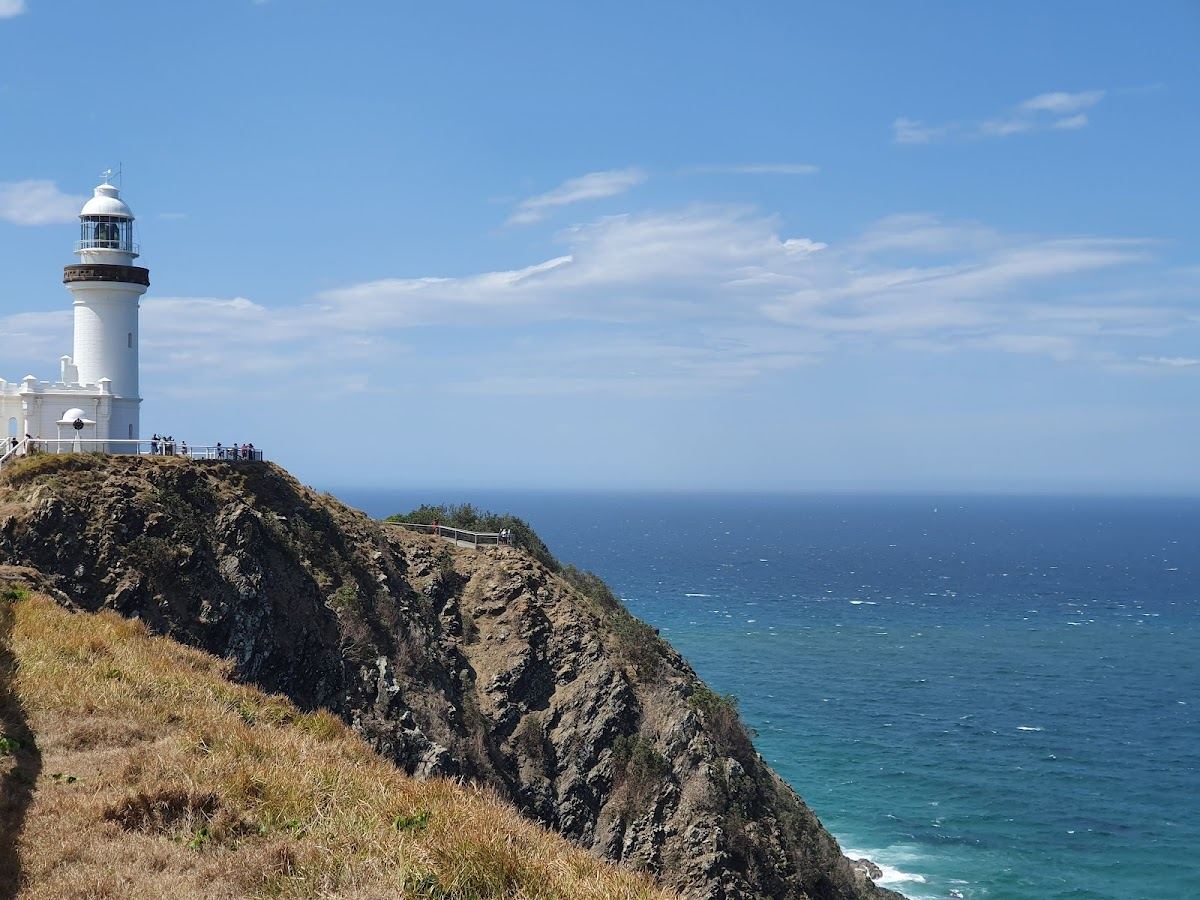
And what a morning it is. Drive or walk up to the lighthouse precinct before dawn, and you stand at the first place in the country to catch the sun, the sea spread out below, the headland green and still, often a pod of dolphins working the line and, in the cooler months, whales passing close to the point. From there the Cape Byron walking track loops the headland in about an hour, dropping you down to Wategos for a gentle float in the calmest water in Byron. For a traveller who came to slow down, this dawn ritual of lookout, walk and swim is the whole reason to be here.
Now the honest caveat, because the cape is loved and it shows. The lighthouse parking is small and fills very early, the coves below are tiny and busy by mid morning in summer, and the difference between a sublime Cape Byron and a crowded, circling one is entirely a matter of the hour. Come at first light and you have the headland nearly to yourself. Arrive at midday in peak season and you will queue for a space and share the lookout with a coach party.
Who should come here: anyone wanting the headland walk, the sunrise and a calm cove swim, taken early. Who should adjust plans: anyone arriving late in summer hoping for solitude. For the calm swim itself go to Wategos, for the next sheltered curve try Clarkes, and for true solitude make the short walk down to Little Wategos.
Clubs on and near the sand
The cape has a cafe and boutique dining rather than daybed clubs. Names and hours shift by season, so confirm directly and use the Byron Bay club directory to plan a bookable day.
- Rae’s on WategosThe small boutique hotel above the Wategos cove has a restaurant looking over the sea, the most refined waterside table on the cape, calm and grown up rather than a party scene. Bookings are advised and opening details are best confirmed directly with the venue.
- Cape Byron lighthouse cafeThe precinct at the top of the headland has a small cafe by the lighthouse, the natural coffee stop after the dawn walk. It is a simple lookout cafe rather than a beach club, and hours change by season and are best confirmed on the day.
- Free public covesThe coves below the cape are free public space with no loungers for hire, so most visitors simply lay a towel on the small sand. Bring your own shade and water, arrive at dawn to claim a quiet patch, and treat the headland as the calm place it is at its best.
- Town tables and pubsBack in Byron the boutique dining and beachfront pubs are the bookable option for a long lunch or a sociable drink after a cape morning. The lack of a club on the headland is part of why the coves keep their calm.
The Cape Byron headland sits at the eastern tip of the bay, reached by road up Lighthouse Road to the precinct at the top, around five minutes drive from the town centre or a longer scenic walk. The parking is the catch, with only a limited number of spaces by the lighthouse and at Wategos below, and both fill very early in the busy season, so the honest advice is to arrive at dawn or walk up from town. Byron Bay is around forty five minutes by road from the Gold Coast and Ballina airports, with a taxi, ride app or hire car the simplest ways into town.
Plan to walk the headland loop in the cool early morning, both for the light and to beat the parking crush, and wear proper shoes as the track climbs and descends. Bring water and sun cover, as natural shade on the coves is limited, and swim only in the sheltered, patrolled water at Wategos, keeping clear of the current near the rocks and the point. In the warmer months watch for bluebottles, and read the sea each day, as conditions are typical and never guaranteed.
Not ready to book?
Keep the good shorelines coming. Shore Notes is our occasional letter on the best beaches and the clubs worth your day, sent straight to your inbox. One field, unsubscribe any time.
Reserve a day in Byron Bay
Tell us the day and the party, and we will match you to a waterside venue near Cape Byron and pass your request straight to the team.
Independent and honest · 1,340 beaches ranked across 103 destinations · We answer to no resort
Is there a beach called Cape Byron Beach?
Not as a single named beach. Cape Byron is the headland at the most easterly point of mainland Australia, crowned by the lighthouse, and the beaches people mean are the coves it shelters, chiefly Clarkes and Wategos on the north side and tiny Little Wategos below the point, linked by the Cape Byron walking track.
Which Cape Byron beach is best for a calm swim?
Wategos, the sheltered north facing cove just below the cape, is the calmest swim of the group and the best gentle float, especially at dawn. Clarkes nearby is the next calmest. The water improves the more the headland shelters it, so the north side coves are gentler than the open Tallow side.
How do I explore the Cape Byron beaches?
The Cape Byron walking track loops the headland in around an hour, linking the lighthouse lookout, the coves and the most easterly point. Drive or walk up Lighthouse Road to the precinct, then follow the track down to Wategos and the smaller coves. Parking at the lighthouse is limited and best taken early.
Are the Cape Byron beaches worth it or overrated?
The headland and its dawn views are genuinely worth it and among the loveliest mornings on the coast. The catch is timing, as the lighthouse precinct and the small coves fill fast and parking is tight by mid morning in season. Come at first light and it is sublime, come at midday in summer and it can feel crowded.
Is the Cape Byron headland good for whale watching?
Yes, the lighthouse lookout is one of the best land based whale watching spots on the east coast during the migration, broadly winter into spring, when humpbacks pass close to the point. Sightings are seasonal and never guaranteed, but a calm morning on the headland gives you the best chance.