The definitive index of the world’s shorelines · 1,340 beaches ranked across 103 destinations
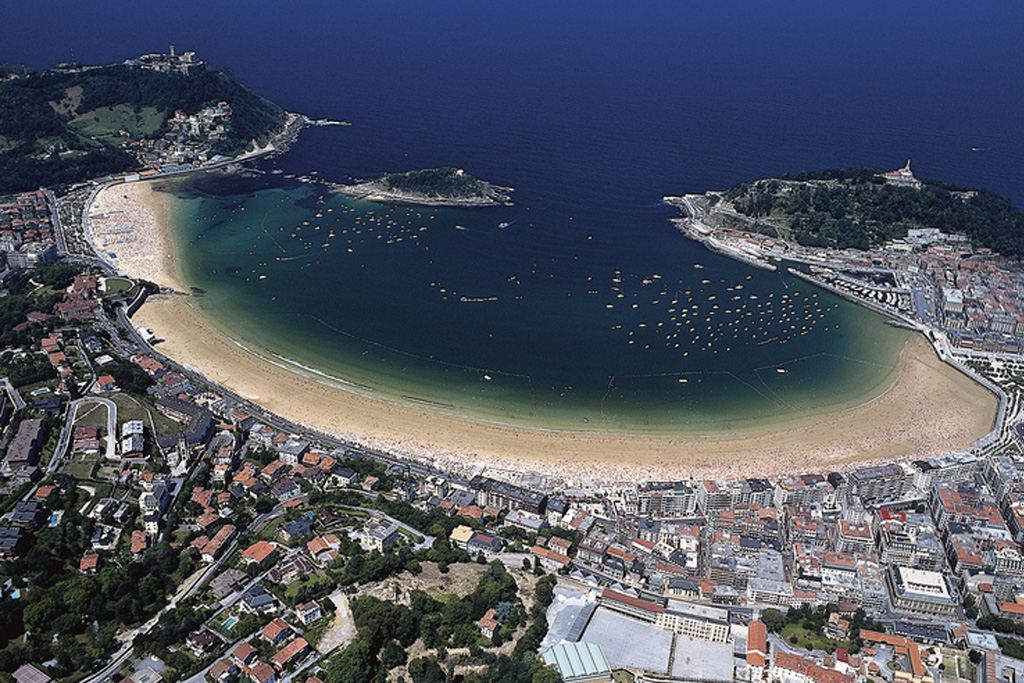
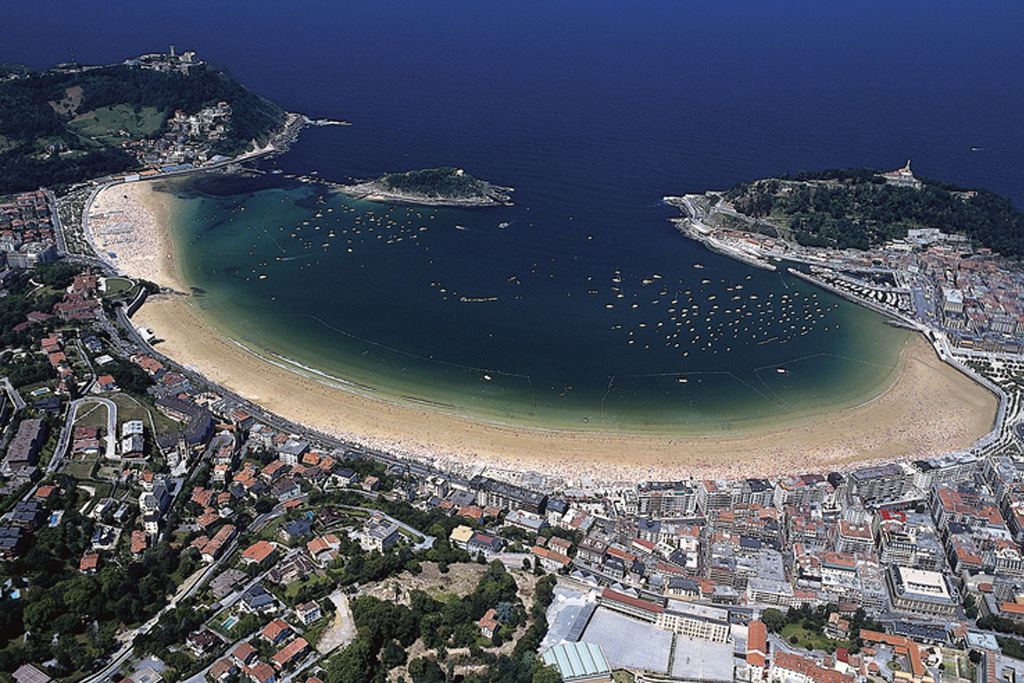
The wide golden crescent and calm water of La Concha bay in San Sebastian, a long standing Blue Flag beach in Spain
Beaches for Kings/Best/The best Blue Flag beaches in Europe
Flagship guide

The best Blue Flag beaches in Europe, ranked

We have judged the beaches that pair real beauty with the clean water, safety and facilities the Blue Flag rewards, across the Spanish bays, the Portuguese cliffs, the Italian islands and the Greek coast. Here are the best Blue Flag beaches in Europe, ranked, each with the honest verdict and the one thing to know.
10
Beaches ranked
6
Countries
Annual
Award cycle
Honest
Verdicts
Book a beach club
Photo: Carlos Alberto do Amaral via Google
Published 19 March 2026. Last reviewed 31 May 2026

The verdict

  • Who it is for. Travellers who want the reassurance of clean, lifeguarded, well run sand without sacrificing beauty, and who like the Blue Flag as a shortlist of beaches that take their water quality seriously.
  • The pick. La Concha in San Sebastian for the perfect city bay, with Praia da Marinha in the Algarve and Cala stretches of Sardinia and the Balearics leading on sheer beauty among the certified sand.
  • The one thing to know. The Blue Flag is awarded one year at a time and can change, so treat this as a guide to genuinely excellent beaches that regularly earn it, and check the current national list before you travel.
The brief

Why these made the list

The Blue Flag is the most recognised eco label on a beach, run by the Foundation for Environmental Education and awarded each year to beaches that meet strict standards on bathing water quality, safety, lifeguards, facilities and environmental management. Spain leads the world by a distance, with Greece, Italy and Portugal close behind, so a European beach holiday is spoiled for certified choice. But a flag alone does not make a beach beautiful, so we have ranked for the union of clean water and real character, the beaches that earn the award and deserve the journey.

A note on honesty, because the award demands it. Blue Flag status is granted annually and a beach can gain or lose it from one season to the next, often for reasons of facilities or a single water sample rather than any real decline, so we describe each beach as a regular and well known holder rather than promising a flag flies there today. The wildest, most undeveloped beaches in Europe often carry no flag at all precisely because they have no lifeguard or kiosk, so this is a list of beautiful beaches that also happen to be clean, safe and well run.

The ranking

The best Blue Flag beaches, in order

Ranked for the union of clean certified water and genuine beauty, with the city bays held to the same standard as the island coves, and the annual nature of the award kept firmly in view.

1
The wide golden crescent and calm sheltered water of La Concha bay in San Sebastian, SpainPhoto: Carlos Alberto do Amaral via Google
San Sebastian, Spain

La Concha

Few city beaches anywhere match La Concha, a near perfect golden crescent curving around a sheltered bay in the heart of elegant San Sebastian, framed by an island, a headland and the Belle Epoque railings of its famous promenade. The water is calm, clean and protected, and the whole composition, sand below grand stone above, is a piece of urban design as much as nature. It tops the list as the finest marriage of a great city, a beautiful bay and the clean, safe, well run water the Blue Flag stands for.

City bayCalmElegant
2
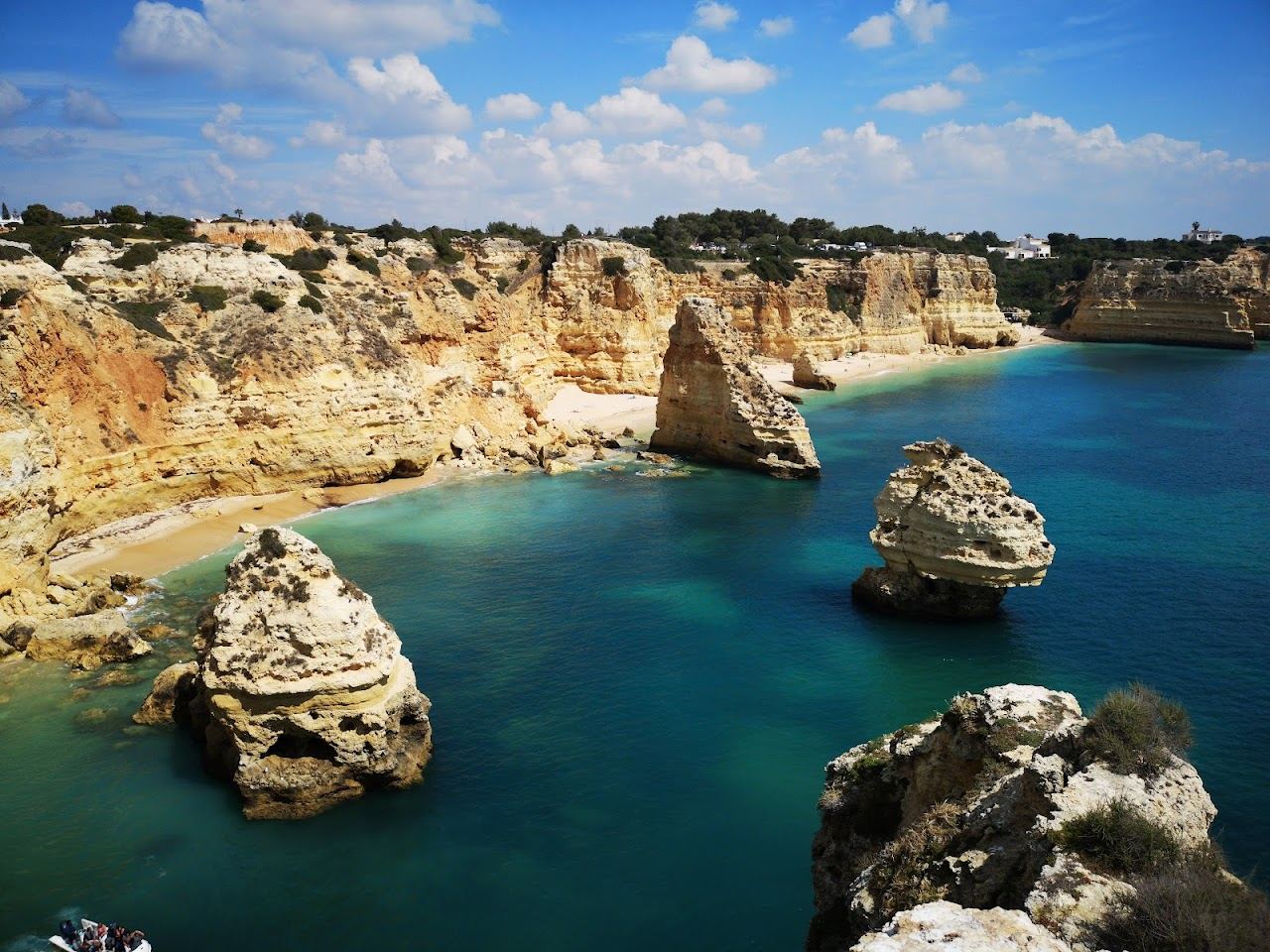
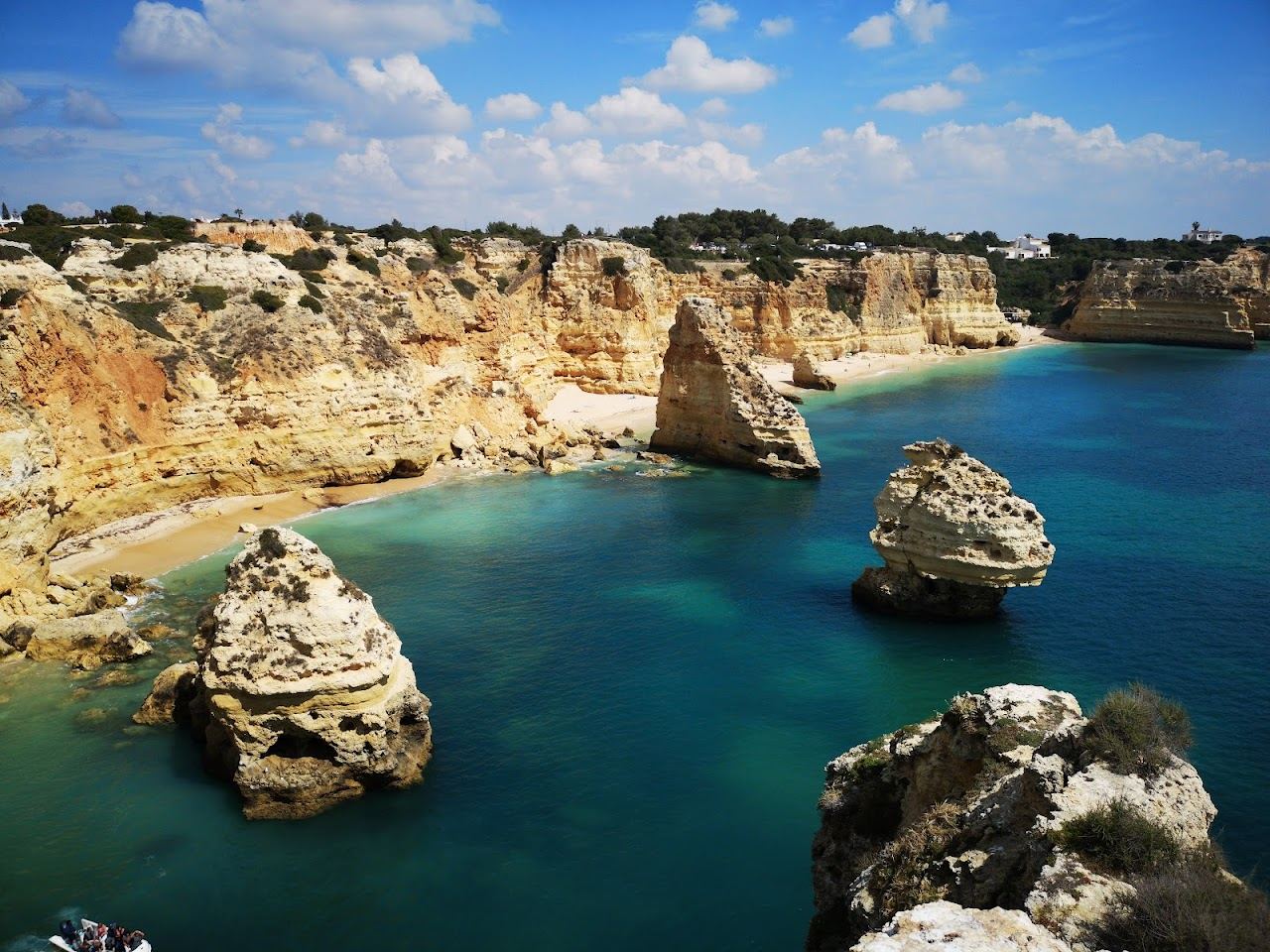
Golden limestone cliffs, sea stacks and clear green water at Praia da Marinha in the Algarve, PortugalPhoto: Simon Osborn via Google
Algarve, Portugal

Praia da Marinha

The signature image of the Algarve, Praia da Marinha is a small beach hemmed by sculpted ochre limestone cliffs and sea stacks, with water so clear it glows jade over the pale seabed. Reached by a staircase down from the clifftop path, it stays a touch wilder than the resort beaches and is a regular Blue Flag holder. It ranks just below La Concha for sheer beauty, the most photographed cliff cove in Portugal, best at low tide and early before the boat trips arrive.

CliffsClear waterIconic
3
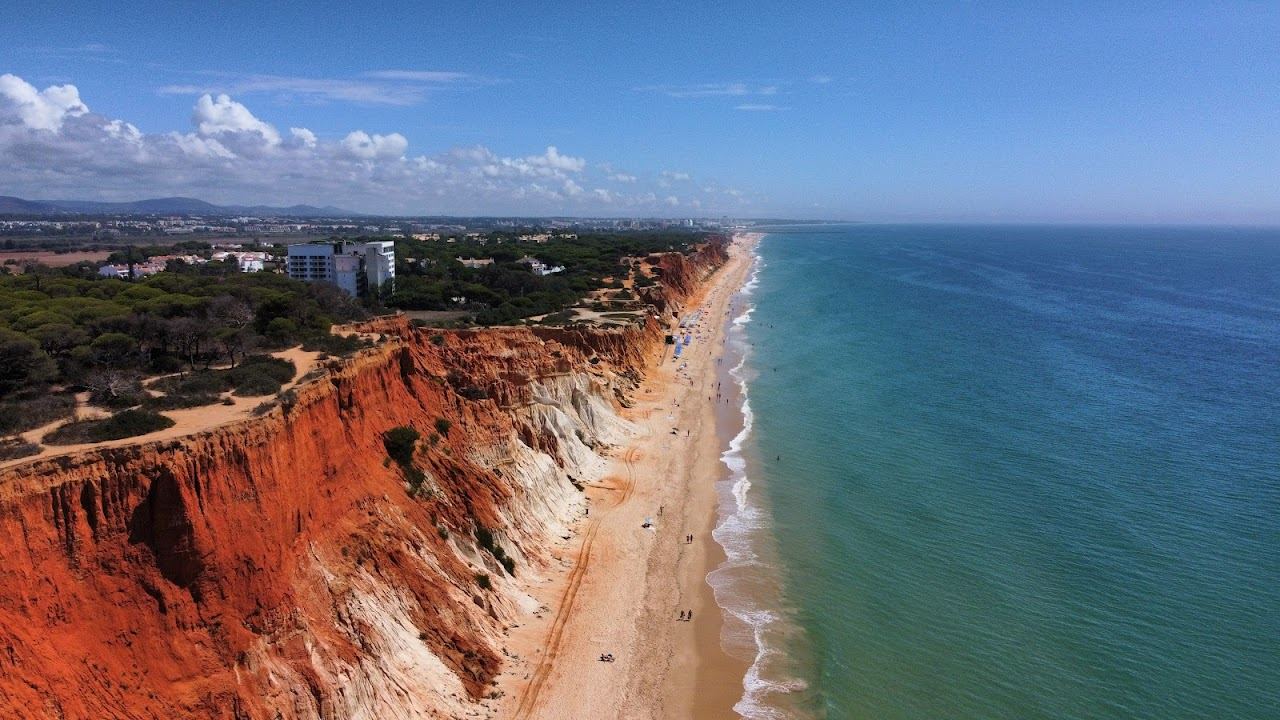
Rust and ochre cliffs above a long ribbon of pale sand and blue sea at Praia da Falesia in the AlgarvePhoto: Sebastian Mintel via Google
Algarve, Portugal

Praia da Falesia

A six kilometre ribbon of pale gold sand running beneath dramatic rust and ochre cliffs topped with umbrella pine, Falesia is the long, walkable counterpoint to the Algarve's small coves and a dependable Blue Flag beach. The colour contrast of red cliff, green pine and blue sea is the draw, and the breadth means it never feels as crowded as its popularity suggests. It ranks for that sweep and that light, the Algarve beach for a proper long walk with the cliffs glowing at either end of the day.

Long sandCliffsWalks
4
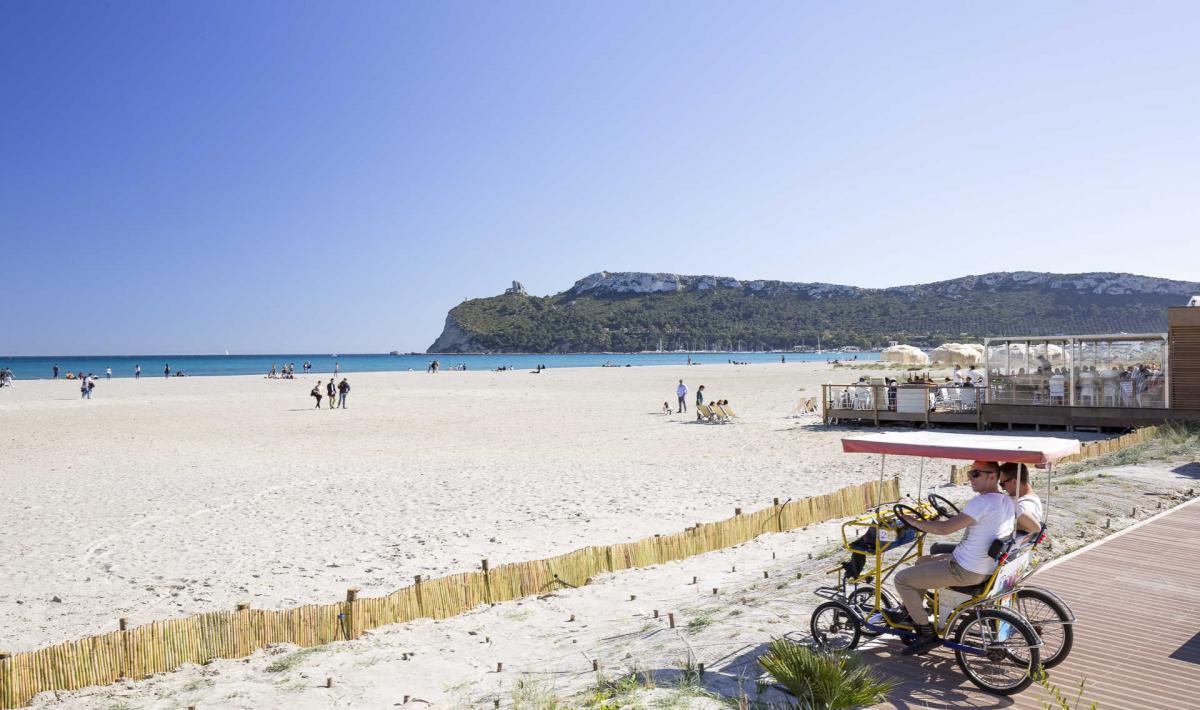
A long straight beach of pale sand and bright blue water with a green headland at Poetto in Cagliari, SardiniaPhoto: Salvatore Alagna via Google
Cagliari, Sardinia, Italy

Poetto

The great city beach of Cagliari, Poetto runs for several straight kilometres of pale sand and bright, shallow blue water beneath the green Sella del Diavolo headland, lined with kiosks and a relaxed Sardinian crowd. It is the rare big city beach with genuinely clear water, a regular Blue Flag holder kept clean and well staffed. It ranks as the best urban beach in Italy's islands, long enough to find space, lively without being brash, and an easy walk or bus from the old town.

City beachLong sandLively
5
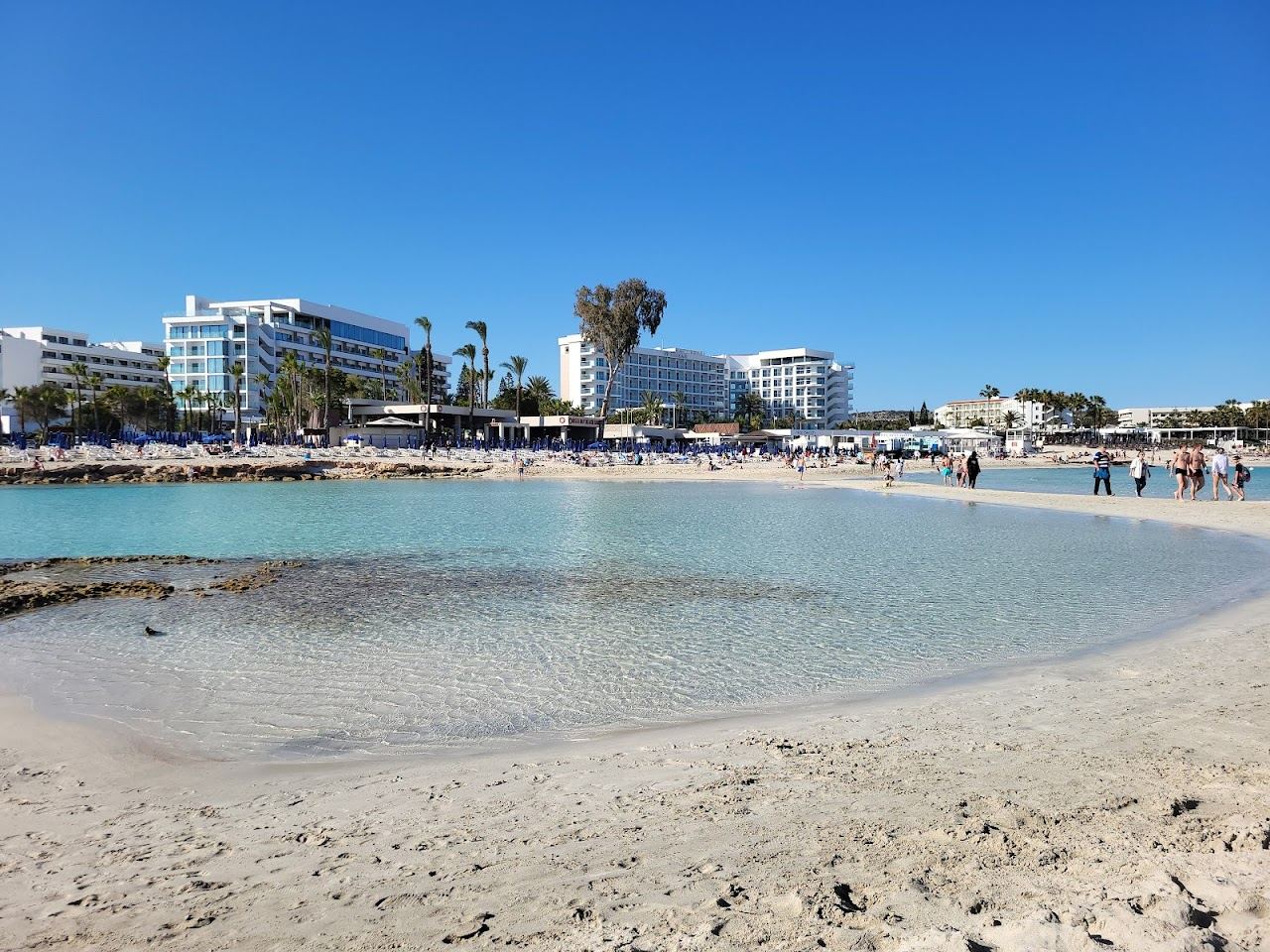
Bright white sand and luminous turquoise shallows with a small islet at Nissi Beach in Ayia Napa, CyprusPhoto: Markos Tiris via Google
Ayia Napa, Cyprus

Nissi Beach

The brightest water on this list, Nissi is a stretch of fine white sand and luminous turquoise shallows so pale they look tropical, with a small sandy islet you can wade to when the tide is low. It is a developed, lively beach with full facilities and a long Blue Flag record, busy and loud in peak summer. It ranks for that astonishing colour and the easy, warm, shallow swimming, the most purely turquoise beach in the European Mediterranean, best enjoyed early before the music starts.

TurquoiseWhite sandLively
6
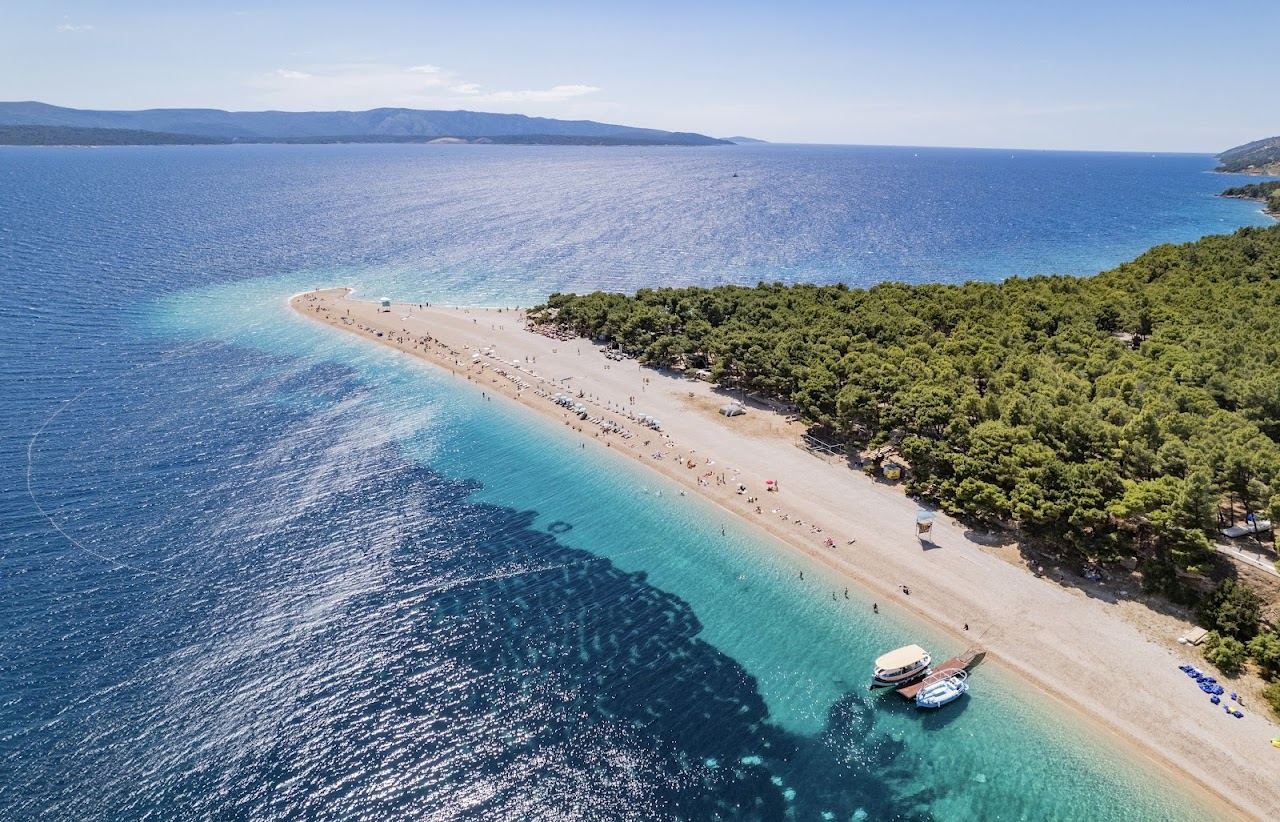
The shifting white pebble spit of Zlatni Rat reaching into deep blue water at Bol on Brac, CroatiaPhoto: Samuel Malmborg via Google
Bol, Brac, Croatia

Zlatni Rat

The most famous beach in Croatia, Zlatni Rat is a tongue of fine white pebbles that reaches out into deep blue Adriatic water and shifts its shape with the wind and current, backed by pine and watched over by the windsurfers it is known for. The water is clear and deep at its edges and the setting unmistakable from the air. It ranks as the Adriatic's signature beach, a regular Blue Flag holder, geometric and beautiful, and a short walk or boat from the pretty town of Bol.

Pebble spitClear waterIconic
7
Long shallow turquoise water and soft pale sand backed by dunes at Playa de Muro in Mallorca, SpainPhoto: Rafi Maulana via Google
Mallorca, Spain

Playa de Muro

The pick of Mallorca's big northern bay, Playa de Muro is a long stretch of soft pale sand and shallow, gin clear turquoise water backed by protected dunes and pine, calmer and more natural in feel than the busier Alcudia sand beside it. The gentle, wadeable shallows make it a family favourite and it holds the Blue Flag reliably. It ranks for that combination of clear shallow water, real dunes and Balearic light, the most complete family beach on this list and beautiful well beyond the kids.

ShallowFamilyDunes
8
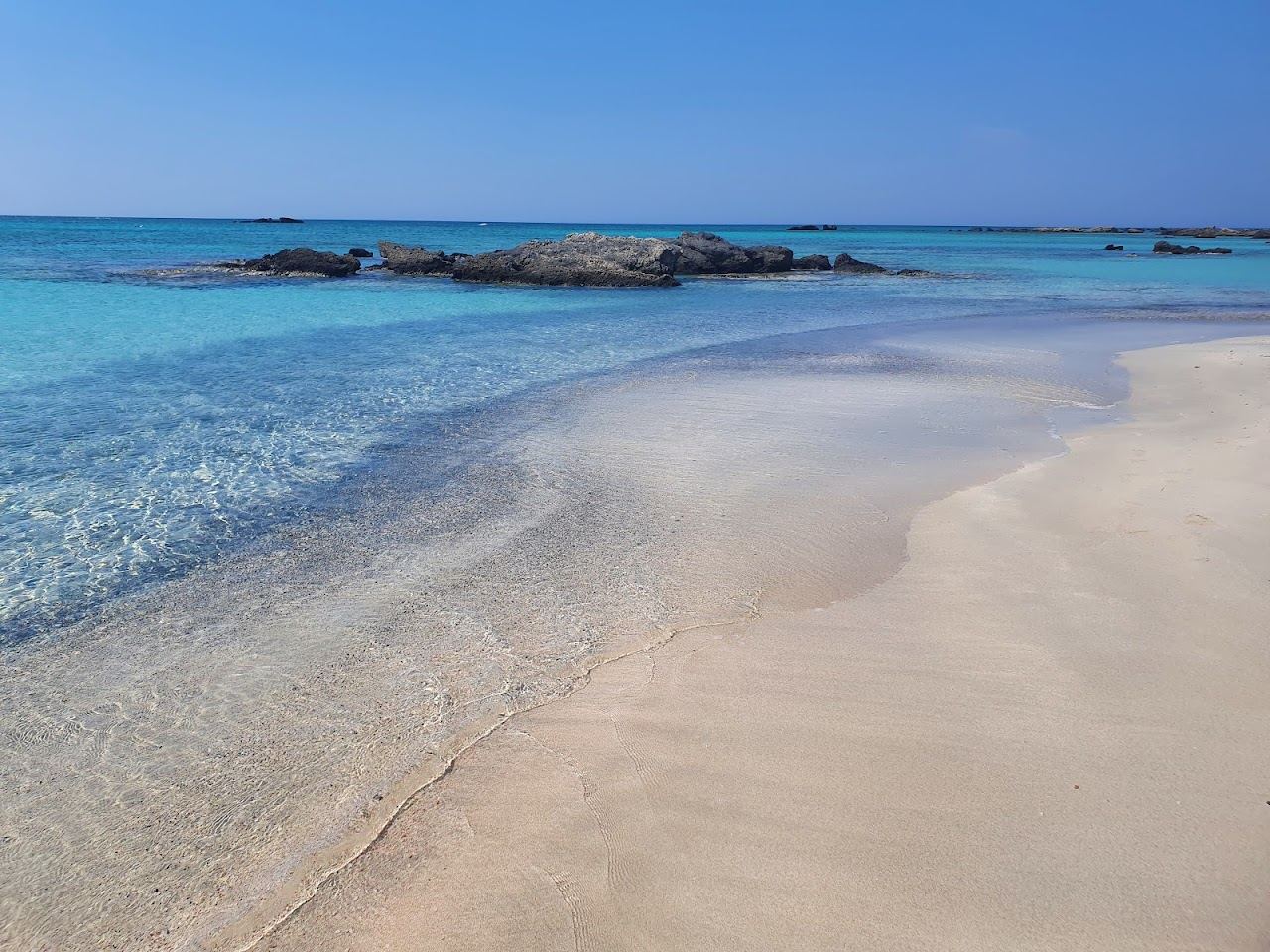
Pink tinged white sand and shallow turquoise lagoon water at Elafonissi on the southwest tip of CretePhoto: Bianca Schmitt via Google
Crete, Greece

Elafonissi

On the wild southwest tip of Crete, Elafonissi is a shallow lagoon of warm turquoise water and pale sand blushed pink in patches by crushed shell, where at low water you can wade across to an islet of dunes and sea daffodils. It is a protected Natura site, busy in summer and certified in the seasons its facilities qualify. It ranks for that dreamlike colour and the rare pink tinge, one of the most beautiful beaches in Greece, best reached early given the long drive and the crowds it draws.

Pink sandLagoonWade across
9
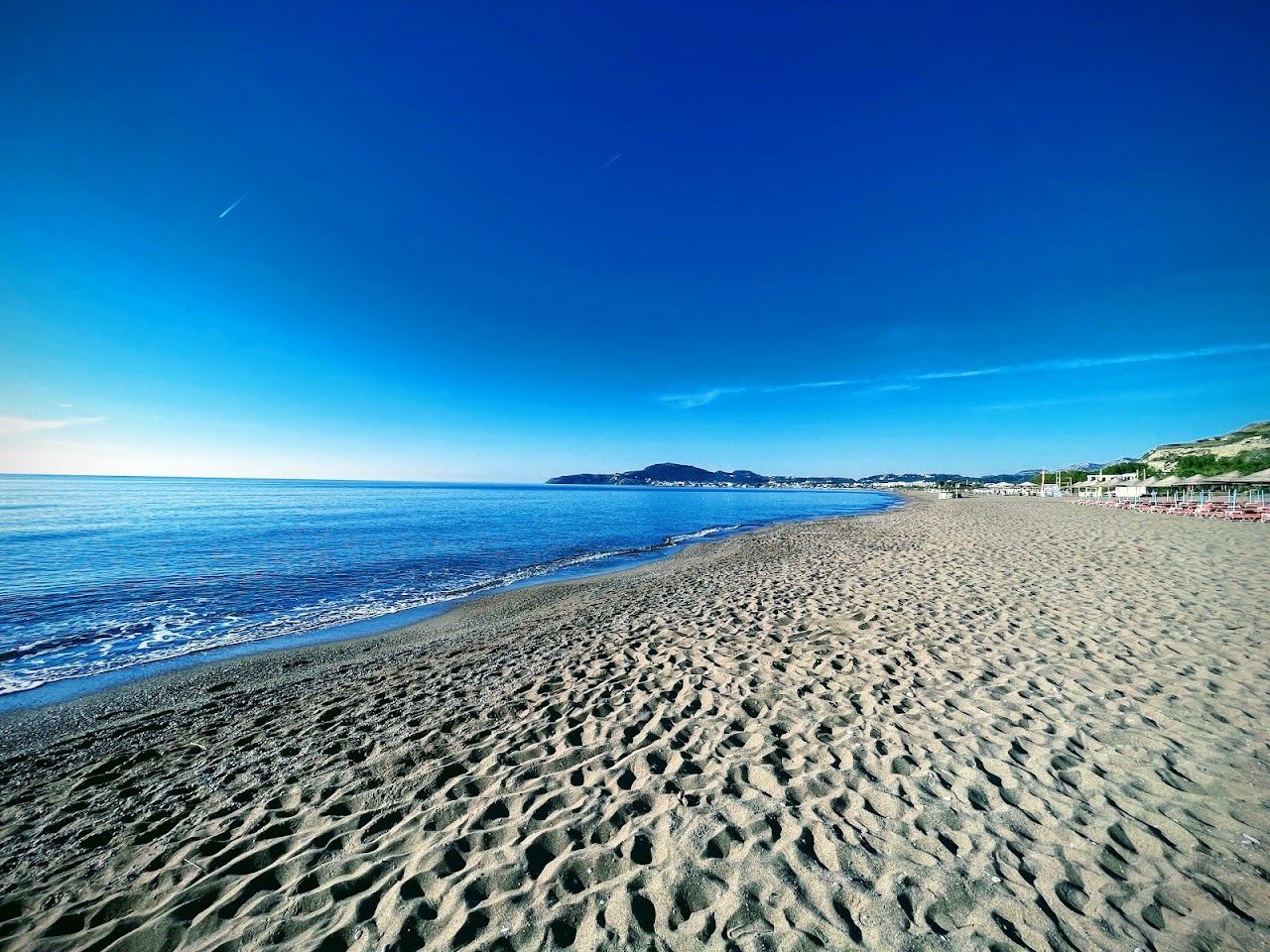
A long curve of golden sand and calm blue water with sunbeds at Faliraki beach on Rhodes, GreecePhoto: Radosław Lorens via Google
Rhodes, Greece

Faliraki Beach

The main beach of Rhodes' best known resort, Faliraki is a long, gently shelving curve of golden sand and calm, clear water with the full range of facilities and watersports, a dependable Blue Flag beach year after year. It is developed and lively rather than wild, but the swimming is easy and warm and the organisation excellent. It ranks as the well run, family ready Greek island beach, proof that a busy resort beach can still be clean, safe and genuinely pleasant when it is looked after.

Long sandCalmFacilities
10
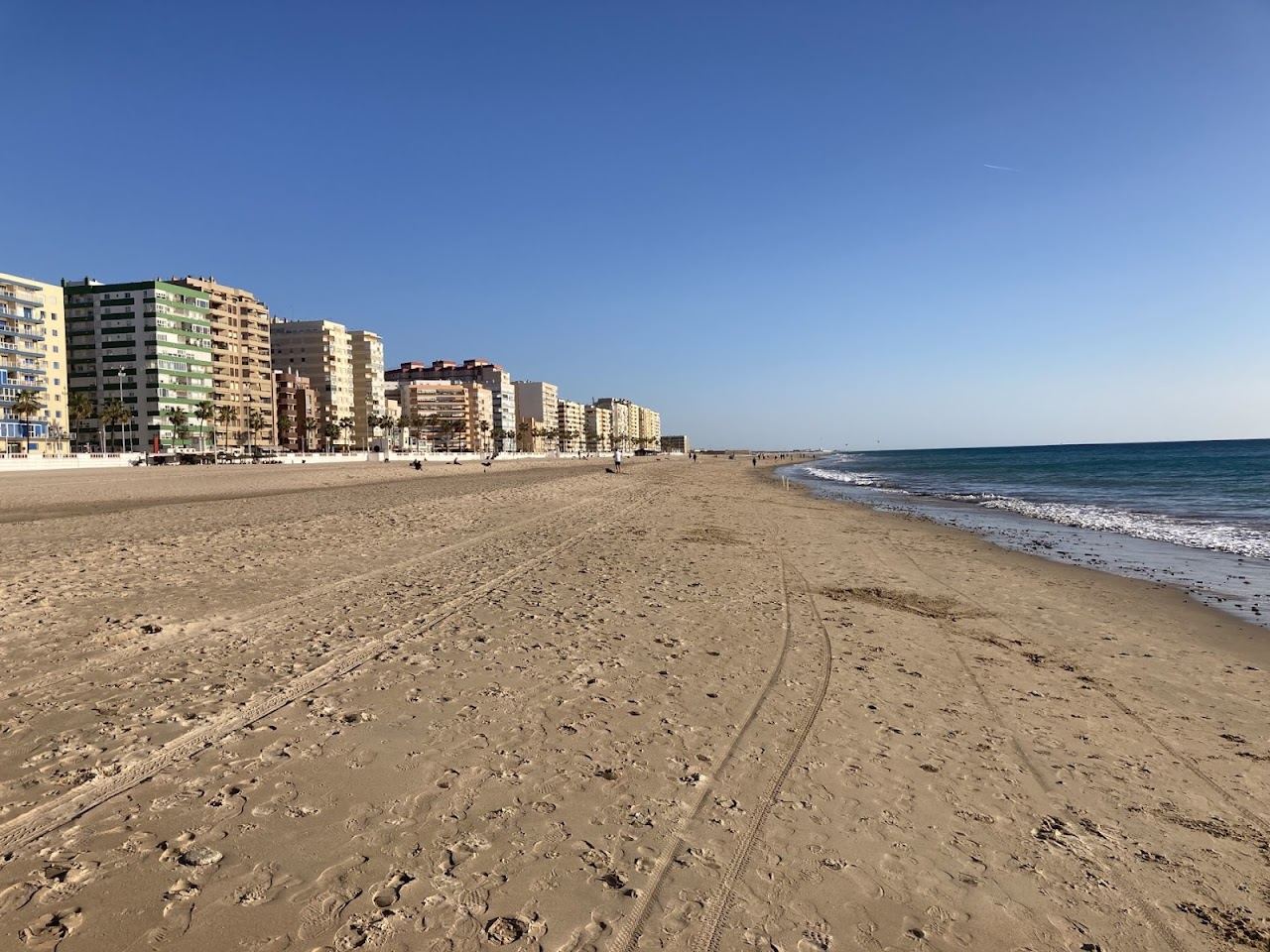
A long wide Atlantic city beach of pale sand and blue water at Playa de la Victoria in Cadiz, SpainPhoto: Silvio Traveler via Google
Cadiz, Spain

Playa de la Victoria

The long Atlantic city beach of ancient Cadiz, La Victoria runs for kilometres of fine pale sand and clean Atlantic water along the edge of one of the oldest cities in Europe, a much loved local beach with a lively promenade and a famously good light. It is a consistent Blue Flag holder and the Atlantic gives it cooler, fresher water than the Mediterranean beaches. It rounds out the list as the great beach of the Costa de la Luz, a real working city beach that keeps its sand clean and its water blue.

AtlanticCity beachLong sand
Honest notes

What the Blue Flag means, and how to use it

The Blue Flag is run by the Foundation for Environmental Education and awarded each bathing season to beaches that pass a checklist of criteria, chiefly excellent bathing water quality measured across the year, but also lifeguards or safety equipment, clean facilities, accessibility, and environmental education and management. It is a meaningful signal that a beach is clean, safe and well run, which is exactly why it reassures families and first time visitors. What it is not is a ranking of beauty, so a flag tells you a beach is well managed, not that it is the loveliest stretch of sand in the country.

Because the award is annual, the single most important caveat is to check the current list before you travel. A beach can lose its flag for a season over a facilities issue or a single water sample and regain it the next year, and a beach that was certified last summer may not be this one, or vice versa. Every beach on this list is a well known and regular holder chosen for genuine quality, but we describe them that way on purpose rather than promising a flag flies on any given day. The official national Blue Flag sites publish the live list each year.

Use the flag as a filter, not a finish line. Some of the most spectacular beaches in Europe carry no Blue Flag at all, simply because they are undeveloped, have no lifeguard or kiosk, or sit inside strict nature reserves, and they are no less clean for it. The flag is most useful when you want certainty, a family beach with a lifeguard and clean facilities and tested water, and least useful as a measure of wild beauty. Conditions are typical rather than guaranteed, and a calm certified beach can still have a rough surf day, so always read the local flags on the sand.

Seasons

Blue Flag beaches by season

The honest read on the calendar across southern Europe, where the Blue Flag bathing season broadly runs late spring to early autumn and the water is warmest from midsummer into October.

The best Blue Flag beaches in Europe, by season
SeasonSea and weatherCrowds and pricesOur take
May and JuneWarming sea, long light, fresh and clearQuiet before the rush, good valueLovely and calm as the season opens
July to AugustHottest and warmest water, peak sunBusiest and dearest, beaches fullGlorious but crowded, arrive early
SeptemberWarm sea, softer heat, settled weatherCrowds thinning, prices easingThe connoisseur's month for warm clean swims
October to AprilCooler, sea cold in winter, many flags downVery quiet, facilities reducedOut of the bathing season for most beaches

Sea conditions and weather are typical and never guaranteed and vary year to year. Beach club daybed rates are confirmed when you enquire.

Questions, answered

Common questions

What is a Blue Flag beach?

A Blue Flag beach is one awarded the Blue Flag by the Foundation for Environmental Education, an international eco label given each bathing season to beaches that meet strict standards on bathing water quality, safety and lifeguards, facilities, accessibility and environmental management. It is a widely recognised sign that a beach is clean, safe and well run, though it measures management rather than natural beauty.

Which European country has the most Blue Flag beaches?

Spain has by far the most Blue Flag beaches in the world, with several hundred certified each year, followed by Greece, then Italy and Portugal. This means a beach holiday in any of these countries offers an enormous choice of certified sand, from city bays to island coves, which is part of why this list draws so heavily on them.

Does a Blue Flag mean a beach is beautiful?

No, and this is the key thing to understand. The Blue Flag certifies clean water, safety and good management, not scenic beauty, so some certified beaches are simply well run city or resort beaches. Equally, some of Europe's most spectacular beaches carry no flag because they are undeveloped and have no lifeguard or facilities. We have ranked for beaches that combine the certification with genuine beauty.

Do Blue Flag beaches change every year?

Yes. The Blue Flag is awarded one bathing season at a time, so a beach can gain or lose it from one year to the next, sometimes over a facilities issue or a single water sample rather than any real decline. For that reason we describe the beaches here as regular and well known holders and recommend you check the current official national list before you travel.

Are Blue Flag beaches good for families?

Very much so, because the criteria reward exactly what families want, clean tested water, lifeguards or safety equipment, good facilities and accessibility. Beaches like Playa de Muro in Mallorca and Faliraki on Rhodes pair that reassurance with shallow, gentle water, which makes the Blue Flag a useful shortlist when you are travelling with children.

When is the Blue Flag bathing season in Europe?

Across southern Europe the bathing season broadly runs from late spring to early autumn, roughly May to October, and most Blue Flags fly through those months when lifeguards are posted and facilities are open. Outside the season many flags come down and facilities reduce, even though the beaches remain open, so the certification is most relevant for summer travel.

Not ready to book?

Keep the good shorelines coming. Shore Notes is our occasional letter on the best beaches and the clubs worth your day, sent straight to your inbox. One field, unsubscribe any time.

Or keep exploring the journal

Reserve your day

Book a beach club in Europe

Tell us where, the date and your party and we will line up the right club daybed or cabana and send you the options to confirm. No charge to enquire.

  • We match you to the right club for the day
  • Daybeds, cabanas and sunbeds
  • Tell us the date and the party size
  • No booking fee to enquire

Independent and honest · 1,340 beaches ranked across 103 destinations · We answer to no resort

  • No obligation
  • We reply within 24 hours
  • Free to enquire

We may earn a commission from some bookings at no cost to you.

Book a beach club