The verdict
- Bottom lineMuscat is the convenient capital with easy city beaches and year round flights, while Salalah is the wild, dramatic south with empty sands and the famous green Khareef, reached on a separate domestic hop
- Choose MuscatFor the simplest logistics, a city to explore alongside calm beaches and reliable winter sun
- Choose SalalahFor raw cliff and cove scenery, far fewer crowds and the surreal green monsoon season from June to September
- One thing to knowSalalah sits about a thousand kilometres south of Muscat. Plan to fly between them, about an hour and a half, rather than drive nine to ten hours
Published 23 March 2026. Last reviewed 17 May 2026
Muscat and Salalah are Oman's two great coastal bases, but they sit at opposite ends of a very long country and feel like different worlds. Muscat, the capital in the north, is the main international gateway and the easy all rounder, a handsome low rise city of mosques, souks and an opera house, fringed by calm beaches on the Gulf of Oman that you can reach in minutes. Salalah, far south in the Dhofar region, is the wild card, a place of dramatic cliffs, blowholes and remote pale sand, best known for the Khareef, the southwest monsoon that turns its hills green and misty while the rest of Arabia bakes.
The first thing to settle is distance, because Salalah lies roughly a thousand kilometres south of Muscat. The sensible way to combine or choose between them is to fly, an easy hour and a half on Oman Air or SalamAir, rather than tackle the nine to ten hour desert drive. After that the choice is about character. Muscat gives you a city with its beaches and the simplest flights and transfers, while Salalah gives you space, drama and the once a year spectacle of a green Arabian coast, in exchange for a little more effort to get around. Here is how they weigh up.
How they compare
| What matters | Salalah | Muscat |
|---|---|---|
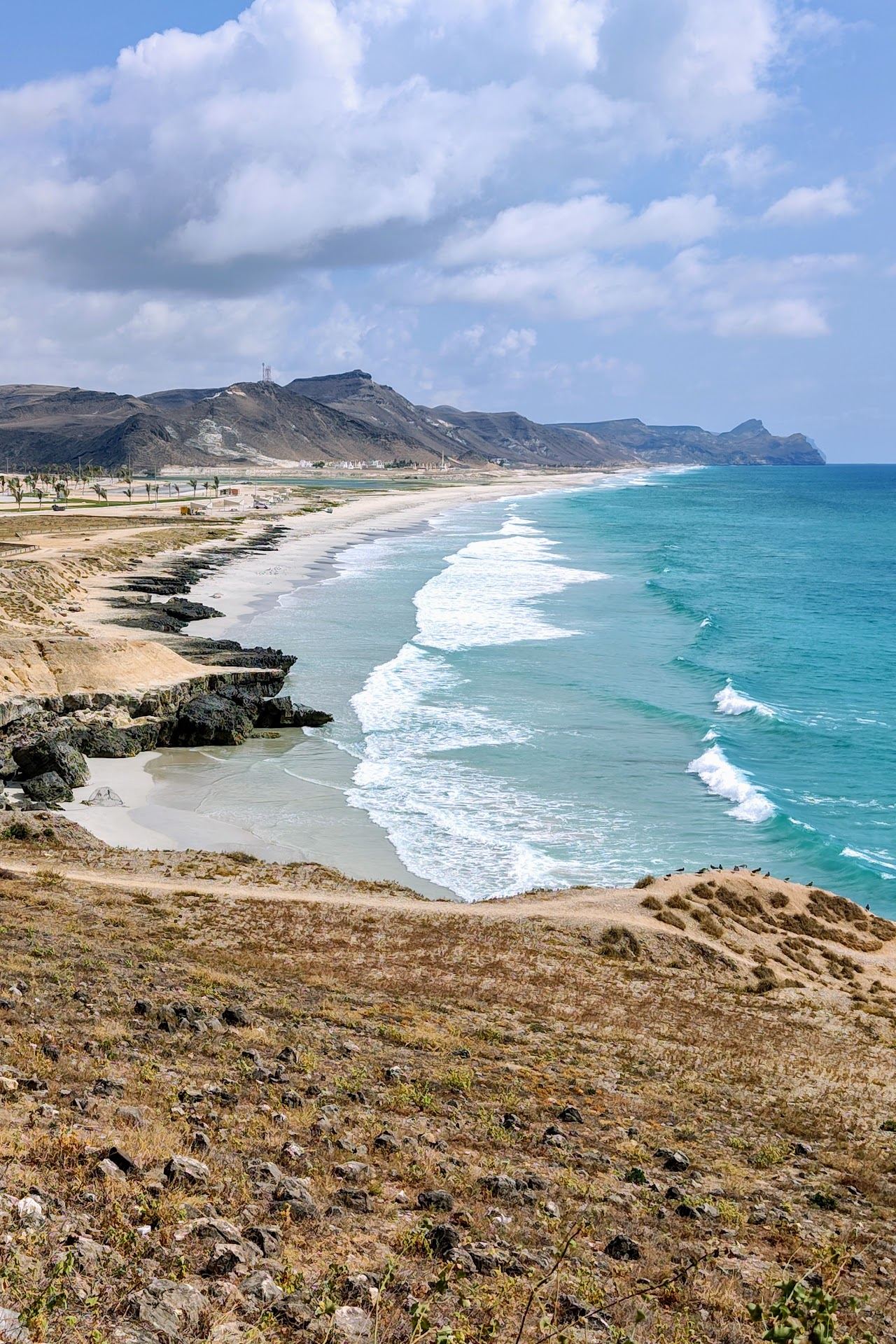
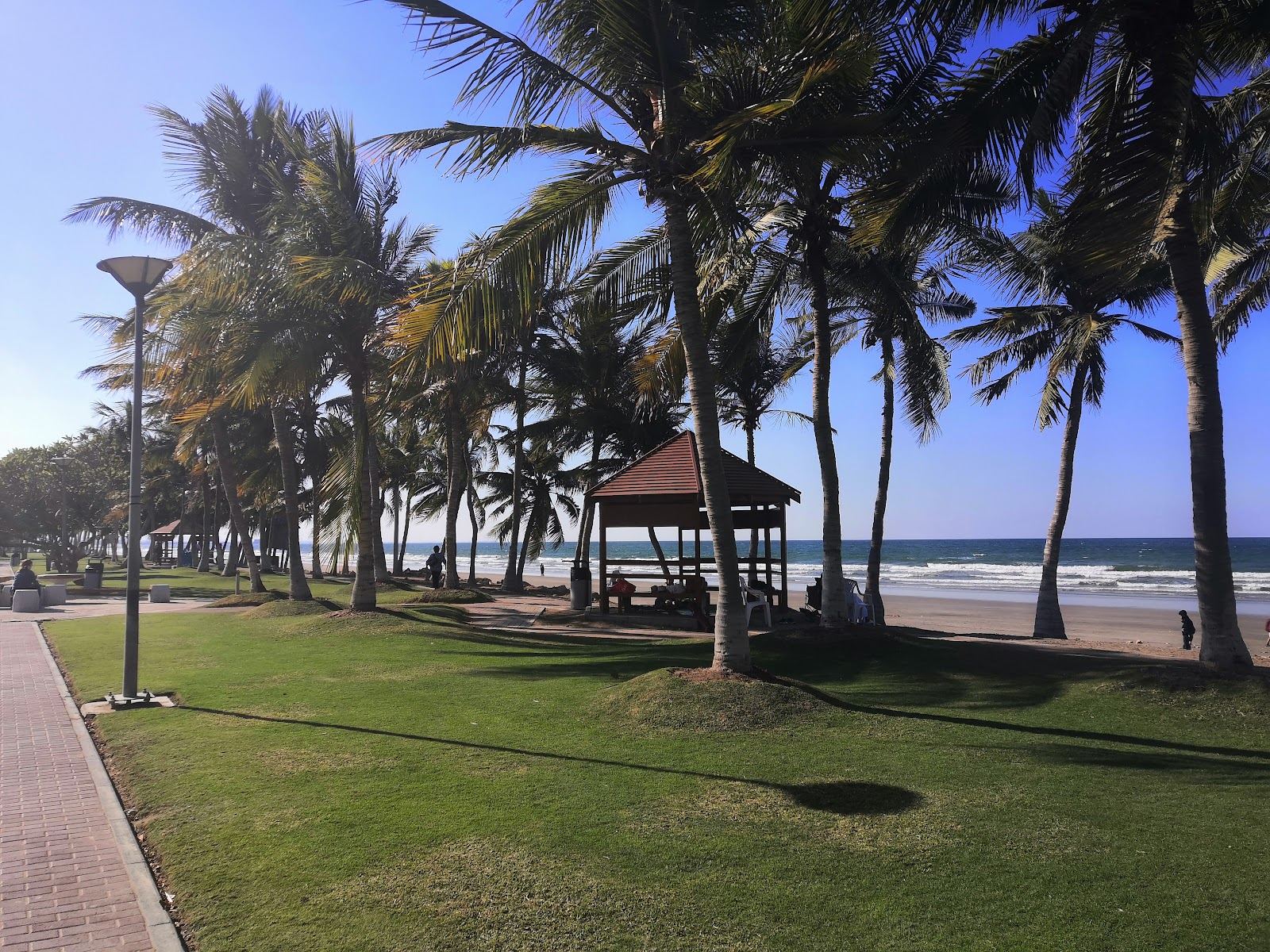
| The beaches | Wild and spectacular, from the cliffs and blowholes at Mughsail to remote Fazayah and the town sands of Al Haffa | Accessible and mostly calm, including Qurum, Al Mouj and the quiet coves around Bandar Khayran |
| Getting there | Usually a domestic flight from Muscat, about an hour and a half, with seasonal regional links | The main international gateway, with the widest choice of direct flights into Oman |
| Getting around | A hire car is close to essential, as the best beaches sit well outside town | Manageable by taxi and ride apps for the city beaches; a car helps for the outer bays |
| The signature season | The green Khareef monsoon from June to September, mild and misty while the Gulf bakes | Best in the cooler winter months; summer is very hot |
| Beyond the beach | Frankincense heritage, Wadi Darbat, the Mughsail blowholes and the Land of Frankincense sites | The Grand Mosque, Mutrah Souq, the Royal Opera House and the corniche |
| Crowds | Quiet outside Khareef, busier with domestic visitors during the monsoon | Steady year round, never overwhelming |
| When to go | October to April for clear swimming, June to September for the green spectacle | October to April for comfortable beach weather |
| Best for | Dramatic scenery, space and something genuinely different | Convenience, city plus beach and reliable winter sun |
Where each coast wins
Wild sands and the green season
Salalah is for travellers who want Oman at its most dramatic and unusual. The Dhofar coast delivers cliffs, blowholes and long empty beaches like Fazayah and Mughsail, backed by frankincense country and the lush valley of Wadi Darbat, and during the Khareef from June to September the hills turn improbably green under a soft sea mist. It takes a hire car and a domestic flight from the north to do it properly, and the monsoon swell means it is more about scenery than glassy swimming, but nowhere else in Arabia looks quite like this. For space, drama and a story to tell, Salalah wins.
City, sea and the easy logistics
Muscat is for travellers who want their beach time without the long haul south. As the capital and main gateway it has the best flight choice into Oman, and its calm Gulf beaches, from the long city sand of Qurum to Al Mouj and the coves near Bandar Khayran, are minutes from your hotel. Add the Grand Mosque, the Mutrah Souq and the Royal Opera House and you get a genuine city break wrapped around a beach holiday, easy to reach and easy to get around. For convenience and a city plus beach combination, Muscat is the natural pick.
Plan your day on the sand
Independent and honest · 1,340 beaches ranked across 103 destinations · We answer to no resort
Salalah vs Muscat, answered
Is Salalah or Muscat better for a beach holiday?
Muscat is the easier choice for most, as the capital and main international gateway, with calm Gulf of Oman beaches, a city to explore and year round flights. Salalah, far south in Dhofar, is the more dramatic and unusual destination, with wild empty beaches and the green misty Khareef season from June to September, but you usually reach it on a separate domestic flight. Choose Muscat for convenience and city plus beach, Salalah for raw scenery and the monsoon greenery.
How do you get from Muscat to Salalah?
The practical way is a domestic flight, roughly an hour and a half with Oman Air or SalamAir, as Salalah sits about a thousand kilometres south of Muscat. Driving is possible but it is a long haul of nine to ten hours each way across the desert, broken by fuel stops, so most beach travellers fly. Confirm schedules directly as domestic timetables and fares change with the season, especially during Khareef.
What is the Khareef season in Salalah?
Khareef is the southwest monsoon that brushes Dhofar from roughly June to September, when light rain and sea mist turn the hills around Salalah a startling green and temperatures stay mild while the rest of the Gulf bakes. It is the region's signature season and draws many domestic and regional visitors, so book ahead. The sea can be rougher and hazier then, so it is more about the green landscape than flat calm swimming. Conditions are typical and never guaranteed.
Which has the better beaches, Salalah or Muscat?
They are different in character. Muscat has accessible, mostly calm beaches strung along the city and nearby bays, such as Qurum, Al Mouj and the coves around Bandar Khayran, easy to reach and good for an everyday swim. Salalah's beaches are wilder and more spectacular, from the cliffs and blowholes at Mughsail to the remote pale sand of Fazayah, but several are harder to reach. Muscat is more convenient, Salalah more breathtaking.
Do you need a car in Salalah and Muscat?
In Salalah a hire car is close to essential, as the best beaches like Fazayah and Mughsail sit well outside town and public transport is limited. In Muscat you can manage with taxis and ride apps for the city beaches, but a car helps for the bays further along the coast. Roads in Oman are good and well signed, which makes self driving straightforward for confident drivers.
When is the best time to visit Salalah and Muscat?
For Muscat, the cooler months from October to April give the most comfortable beach weather, while summer is very hot. Salalah flips this, with its famous draw being the green Khareef from June to September, though October to April is also pleasant and clearer for swimming. Pick Muscat in winter and Salalah either in winter sun or for the monsoon green. Conditions are typical and never guaranteed.