The verdict
- Bottom lineFuerteventura has the biggest, wildest sands and the best wind for sport, while Lanzarote offers prettier sheltered coves, volcanic scenery and more to do beyond the beach. Both stay warm all year
- Choose FuerteventuraFor the Corralejo dunes, the vast Sotavento beaches and the best windsurfing and kitesurfing in the Canaries
- Choose LanzaroteFor the calm turquoise coves of Papagayo, the design and volcano landscapes and a more varied week
- One thing to knowYou do not have to pick. A ferry links Corralejo and Playa Blanca in about twenty five to thirty five minutes, and it carries cars, so a twin island trip is easy
Published 14 February 2026. Last reviewed 6 May 2026
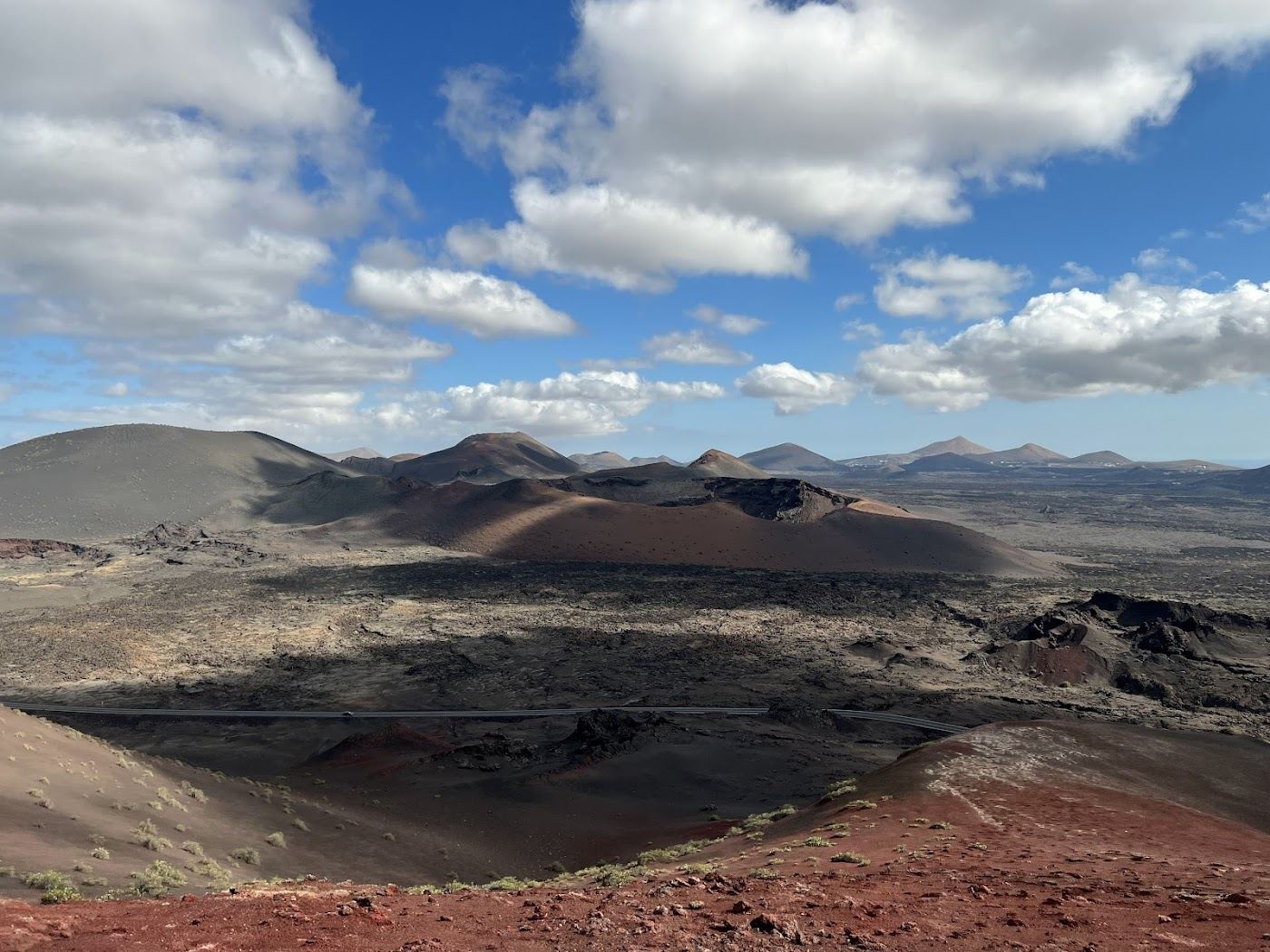
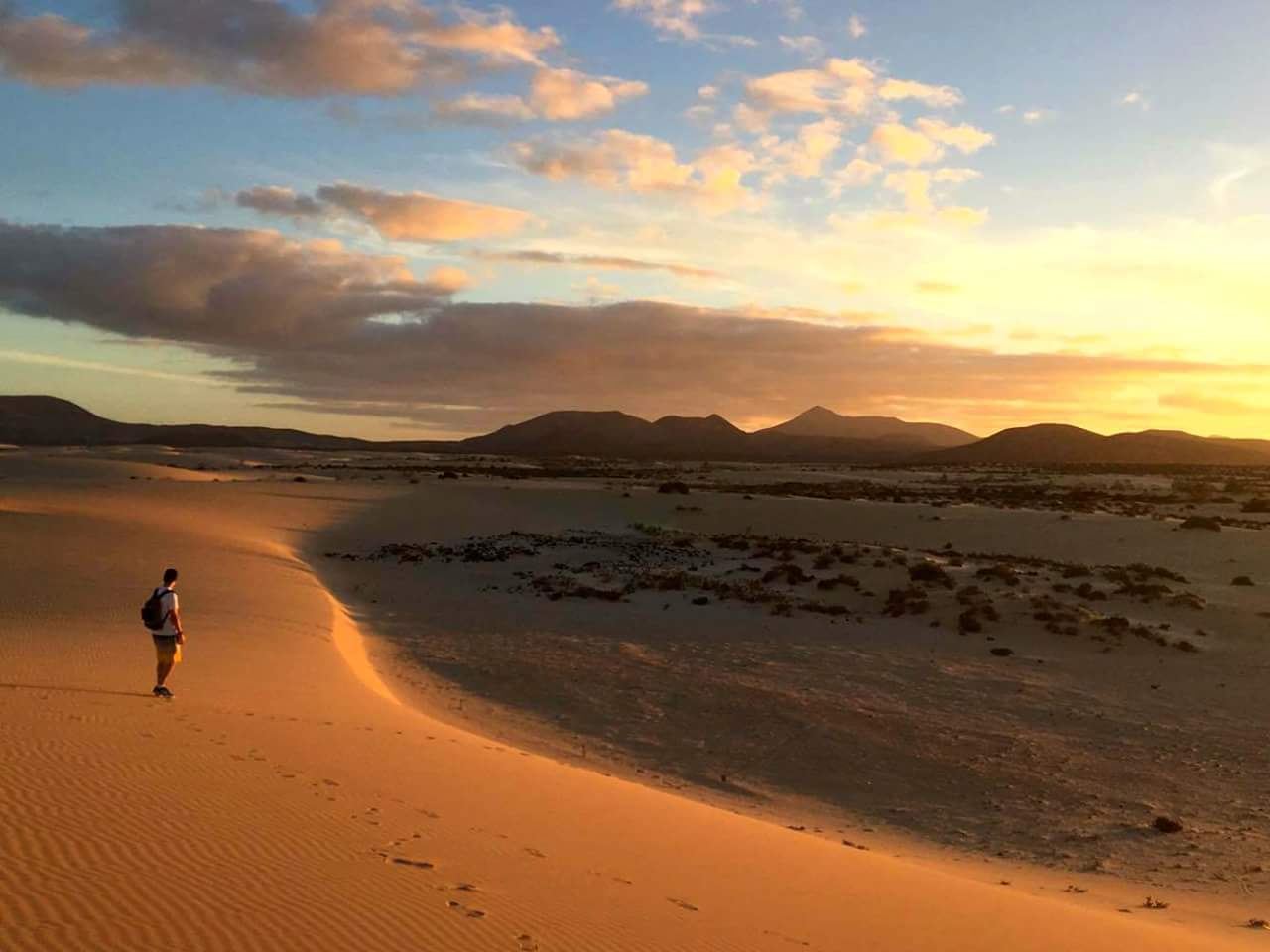
Lanzarote and Fuerteventura are the two easternmost Canary Islands, close enough to see each other across a narrow strait and sharing the same year round warmth that makes them Europe's winter beach reserve. Yet they reward different travellers. Fuerteventura is the beach island in its purest form, flatter and emptier, built around colossal stretches of pale sand like the Corralejo dunes in the north and the Sotavento strands in the south, where the steady wind has made it the windsurf and kitesurf heart of the archipelago. Lanzarote is the more designed and varied of the pair, shaped by the artist Cesar Manrique and its volcanoes, with the sheltered turquoise coves of Papagayo, the wild surf beach of Famara and far more to fill a week beyond the sand.
For the planner, the good news is that you can keep both in play. A fast ferry crosses between Corralejo on Fuerteventura and Playa Blanca on Lanzarote in roughly twenty five to thirty five minutes, with several operators running frequent daily sailings, and it takes cars, so basing yourself near either port makes a twin island trip simple. If you are choosing just one, it comes down to what kind of beach day you want. Want the most spectacular sand and wind for sport, lean Fuerteventura. Want calmer coves and a richer mix of scenery and culture, lean Lanzarote. Here is the full weigh up.
How they compare
| What matters | Lanzarote | Fuerteventura |
|---|---|---|
| The beaches | Sheltered golden coves at Papagayo, the wild surf sweep of Famara and the resort sands of Playa Blanca | The vast Corralejo dunes, the endless Sotavento strands and the remote drama of Cofete |
| The wind | Calmer in the sheltered south, better for still swimming and lazing | Windier overall, world class for windsurfing and kitesurfing |
| Getting there | Arrecife airport, central and a short transfer to most resorts | Puerto del Rosario airport, with short transfers to the main beach bases |
| Getting around | Compact resorts; a car unlocks Papagayo, Famara and the volcanoes | Spread out; a hire car is close to essential for the best beaches |
| Beyond the beach | Timanfaya volcanoes, the Cesar Manrique sites, vineyards and a strong design identity | Quieter and rawer, more about dunes, surf towns and open landscape |
| Combining the two | A fast ferry links Playa Blanca and Corralejo in about twenty five to thirty five minutes and carries cars, so a twin island trip is easy | |
| When to go | Warm and dry all year; spring and autumn are the sweet spot | Warm and dry all year; summer is windiest, ideal for sport |
| Best for | Calmer coves, variety and scenery | The biggest sands and wind sports |
Where each island wins
Calm coves and more to see
Lanzarote is for travellers who want a beach holiday with texture. The sheltered south around Playa Blanca hides the Papagayo coves, a run of golden bays with calm turquoise water that are the island's swimming jewels, while the north has the huge wild sweep of Famara for surfers and walkers. Beyond the sand the island has a strong identity, shaped by the artist Cesar Manrique and the volcanoes of Timanfaya, with vineyards and viewpoints that fill the days you are not on the beach. For variety, scenery and calmer coves, Lanzarote is the rounded pick.
The biggest sands and the wind
Fuerteventura is for travellers who come for the beach itself and little else. It has the most and the best sand in the Canaries, from the dune fields of Corralejo in the north to the seemingly endless Sotavento strands in the south and the wild, road's end drama of Cofete. The steady wind that sweeps these beaches has made the island a global windsurf and kitesurf destination, and the same breeze keeps things from ever feeling crowded. It is flatter and quieter than its neighbour, so bring a car and a sense of space. For pure beach and wind sports, Fuerteventura wins.
Plan your day on the sand
Independent and honest · 1,340 beaches ranked across 103 destinations · We answer to no resort
Lanzarote vs Fuerteventura, answered
Is Lanzarote or Fuerteventura better for a beach holiday?
Fuerteventura has the bigger, wilder sands and is the windsurf and kitesurf capital of the islands, with the Corralejo dunes and the vast Sotavento beaches. Lanzarote is the more varied and design led island, with the sheltered turquoise coves of Papagayo, volcanic scenery and the wild surf beach of Famara. Choose Fuerteventura for the longest beaches and wind sports, Lanzarote for prettier coves and more to see beyond the sand.
Can you visit both Lanzarote and Fuerteventura on one trip?
Yes, and it is easy. A fast ferry links Corralejo in the north of Fuerteventura with Playa Blanca in the south of Lanzarote in around twenty five to thirty five minutes, with several operators and frequent daily sailings, and you can take a hire car across. That makes a twin island trip very doable, basing yourself in the south of Lanzarote or the north of Fuerteventura. Confirm timetables directly as they vary by season.
Which island is windier, Lanzarote or Fuerteventura?
Fuerteventura is generally the windier of the two, which is exactly why its southern Sotavento beaches and the Corralejo area are world class for windsurfing and kitesurfing. Lanzarote also gets the trade winds, but its Papagayo coves in the sheltered south stay calmer and are better for flat water swimming and sunbathing. If you want still air for lazing, lean Lanzarote; if you want wind for sport, Fuerteventura delivers.
Which has the best beaches, Lanzarote or Fuerteventura?
Fuerteventura wins on sheer scale and quality of sand, with the dunes of Corralejo, the endless Sotavento strands and the remote drama of Cofete among the finest beaches in the Canaries. Lanzarote answers with the photogenic golden coves of Papagayo near Playa Blanca and the huge wild sweep of Famara. For pure beach, Fuerteventura edges it, while Lanzarote offers more variety per mile.
Do you need a car in Lanzarote or Fuerteventura?
A hire car helps on both, and on Fuerteventura it is close to essential, since the best beaches like Cofete and the Sotavento strands are spread out and some need a rough track or a long drive. On Lanzarote the resorts are more compact, but a car still unlocks Papagayo, Famara and the Timanfaya volcanoes. Roads on both islands are good and quiet, which makes self driving simple.
When is the best time to visit Lanzarote and Fuerteventura?
Both islands are warm and dry all year, which is their great selling point, so even winter brings mild beach days. Spring and autumn give the most comfortable balance of warmth and lighter crowds, while summer is hottest and breeziest. The wind is steadiest in summer, good for sport but less ideal for still sunbathing. Conditions are typical and never guaranteed.