The verdict
- Bottom lineTenerife is the stronger pick if a classic beach day is the point, with golden imported sand at Las Teresitas, a string of southern resort beaches and dependable sun; Madeira has far fewer sand beaches and trades them for volcanic swimming pools, pebble coves and some of the best walking in the Atlantic
- Choose TenerifeFor real sand and reliable sun in the south, family friendly resort beaches, and the high volcanic drama of Teide a short drive inland
- Choose MadeiraFor dramatic green landscape, the lava pools at Porto Moniz, the levada walks and a slower, quieter island that is more about the coast than lying on it
- One thing to knowMadeira is not a sand beach island; its best swimming is in natural rock pools and small coves, and for wide natural sand most visitors cross to neighbouring Porto Santo
Published 24 March 2026. Last reviewed 27 May 2026
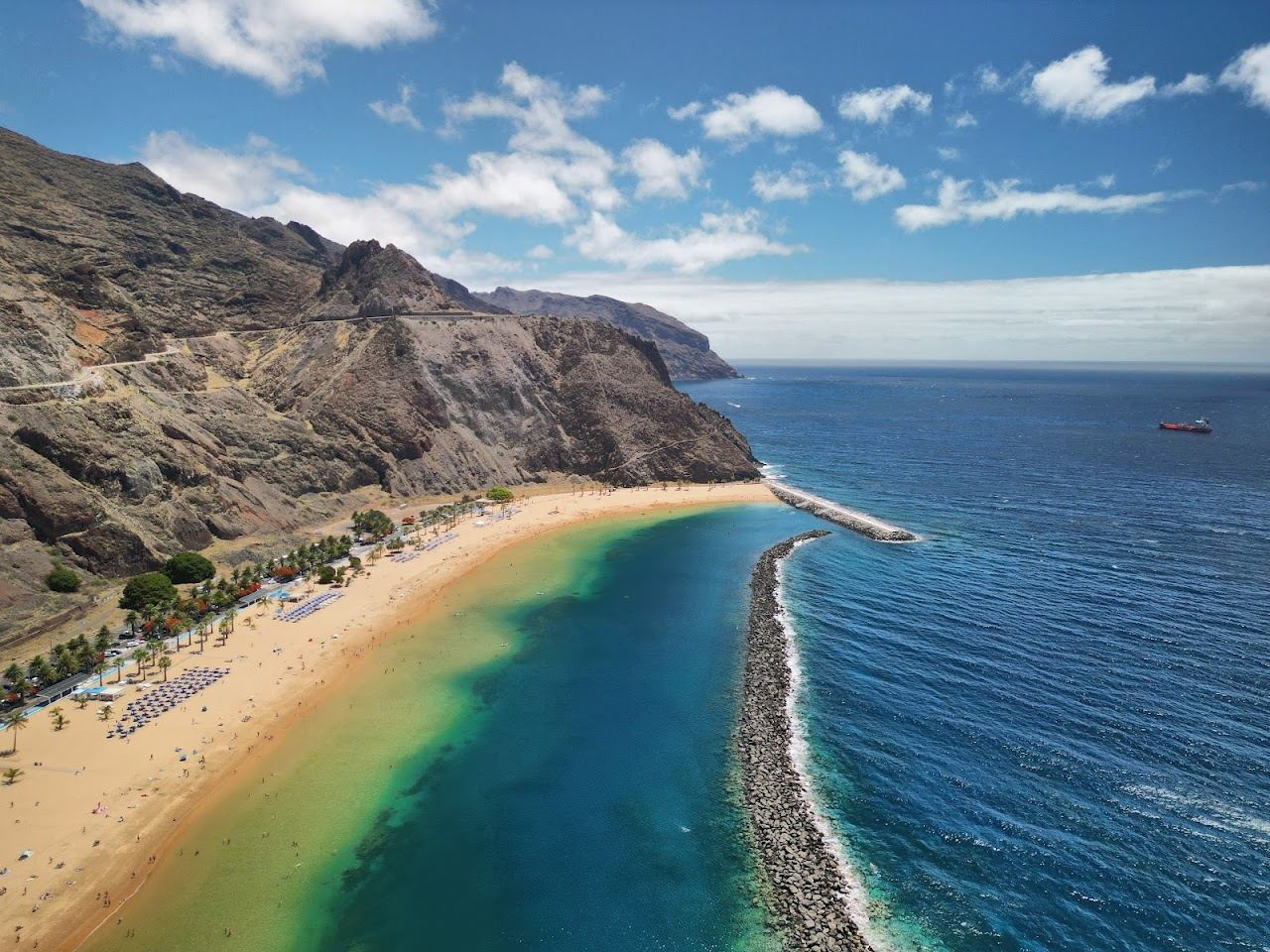
Both islands rose out of the Atlantic from the same volcanic fire, both stay mild the year through, and both get sold as winter sun escapes, yet they reward almost opposite holidays. Tenerife is the one built for the beach in the conventional sense. Its dry, sunny south is lined with resort sand, from the family friendly El Duque to the long open stretch of La Tejita below its red cinder cone, and across the island at Las Teresitas the city of Santa Cruz has its own honey coloured sweep, made with sand brought in and sheltered behind a breakwater. Inland the land climbs to Teide, the highest peak in Spain, so a morning on the sand and an afternoon among lunar lava fields is an easy day.
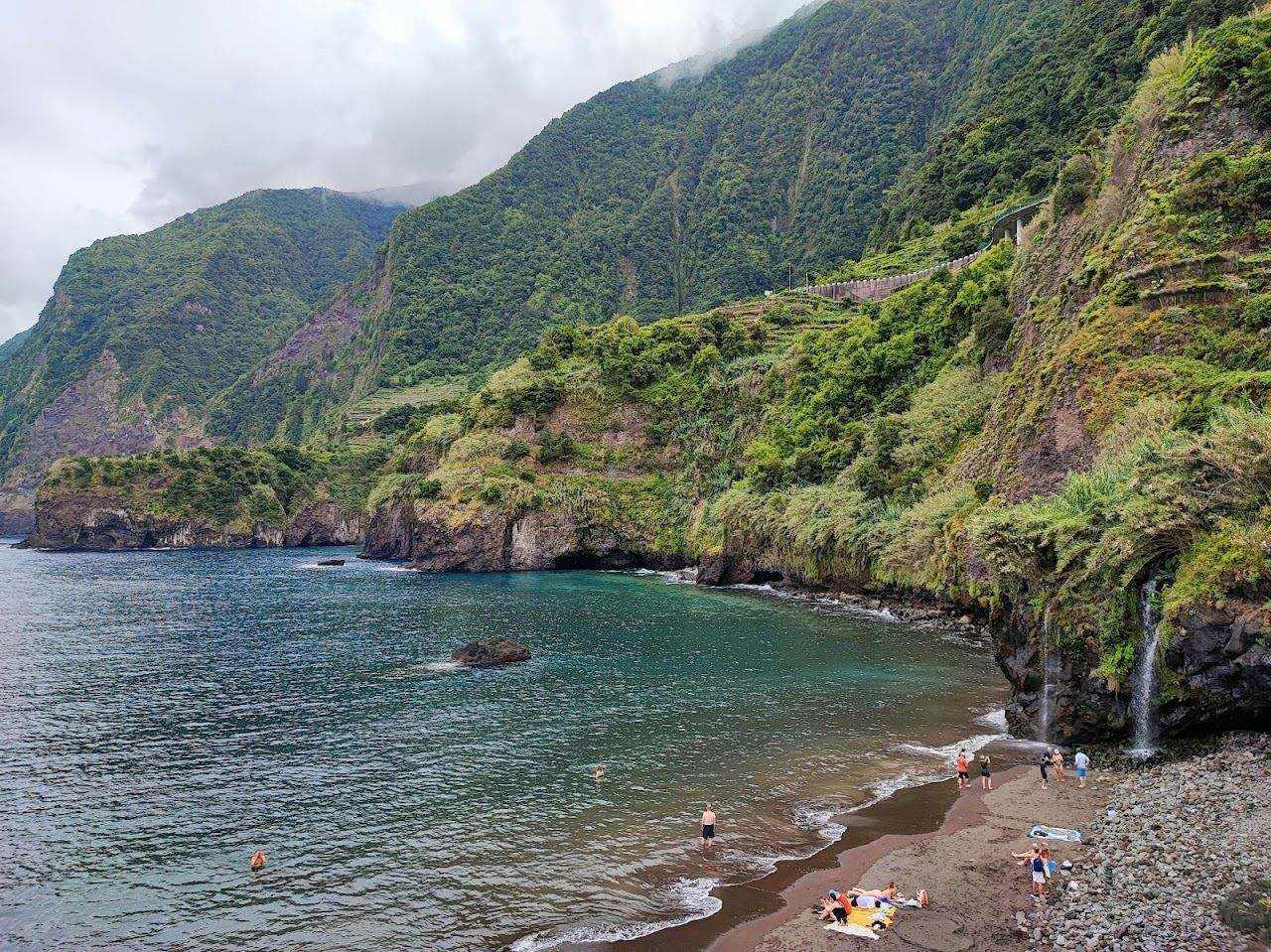
Madeira asks you to rethink what a beach island is. It has remarkably little sand of its own, and the slow traveller learns quickly that its swimming lives elsewhere, in the natural lava pools at Porto Moniz where the sea fills basins in the black rock, in pebble coves like Praia Formosa and Garajau, and at the one engineered patch of golden sand at Calheta. What it offers in exchange is landscape, the famous levada trails threading the green mountains, heart stopping sea cliffs and a quiet that the bigger resort islands have largely traded away. The honest way to choose is to ask whether you want to lie on sand under reliable sun, which points to Tenerife, or to walk a dramatic green coast and swim in rock pools, which points to Madeira.
How they compare
| What matters | Madeira | Tenerife |
|---|---|---|
| The beaches | Few natural sand beaches; pebble coves at Praia Formosa and Garajau, imported sand at Calheta, wide sand on neighbouring Porto Santo | Golden imported sand at Las Teresitas, southern resort beaches like El Duque and Fanabe, open La Tejita and black sand at Benijo |
| Swimming | Centred on natural lava pools, above all Porto Moniz, plus sheltered coves | Easy resort swimming on sheltered southern sand, calmest behind the Las Teresitas breakwater |
| Sun and weather | Mild but greener and cloudier, especially in the north and the hills | The dry south is the reliable winter sun coast on either island |
| Walking and nature | The headline act, levada trails, laurel forest and dramatic sea cliffs | High volcanic landscapes around Teide and the Anaga forests in the north |
| Look and feel | Quieter, slower and more scenic, less about the resort strip | Busier and more developed in the south, with big resort infrastructure |
| Crowds | Generally calmer, with fewer beach crowds by nature of the coast | Busy in the southern resorts, quieter in the wild north and east |
| Cost | Good value, with fewer mega resorts | A wide range, from package value in the south to upmarket Costa Adeje |
| Best for | Walkers, slow travellers and rock pool swimmers | Beach days, families and reliable winter sun |
Where each island wins
Lava pools, levadas and quiet
Madeira is the island for travellers who measure a coast by more than its sand. Its swimming is its own thing, the natural pools at Porto Moniz where the Atlantic surges into basins of black lava, the pebble coves at Praia Formosa and Garajau, and the single golden cove at Calheta for those who want a towel and umbrella day. Step back from the water and the real reward appears, the levada trails that follow centuries old water channels through laurel forest and along cliff edges, with cloud spilling over green ridges. It is slower, greener and quieter than its Canarian neighbour, and for the walker who swims rather than the sunbather who strolls, nothing in the region beats it.
Real sand, reliable sun and Teide
Tenerife is the safer bet when the holiday is built around the beach itself. The dry south delivers dependable sun and a run of sheltered resort sands, from the manicured El Duque to family friendly Fanabe and the long, open La Tejita under its red cinder cone, while across the island Las Teresitas gives Santa Cruz a honey coloured city beach behind a calm breakwater. The variety extends to the wild, with the black volcanic sand of Benijo in the north and the high lunar landscapes of Teide a short drive inland. For travellers who want to actually lie on sand under steady sun, with big nature within reach, Tenerife answers more cleanly.
Plan your day on the sand
Independent and honest · 1,340 beaches ranked across 103 destinations · We answer to no resort
Madeira vs Tenerife, answered
Is Madeira or Tenerife better for a beach holiday?
Tenerife is the better choice if classic beach days are the priority, with golden imported sand at Las Teresitas and resort beaches in the south, plus reliable sun. Madeira has far fewer natural sand beaches and leans on volcanic swimming pools, pebble coves and the imported sand at Calheta, but it rewards walkers and slow travellers with dramatic scenery. Choose Tenerife for beaches and sun, Madeira for landscape and quiet.
Does Madeira have good beaches?
Madeira is a volcanic island with few traditional sand beaches. Its swimming is centred on natural lava pools such as Porto Moniz, pebble and shingle coves like Praia Formosa and Garajau, and the small golden sand beach at Calheta, which was created with imported sand. For wide natural sand the nearby island of Porto Santo is the better bet. Conditions are typical and never guaranteed.
Which island is sunnier, Madeira or Tenerife?
The sunny, dry south of Tenerife is generally the more reliable for beach weather, especially in winter, while Madeira can be cloudier and greener, particularly in the north and over the mountains. Both enjoy mild Atlantic temperatures year round. Microclimates matter on both islands, so the south coast is usually the safer bet for sun on either. Conditions are typical and never guaranteed.
Which is better for walking and nature, Madeira or Tenerife?
Madeira is the standout for walking, with its famous levada trails threading the mountains and laurel forest, plus dramatic sea cliffs. Tenerife also walks well, above all around Teide, Spain's highest peak, and the Anaga forests in the north. For green, water laced trails Madeira leads; for high volcanic landscapes Tenerife is hard to match.
When is the best time to visit Madeira and Tenerife?
Both are year round islands. For beach focused trips the warmest sea and most settled weather tend to run from late spring through autumn, while winter stays mild and is popular for sun and walking, especially in the south of Tenerife. Madeira is green and walkable across the seasons. Conditions are typical and never guaranteed.