Cleopatra Beach, Alanya
The verdict
- Best for: Travellers who want the best sand in central Alanya, with calm clear water, a Blue Flag and everything in town within a short walk.
- Best spot: The quieter western half of the bay, away from the central cafe strip, where the same fine sand runs on with more room.
- Know this: The legend is the hype and the sand is the substance, so dodge the high summer crush by coming early or in the shoulder months.
Published 11 February 2026. Last reviewed 23 March 2026
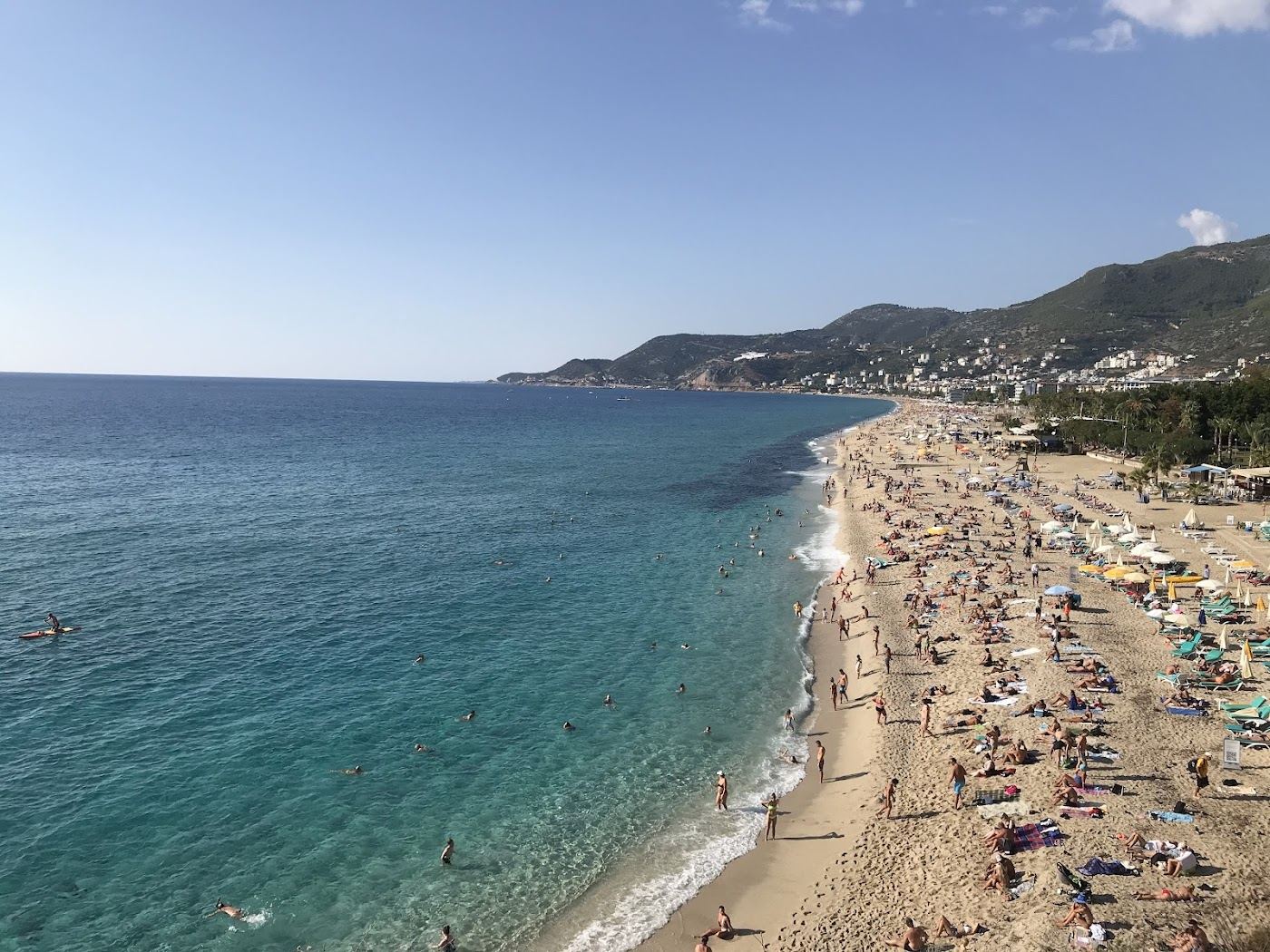
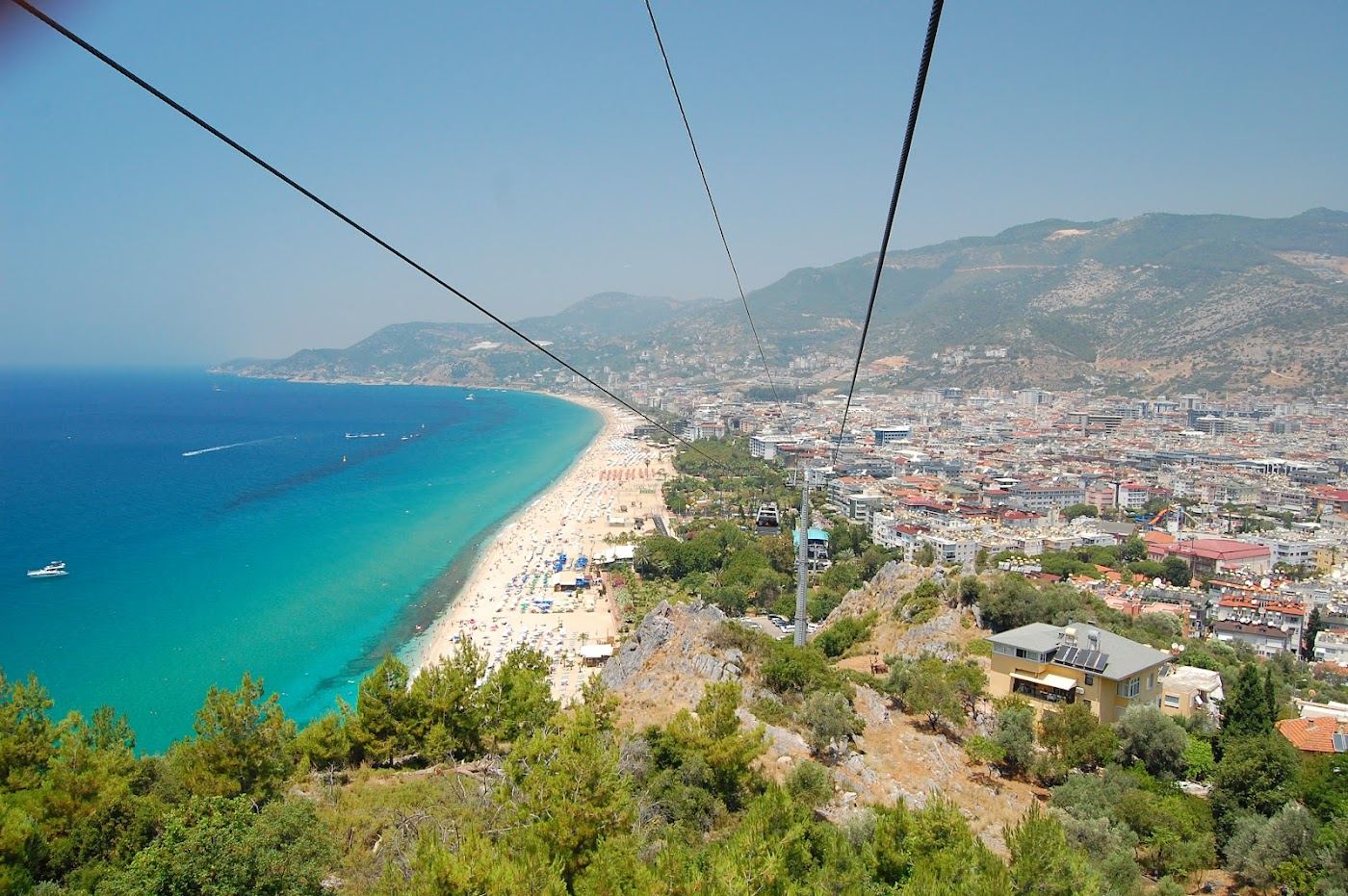
Cleopatra is the famous one, and for once the fame is earned. This is a long curve of pale, fine sand running west from the castle headland, with clear water that shelves gently and a Blue Flag for its quality. The legend ties the place to Cleopatra herself, carried here as a gift, and you will hear it repeated all along the front. Take the story lightly. The real reason to come is underfoot, the softest and most generous sand in central Alanya, with the castle rising green and dramatic above the bay.
The honest catch is people. The central section, in front of the cafe strip and near the Damlatas end, fills fast through the summer and is wall to wall loungers in July and August. The simple cure is to walk. Head west along the bay and the same sand keeps going with steadily more room, until you can lay a towel without queuing for it. Better still, come in the shoulder months, when the water is still warm and the beach breathes again. Early morning is the naturalist's hour, the sand cool and quiet, the light low on the castle and the water at its glassiest.
It suits anyone who wants a proper sandy town beach with calm swimming and every comfort close by, and it works well for families given the gentle entry, though watch children near the water as you would anywhere. Who should think twice is the traveller chasing a wild, empty shore in peak season, because at its busiest this is a town beach in full swing. For that, the pine backed sweep of Incekum to the west, or the long quieter run of Keykubat east of the headland, are the better calls.
Clubs on this beach
Cleopatra is a public beach lined with cafes and seasonal sunbed hire rather than a single gated club. For a full club day with daybeds, see our Alanya beach clubs directory.
Beachfront cafes and sunbed hire
The promenade behind Cleopatra is a long run of cafes, snack bars and hotel terraces, with sunbeds and parasols set out on the sand in season. Operators, opening hours and any charges vary by section and time of year and are to be confirmed. It is convenience and table service rather than a gated beach club.
No single gated club on the sand
Cleopatra keeps the character of an open town beach, so there is no one flagship club fencing off the shore. The pleasure here is the free public sand, the Blue Flag water and the walkable old town behind it. For cabanas and a structured club day, look to the wider Alanya scene.
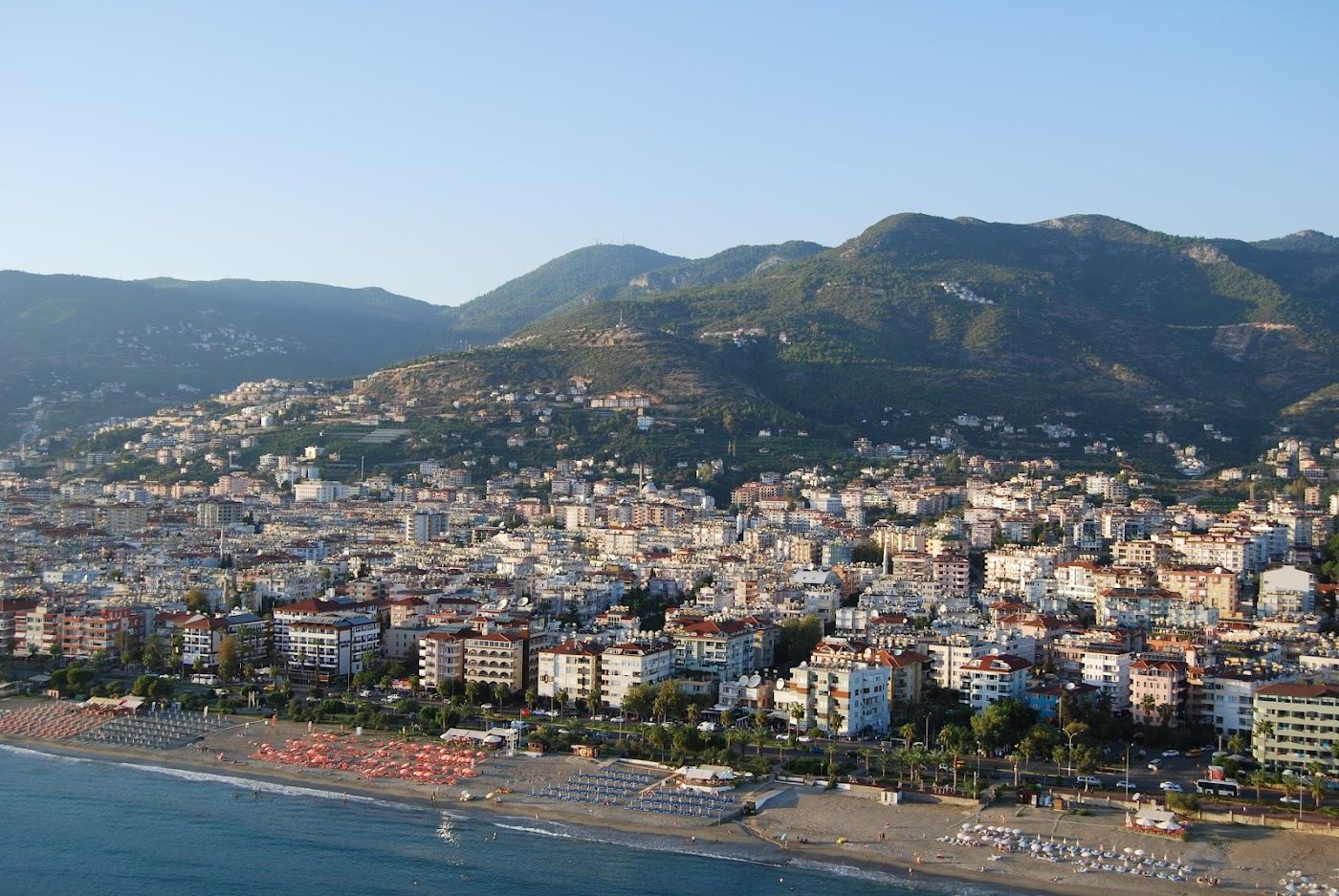
Cleopatra Beach sits on the western side of the castle headland in central Alanya, a short and walkable distance from the old town, the harbour and the Damlatas cave. The city is about two hours by road from Antalya airport and roughly forty five minutes from the smaller Gazipasa Alanya airport, with frequent dolmus minibuses and taxis running along the coast road to the beachfront.
Street parking near the central beach is tight in season, so arriving early or coming on foot from town is the easier move. Bring sun cream, water and cash for the cafes and sunbed hire, and if you want quiet sand, walk west along the bay or come in the cool of the morning before the strip fills up.
Not ready to book?
Keep the good shorelines coming. Shore Notes is our occasional letter on the best beaches and the clubs worth your day, sent straight to your inbox. One field, unsubscribe any time.
Reserve a day at Cleopatra
Tell us the date and party and we will match you to a club or sunbed terrace on or near Cleopatra Beach and pass on your request. No charge to enquire.
Independent and honest · 1,340 beaches ranked across 103 destinations · We answer to no resort
Common questions
Is Cleopatra Beach in Alanya worth it?
Yes. It carries a famous name and a tall legend, but the substance is real, a long sweep of pale, fine sand with clear, calm water and a Blue Flag, the best sand in central Alanya. The honest catch is the high summer crowds in front of the cafe strip, so come in the shoulder months or walk west along the bay for room to breathe.
Is Cleopatra Beach free to use?
Yes. The beach itself is a free public Blue Flag beach, with open stretches of sand alongside areas where sunbeds and parasols are hired in season. Rates for loungers vary by operator and time of year and are to be confirmed, so a towel on the public sand is always the budget option.
Is the water calm at Cleopatra Beach?
Typically yes through the summer. The bay below the castle is usually calm and clear, with fine sand underfoot and a gentle shelf that suits steady swimmers and families. Brief wind and small swell can stir the water on changeable days, so check the daily picture. Conditions are typical and never guaranteed, and there is no swimming safety promise.
When is the best time to visit Cleopatra Beach?
May, June, September and October are ideal, with warm sea, kind sun and a fraction of the peak crowds. The sea holds its warmth into October, so early autumn is a quiet pleasure. In July and August come early in the morning or walk west of the busy central section for space.
How do I avoid the crowds at Cleopatra Beach?
Two simple moves work. Arrive early, before the cafe strip fills, and walk west away from the central section near Damlatas, where the same sand runs on with far fewer people. Travelling in the shoulder months rather than the August peak makes the biggest difference of all.