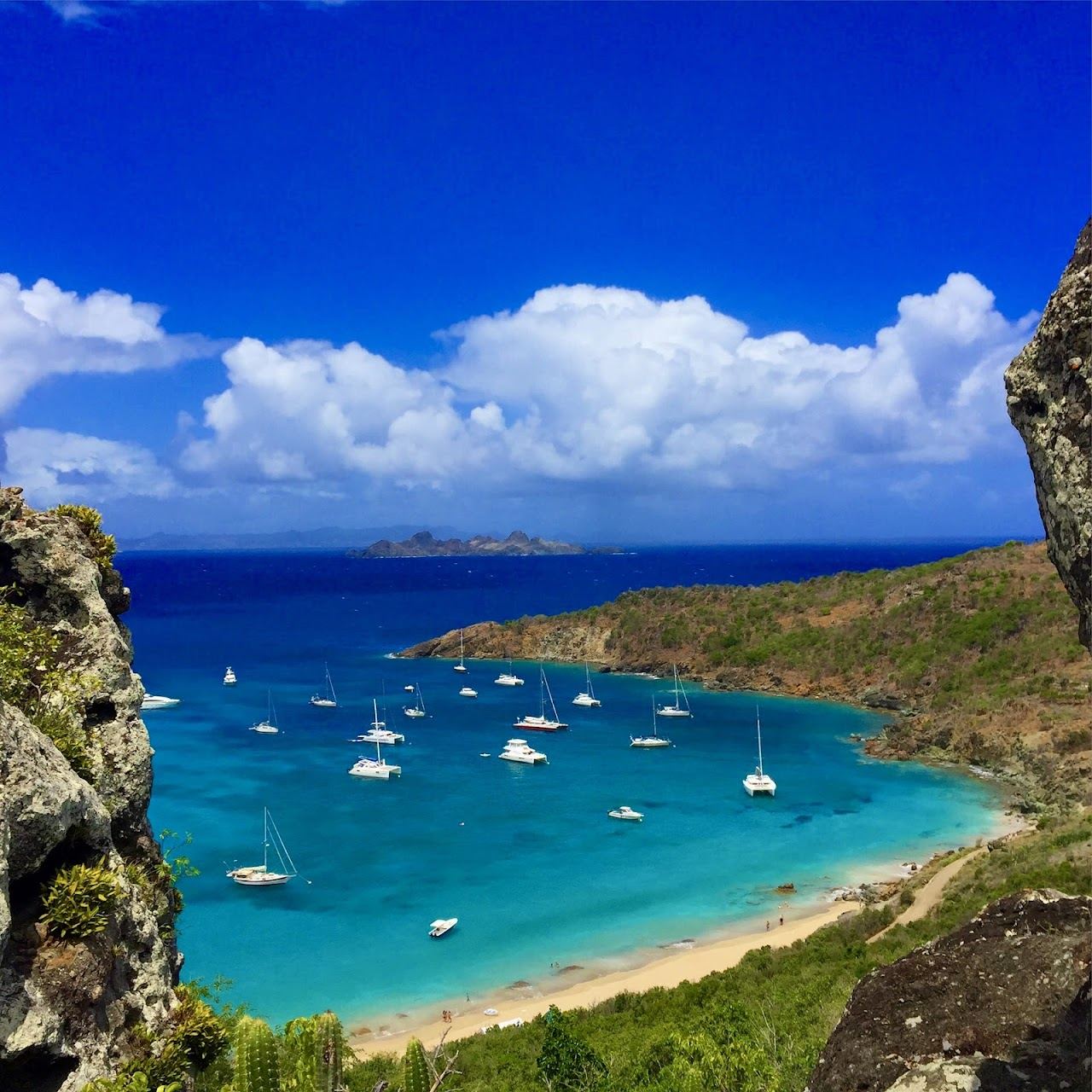
Colombier Beach
Best for. Active families and couples who want a calm, uncrowded reserve beach with excellent snorkelling and do not mind a scenic hike or a boat ride to earn it.
Best spot. The calm protected water along the rocks at either side of the cove, where the marine reserve keeps the fish, turtles and starfish thick for snorkelling.
Know this. There is no road, no shade to speak of and no facilities at all, so this is a pack in and pack out beach that rewards preparation and punishes turning up empty handed.
Colombier, or Anse de Colombier to give it its full name, is the beach St Barths keeps for people willing to work for it. Tucked around the island's north west tip with no road anywhere near it, this calm protected cove can only be reached by boat or on foot down a coastal trail, and that single fact shapes everything. Where much of St Barths is polished and easy, Colombier is quiet, wild and blissfully uncrowded, a curve of pale sand and clear reserve water with yachts swinging at anchor offshore. For a family that fancies a small adventure rather than a drive up beach, it is one of the most rewarding half days on the island.
The way in is the whole story, so plan it honestly. The gentler and more scenic route is the coastal path that begins at the far end of Anse des Flamands, running past Petite Anse before descending to the cove in around twenty to thirty minutes. It is not a hard hike but it is a real one, on uneven ground with little shade and a climb back at the end, so proper shoes, water and sun cover matter, and it is better suited to families with children who can manage a walk than to those with toddlers and a lot of gear. There is a second, steeper path from the viewpoint at the end of the Colombier road, and of course you can simply arrive by boat, which many do. However you come, remember there is nothing at the bottom. No cafe, no toilets, no rentals and almost no shade, so whatever you want for your time on the sand has to come in on your back.
Once you are down, the payoff is real. Colombier sits inside the Saint Barthelemy marine reserve, so fishing is banned and the underwater life is thriving, which makes the snorkelling here some of the best on the island, with reef fish, turtles and starfish in calm clear water right off the sand. The cove is sheltered and usually gentle, good for an easy family swim, though with no lifeguard and real remoteness you swim within your limits and keep children close. Settle in for a few hours, snorkel the edges, share the picnic you carried in, watch the sailboats, then walk or motor back out. Pack in, pack out, take your rubbish with you, and Colombier gives you the rarest thing on a busy little island, a beautiful calm beach with hardly anyone on it.
A reserve cove, not a club beach
Colombier is protected, roadless and deliberately undeveloped, so there is no club here at all, and that solitude is exactly why you come.
There is no beach club, bar or lounger hire at Colombier, and there never could be, since the cove has no road and sits inside a marine reserve. That is the entire appeal. Where much of St Barths is about being seen, Colombier is about escaping the scene, so you bring your own picnic and shade and trade service for solitude. For a family that usually means a cooler bag, a beach umbrella carried in and a genuinely peaceful stretch of sand to yourselves.
When you do want the polished St Barths beach club day, a sun lounger, a long lunch and a cocktail by the water, the island's famous clubs sit on the easy, road served beaches such as Saint Jean, Gouverneur and the Grand Cul de Sac lagoon. Our St Barths beach clubs guide covers the ones genuinely worth booking, and we can help arrange a table or a bed. The smart itinerary pairs a wild morning at Colombier with a club lunch on one of those beaches later, the best of both sides of the island.
The roadless north west tip
Colombier sits on the north west tip of St Barths with no road to the sand, so you arrive on foot or by boat. The most enjoyable route is the coastal trail from the far end of Anse des Flamands, a scenic walk of around twenty to thirty minutes past Petite Anse and down to the cove. A steeper path drops from the viewpoint at the end of the Colombier road, and many visitors simply come by boat and anchor in the bay. Drive to Flamands or the trailhead, then walk in from there.
Plan for full self sufficiency, since there is nothing at the beach. Bring water, snacks, sun cover, proper shoes and your own snorkel gear, and start earlier in the day to beat the heat on the exposed trail. Keep an eye on children on the path and in the water, since there is no lifeguard and help is not close. Carry out everything you carry in, including your rubbish, to keep the reserve as pristine as you found it, and check the forecast in the late summer hurricane season.
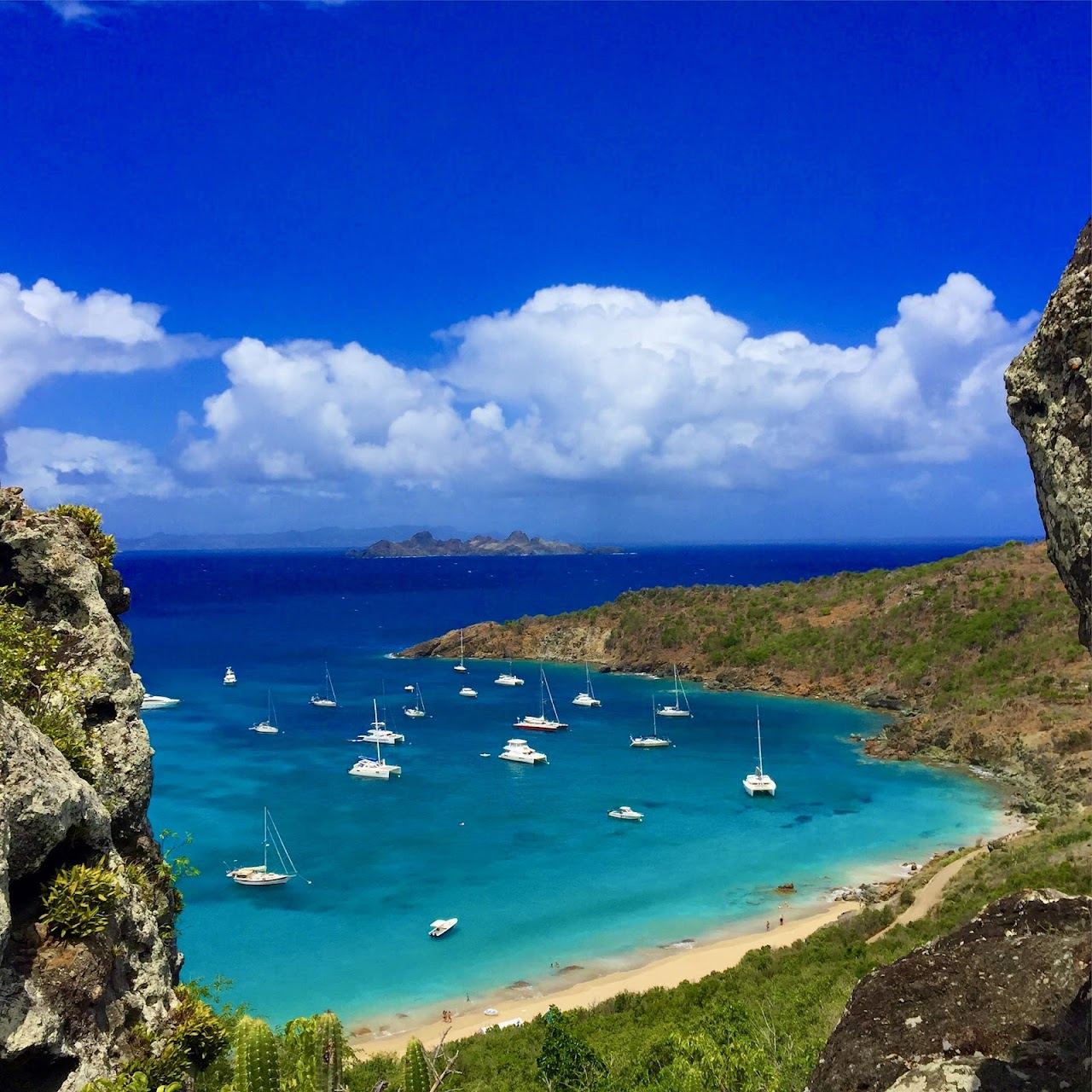 Photo: Chris via Google
Not ready to book?
Keep the good shorelines coming. Shore Notes is our occasional letter on the best beaches and the clubs worth your day, sent straight to your inbox. One field, unsubscribe any time.
Book a beach club
Colombier is a wild reserve cove with no club, but tell us your dates and party size and we will help arrange a lounger or lunch at one of the St Barths beach clubs on the easier beaches. We reply by email.
Independent and honest · 1,340 beaches ranked across 103 destinations · We answer to no resort
We are an independent editorial resource. Booking requests are passed to clubs and operators, and some may earn us a commission at no cost to you. Prices, availability and opening status are set by the venue and are to be confirmed at the time of booking.
Common questions about Colombier Beach
How do you get to Colombier Beach on St Barths?
There is no road to Colombier, so you reach it only by boat or on foot. The most scenic route is the coastal hiking trail from the far end of Anse des Flamands, which takes around twenty to thirty minutes past Petite Anse before descending to the cove. A steeper path drops from the viewpoint at the end of the Colombier road, and many visitors arrive by boat and anchor in the calm bay.
Are there any facilities at Colombier Beach?
None at all. There are no restaurants, toilets, showers or rentals at Colombier, and almost no shade. The nearest facilities are around twenty minutes away by foot at Petite Anse and Anse des Flamands. This is a pack in and pack out beach, so bring plenty of water, snacks, sun cover and your own snorkel gear, and plan to carry everything, including your rubbish, back out with you.
Is the snorkelling good at Colombier Beach?
Yes, it is some of the best on the island. Colombier lies within the Saint Barthelemy marine reserve, where fishing is banned, so the underwater life is thriving. In the calm clear water off the sand you can expect plenty of reef fish, sea turtles and starfish. Bring your own mask and snorkel, since nothing is available to hire at the beach, and snorkel the sheltered edges of the cove.
Can you swim at Colombier Beach?
Usually yes. The cove is sheltered and part of the reserve, so the water is typically calm and clear, which makes for easy family swimming and snorkelling. There is no lifeguard, though, and the beach is remote, so help is not close at hand. Swim within your limits, keep children close, and use good judgement on the day, since conditions are typical only and never guaranteed.
Is Colombier Beach suitable for families with children?
It suits active families with children who can manage the coastal walk better than those with toddlers and lots of gear. The reward is a calm, uncrowded reserve beach with excellent snorkelling. The demands are the hike, the total lack of facilities and shade, and the remoteness with no lifeguard. If you would rather not carry everything in on foot, arriving by boat makes a family visit much easier.
When is the best time to visit Colombier Beach?
The dry season from December to April brings the reliable sunshine and calm seas St Barths is famous for, and the exposed coastal hike is far more comfortable outside the hottest, most humid months. Mornings are cooler for the walk and often calmest for snorkelling. Late summer into autumn is the Atlantic hurricane season, so if you visit then, watch the forecast closely before setting out.