Kabalana Beach, Sri Lanka
The verdict
- Best for: Confident surfers who want a serious reef wave, plus beach goers happy to watch the lineup from the sand and swim with care on calmer days.
- Best spot: The peak at The Rock for experienced surfers, with the open sand to either side for sunbathing and a careful swim when the sea is settled.
- Know this: The Rock is a powerful wave with a long paddle and a local crew, so it is not a beginner spot; less experienced surfers are better at Weligama or Ahangama town.
Published 4 February 2026. Last reviewed 19 February 2026
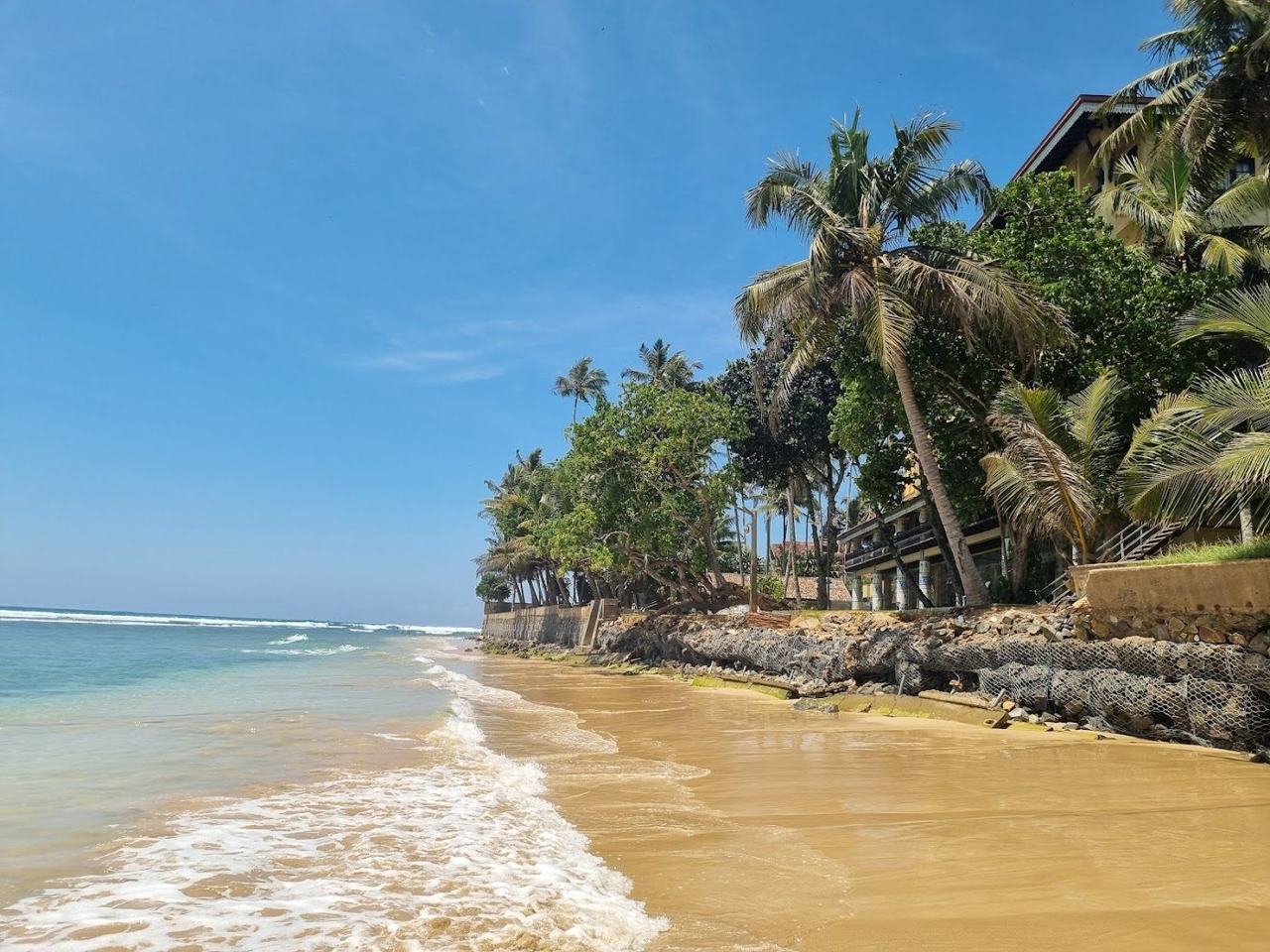
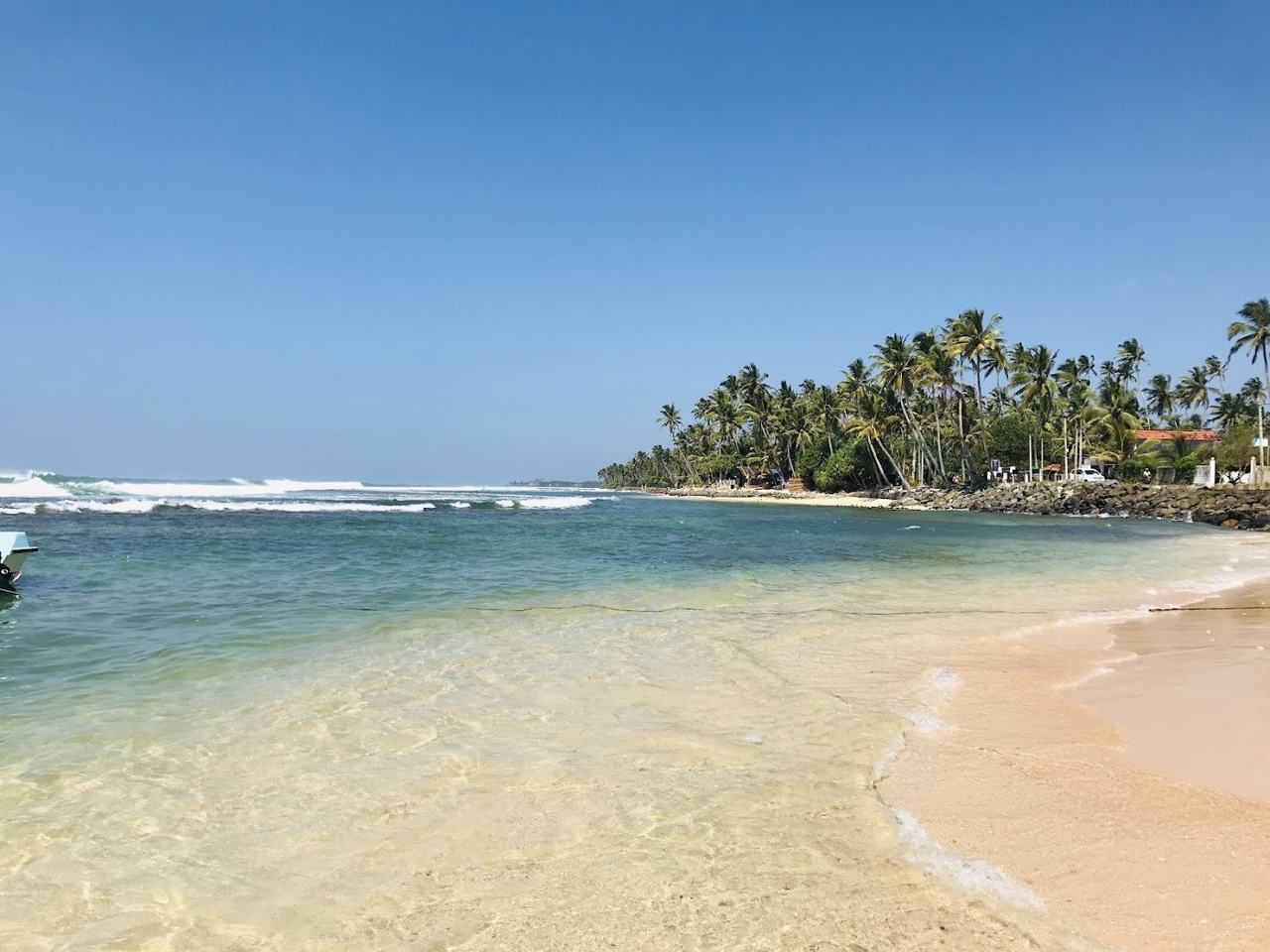
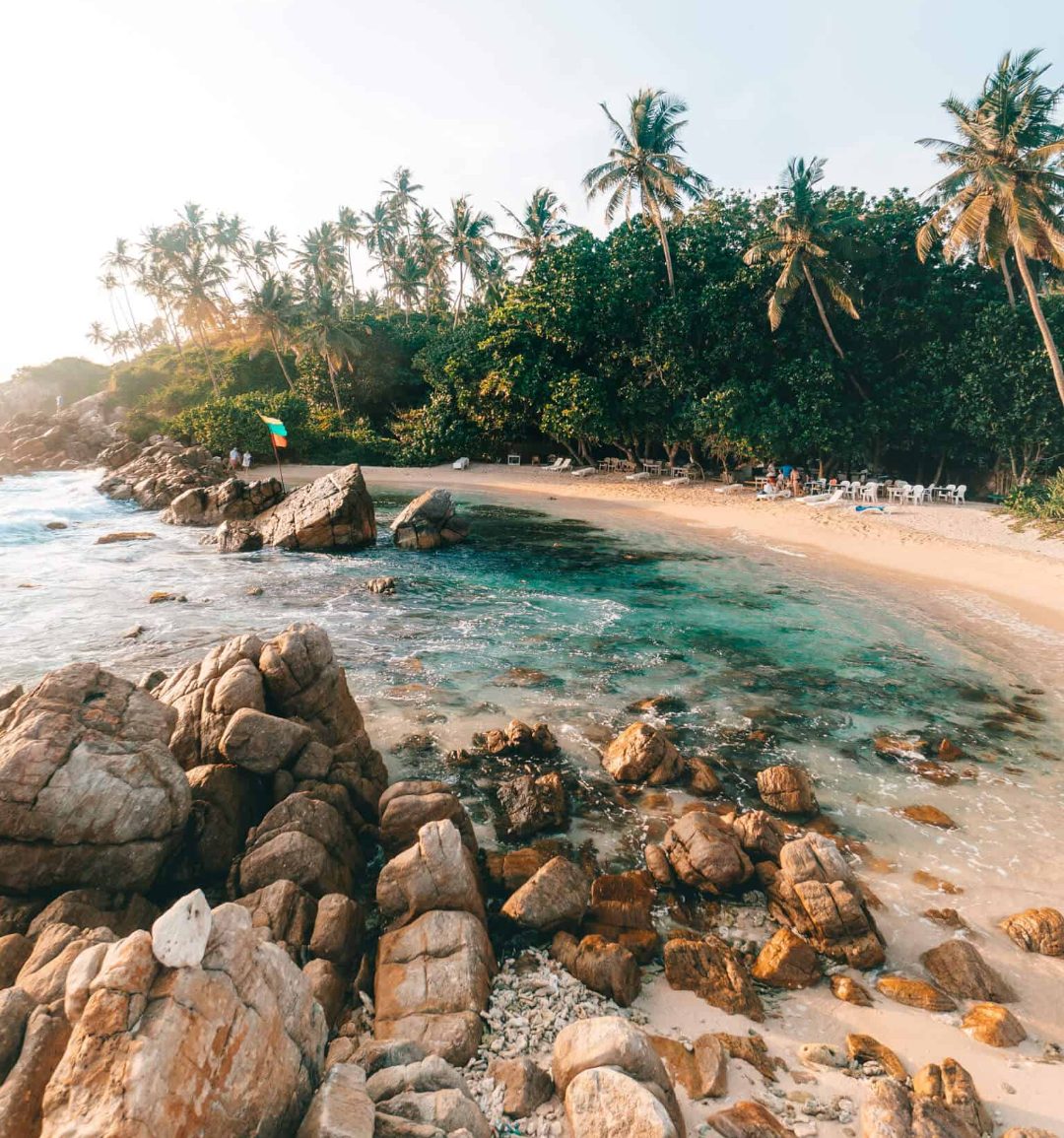
Kabalana is where the south coast surf scene gets serious. Sitting at the western edge of Ahangama, it is a short, pretty strip of white sand that most people come to for one thing: The Rock, the reef peak that breaks offshore in front of the beach and gives the area one of its most reliable and powerful waves. On a good swell it is a clean, fast wall of water with a distinctive rock framing the lineup, and it draws a confident crew who know the spot well.
The beach itself is compact and lined with surf camps and cafes rather than hotels, which gives it an easy, board carrying, flat white between sessions kind of feel. For surfers who can handle a reef peak it is a genuine highlight of the coast, with a long paddle out, a channel to use and rides that reward timing and commitment. For everyone else, the sand to either side of the peak is a fine place to sit, watch the surfers and swim carefully when the sea lies down.
The honest note is that The Rock is not a learner wave and does not pretend to be. It is powerful, the paddle is long, and there is a local and expat crew with little patience for surfers who are out of their depth, so beginners and shaky intermediates should cut their teeth at Weligama or in the gentler beach breaks around Ahangama town first. Read it for what it is, a confident surfer's wave with a relaxed beach attached, and Kabalana is one of the most rewarding stops on the south coast.
Clubs near this beach
Kabalana is a surf camp and cafe beach rather than a bottle service beach club. Named club style venues of the south coast feature in our directory.
Surf camps and cafes at Kabalana
Kabalana is served by surf camps, board rentals and casual cafes around the beach rather than a beach club, in keeping with its surfer character. Access, rates and any minimum spend are to be confirmed.
No bottle service club on the sand
Kabalana is a working surf beach rather than a large bottle service beach club. For named club style venues along the coast, see our directory.
Kabalana lies at the western end of Ahangama, between Galle and Matara on the south coast, roughly two and a half hours from Bandaranaike International Airport by the Southern Expressway, traffic depending. Many visitors base in Ahangama for several days of surf rather than passing through.
Most people arrive by car, taxi or tuk tuk and stay at one of the surf camps near the sand. The dry season from November to April is the time to come for the best surf, and conditions are typical and never guaranteed.
Not ready to book?
Keep the good shorelines coming. Shore Notes is our occasional letter on the best beaches and the clubs worth your day, sent straight to your inbox. One field, unsubscribe any time.
Reserve a day at Kabalana Beach
Kabalana is a surf beach of camps and cafes rather than a club beach, but tell us your date and party and we will point you to the named club style venues along the south coast. No charge to enquire.
Independent and honest · 1,340 beaches ranked across 103 destinations · We answer to no resort
Common questions
Is Kabalana Beach good for beginner surfers?
Not really. The headline wave, The Rock, is a powerful reef peak with a long paddle and a local crew, so it suits confident and experienced surfers. Beginners are far better off learning at Weligama or in the gentler beach breaks around Ahangama town, with lessons from independent operators whose rates are to be confirmed.
What is The Rock at Kabalana?
The Rock is the reef peak that breaks offshore in front of Kabalana Beach, named for the distinctive rock by the lineup. It throws a fast left and a shorter right and is one of the more consistent and powerful waves on the south coast, best for experienced surfers in the dry season.
Is Kabalana safe for swimming?
The beach faces open swell with current near the reef, so it is not a guaranteed easy swim. The sand to either side of the peak is fine for a careful dip when the sea is calm, but swim within your depth, follow local advice and treat it as an open ocean beach; conditions are typical and never guaranteed.
Where is Kabalana and how do I get there?
Kabalana is at the western edge of Ahangama between Galle and Matara, roughly two and a half hours from the airport by the Southern Expressway. Most visitors arrive by car or tuk tuk and base in Ahangama for several days.
When is the best time to surf Kabalana?
The dry season from November to April brings the cleanest and most consistent surf to the south coast, including The Rock. The southwest monsoon from May brings bigger, messier seas into September, when the spot is quieter but harder to read.