Sham Beach, Ras Al Khaimah
The verdict
- Best for: Slow travellers and couples who want a wild, empty beach with mountain drama and no scene, and who are happy to bring everything they need.
- Best spot: The quiet sand away from the fishing harbour, at first light or sunset, for the stillest water and the best colour on the mountains.
- Know this: Sham is unspoiled and has no services on the sand, and it sits near the Oman border in the far north, so plan ahead and tread lightly.
Published 15 April 2026. Last reviewed 7 May 2026
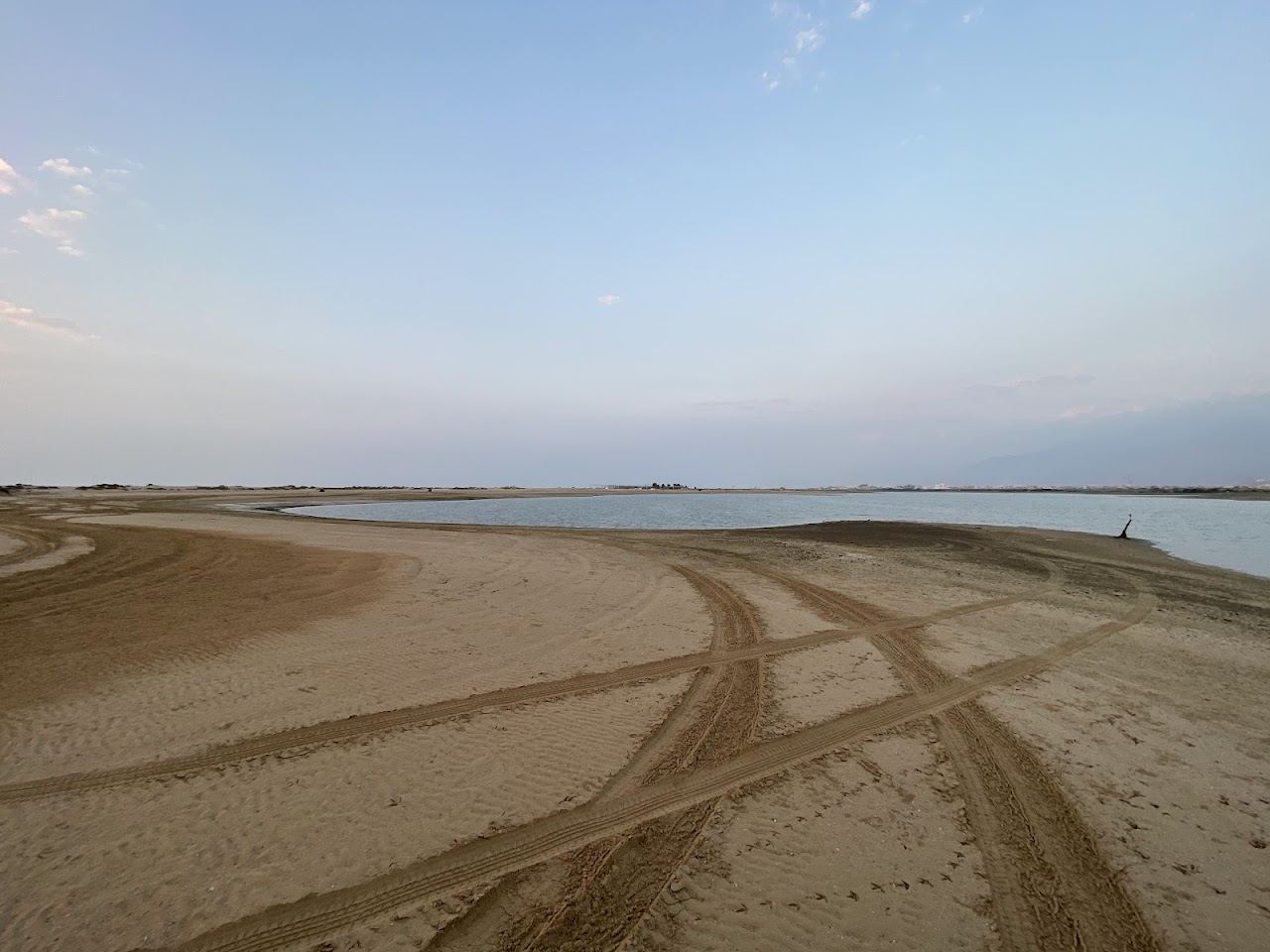
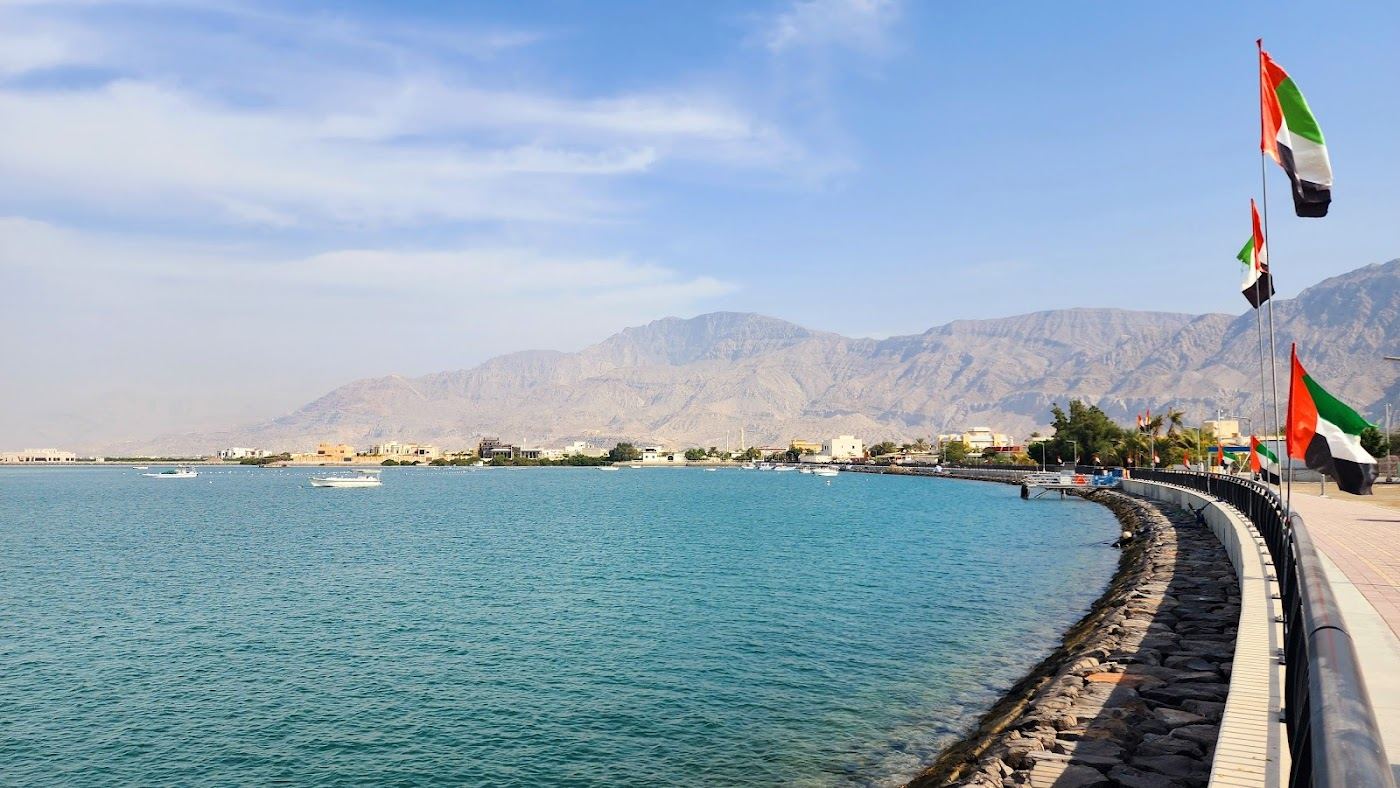
Sham is the last beach before the mountains close the coast at the Oman border, and it is one of the wildest, quietest shores in the country. Set beside a working fishing village in the far north of Ras Al Khaimah, this stretch of around 900 metres of natural sand sits beneath the steep Hajar mountains, unspoiled by development, with nothing on it but the sea, the sand and the boats. For anyone who measures a beach by how far it is from a crowd, Sham is a find.
The romance here is solitude. The water runs clear and calm on a typical day, the mountains glow at the edges of the hours, and fishing and sailing boats drift offshore where dolphins are sometimes seen. It is a beach for a couple who want a long, quiet walk and a swim with no one in sight, or for a slow traveller who would rather have wild nature than a serviced shore. The further you walk from the harbour, the more it feels like your own.
The honest read is that Sham gives you nothing but nature, which is the point. There are no services on the sand, no lifeguard cover to rely on, and the far northern location near the border means a longer drive and a need to plan ahead. Bring water, shade and everything you need, leave the working coast as you find it, come for the cool months and the soft hours, and treat the conditions as typical rather than guaranteed.
Clubs on this beach
Sham is an unspoiled public beach with no club on the sand. For loungers and table service, the Al Marjan and Al Hamra resort clubs are a long drive to the south and sit in our directory.
No club on the sand
Sham is a wild, unspoiled beach with no club and no services on it, which is exactly its appeal. For a daybed and full service, the resort clubs to the south are the nearest option.
Nearby resort clubs
The Al Marjan Island and Al Hamra shore well to the south bring the emirate's resort beaches and day passes, all listed in our Ras Al Khaimah directory.
Sham, also written Shaam, lies in the far north of Ras Al Khaimah near the Sultanate of Oman border, where the Hajar mountains run down to the Gulf beside a long standing fishing village. It is roughly an hour and a half by car from Dubai and a clear drive north of Ras Al Khaimah city, on the last stretch of open coast before the mountains.
There are no services here, so arrive fully prepared with water, sun protection, shade and any food you want, and aim for the early morning or the sunset hour for the stillest water and the best light. Swim with care as there is no lifeguard cover, keep clear of the working harbour, and plan your visit for the cooler months from November to April.
Not ready to book?
Keep the good shorelines coming. Shore Notes is our occasional letter on the best beaches and the clubs worth your day, sent straight to your inbox. One field, unsubscribe any time.
Reserve a day at Sham Beach
Sham is a wild, unspoiled northern swim with no club on the sand. Tell us your date and party and we will point you to a daybed at a resort club on the Al Hamra shore or Al Marjan Island to the south. No charge to enquire.
Independent and honest · 1,340 beaches ranked across 103 destinations · We answer to no resort
Common questions
Is Sham Beach free?
Yes. Sham is a free, unspoiled public beach in the far north of Ras Al Khaimah, so you simply walk on with a towel and no club spend. There are no services on the sand, so bring water, food and shade, and treat it as wild nature rather than a serviced beach.
Where is Sham Beach in Ras Al Khaimah?
Sham, also written Shaam, is in the far north of the emirate near the Sultanate of Oman border, beside a fishing village where the Hajar mountains meet the Gulf. It is roughly an hour and a half by car from Dubai, on the last open stretch of coast before the mountains close in.
Can you see dolphins at Sham Beach?
Sometimes. Sham is a fishing and sailing village where dolphins and marine life are seen offshore at times, and a quiet watch from the calm shore gives you the best chance. There is no guarantee on any given day, so treat a sighting as a gift rather than a certainty.
Is Sham Beach safe for swimming?
The water is clear and calm on most days, which makes it gentle for a swim, but there is no known lifeguard cover on this unspoiled stretch, so swim with care and watch children closely. Conditions are always typical rather than guaranteed, so use common sense and follow any signs.
When is the best time to visit Sham Beach?
The cool months from November to April are the season, with comfortable days, calm seas and the best chance of dolphins offshore. Aim for first light or sunset for the stillest water and the best mountain colour, and treat the fierce summer heat from June to September with shade and an early start.