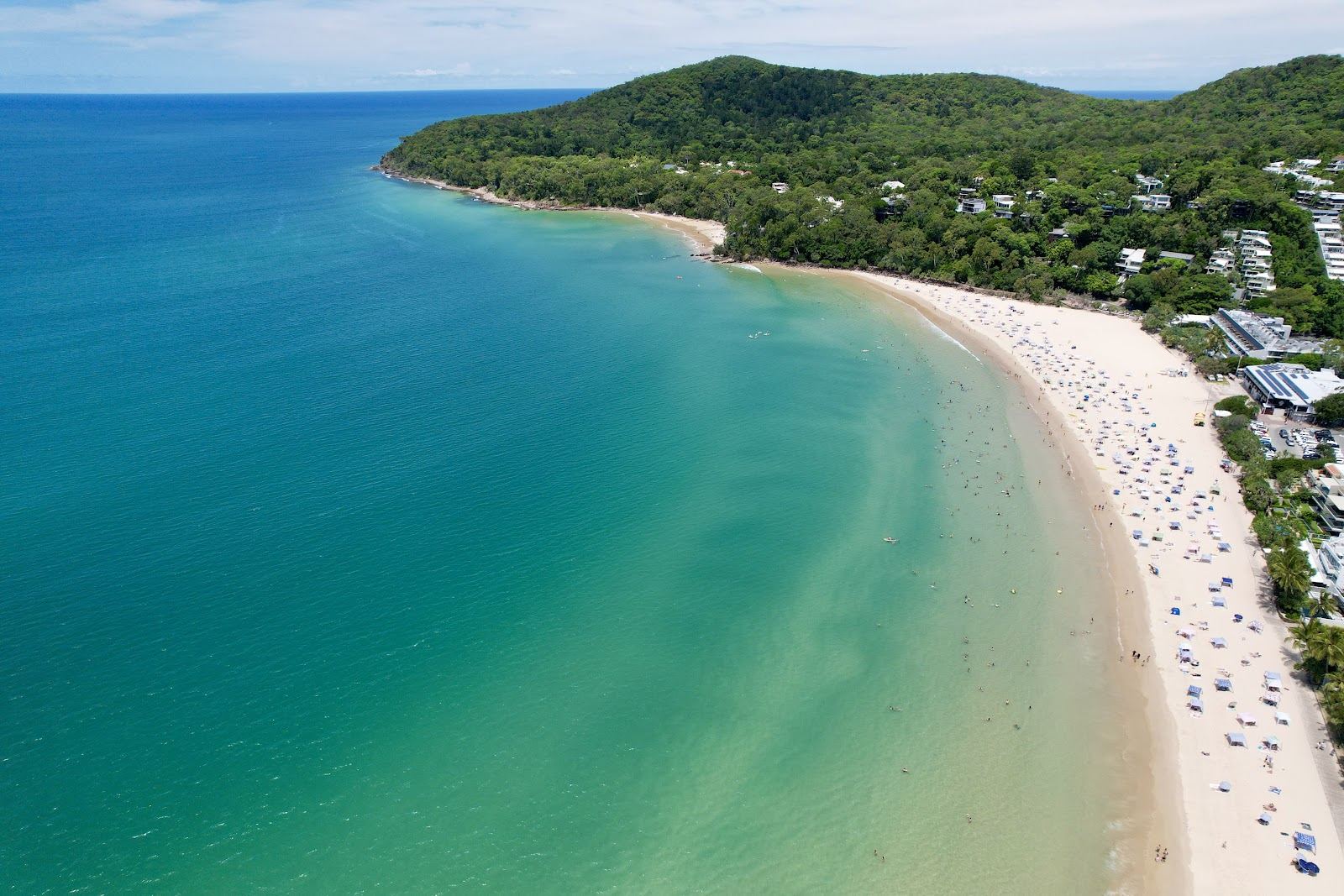
The verdict
- Best forAnyone who wants to surf, paddle or learn on the water, from first timers on a longboard at Main Beach to surfers chasing the national park points.
- Top pickNoosa Main Beach for lessons and stand up paddling, First Point and Tea Tree Bay for long right hand waves, Sunshine Beach for stronger surf.
- One thing to knowNoosa Main Beach faces north and is protected, so it is the calm, gentle base. The open ocean beaches carry more power and more risk, so read the flags.
Published 12 March 2026. Last reviewed 16 June 2026
Noosa is a rare thing on this coast, a beach town whose main swimming beach faces north into a sheltered bay rather than out at the open Pacific swell, and that single quirk of geography makes it one of the friendliest places in Australia to get on the water. Beginners learn to surf and stand up paddle in the calm, and just around the headland a chain of point breaks peels long, mellow right hand waves that draw longboarders from all over the world. Add the open surf beach at Sunshine and the remote bays of the national park, and Noosa covers every level from first lesson to seasoned surfer.
The choice here is really a choice of exposure. Main Beach and the sheltered nooks near the river mouth sit in the lee of the headland, so the water is gentle, the waves are small and forgiving, and it is the natural home of surf schools, paddle boards and families finding their feet. Round into Noosa National Park and the points, First Point, National Park and Tea Tree Bay, catch the wrapping swell and turn it into some of the longest, most good natured waves in the country, a joy for anyone who can already ride. South of the headland, Sunshine Beach faces the open ocean with real power for stronger surfing.
Access shapes the day, so plan it. Main Beach is right in town with parking, hire shops and lessons on the sand, the easiest possible start. The national park points are reached on foot along a beautiful coastal track from the park entrance, a walk of a few minutes to First Point and longer to Tea Tree Bay, so you carry your board in. Sunshine Beach has its own road access and parking, while remote Alexandria Bay is a thirty to forty minute walk through the park. The beaches below are ranked for watersports, weighed on the waves, the shelter and who each suits.
Five beaches for the water
Gentle learning water, long point waves and open surf lead the list, level by level.
Noosa Main Beach
The heart of it, a rare north facing, sheltered beach where small, gentle waves and calm water make the perfect classroom for learning to surf and stand up paddle. Surf schools, board hire and paddle rentals line the sand, the beach is patrolled, and the eastern end feeds into the First Point longboard wave, so beginners and improvers share the same friendly stretch. It sits right in town with parking and cafes behind the sand, which makes it the easy first choice for anyone getting on the water.
Tea Tree Bay
One of the classic point waves inside the national park, a long, peeling right hander that wraps into a pretty tree lined bay and rewards anyone who can already ride with rides that seem to go on forever. It works best on a solid swell from the right direction and draws a crowd of longboarders when it fires, so patience and surf etiquette matter. You reach it on foot along the coastal track from the park entrance, board underarm, a walk of fifteen minutes or so. Magic when it is on.
Sunshine Beach
The open ocean beach for those who want real surf, a long stretch of golden sand south of Noosa Heads that faces the Pacific and picks up proper swell, with beach break peaks for stronger surfing and bodyboarding. It is patrolled between the flags and backed by a relaxed village of cafes, but the power and the rips here are a step up from sheltered Main Beach, so it suits confident surfers and swimmers. Own road access and parking make it easy to reach for a session away from the crowds.
Little Cove
A sheltered pocket of sand tucked near the national park entrance, calm and pretty, where gentle waves and clear water make an easy spot for stand up paddling, beginner longboarding and a snorkel on a settled day. It is quieter than Main Beach and framed by pandanus and headland, a lovely place to potter about on the water without much crowd or power. A short walk from town or the park entrance with limited street parking nearby, so arrive early on a fine day.
Alexandria Bay
The wild card, a long, remote surf beach on the ocean side of the national park reached only by a walk of thirty to forty minutes through the bush. It picks up open swell with punchy beach break waves and a real sense of escape, but it is unpatrolled and can carry strong rips, so it is strictly for experienced, self reliant surfers and swimmers. Carry water and everything you need, because there is nothing out here but sand, sea and forest. Effort and skill required.
Where to paddle out and where to be careful
Sort the beaches by your level and Noosa is a dream. Absolute beginners and paddlers belong at Main Beach and Little Cove, sheltered, gentle and served by schools and hire shops, the safest, easiest water in the area. Surfers who can already ride should make for the national park points, Tea Tree Bay and First Point, for long, mellow right handers when the swell is up, and those wanting more power head to Sunshine Beach for open ocean surf. Match the beach to your ability and the whole coast opens up.
Be honest about the risks, because the exposure changes fast around the headland. Main Beach is protected and patrolled, but Sunshine Beach and especially remote Alexandria Bay face the open Pacific with real power and rip currents, and Alexandria is unpatrolled, so it is for experienced water users only. Always swim and surf between the red and yellow flags where they are set, check conditions before you paddle out, and never assume the water is safe. The points get crowded when they fire, so know the etiquette and wait your turn.
A little planning makes for a better session. The points need a decent swell from the right direction to work, so ask at a local surf shop or check the forecast rather than hiking your board out on a flat day. Main Beach has everything on hand, lessons, hire and cafes, while the park beaches have nothing, so carry water and sun cover for the walk. Winter and spring often bring cleaner conditions and lighter winds, and conditions are typical rather than guaranteed, so read the sea and the flags on arrival.
A base for a day on the water
Noosa runs on surf schools, board hire and the relaxed cafes of Hastings Street rather than a daybed beach club scene, so a watersports day here is built around a lesson, a rented board and a coffee on the way back. Main Beach has the fullest service with schools and rentals right on the sand, Sunshine and Little Cove keep things simpler, and the national park points offer nothing but the wave, so you carry in what you need. Where a venue on the beachfront takes bookings or sets a minimum spend we keep the live names and current details on the directory, since hours shift with the season. Tell us your plan and date and we pass the enquiry on.
Book a day on the water in Noosa
Independent and honest · 1,340 beaches ranked across 103 destinations · We answer to no resort
Before you go
Where should you learn to surf in Noosa?
Noosa Main Beach is the place to learn, a rare north facing, sheltered beach with small, gentle waves and calm water, lined with surf schools and board hire right on the sand. It is patrolled and sits in town with parking and cafes behind it. Little Cove nearby is another calm, easy spot for beginner longboarding and stand up paddling on a settled day.
What are the best surf spots in Noosa?
The point breaks inside Noosa National Park are the jewels, First Point, National Park and Tea Tree Bay, which peel long, mellow right hand waves when a solid swell wraps in. They are reached on foot along the coastal track. For open ocean beach break surf with more power, Sunshine Beach south of the headland is the pick, and remote Alexandria Bay suits experienced surfers only.
Is Noosa good for stand up paddleboarding?
Very. The sheltered, north facing water at Main Beach and the calm of Little Cove make easy, gentle paddling, and hire shops in town rent boards and offer lessons. The Noosa River and the everglades are also popular for flatwater paddling away from the surf. Stick to the calm, protected water for paddling and avoid the open ocean beaches where swell and rips make it harder.
Are Noosa's beaches patrolled and safe for watersports?
Main Beach and Sunshine Beach are patrolled with flags in season, and you should always swim and surf between them. The national park points are not patrolled, and remote Alexandria Bay is both unpatrolled and prone to strong rips, so it suits experienced water users only. Exposure rises quickly around the headland, so check conditions, read the flags, and never assume the water is safe.
When is the best time to surf in Noosa?
The point breaks need a solid swell from the right direction, which can arrive at any time of year but is often most consistent through the cooler months. Winter and spring frequently bring cleaner conditions and lighter winds. For learning at Main Beach, most days are gentle enough year round. Check a local surf forecast or ask at a surf shop before you carry a board out to the points.
Are there beach clubs in Noosa?
Not in the daybed club sense. Noosa runs on surf schools, board hire and the cafes of Hastings Street rather than a club scene, so a day on the water is built around a lesson, a board and a coffee. Main Beach has the fullest service on the sand. Where a beachfront venue takes bookings or sets a minimum spend we keep the details on the directory.