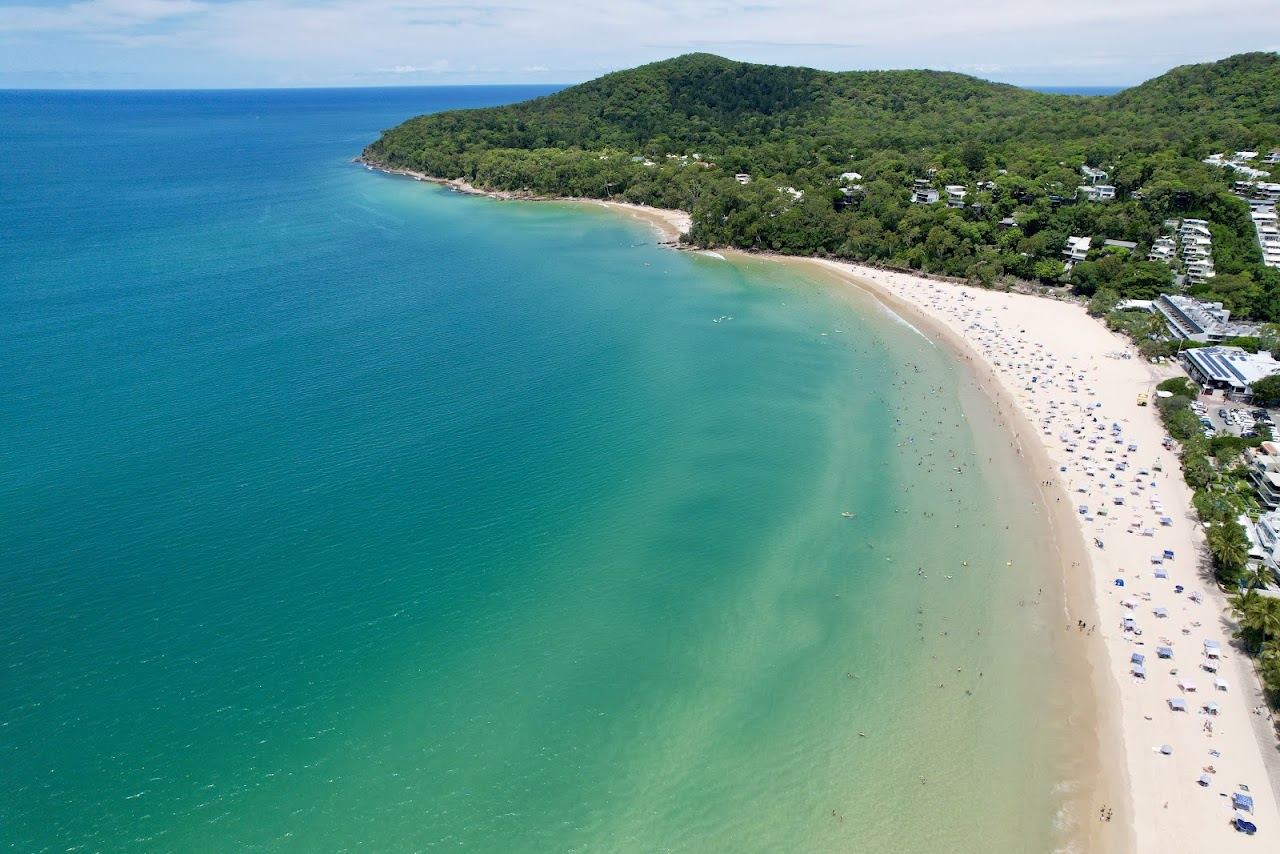
 Photo: Zhivan Wasinski via Google
The verdict
- Best forAnyone choosing weeks on the Sunshine Coast and weighing summer warmth against crowds, school holiday prices and a cooler winter sea.
- Top pickAutumn from March to May or spring from September to early November, for warm sunny days, low humidity and far better value than peak summer.
- One thing to knowThe summer school holidays from mid December to late January are the busiest and most expensive weeks, and book out months ahead.
Published 28 February 2026. Last reviewed 14 March 2026
Noosa sits at the northern tip of Queensland's Sunshine Coast, and like the rest of Australia it runs on the Southern Hemisphere calendar, so its summer falls over our winter. The town has a mild subtropical climate that is pleasant for most of the year, which means the real swing is not so much the weather as the crowds and the prices. Those are driven hard by the Australian school holidays, and nowhere more than over the summer break, when Noosa fills, rates jump and the best rooms vanish months in advance.
This guide walks the year month by month, with a quick grid for the headline conditions and longer notes on the months that earn their place for weather, value or wildlife. We have been clear about where the money goes, because the warm summer sea lines up with the school holiday peak, while the quieter, cheaper months trade a slightly cooler swim for dry sunny days, passing whales and a town that actually has room to breathe.
The short version: come in autumn, from March to May, or spring, from September to early November, for the best balance of warm weather, low humidity and value. Winter from June to August is the bargain, mild and dry with whales offshore but a cooler sea, while the summer holidays are the priciest and busiest weeks of all and need booking well ahead.
Month by month at a glance
| Month | Air | Sea | Rain | Crowd and price | Verdict |
|---|---|---|---|---|---|
| January | Hot, humid, around 29C | Warm, around 25C | Showers, storms | Peak holidays, priciest | Peak summer school holidays, hot and busy, the dearest weeks |
| February | Hot, humid, around 29C | Warm, around 26C | Wettest | Easing after holidays | Warm and humid, quieter once the schools go back |
| March | Warm, around 28C | Warm, around 25C | Humidity easing | Good value, mind Easter | Early autumn, warm sea and thinning crowds, strong value |
| April | Mild to warm, around 26C | Around 24C | Drier | Value outside Easter | Lovely autumn days, great value between holiday weeks |
| May | Mild, around 24C | Around 23C | Dry | Quiet, good value | A value highlight, dry sunny days and the food and wine festival |
| June | Mild, around 21C | Cooling, around 22C | Dry | Quiet, cheap | Cheap and sunny, the whales arrive, cooler water |
| July | Coolest, around 21C | Cooler, around 21C | Dry | Brief holiday bump | Crisp sunny winter, whales at their best, a short holiday spike |
| August | Mild, around 22C | Cool, around 21C | Dry | Quiet, good value | Mild dry days and whales offshore, great value |
| September | Warming, around 24C | Around 22C | Dry, low humidity | Value before October | Spring returns, warm dry days, value before the holiday week |
| October | Warm, around 26C | Warming, around 23C | Mostly dry | Building | Warm and dry, a strong shoulder pick |
| November | Warm, around 27C | Warming, around 24C | Humidity returning | Building toward summer | Warming up before the summer rush, decent value early |
| December | Hot, around 29C | Warm, around 25C | Showers returning | Peak from mid month | Summer and holidays arrive, busy and pricey from mid December |
When each month earns its place
December to January. The full Australian summer and the most expensive weeks of the year. The sea is warm, the days are long and hot, and Noosa hums with holidaymakers over the Christmas and New Year break, which is the absolute peak for crowds and prices. Accommodation books out months in advance and rates are at their highest, with humid afternoons that can bring a shower or storm. Come for the buzz if you must, but reserve early and pay for the privilege.
March to May. Autumn, and our pick for all round value. The humidity drops, the days stay warm and sunny, the sea is still pleasant for swimming and the summer crowds have gone home, which softens prices everywhere outside the Easter holiday week. May brings the food and wine festival and some of the most settled weather of the year. If you want warm beaches without the markup, this is the window.
June to August. Winter, and the quiet bargain. Mornings are cool but the days are often dry, mild and sunny, the town slows right down and rates fall, outside a short bump over the winter school holidays in July. The sea cools to around 21 degrees, swimmable for the hardy but brisk for some. The compensation is the whales, which pass offshore through these months and are a real reason to come, plus June's eat and drink festival.
September to November. Spring, warming up nicely. Low humidity, sunny days and a sea climbing back toward comfortable make the early part of this window excellent value, with only the late September school holidays interrupting the calm. By November the humidity and prices start their climb toward summer, so book the earlier weeks for the best of it.
Get the Noosa beach calendar
Independent and honest · 1,340 beaches ranked across 103 destinations · We answer to no resort
Before you go
What is the best month to visit Noosa?
For the best mix of weather, value and elbow room, aim for autumn from March to May or spring from September to early November. You get warm sunny days, low humidity and a sea still pleasant for swimming, without the peak summer crowds or prices. Summer is hottest and liveliest but also the busiest and dearest, so it suits travellers who want the buzz and book early.
When is Noosa most expensive and crowded?
The peak is the Australian summer school holidays, from around mid December through late January, with the weeks over Christmas and New Year the very busiest. Accommodation books out months ahead and rates climb sharply. The Easter holidays and the winter and spring school holiday weeks bring smaller spikes, so if you can travel between them you pay far less for the same beaches.
Is the sea warm enough to swim in Noosa all year?
For many people, yes. The water is warmest in summer at around 25 to 26 degrees and cools to about 21 degrees in winter, which is still swimmable for anyone used to cooler seas though brisk for some. Noosa Main Beach is north facing and relatively sheltered, which makes it one of the gentler places to swim. Conditions are typical rather than guaranteed.
When can you see whales in Noosa?
Humpback whales pass the Sunshine Coast on their annual migration from roughly June to October, with the peak generally between July and September, and some sightings into November as they head south with calves. Boat tours run through the season and whales are sometimes visible from the headland in Noosa National Park. Sightings are seasonal and never guaranteed.
When is Noosa cheapest?
The lowest rates generally fall in winter, from June to August, outside the winter school holidays. The water is cooler then, but the days are often dry, mild and sunny, the town is calm and the whales are passing. The autumn and spring shoulders also offer good value with warmer water, so the cheapest weeks pair lower prices with a quieter, slower Noosa.
Does it rain a lot in Noosa?
The wettest, most humid stretch is the summer, from December to March, when warm afternoons can bring showers or the occasional storm. Autumn and winter are typically drier and clearer, which is part of why those months feel so pleasant. Rainfall varies year to year, so treat these as typical patterns rather than promises.