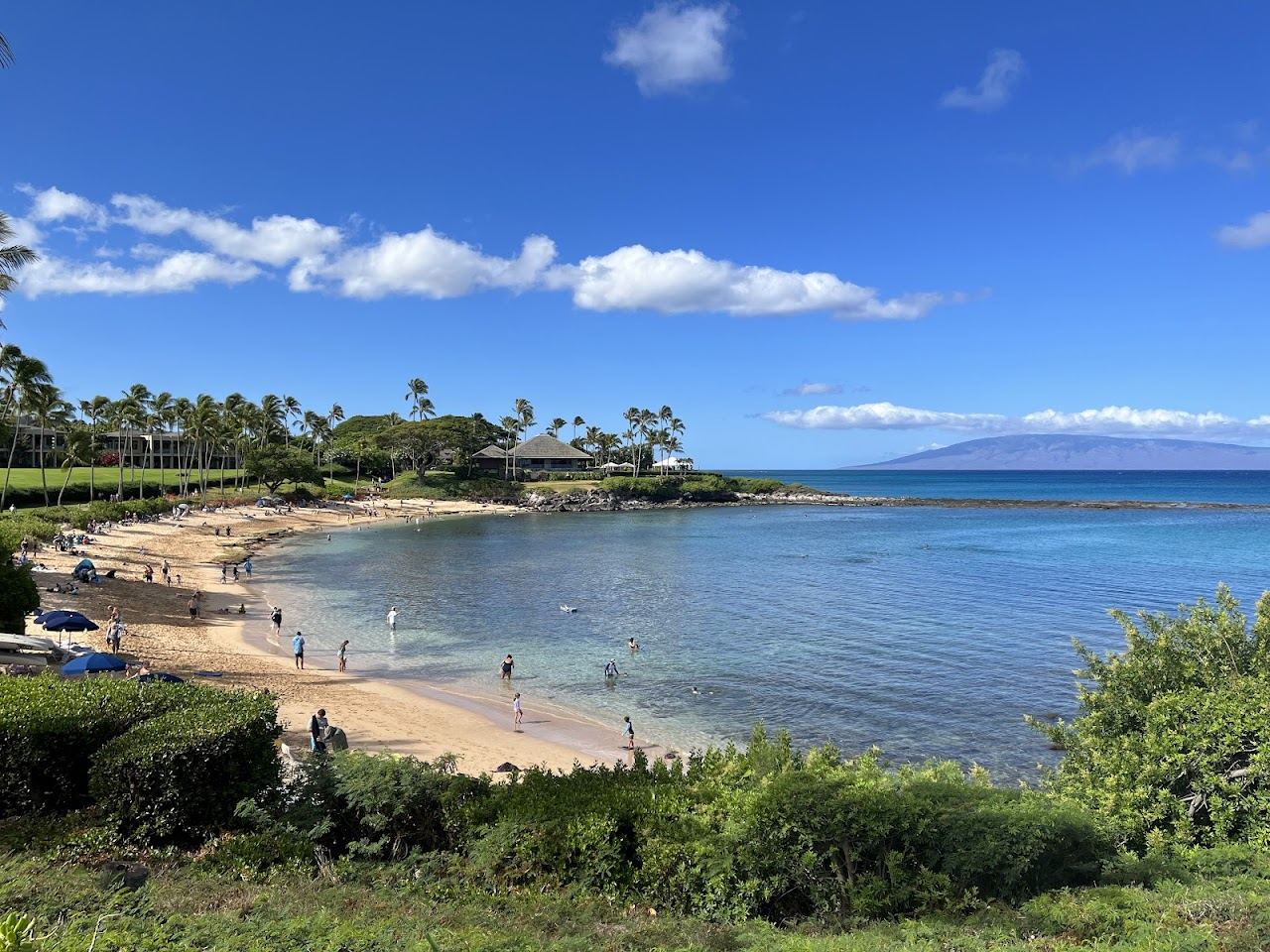
 Photo: Jack Twait via Google
The verdict
- Best forTravellers who want reef and turtles a short fin from the sand, not a boat ride away
- Top pickKapalua Bay, a protected crescent with reef on both points and the gentlest entry on the island
- One thing to knowSnorkel in the first two hours after sunrise, before the trade wind ruffles the surface and the water clouds
Published 11 April 2026. Last reviewed 23 April 2026
Maui rewards the patient snorkeller who reads the day before walking in. The island sits in the path of the trade wind, so the water is glassy at dawn and chopped by lunch, and the difference in clarity between seven in the morning and noon is the difference between counting fish and squinting at sand. Go early, go on the leeward west and south shores, and let the wind decide the rest of your day.
What makes Maui special is how close the living reef sits to the shore. You do not need a charter to swim with green turtles here. At the right beach you wade off the sand, kick for a minute, and the reef opens beneath you with parrotfish grazing the coral and a honu drifting up for air. The naturalist move is to float still and let the reef come to you rather than chasing it.
Maui snorkelling beaches, ranked
Picked for how close the reef sits, how calm the entry is and how reliably the turtles show.
Kapalua Bay
A sheltered horseshoe with reef along both rocky points and water that stays calm when the rest of the coast is rough. The easiest entry on Maui and the kindest to first time snorkellers, with green turtles a regular sight near the north point.
Napili Bay
A soft sandy bay where turtles graze the reef at the north end and the south corner. Wide and gentle, it suits a slow morning float before the wind arrives. Best at low light with the sand still cool underfoot.
Kaanapali
Puu Kekaa, the black rock at the north end, drops into a wall of fish and the occasional turtle. The reef is genuinely good, but the resort crowd is thick by mid morning, so come at first light or not at all.
Polo Beach
The rocky point at the Wailea end gathers fish and keeps the water clearer than the open south shore. Quieter than the bays up the coast and easy to pair with a slow Wailea morning.
Keawakapu
A long pale beach with an offshore artificial reef that draws fish to its south end. Cloudy by afternoon but lovely and calm at dawn, and rarely busy at the quiet ends.
The honest read on snorkelling here
Be honest about Big Beach at Makena. It is one of the island's great stretches of sand, but it is a poor snorkelling beach, with a heavy shore break that churns the water and very little reef. People arrive expecting clear water and leave disappointed. If you want reef near Makena, walk over the cinder cone to Little Beach at its calm north corner, or drive north to the bays instead.
The two finest snorkelling sites on Maui are not beaches at all. Honolua Bay on the northwest tip and the Molokini crater off the south shore offer the clearest water and the richest reef on the island, the former a shore swim down a jungle path and the latter a boat ride. Both are worth a morning, but conditions change fast and the north coast picks up dangerous surf in winter. Treat clarity as typical and never guaranteed, and stay out when the surf is up.
The honest naturalist rule for Maui is simple. Snorkel the leeward beaches early, give the reef room, never stand on or touch the coral, and keep your distance from the turtles. The honu are protected and curious, and the reward for floating still and quiet is a closer, calmer encounter than any chase will ever give you.
Where to settle after the swim
Maui is a reef and beach island rather than a beach club scene, so most of these snorkelling beaches are open public sand with showers and a car park rather than loungers and a minimum spend. Where a resort fronts the sand at Kaanapali or Wailea you can often hire a chair and a shade for the day. We keep an honest list of where you can book a day bed and where the beach is simply free, so you can match the morning swim to the kind of afternoon you want.
Book a beach club in Maui
Independent and honest · 1,340 beaches ranked across 103 destinations · We answer to no resort
Before you go
What is the best beach for snorkelling in Maui?
Kapalua Bay is the most reliable, with reef on both points, the calmest entry on the island and turtles near the north rocks. It suits beginners and stays swimmable when rougher beaches are not. Go at sunrise for the clearest water.
When is the water clearest for snorkelling on Maui?
The first two hours after sunrise are best, before the trade wind ruffles the surface and stirs the sand. The leeward west and south shores stay calm longest. Winter brings bigger surf to the north coast, so check the forecast and stay out when it is up.
Can you see turtles while snorkelling in Maui?
Yes. Green turtles, called honu, graze the reef at Kapalua Bay, Napili Bay and off Black Rock at Kaanapali. They are protected, so keep your distance and let them surface to breathe. Floating still gives you a far closer view than swimming after them.
Is Big Beach good for snorkelling?
No. Big Beach at Makena is a stunning stretch of sand but a poor snorkelling spot, with a strong shore break and little reef. For reef nearby, walk to the calm north corner of Little Beach, or drive to Kapalua and Napili instead.
Do you need a boat to snorkel in Maui?
Not for the beaches above, which are all shore swims off the sand. The richest sites, Honolua Bay and the Molokini crater, need either a jungle walk or a boat. For an easy reef close to shore, the leeward bays are enough.