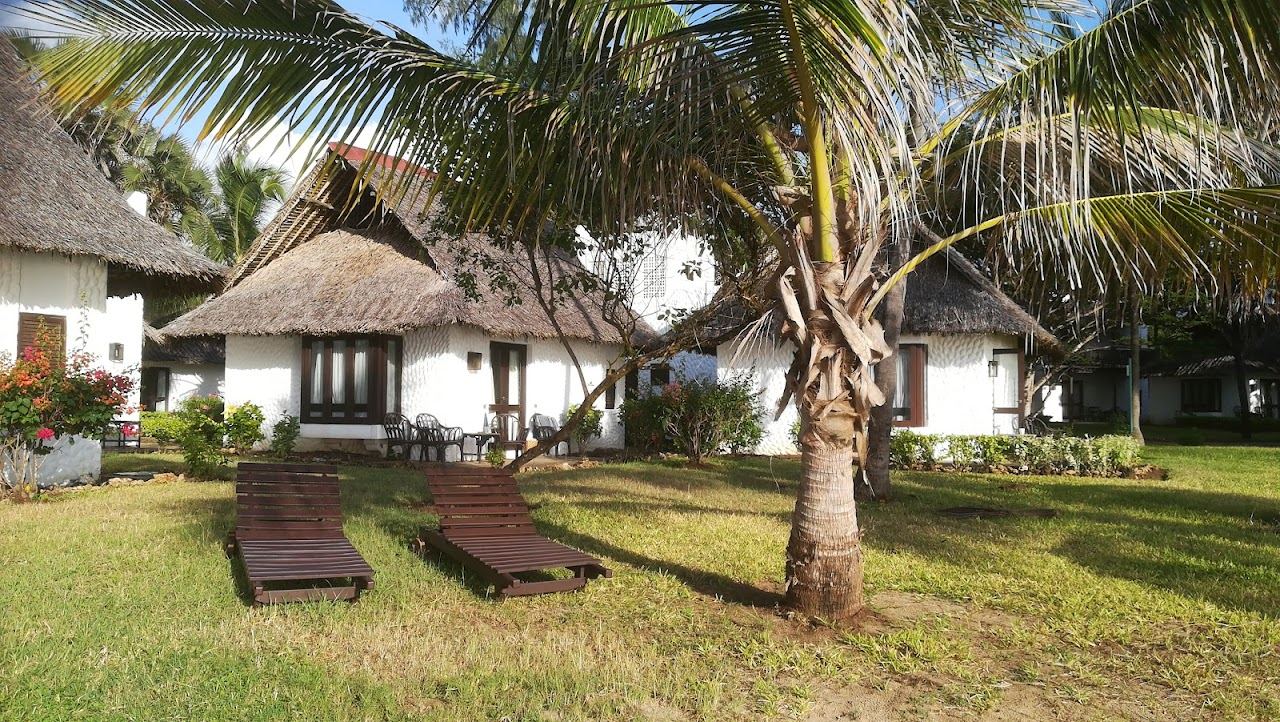
 Photo: Torsten DAMS via Google
When to Go to Diani Beach
Reading the long and short rains, the sea, the monsoon winds and the crowds across the Diani year.
The verdict
- Best forTravellers deciding which month gives the best mix of sun, calm clear lagoon water, crowds and price at Diani, often paired with a Kenyan safari.
- Top pickJuly to September for dry, cooler, breezy days that line up with the safari season, or January and February for the hottest, sunniest beach weather.
- One thing to knowThere are two rainy seasons, the heavy long rains from April to June and the lighter short rains around October and November, with May the wettest.
Published 25 February 2026. Last reviewed 8 May 2026
Diani Beach runs on the rhythm of the East African monsoon, not a simple summer and winter. The year divides into a hot, calmer season under the northeast monsoon from around November to March, and a cooler, breezier season under the southeast monsoon from April to October, with two distinct rainy spells laid over the top. Get the timing right and you have warm sun, a glassy reef lagoon and that famous powder white sand almost to yourself. Get it wrong and you can land in the heaviest weeks of the long rains.
The water is the easy part. The Indian Ocean here stays warm all year, between about 25 and 29 degrees Celsius, and the offshore reef shelters a wide, shallow lagoon that is calm and clear for much of the year. Air temperatures swing more, from steamy highs around 32 degrees in the hot months of January and February to a fresher, very pleasant 27 or 28 degrees during the cooler, drier middle of the year.
The rains are what shape the calendar. The long rains fall from April to June, with May reliably the wettest month and a stretch when some beach businesses pause, while the short rains around October and November are lighter and tend to come as brief afternoon showers. The breezier southern monsoon months also bring more seagrass drifting onto the reef flat, which the resorts rake from their frontage. None of it is guaranteed, so treat the patterns as typical and check a recent forecast.
Below we break the year down month by month, with a quick season grid and notes on the months that genuinely stand out, including how a Diani beach stay slots onto the end of a Kenyan safari.
Month by month at a glance
| Month | Air | Sea | Rain | Crowd | Verdict |
|---|---|---|---|---|---|
| January | 32 C | 28 C | Low | High | Hot, sunny, festive peak |
| February | 32 C | 29 C | Low | High | Hottest, dry, busy |
| March | 32 C | 29 C | Rising | Medium | Hot, humid, first rains |
| April | 30 C | 28 C | High | Low | Long rains begin, quiet |
| May | 29 C | 27 C | Very high | Low | Wettest month, low season |
| June | 28 C | 26 C | Medium | Medium | Drying, cooler, fresh |
| July | 27 C | 25 C | Low | High | Cool, dry, safari season |
| August | 27 C | 25 C | Low | High | Cool, breezy, peak safari |
| September | 28 C | 26 C | Low | Medium | Warming, dry, lovely |
| October | 29 C | 27 C | Medium | Medium | Short rains start |
| November | 30 C | 28 C | High | Low | Short rains, quiet, value |
| December | 31 C | 28 C | Falling | High | Drying, festive peak |
When each month earns its place
January and February. The hot heart of the northeast monsoon, and the sunniest, driest beach weather of the year. Days are steamy in the low thirties, the lagoon is warm and calm, and the seagrass tends to be lighter than in the breezier months. This is prime time, busy and pricey around the festive turn of the year, then easing slightly into February. Pack for strong sun and plan active outings for the cooler mornings.
March. Still hot and largely sunny early on, but humidity climbs and the first rains usually arrive late in the month as the long rains approach. Crowds thin and prices soften, so an early March trip can catch the tail of the dry hot season at better value. Keep an eye on the forecast toward month end, when the weather starts to turn.
April and May. The long rains, the wettest and least reliable stretch of the year, with May the peak. Showers can be heavy and prolonged, humidity is high and a few beach businesses close briefly, particularly in May. The upside is the lowest prices and an empty beach, and April in particular often still has bright spells between the downpours, so it can suit a flexible, budget minded traveller.
June to September. The cooler, drier season under the southeast monsoon, and for many the best beach window of all. Days are fresh and comfortable in the high twenties, rain is low and the light is beautiful, while July and August coincide with the Great Migration in the Maasai Mara, making this the classic time to combine a safari with a Diani beach finish. It is the busy peak as a result, so book the better lodges and beachfront early.
October. A pleasant warming month as the cool season ends, with rising temperatures and mostly dry days before the short rains set in toward the end. Crowds and prices sit between peak and low season, so early to mid October can be a sweet spot of warm calm water, decent weather and a quieter beach.
November and December. The short rains arrive in November, lighter than the long rains and often falling as brief afternoon showers, which keeps the beach quiet and prices low through the month. By December the weather is drying out and warming up again, and the festive fortnight brings a sharp return of crowds and high prices. Early December before the rush is a quietly good value window.
Get the Diani Beach calendar
Independent and honest · 1,340 beaches ranked across 103 destinations · We answer to no resort
Before you go
When is the best time to visit Diani Beach?
The drier, cooler stretch from June to October and the hot, sunny window from January to March are the two best times. Both bring reliable sunshine, low rain and calm clear water over the reef. July to September is the busiest, since it lines up with European summer holidays and the Great Migration in the Maasai Mara, which pairs beautifully with a Diani beach finish.
When are the rains in Diani Beach?
There are two wet seasons. The long rains fall from April to June, with May the wettest month, and the short rains arrive around October and November. The long rains are the heaviest and some beach businesses close briefly in May, while the short rains are lighter and often come as brief afternoon showers that leave the rest of the day bright.
How warm is the sea at Diani Beach?
The Indian Ocean here is warm all year, ranging from about 25 to 29 degrees Celsius, so swimming is comfortable in every month. The reef offshore creates a sheltered lagoon with calm, clear shallows, though the seagrass that drifts onto the reef flat is more noticeable in the breezier months of the southern monsoon from around April to October.
Does Diani Beach get seaweed?
At times, yes. Diani sits behind a reef, and during the southeast monsoon from roughly April to October the cooler breezier seas can push more seagrass onto the reef flat and the tide line, which hotels rake from their frontage. It is typically lighter in the hot calm months from December to March. Conditions vary day to day and are best confirmed locally.
When is Diani Beach cheapest and least crowded?
The shoulder weeks around April, November and early December offer the lowest prices and the thinnest crowds, with warm water and usually only passing rain outside the peak of the long rains in May. The hot months of January and February and the dry safari season from July to September are the busiest and priciest, especially over the festive period.