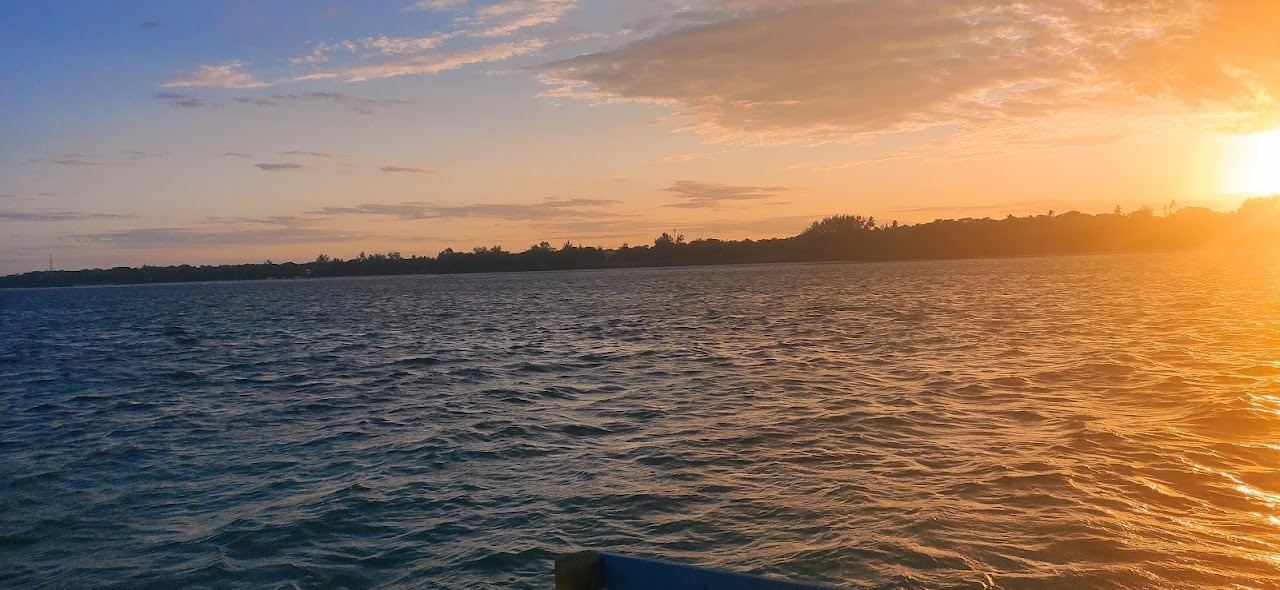
 Photo: Malombe Victor via Google
The Best Watersports Beaches in Diani
One reef lagoon, steady trade winds, and a coast built for kiting and diving.
The verdict
- Best forKitesurfers, divers and anyone who wants a warm reef lagoon with real wind, a proper dive scene and schools that know the tide, rather than a flat calm swimming beach.
- Top pickGalu, the wide quiet southern lagoon where the trade winds and the space make it the kitesurfing base of the Diani coast.
- SkipTurning up without checking the wind and tide. The lagoon fills and empties by hours, and the wind is seasonal, so plan sessions around both rather than the calendar alone.
Published 31 January 2026. Last reviewed 31 March 2026
Diani is calm water made active. The same long coral reef that keeps the lagoon warm and flat for swimmers also makes this coast one of East Africa's finest playgrounds for watersports, because behind the reef the wind has room to work over shallow, forgiving water. Add the monsoon trade winds that blow steady for months at a time and a cluster of established schools and dive centres, and you have a beach that looks like a postcard yet earns its reputation on the water. To the eye it is all turquoise and white sand; get on it and it is a kiting and diving base with few equals on the Indian Ocean.
The wind is the headline. Two monsoon seasons drive it, the Kaskazi from around December to March and the stronger Kusi from about June to September, and between them the coast falls calm. That rhythm shapes everything: the windy months are for kitesurfing, when Galu and the southern lagoon fill with kites, while the quieter spells turn the water clear and still for diving, snorkelling and paddling. The reef itself is the other great asset, sheltering the launch and giving divers a wall of coral, a purpose sunk wreck offshore and, a little further south, the excellent Kisite Mpunguti marine park to explore. Almost every watersport on this coast leans on those two things, the wind and the reef.
The honest planning is about tide and wind as much as which beach you choose. The lagoon fills and empties by hours, so a spot that is perfect at high water is a sandflat at low, and the wind is seasonal and never promised, so forecasts and local schools matter more than the calendar. Choose a reputable operator, respect the reef, the currents and the boat traffic, and never head out beyond your level. We have ranked the best watersports beaches below for the wind and space they offer, the operators and dive access on hand, and how well they suit a day on the water, so you can match the beach to your sport and your skill.
The best beaches on the water in Diani
Reef lagoon beaches ranked for wind, dive access and space to ride.
Galu Beach
The kitesurfing heart of Diani, a wide quiet southern stretch of the same reef lagoon with the space and the steady side onshore trade winds that riders want. Several kite schools sit along the sand, the flat water at the right tide is forgiving for learning, and there is room to ride without a crowd, which is why serious kiters base themselves here rather than on the busy central strip. Sessions live and die by wind and tide, both seasonal and shifting, so ride with a school that knows the day, and pick the windy months for the most reliable wind.
Diani Main Beach
The all rounder and the hub for operators, the central lagoon where the fullest range of watersports gathers: dive centres running reef and wreck trips, kite schools, jet skis, parasailing, glass bottom boats over the coral and snorkelling out to the reef. It is the busiest and most convenient base, with everything close at hand, which makes it the natural first stop for divers and for anyone wanting to try several sports in a stay. It is livelier and has more touts than Galu, so agree prices and check credentials up front, and plan around the tide.
Kongo Beach
At the north end, where the Kongo river meets the sea, this open and less developed beach gives kiters space and clean wind away from the busier strip, and it is a favoured launch on the right day. The trade off is the river mouth, which behaves differently from the open lagoon, with currents and changeable conditions that demand respect, so it suits confident riders rather than first timers. Come for room to ride and a wilder feel, check the water and wind with a local school, and treat the river mouth as a hazard to plan around.
Msambweni Beach
About half an hour south, this quiet reef fringed shore is less a watersports scene than a peaceful base for the water, with deep clear lagoon, few people and easy access to the diving and marine park trips of the far south coast. There is little rental or instruction on the sand itself, so you come organised or through a stay or operator, but for calm swims, snorkelling and a springboard to the Kisite Mpunguti diving it is a lovely, low key choice. Bring your own kit or arrange it ahead, and plan around the tide as everywhere on this coast.
Further south, day trips from Diani reach the Kisite Mpunguti marine park near Wasini for some of the coast's best snorkelling and diving, run by operators rather than tied to one beach. We give a beach its own ranked entry only once we can walk and verify it in full, so treat that as an honest extra rather than a ranked pick.
Wind, tide and the right school
The honest read on watersports in Diani is that timing beats location. You can pick the perfect beach and still have a flat, windless day if you ignore the two forces that rule this coast: the seasonal monsoon wind and the daily tide. The wind comes in two kite seasons, the Kaskazi around the turn of the year and the stronger Kusi in the middle of the year, with calm spells between that suit diving and snorkelling far better than kiting. So decide your sport first, then travel in its season, and check forecasts and talk to schools close to your dates rather than trusting the calendar alone.
Then plan each day around the tide, because the reef lagoon fills and empties by several hours and it changes what is possible. High and rising water gives the depth and flat surface that kiters and boats need, while low tide can leave the reef flats too shallow to launch or ride in places, though it opens up reef walks and rock pools instead. Your school or dive centre will know the best window on any given day, so lean on that local knowledge, and build the session around the water rather than forcing it to fit your schedule.
Finally, choose your operator with care and respect the environment you are playing in. Diani has established, reputable kite schools and dive centres, but a busy tourist beach also draws informal touts, so check credentials and agree prices before you commit, and never head out beyond your level. The reef, the currents near the river mouths and the boat traffic all demand attention, and the reef itself is a living thing to protect, so keep off the coral, follow your instructor and treat conditions as typical rather than guaranteed. Get the season, the tide and the school right, and Diani gives you warm water watersports about as good as the Indian Ocean offers.
Where a base on the sand earns its keep
For a day on the water, a beach club or beach bar in Diani earns its keep as a base: shade and a lounger to rest between sessions, a kitchen and cold drinks so you never leave the sand, and secure space to leave your gear while you ride or dive. The central strip has the fullest choice of beach bars and hotel day passes close to the operators, while quieter Galu leans on small resorts that open their terraces to non guests. Which places are open, their hours and any minimum spend shift by season and are best confirmed close to your dates. Tell us when you are travelling and the sport you are here for, and we pass the enquiry to a reliable local operator to confirm what is open, what it costs and which school or dive centre to pair it with.
Book a beach club in Diani
Independent and honest · 1,340 beaches ranked across 103 destinations · We answer to no resort
Before you go
Which Diani beach is best for kitesurfing?
Galu, the quieter southern end of the Diani lagoon, is the kitesurfing base. It has the space and the steady side onshore trade winds that kiters want, with a wide flat lagoon at the right tide and several kite schools along the sand. Diani Main Beach also has kite operators, so beginners and freeriders have a choice, but Galu is where most of the serious kiting happens.
When are the trade winds best for watersports in Diani?
Diani has two windy kite seasons driven by the monsoon winds: the Kaskazi from around December to March and the stronger Kusi from about June to September, with the summer window generally the more reliable for wind. Between them the wind drops and the coast turns calm, better for diving and swimming than kiting. Wind is seasonal and never guaranteed, so check forecasts and ask schools close to your dates.
Can you scuba dive from Diani Beach?
Yes. Diani has established dive centres running trips to the offshore reef and to a purpose sunk wreck, and day trips south to the Kisite Mpunguti marine park near Wasini for some of the coast's best snorkelling and diving. Diani Main Beach is the main base for dive operators, and the calmer months between the windy seasons usually bring the clearest water. Conditions vary and are best confirmed with the centre.
How does the tide affect watersports in Diani?
A great deal, because the reef lagoon fills and empties across the day. At low tide the sea pulls far out over the reef flats, leaving too little water for kiting or launching in places, while the rising and high tide gives the depth and the flat water that riders and boats want. Plan sessions around the day's tide table, and let your school or operator advise the best window.
Is Diani good for beginners at watersports?
It can be, with the right school. The flat shallow lagoon at the right tide is a forgiving place to learn to kitesurf, and calmer months suit try dives and snorkelling trips, so beginners are well served by the established schools and centres. Choose a reputable operator, respect the tide and wind, and never head out beyond your level, since the reef, currents and boat traffic all demand care.
What watersports can you do at Diani beyond kitesurfing?
Plenty. Alongside kitesurfing, Diani offers scuba diving and snorkelling on the reef and marine park trips, jet skiing, parasailing, glass bottom boat trips over the coral, stand up paddling on calm days and deep sea fishing offshore, with skydiving also based at the local airstrip. Operators cluster on Diani Main Beach, and which are running, and their prices, vary by season and are to be confirmed.