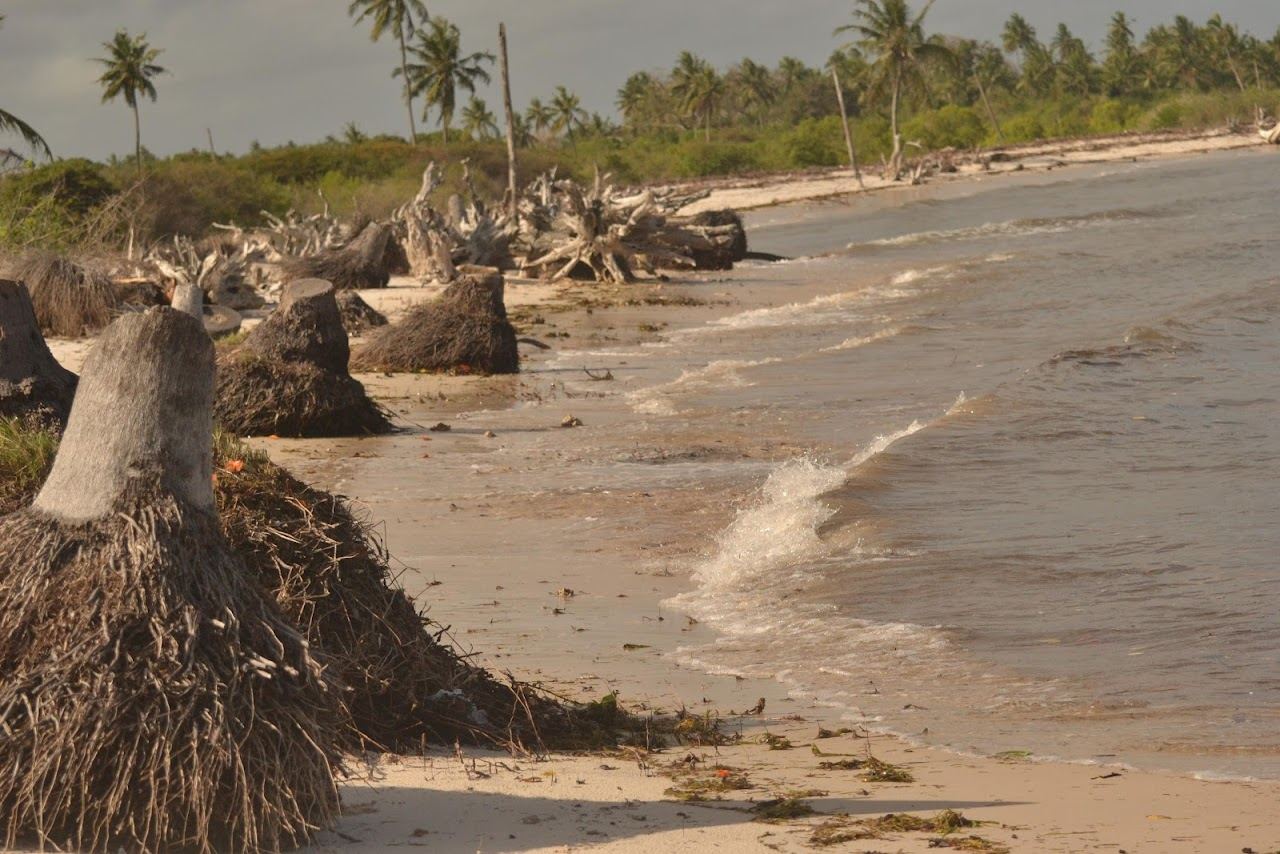
Gazi Beach
Best for. Travellers who want a quiet, undeveloped village beach and a genuine sense of place away from the Diani resort strip, paired with a community mangrove walk.
Best spot. The open bay at higher tide for a calm swim, then the Gazi Women Group mangrove boardwalk for the birds, the mudskippers and a worthwhile cause.
Know this. There are almost no facilities, so come self sufficient, keep swimming to the open sand and never the mangrove creek where crocodiles are present, and there is no lifeguard.
The main Diani beaches are rightly famous, a long ribbon of white sand with kite schools, beach clubs and resort loungers, and on a busy week they can feel it. Gazi is the opposite kind of day. Drive about an hour south of the strip, turn off the main road toward the shore, and you arrive at an undeveloped village bay with coconut groves behind the sand and almost nothing built on it. For a traveller who wants the quiet, unpolished side of this coast, a real place rather than a resort frontage, Gazi is where the south coast slows right down.
The bay is sheltered by Chale Island offshore, so on a settled day the open water is calm and pleasant for a swim, at its best around the higher tide when the sea sits close to the coconut line. This is a working shore, not a groomed one, so the honest notes matter. The shallow flats can draw a long way out at low water, there is no lifeguard, and swimming belongs to the open sand of the bay only. Do not swim in the mangrove creek by the boardwalk, where the water is silty and crocodiles are present, a caution the local guides make plainly. Respect the tide and the mangrove edge and Gazi is a gentle, rewarding beach.
The other reason to make the trip is the mangrove boardwalk, run by the Gazi Women Group as a community conservation project. A wooden walkway of a few hundred metres carries you out over the forest at the edge of the bay, past several species of mangrove, mudskippers working the mud and birds like the mangrove kingfisher, and the modest entry fee goes straight to the cooperative that built and maintains it. A local guide turns a short stroll into a proper hour. Pair the boardwalk with a calm swim and a picnic under the coconut palms and you have the quiet luxury Gazi does best, which is space, nature and a genuine sense of place, all a comfortable drive from the comforts of Diani.
Village bay, no club
Gazi is undeveloped, with no beach club or bar on the sand. The daybed and lunch scene of this coast lives up on the main Diani beaches.
There is no beach club at Gazi, and putting one here would undo the very thing that makes it worth the drive. This is a beach for a towel under the palms, a calm swim in the bay and an unhurried walk over the mangroves, with the only service the community boardwalk and its guides. If you want the quiet, unpolished south coast for a morning, this is exactly where to find it, not where to order a lounger and a cocktail.
For the polished beach club day, the coast points you back up to the main Diani beaches, where the daybeds, the long lunches and the kite and dive schools gather along the white sand. Our Diani beach clubs guide has the honest picks, and we can help arrange a table or a daybed so you can balance a wild morning at Gazi with a smart afternoon up the coast. Down here, keep it simple, bring what you need, support the women's cooperative, and let the bay and the mangroves be the luxury.
South down the coast
Gazi sits on the Kenyan south coast near Gazi Bay, about an hour south of the Diani strip and roughly forty five kilometres down the coast from Mombasa. The practical way to visit is by road with a hired car and driver or a taxi arranged from Diani, following the main southern highway and turning toward the shore at Gazi village. There is no useful public transport for a beach day, so build the drive into your plan and set out early.
Come self sufficient, since there is next to nothing to buy on the sand: carry water, food, sun cream, shade and cash for the boardwalk fee, and take all your rubbish away. Time your visit around the higher tide for the best swimming and the most immersive mangrove walk, swim only in the open bay and never the creek, and keep children close as there is no lifeguard. A local guide on the boardwalk is a small cost that adds a great deal.
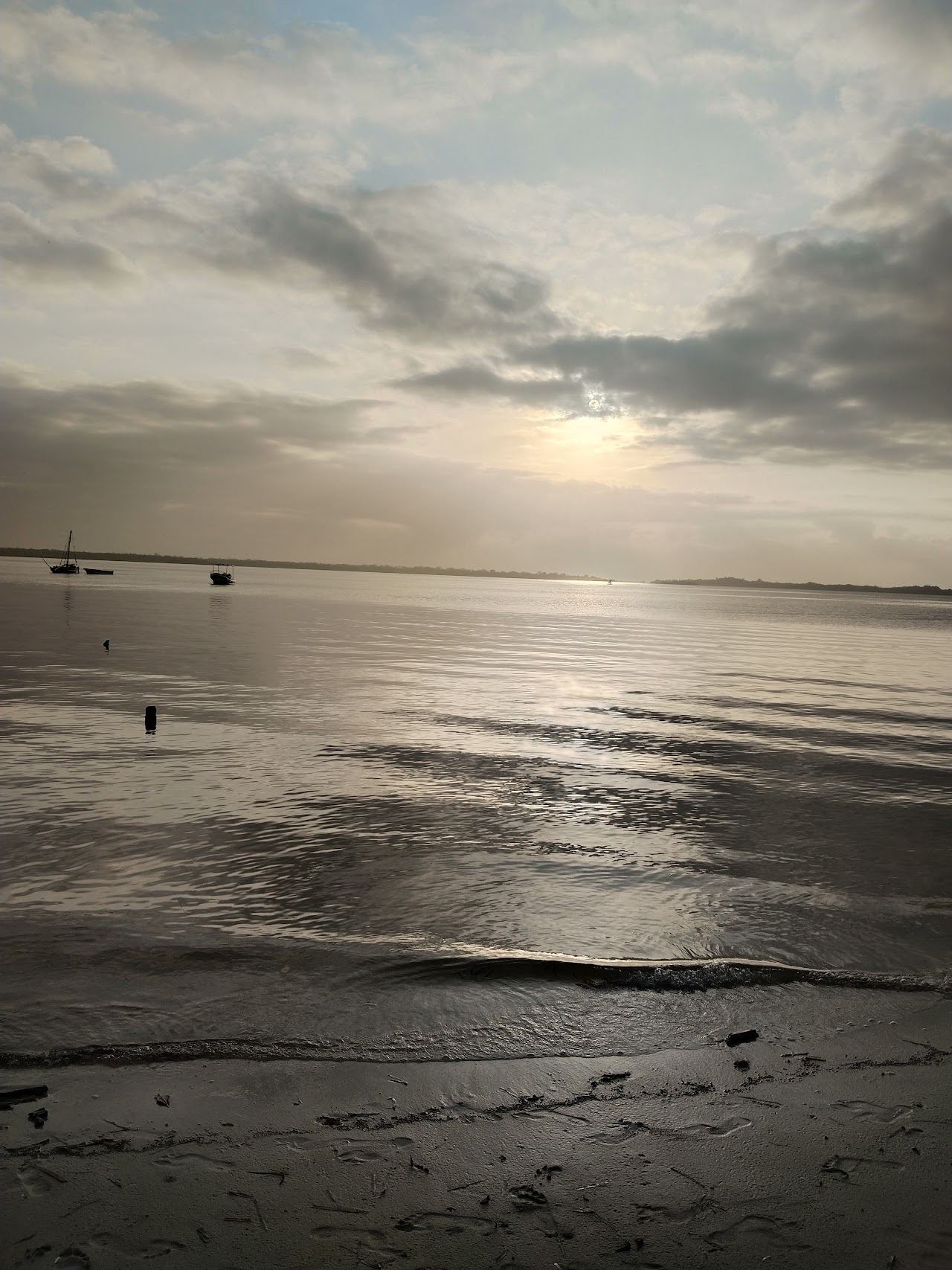 Photo: Chris Omoke (KINGLIONCHEF) via Google
Not ready to book?
Keep the good shorelines coming. Shore Notes is our occasional letter on the best beaches and the clubs worth your day, sent straight to your inbox. One field, unsubscribe any time.
Book a beach club
Gazi is a quiet village bay with no club, but tell us your dates and party size and we will help arrange a daybed, a table or a driver for the day on the Diani coast. We reply by email.
Independent and honest · 1,340 beaches ranked across 103 destinations · We answer to no resort
We are an independent editorial resource. Booking requests are passed to clubs and operators, and some may earn us a commission at no cost to you. Prices, availability and opening status are set by the venue and are to be confirmed at the time of booking.
Common questions about Gazi Beach
Where is Gazi Beach and how do you get there?
Gazi lies on the south coast of Kenya near Gazi Bay, roughly an hour south of the Diani strip and about forty five kilometres down the coast from Mombasa. You reach it by road along the main southern highway and a short turn toward the shore, most easily with a hired car and driver or a taxi arranged from Diani. There is no useful public option worth relying on for a beach day, so plan the transport as part of the trip.
Can you swim at Gazi Beach?
On the open beach the bay is sheltered by Chale Island and usually calm, which makes for an easy swim on a settled day, best around the higher tide as the shallow shore can draw far out at low water. Read the sea and the tide before you go in, and note there is no lifeguard. Do not swim in the mangrove creek by the boardwalk, where the water is silty and crocodiles are present, so keep swimming to the open sand of the bay.
What is the Gazi mangrove boardwalk?
It is a wooden walkway of a few hundred metres run by the Gazi Women Group as a community conservation project, carrying you out over the mangrove forest at the edge of the bay. Along it you can see several species of mangrove, mudskippers in the shallows and birds such as the mangrove kingfisher. There is a small entry fee, reported at around two hundred Kenyan shillings, which supports the cooperative, and a local guide adds a lot.
Is Gazi Beach crowded?
Rarely, and that is the appeal. Gazi is an undeveloped village beach with no resort strip and no club scene, so it stays quiet where the main Diani beaches are busy. You are likely to share it with a few local visitors and the boardwalk trickle rather than a crowd, which is exactly why it rewards a traveller looking for the genuinely quiet corner of this coast.
When is the best time to visit Gazi Beach?
The dry stretches of the Kenyan coast, roughly January to March and July to October, bring the most settled, sunny weather and the calmest sea. The long rains from about April to June are the wettest and least reliable time. High tide gives the best swimming and the most immersive walk on the mangrove boardwalk, so it pays to check the tide table when you plan the day.
Are there facilities at Gazi Beach?
Very few. Gazi is an undeveloped beach with no beach club, no loungers for hire and no line of vendors, and the coconut groves behind the sand give the only real shade. The mangrove boardwalk has a small entry point and local guides, but you should arrive self sufficient with water, sun cream, cash for the boardwalk fee and anything else you need for the day.