Cas Abao Beach
Best for. Snorkelers and easy going beach days on the prettiest sand in Curacao, if you accept a gate fee for the polish.
Best spot. The rocky point on the right side for the reef, then a palm shaded palapa near the beach bar for the middle of the day.
Know this. There is no surf here. Come early for glassy water, because the trade winds build a chop by the afternoon.
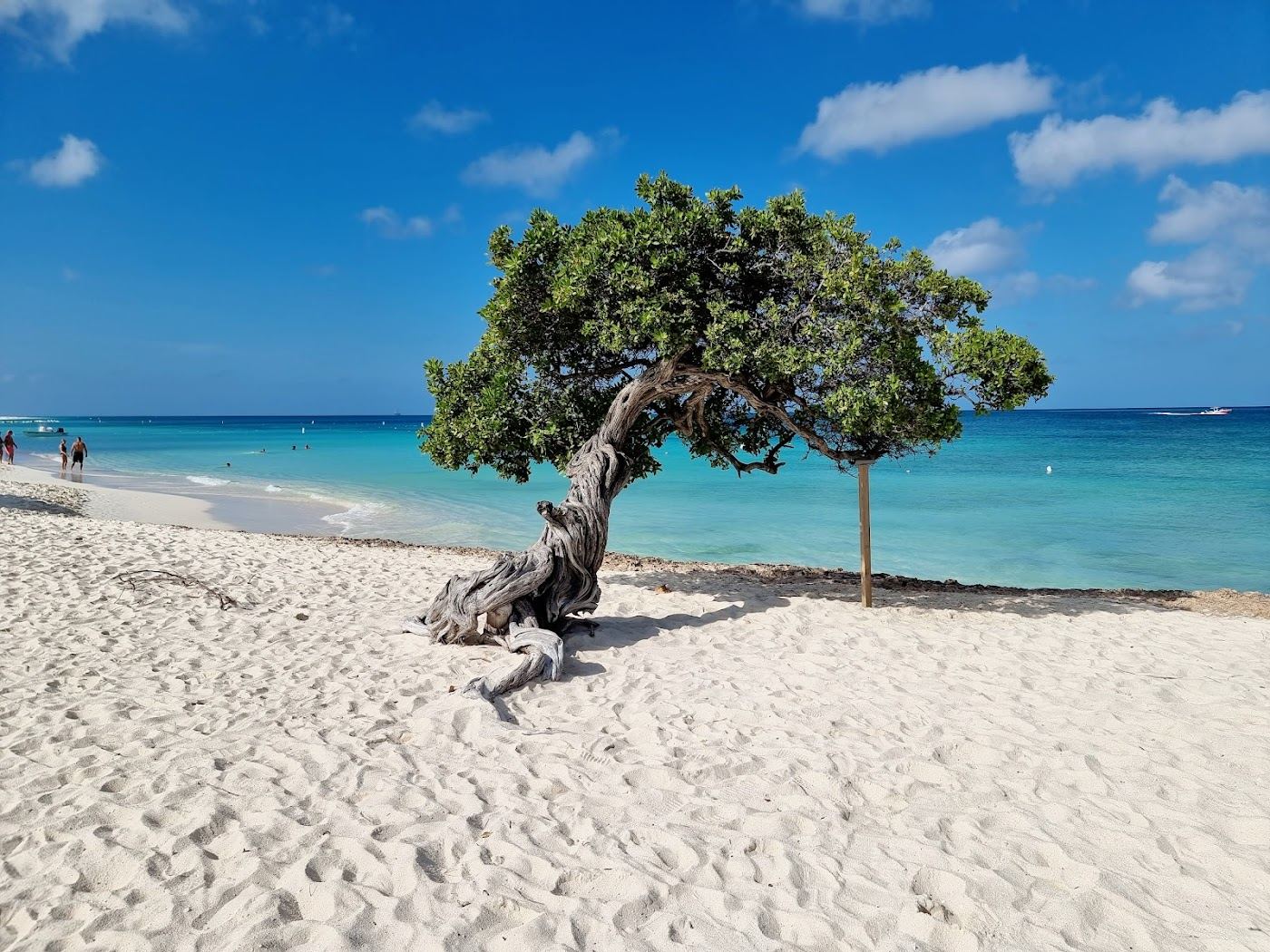
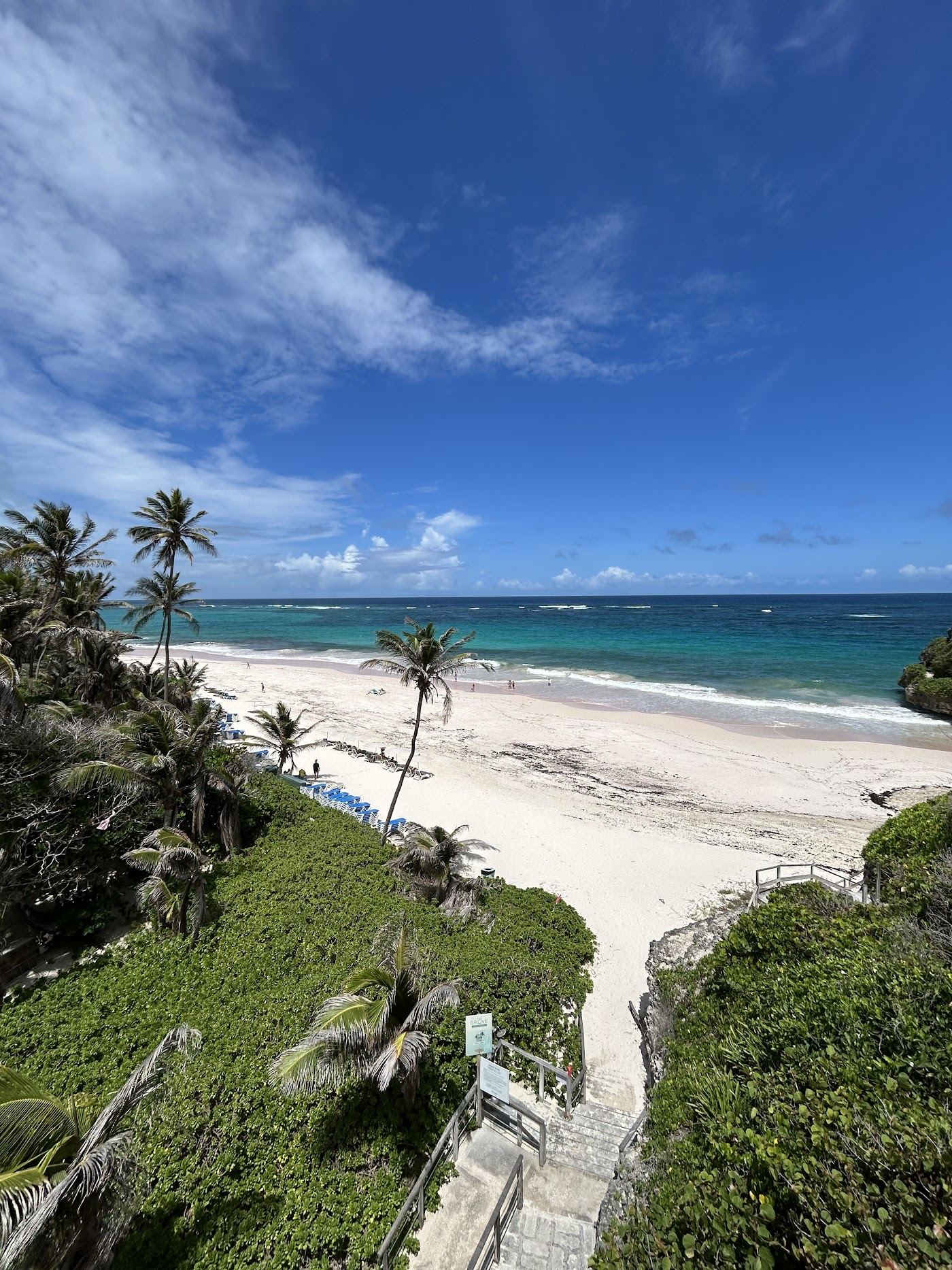
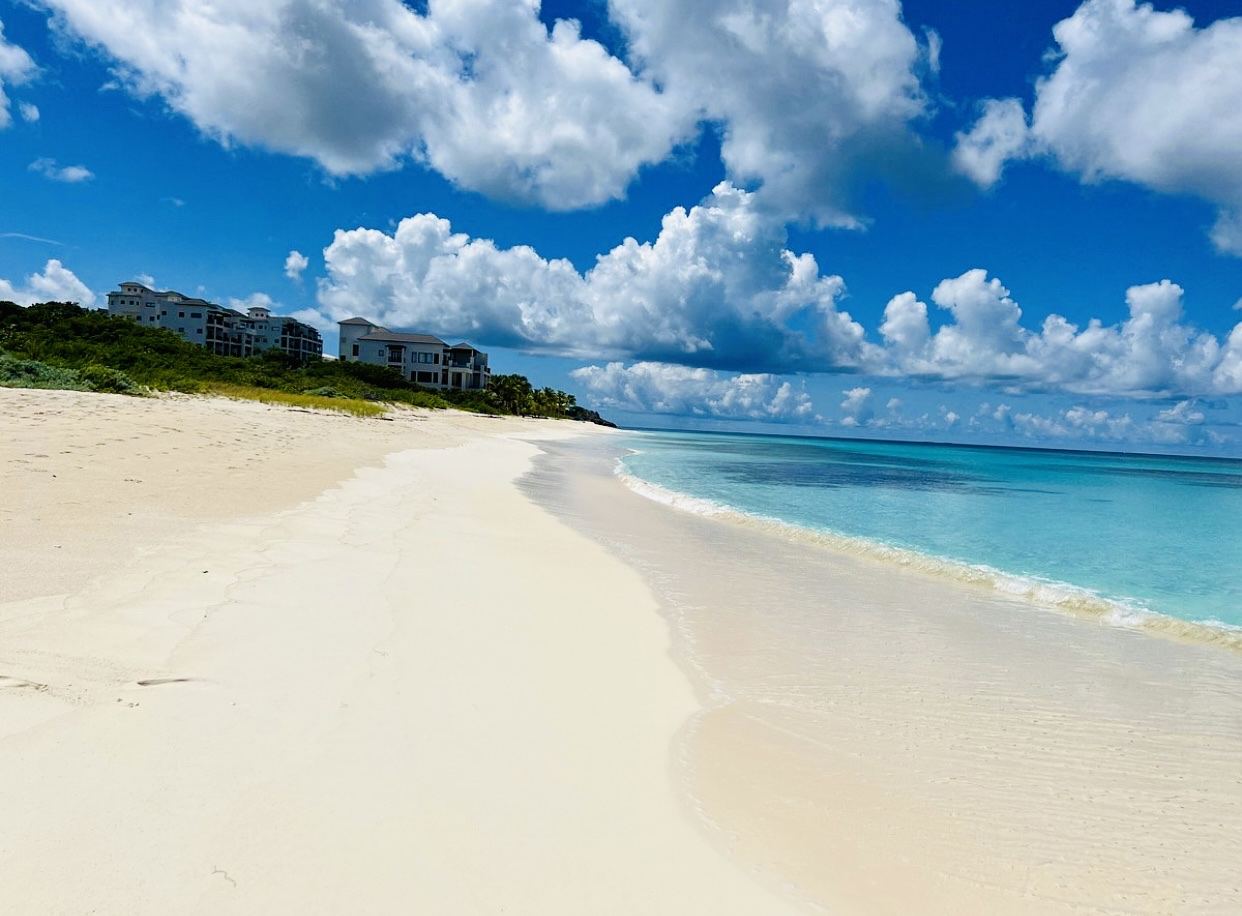
Cas Abao is the beach that ends up on every Curacao postcard, and for once the picture is honest. It is a soft white crescent tucked under low cliffs on the quiet northwest coast, the water a clean turquoise that shelves gently off the sand. The catch, and there is one, is that this is a managed beach. You pay a fee per car at the gate and pay again for a lounger or a palm palapa, so it is not the raw free strip some visitors expect. What the money buys is raked sand, clean showers and toilets, shade and a beach bar, which on a hot day most people decide is a fair trade.
Let me be straight about the water, because I come at every beach as a surfer first. There is no surf here and there never will be. Curacao sits on the leeward side of the trade winds, so the swell that lights up other coasts dies long before it reaches this sand. The adventure at Cas Abao is under the surface. Follow the beach to the rocky point on the right and the bottom drops into a reef that holds fish and coral, and on a calm morning the visibility is excellent. Bring your own mask if you can, get in early, and float rather than stand so you never touch the coral.
The one rhythm to plan around is the wind. Early in the day the bay is glassy and the snorkeling is at its best. By the early afternoon the trades fill in and put a chop on the surface that clouds the water near the point and pushes people back onto the loungers. Weekends and cruise ship days bring a crowd on top of that, so the move is simple. Arrive early, snorkel the point while it is calm, take the middle of the day under a palapa with a drink from the bar, and you will have read Cas Abao exactly right.
On the sand
Cas Abao is a managed beach rather than a club scene, so the setup is a beach bar, paid loungers and shade, plus snorkel and dive services. Prices and hours are set on site and best confirmed before you go.
 Photo: Yandry Gutierrez via Google
Cas Abao beach bar and restaurant
The on site bar and kitchen behind the sand is the social heart of the beach, handy for a cold drink, a snack or a proper lunch without leaving your spot. It keeps the beach tidy and serviced, which is part of what the gate fee pays for. Hours and menu are to be confirmed.
Snorkel and dive point
The reef off the rocky point on the right is the real draw, and snorkel or dive services operate on or near the beach for gear and guiding. Bring your own mask if you have one and get in early while the water is glassy. Operators, rates and opening days are to be confirmed.
Loungers and palm palapas
Beyond the gate fee you rent a lounger or a shaded palm palapa for the day, which is how most people set up at Cas Abao. Shade near the water goes first, so arrive early on a weekend or a cruise ship day. Rental prices are set locally and to be confirmed.
Northwest coast, Curacao
Cas Abao sits on the northwest coast, roughly 45 minutes to an hour by car from Willemstad on the road toward Santa Cruz. There is no reliable public transport to the gate, so most visitors drive a rental car or take a taxi or a tour. The last stretch is a signed side road that drops down to the entrance booth, where the fee is collected.
Bring cash for the gate and the loungers, water, and your own snorkel gear if you have it, since rentals are limited and pricier on site. The beach has shade, showers and a bar, so you can travel light, but the sun is strong all day and there is little natural cover away from the palapas. Aim to arrive early for the calm water and the pick of the shade.
 Photo: Yandry Gutierrez via Google
Not ready to book?
Keep the good shorelines coming. Shore Notes is our occasional letter on the best beaches and the clubs worth your day, sent straight to your inbox. One field, unsubscribe any time.
Book a beach club
Tell us your dates and party size and we will help arrange a daybed or table at a club near Cas Abao Beach. We reply by email.
Independent and honest · 1,340 beaches ranked across 103 destinations · We answer to no resort
We are an independent editorial resource. Booking requests are passed to clubs and operators, and some may earn us a commission at no cost to you. Prices, availability and opening status are set by the venue and are to be confirmed at the time of booking.
Common questions about Cas Abao Beach
Is there an entrance fee at Cas Abao Beach?
Yes. Cas Abao is a managed beach and charges an entrance fee per car at the gate, and you pay separately for a lounger or a palm shaded palapa. The exact amount is set locally and to be confirmed, so bring cash. In return you get raked white sand, clean facilities and a beach bar rather than a raw public strip.
Is Cas Abao good for snorkeling?
Yes, and it is the main reason to bring gear. Follow the sand to the rocky point on the right side and the reef drops away into clear water with fish and coral. Go early when the sea is glassy, keep off the coral, and remember Curacao has no big surf so the water is usually calm and easy to read.
Can you surf at Cas Abao?
No. Curacao sits on the sheltered leeward side of the trade winds and does not get a rideable swell, so nobody comes here to surf. The adventure at Cas Abao is under the surface and in the wind. Mornings are calm and clear, and the trades build a chop by early afternoon that pushes most people back to the sand.
What time should you arrive at Cas Abao?
Come in the morning. The water is clearest and calmest early, the shade palapas are still free, and the trade wind chop has not built yet. By midday on a weekend or a cruise ship day the beach fills and the wind picks up, so early arrivals get the best of it.
How do you get to Cas Abao Beach?
Cas Abao is on the northwest coast, roughly 45 minutes to an hour by car from Willemstad on the road toward Santa Cruz. There is no reliable public transport to the gate, so most visitors drive a rental or take a taxi or tour. The final approach is a signed side road down to the entrance booth.