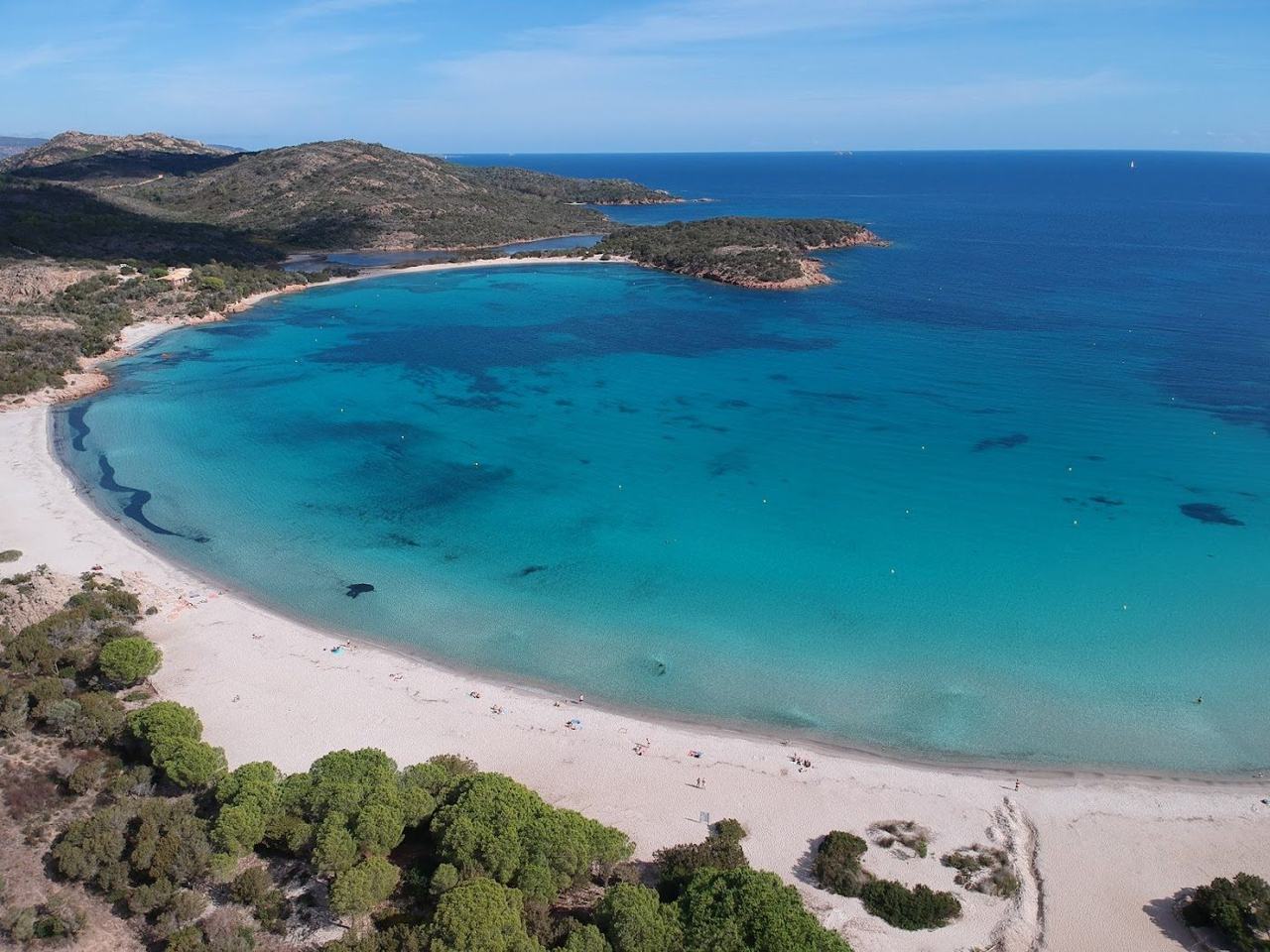
 Photo: Valter Crobeddu (Crobeiro) via Google
The verdict
- Best forSwimmers who want clear, sheltered water and a clean sandy entry, and who will plan around the afternoon wind to land a glassy morning swim.
- Top pickRondinara for the calmest, most enclosed swim on the island, with Santa Giulia the pick for warm shallow water that stays still in most conditions.
- One thing to knowCalm in Corsica is mostly about the wind, and the west coast often picks up an afternoon breeze, so the sheltered eastern and southern bays hold the stillest water and a morning swim beats a late one.
Published 5 February 2026. Last reviewed 28 April 2026
Choosing a calm swim in Corsica comes down to shelter and wind far more than sand, because the island has plenty of soft beaches but the sea state changes with the day. The west coast and the exposed northern shores catch the Libeccio and the Mistral, which can turn a flat morning into an afternoon chop, while the enclosed southern bays around Porto Vecchio and Bonifacio stay protected and clear. For a clean, still swim you want a bay with a headland on the windward side and a gentle sandy bottom that keeps the water from clouding.
We have ranked these on shelter, clarity and how pleasant the entry is, not on how dramatic the cliffs look from the road. The leaders are the deeply enclosed southern bays, with Rondinara the most circular and protected, and the warm lagoon shallows of Santa Giulia close behind. We also note the honest catch, that even a sheltered Corsican bay can ruffle when the wind swings onshore, so we tell you which side to choose and why a morning swim almost always wins over a windy afternoon one.
Calm water beaches in Corsica
Scored on shelter, clarity and a clean entry. Honest verdicts, the windy shores flagged.
Rondinara
An almost circular bay enclosed by two headlands, which keeps the water calm and clear in most winds. Soft sand and a gentle slope make for a clean, still swim, and the shape shrugs off the swell that flattens more open beaches.
Santa Giulia
A sheltered lagoon style bay where the water is warm, shallow and usually glassy in the morning. The protecting headlands and gentle bottom keep it clear, and it stays swimmable when the open coast is stirred up by the breeze.
Lotu
A protected white sand cove in the Agriates reached by boat from Saint Florent, with calm, brilliantly clear shallows on a still day. Bring everything, because there is nothing here but the swim, and pick a calm forecast for the crossing.
Palombaggia
The famous pine and red rock beach, sheltered enough that its clear shallows stay calm on a typical morning. It can ripple in an afternoon onshore breeze, so swim early to catch the water at its stillest and clearest.
Pinarello
A long, gently shelving bay north of Porto Vecchio that holds calm water and a clean sandy entry. Less enclosed than Rondinara but reliably gentle in the morning, and quieter than the headline southern names.
Petit Sperone
A small, sheltered cove near the island's southern tip with clear, calm water tucked beside the golf course. Limited and a little hard to reach, but a reliably still and transparent swim on a calm day.
Who it suits, who should skip
If a clean, still swim matters more to you than a wild backdrop, the sheltered southern bays of Corsica deliver some of the clearest water in the Mediterranean. Rondinara and Santa Giulia in particular give you the glassy, transparent shallows people picture, and the sandy bottoms keep the water clear even on a busy day. Bring a mask, because the clarity makes a casual snorkel along the rocky edges worthwhile, and aim for a morning swim before the breeze arrives.
Who should skip what? On a windy day the picture changes fast, so do not fix on one name. A strong Libeccio will chop up the west coast and the open northern beaches, while the enclosed eastern bays stay calm, so check the forecast and pick the sheltered side. And if you want an easy, flat entry to calm water, the boat access cove at Lotu and the cliff coves near Bonifacio are not the place, so stick with the serviced southern bays at Santa Giulia and Palombaggia where the calm comes without the climb.
Where to book a daybed
A calm swim pairs naturally with a booked sunbed and a long lunch, and the sheltered southern bays each have a paillote or beach restaurant where you can base yourself for the day. Santa Giulia and Palombaggia are the obvious places to reserve a bed beside clear, calm water, with Rondinara offering a simpler paillote behind the sand. Tell us the bay and the dates and we will pass your enquiry to the club so they can confirm availability and any minimum spend.
Book a beach club in Corsica
Independent and honest · 1,340 beaches ranked across 103 destinations · We answer to no resort
Before you go
Which Corsica beach has the calmest water?
Rondinara is the standout, an almost circular bay enclosed by headlands that keeps the water calm and clear in most winds. Santa Giulia close by is nearly as sheltered, with warm shallow water that usually stays glassy in the morning, so the southern bays are the calmest on the island.
Why does the sea get rough in Corsica?
The west coast and the exposed northern shores catch the Libeccio and Mistral winds, which can turn a calm morning into an afternoon chop. The enclosed eastern and southern bays are protected from these winds, which is why they hold the stillest water, so choose a sheltered bay and swim early.
Where is the clearest water in Corsica?
The sheltered southern bays at Rondinara, Santa Giulia and the boat access cove at Lotu offer the clearest water, thanks to sandy bottoms that keep the sea transparent. On a calm day the shallows are brilliantly clear, which makes a mask worth packing for a casual snorkel along the rocky edges.
Is the sea warm enough to swim in Corsica?
The sea is comfortably warm for swimming from roughly June into early October, peaking in August and holding its heat into September. The shallow southern bays warm fastest, while May is swimmable only for the hardy. Conditions are typical and never guaranteed, so check locally before a swim.
Are Corsica beaches good for snorkelling?
The clear, sheltered bays are pleasant for a casual snorkel, with rocky edges around Palombaggia, Rondinara and the southern coves that hold fish and good visibility on calm days. There are no large reefs, so set expectations on marine life, but a mask is worth packing for the clearest southern bays.