 Photo: Johannes via Google
The verdict
- Best forNaturalists drawn to kelp forest snorkelling and cold water wildlife rather than warm tropical reef
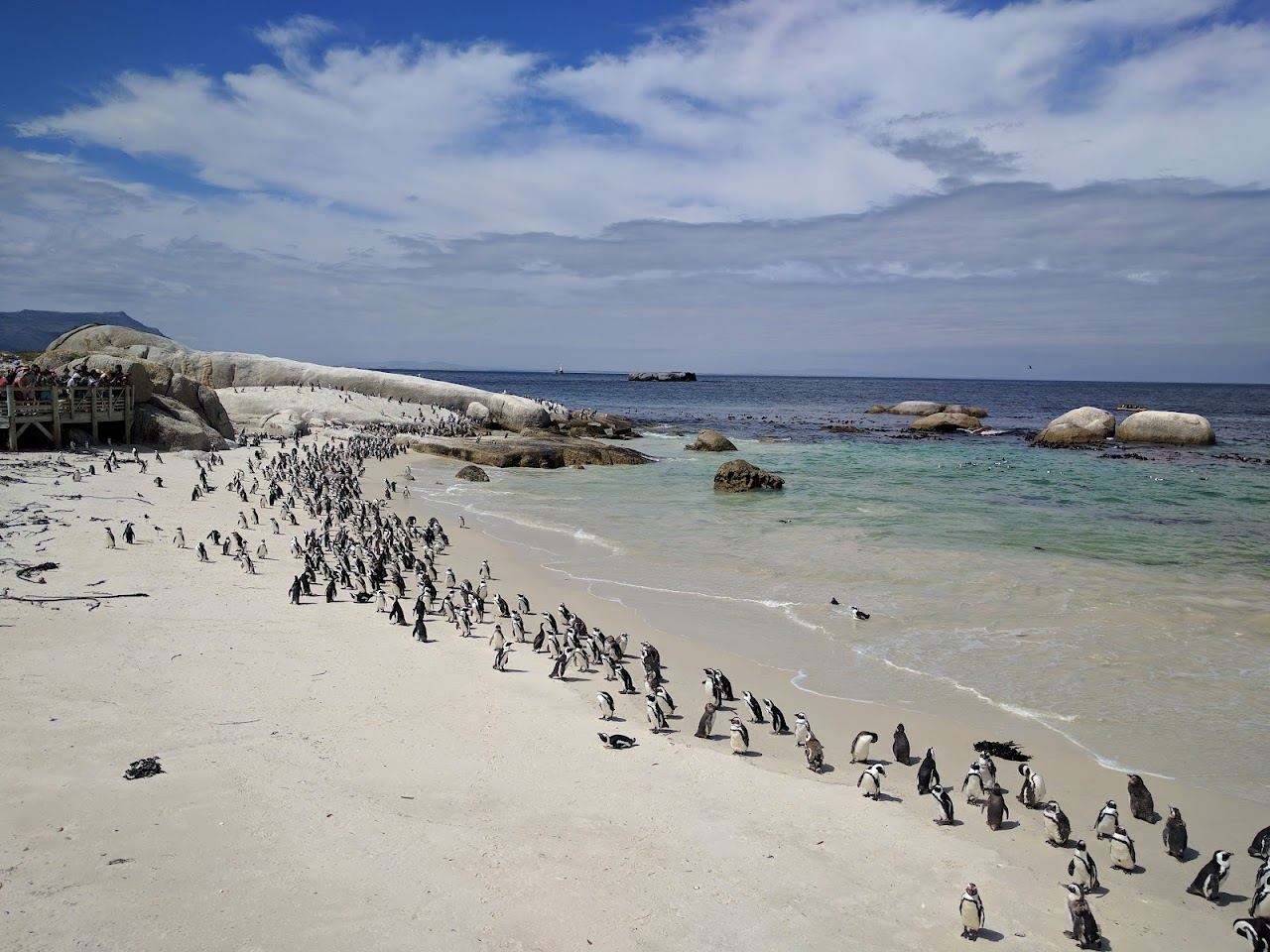
- Top pickBoulders Beach, where sheltered granite coves, calm False Bay water and African penguins make the gentlest swim
- One thing to knowThe water is cold, so a wetsuit is essential on the Atlantic side and welcome even in False Bay, and the reward is the kelp forest and its wildlife
Published 17 April 2026. Last reviewed 3 June 2026
Cape Town's snorkelling is a different animal from the tropics, and that is exactly its appeal. This is the home of the golden kelp forest made famous on film, a swaying underwater woodland of giant bamboo kelp full of life, where the cast is octopus, sevengill cowsharks, abalone, sea stars and shoals of fish rather than coral and clownfish. The water is cold and clear and the experience is closer to a forest walk than a reef float.
Two seas meet at the Cape, and they snorkel differently. The Atlantic side at Clifton, Bakoven and Llandudno is colder, clearer and home to the densest kelp, demanding a good wetsuit even in summer. The False Bay side at Boulders, Fish Hoek and St James runs several degrees warmer and calmer, kinder for an easy swim. The naturalist picks the side by the day's wind and the cold they can bear, and always treats this as a wetsuit coast.
Cape Town snorkelling beaches, ranked
Weighted for kelp forest life, water clarity and how cold and exposed each spot is on the day.
Boulders
Sheltered granite coves on the warmer False Bay side, with calm clear water, fish among the rocks and a colony of African penguins on the sand. The gentlest snorkel in Cape Town and the easiest introduction to its cold water, though it sits within a protected reserve.
Bakoven
A cluster of small granite coves on the Atlantic side where the giant kelp grows thick and the water is glassy and very cold. The classic Cape kelp forest snorkel for those with a wetsuit and a taste for the wild.
Fish Hoek
A long calm beach on the warmer False Bay side with sheltered water and reef around the rocky Jager Walk end. One of the gentler, warmer entries and a sensible choice on a windy Atlantic day.
Clifton
Sheltered between granite boulders, Clifton offers some of the clearest water in the city, though it is bitingly cold off the Atlantic. Fish and kelp gather around the rocks for snorkellers willing to brave the temperature in a wetsuit.
St James
The sheltered tidal pool and rocky shallows on the False Bay side make an easy, warmer, family friendly snorkel, with small fish among the rocks and the painted bathing boxes above. A gentle place to start.
The honest read on snorkelling here
Set your expectations honestly about Camps Bay. It is the most glamorous beach in the city and a beautiful place to be, but it is a poor snorkel, with cold exposed Atlantic water, sand rather than reef and little shelter. The kelp and the fish are around the granite at Bakoven and Clifton just along the coast, so admire Camps Bay for its setting and snorkel the rocky coves nearby instead.
The single most important fact here is the cold. The Atlantic side runs well into the low teens Celsius even in summer, cold enough to take your breath, so a wetsuit is not optional on that coast and a hood and gloves help. The False Bay side at Boulders, Fish Hoek and St James is several degrees warmer and far kinder for a first swim. Visibility is often superb on a calm day and poor after a big swell, so pick the still mornings.
Snorkel the Cape as a guest in a living forest. The kelp ecosystem is fragile and much of it is protected within marine reserves, so take nothing, touch nothing and never disturb the abalone, which are heavily poached. Keep a respectful distance from the penguins at Boulders, who are a threatened species on their own protected beach. The reward for treading lightly is an underwater world found almost nowhere else.
Where to warm up after the swim
Cape Town's glamour clusters at Camps Bay and Clifton, where beachfront bars and a few day bed setups look out over the Atlantic, a world apart from the cold kelp coves where the snorkelling actually happens. After a bracing swim you can warm up at a beachfront table along the strip. We keep an honest directory of where to book a lounger or a sundowner table, and where the cove is simply wild and free.
Book a beach club in Cape Town
Independent and honest · 1,340 beaches ranked across 103 destinations · We answer to no resort
Before you go
Is Cape Town good for snorkelling?
Yes, in its own cold water way. Cape Town is famous for kelp forest snorkelling, a swaying underwater woodland full of octopus, fish and other life rather than coral. The water is cold and a wetsuit is essential, but the wildlife is unlike anything in the tropics.
What is the best snorkelling beach in Cape Town?
Boulders Beach is the gentlest, with sheltered granite coves, the warmer calmer water of False Bay and a penguin colony, though it sits in a protected reserve. For the classic kelp forest, Bakoven and Clifton on the Atlantic side are the best, if much colder.
Do you need a wetsuit to snorkel in Cape Town?
On the Atlantic side, yes, the water stays in the low teens Celsius even in summer and is cold enough to take your breath. The False Bay side at Boulders and Fish Hoek runs several degrees warmer and is more forgiving, but a wetsuit adds comfort everywhere.
Can you see penguins while snorkelling at Boulders?
You can often see African penguins on the sand and swimming near the coves at Boulders, which is part of their protected colony. Keep a respectful distance and never approach or feed them, as they are a threatened species and the beach is managed to protect them.
When is the water clearest for snorkelling in Cape Town?
On calm, settled days with little swell, when the kelp coves can be wonderfully clear. Big swells and strong winds cut visibility quickly. The cold is constant on the Atlantic side, so pick the still mornings and dress for the temperature, treating clarity as typical and never guaranteed.