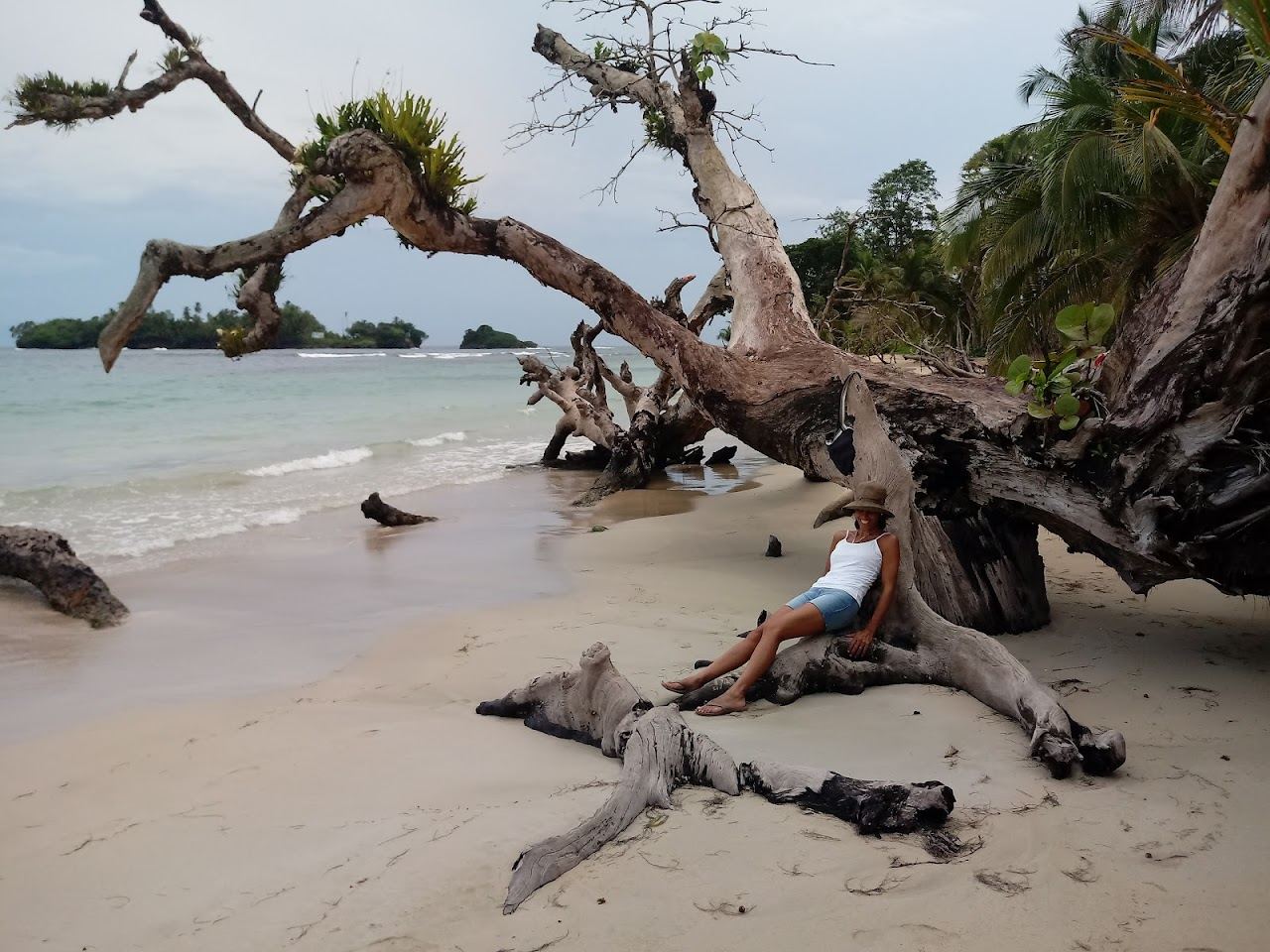
 Photo: lucas via Google
When to Go to Bocas del Toro
Reading the dry windows, the rains, the sea and the crowds across the Bocas year.
The verdict
- Best forTravellers deciding which month gives the best mix of sun, calm clear water, crowds and price across the Bocas del Toro islands.
- Top pickSeptember and October for the brightest, calmest water of the year paired with thin crowds and soft low season prices.
- One thing to knowBocas does not follow one long dry season; it has two dry windows and rain can fall in any month, but it sits safely below the hurricane belt.
Published 22 February 2026. Last reviewed 31 May 2026
Bocas del Toro plays by its own rules. The rest of Panama splits neatly into a dry season and a wet one, but this Caribbean archipelago does not, and travellers who arrive expecting a long guaranteed dry spell are often surprised. Instead Bocas has two shorter dry windows, one around February and March and a second around September and October, while rain can turn up in any month of the year. The good news is that the rain here tends to come in short, sharp bursts that clear quickly, so even the wetter months deliver plenty of bright hours.
The water is warm and inviting all year, holding between roughly 27 and 30 degrees Celsius, with October the warmest. What changes is clarity. After heavy rain the rivers push silt into the bays and visibility drops, so snorkellers and divers do best in the drier, calmer windows when the reefs around the islands show their colours. Air temperatures barely move either, sitting in the high twenties throughout, humid and tropical from one month to the next.
Crowds follow the wider travel calendar more than the local weather. The festive fortnight around Christmas and New Year is busy and pricey despite being one of the wetter times, and the dry weeks of February and March draw a steady stream of visitors. The quietest and best value stretch runs through the green months from May to early December, with the bright dry window of September and October standing out as the moment when good weather and low season prices overlap.
Below we break the year down month by month, with a quick season grid and notes on the months that genuinely stand out. Treat all of it as typical rather than guaranteed, since Bocas weather is famously changeable, and pair it with a recent forecast before you lock in a particular week.
Month by month at a glance
| Month | Air | Sea | Rain | Crowd | Verdict |
|---|---|---|---|---|---|
| January | 28 C | 28 C | Medium | High | Damp start, festive tail |
| February | 29 C | 27 C | Low | High | First dry window, busy |
| March | 29 C | 28 C | Low | Medium | Sunny, dry, lovely |
| April | 30 C | 28 C | Rising | Medium | Warming, showers return |
| May | 30 C | 29 C | Medium | Low | Green season, good value |
| June | 30 C | 29 C | Medium | Medium | Mixed, warm, quieter |
| July | 29 C | 29 C | Medium | Medium | Showery but bright spells |
| August | 29 C | 29 C | Medium | Medium | Warm, passing storms |
| September | 29 C | 29 C | Low | Low | Dry window, quiet, clear |
| October | 29 C | 30 C | Low | Low | Warmest sea, calm, bright |
| November | 28 C | 29 C | Very high | Low | Wettest month, quiet |
| December | 28 C | 28 C | High | High | Wet but festive crowds |
When each month earns its place
February and March. The first and more famous of the two dry windows, when the sun comes out, the bays settle and the water clears for snorkelling around the reefs. It is a deservedly popular time, so the water taxis are busier and rooms cost more, but the weather is the most dependable of the early year. Book ahead and you get classic island days with calm, glassy crossings between the cayes.
April and May. The transition into the green season, with rising humidity and showers returning, yet still plenty of bright hours and noticeably fewer visitors. Prices ease and the islands feel calmer. If you are relaxed about the odd passing downpour and want value over guaranteed sun, late spring is a quietly rewarding and affordable time to come.
June, July and August. The middle of the year is changeable, with warm seas, regular but short lived rain and a generally laid back, uncrowded feel outside any local holiday peaks. The water is at its warmest and the surf scene around the exposed beaches picks up. Pack a light rain layer, keep your plans flexible, and you can still string together long stretches of good beach weather.
September and October. The standout window for many regulars. This second dry spell brings some of the brightest, calmest and clearest water of the year, and because it falls in the low season the crowds stay thin and prices stay soft. October also delivers the warmest sea. For the best balance of weather, space and value across the whole calendar, this is the time to aim for.
November. The wettest month on the islands, when persistent rain can settle in for longer spells and crossings get choppier. It is quiet and cheap, and the rainforest looks gloriously green, but it is the hardest month to count on for beach time. Come now only if you value solitude and low prices over reliable sun, and build slack into the itinerary.
December. A contradictory month, still on the wetter side yet busy and expensive as the festive crowds arrive for Christmas and New Year. Early December before the rush can offer a decent mix of value and the occasional bright day, while the holiday fortnight is the priciest stretch of the year despite the unsettled skies. Decide whether the festive buzz is worth the rain risk.
Get the Bocas del Toro beach calendar
Independent and honest · 1,340 beaches ranked across 103 destinations · We answer to no resort
Before you go
When is the best time to visit Bocas del Toro?
Bocas has two reliable dry windows rather than one long dry season. The first runs from roughly February to March and the second from September to October, and both bring the most sun and the calmest, clearest water. September and October in particular are quiet as well as bright, which makes them the local favourite for a beach and snorkelling trip.
Does Bocas del Toro have a rainy season?
Rain can fall in any month here, since the Caribbean coast of Panama is wet by nature, but the heaviest and most persistent rain comes from November to January, with November and December the wettest. Even then the rain often arrives in short sharp bursts that pass quickly, leaving bright spells behind, so a wet month is rarely a washout.
Is Bocas del Toro affected by hurricanes?
No. Bocas del Toro sits well south of the Atlantic hurricane belt, so the islands are essentially free of the storms that affect the northern Caribbean. The weather you plan around is rainfall rather than cyclones, which is one reason the archipelago stays swimmable and visitable all year round.
Is the sea warm enough to swim year round in Bocas del Toro?
Yes. The water stays warm in every month, sitting between about 27 and 30 degrees Celsius, with October the warmest. Visibility for snorkelling and diving is best in the drier, calmer windows of February to March and September to October, when there is less runoff from the rivers and the reefs around the islands show their best.
When is Bocas del Toro cheapest and least crowded?
The wetter low season from May to early December tends to be the quietest and best value, with the festive fortnight a busy exception. The dry window in September and October is the sweet spot, when prices are still soft, the crowds are thin and the weather is often at its brightest. The dry weeks of February and March draw more visitors and higher rates.