The definitive index of the world’s shorelines — 811 beaches ranked across 60 destinations
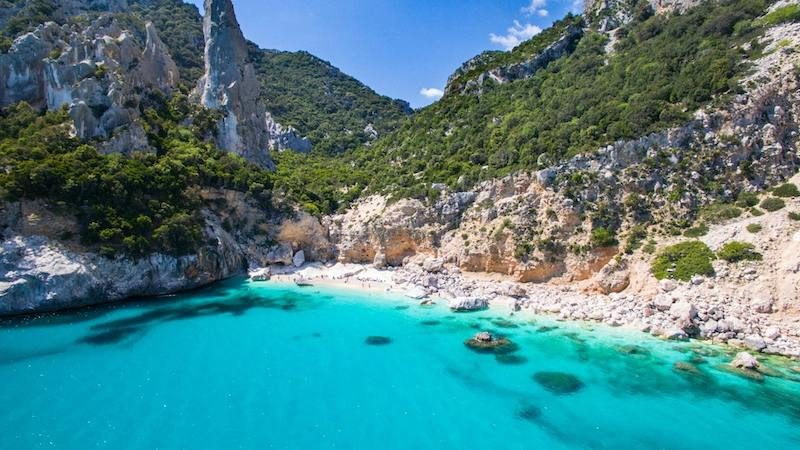
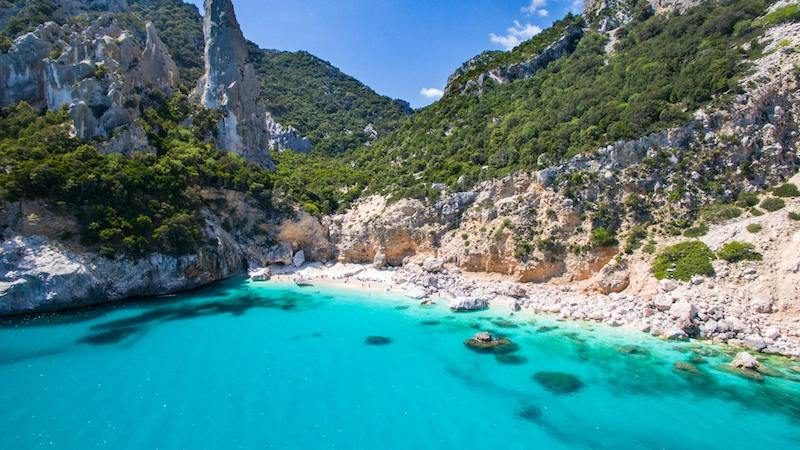
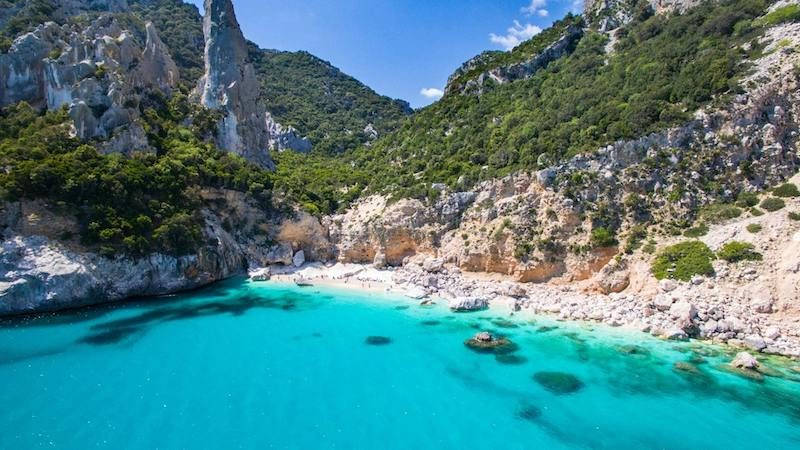
A secluded cove with pale pebbles, a limestone pinnacle and clear emerald water
Beaches for Kings/Best beaches/The best hidden beaches in Europe
Editor ranking

The best hidden beaches in Europe

The best European beaches are rarely the ones on the postcards. They sit at the end of a boat ride or a steep path, away from the loungers and the loudspeakers, and they reward the effort with water and silence the famous bays lost long ago. These are the hidden beaches worth finding, ranked, each with the honest verdict.
10
Beaches
7
Countries
Effort
Required
Honest
Verdicts
Book a beach club
Photo: Carlos Alberto do Amaral via Google
Published 19 January 2026. Last reviewed 28 February 2026

The verdict

  • Who it is for. Travellers who will trade easy access for space and beauty, walkers and small boat trippers, and anyone who has had enough of fighting for a sunbed in high summer.
  • The pick. Cala Goloritze in Sardinia for the most spectacular reward, Kedrodasos on Crete for wild simplicity, and Stiniva Cove in Croatia if you want a near perfect inlet that earns its reputation.
  • The one thing to know. Hidden almost always means harder to reach and short on facilities, so most of these need a hike, a boat or both, and you should carry your own water, shade and food and check that access is open for the season.
The brief

Why these made the list

Hidden is a relative word in a continent as travelled as Europe, so we have been strict about it. Every beach here demands something in return for its beauty, a walk down a cliff, a boat from the nearest harbour, a rough track that keeps the coaches away. None of them have a row of beach clubs, and that is precisely the point. The reward is the increasingly rare experience of a beautiful European shore that has not been completely tamed.

We have ranked these coves and bays on how beautiful they are, how genuinely quiet they remain and whether the effort to reach them is worth it, and kept the verdicts honest about the practicalities. We tell you what each one asks of you, from the steepness of the path to the lack of shade, so you arrive prepared rather than disappointed.

The ranking

Ten secret shores, ranked

The best European beaches are rarely the ones on the postcards. They sit at the end of a boat ride or a steep path, away from the loungers and the loudspeakers, and they reward the effort with water and silence the famous bays lost long ago. These are the hidden beaches worth finding, ranked, each with the honest verdict.

1
A protected gulf cove of white pebbles and emerald water beneath a soaring limestone pinnacle.Photo: Carlos Alberto do Amaral via Google
Sardinia, Italy

Cala Goloritze

Cala Goloritze on the Gulf of Orosei is the most spectacular hidden beach in the Mediterranean, a tiny cove of pale pebbles below a dramatic rock spire, reached by a steep walk down from the plateau or by boat. Verdict: the finest reward for effort in Europe, but numbers are capped and the descent is demanding, so book the access slot, bring good shoes and water, and start early. There is no shade and no kiosk, only the view and the water.

Protected coveSteep walk inNo facilities
2
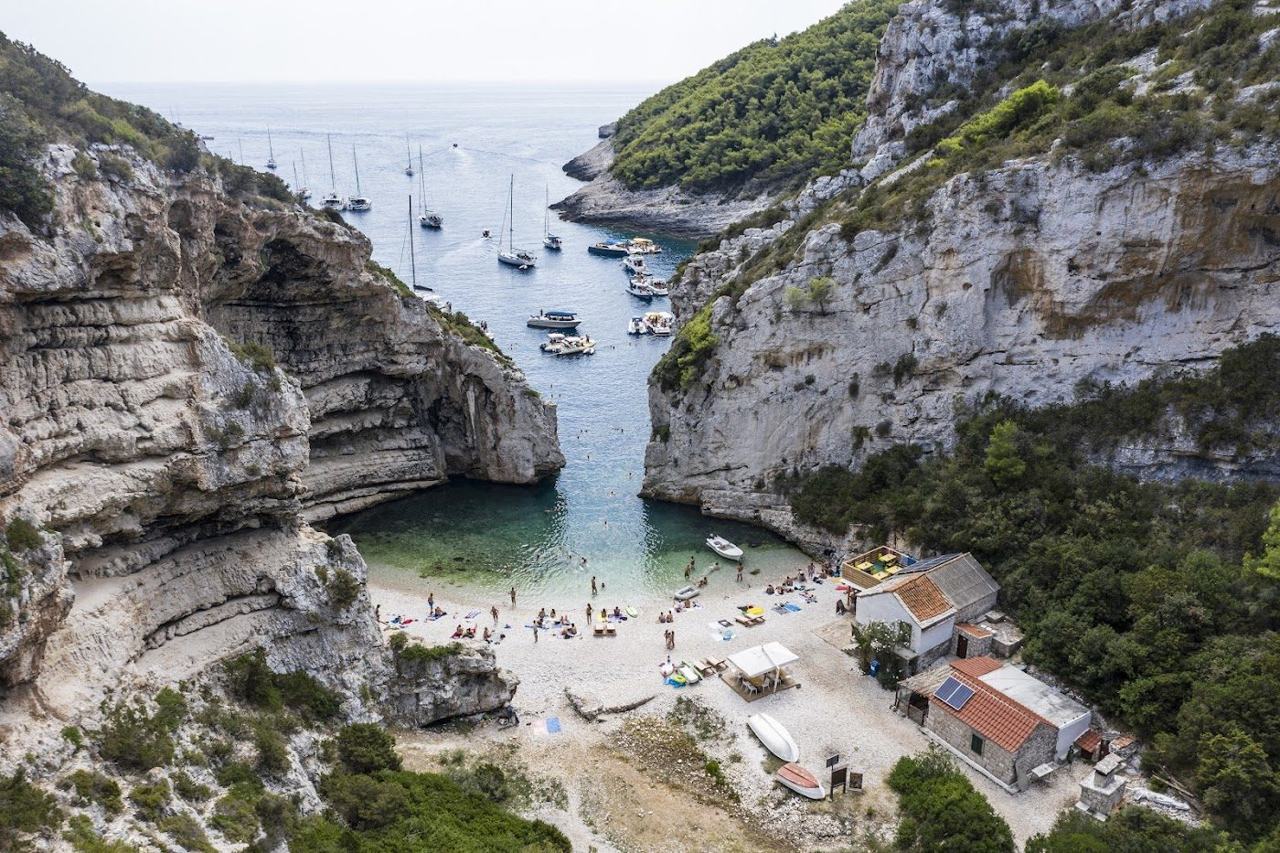
A near enclosed pebble inlet on remote Vis, where cliffs almost meet over a narrow turquoise mouth.Photo: Vladimír Paško via Google
Vis, Croatia

Stiniva Cove

Stiniva on the far flung island of Vis is a horseshoe cove almost sealed off from the sea by towering cliffs that leave only a narrow gap. Verdict: one of the most photogenic inlets in the Adriatic and best reached by boat, since the alternative is a steep, rough scramble down the cliff. Go by small boat or tour from Vis town, arrive early before the day boats, and you get a natural amphitheatre of rock and clear water.

Cliff inletBoat accessRemote island
3
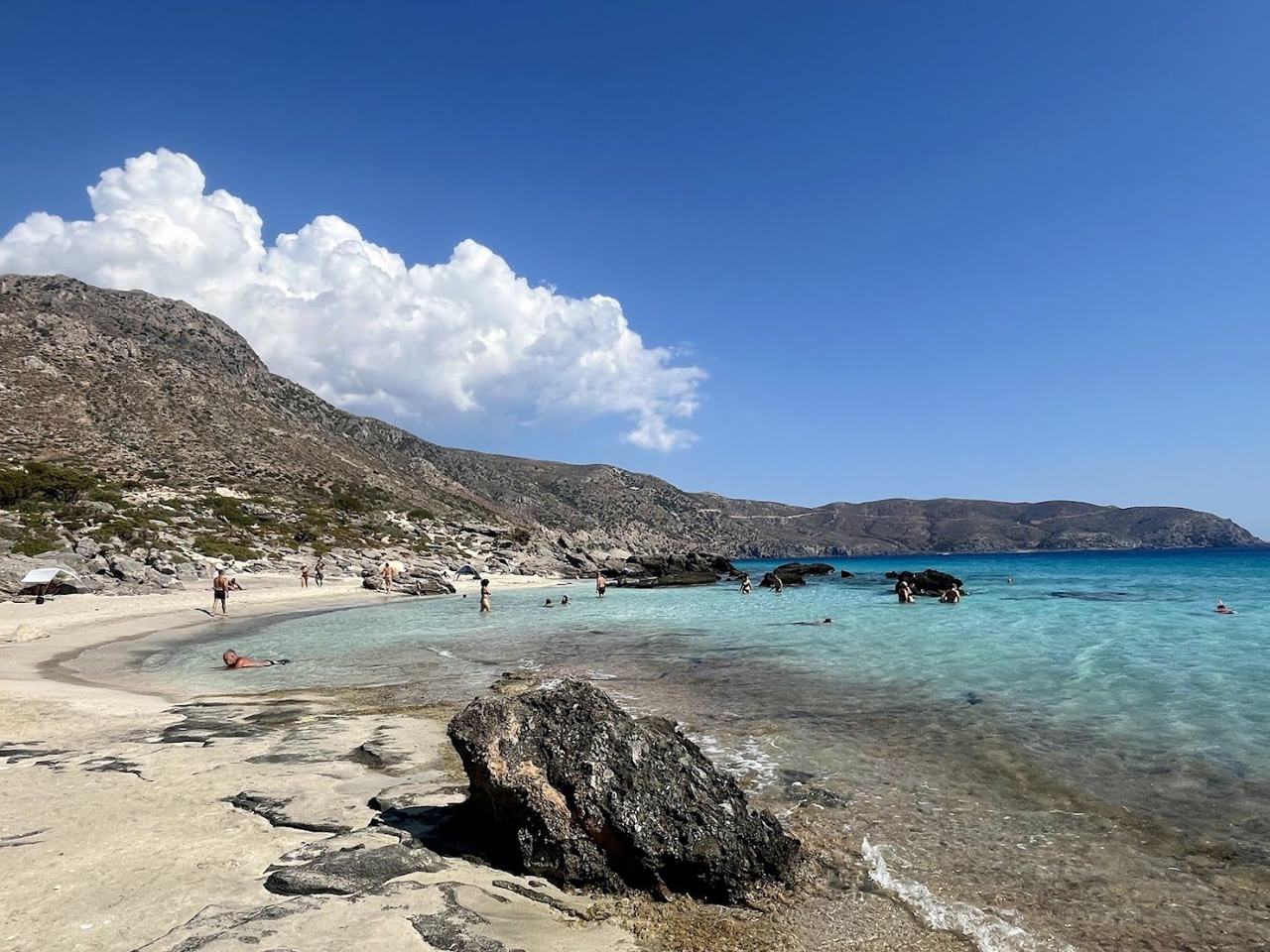
A wild juniper backed beach of pale sand and clear shallows next to busy Elafonissi, but blissfully empty.Photo: Danilo Francioni via Google
Crete, Greece

Kedrodasos

Kedrodasos lies a short walk from famous Elafonissi yet feels a world apart, a wild beach of soft sand and cedar like junipers with no development at all. Verdict: the best hidden beach for those who want Elafonissi's water without its crowds, reached by a rough track and a short scramble, with no facilities and free spirited campers for company. Bring everything, respect the dunes, and enjoy one of Crete's last truly natural shores.

Wild and emptyClear shallowsNo development
4
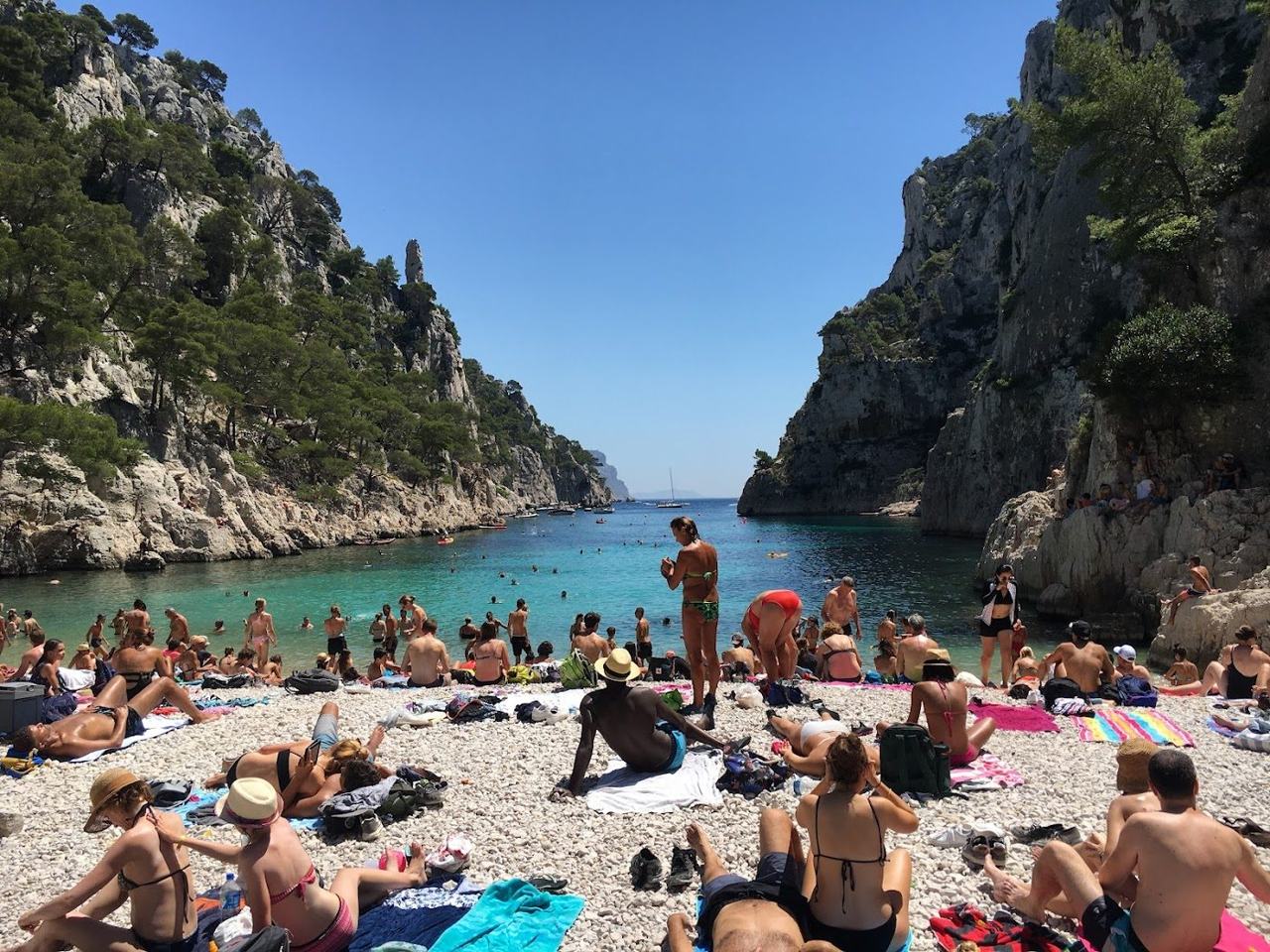
A slim white pebble beach deep inside a limestone fjord between Cassis and Marseille.Photo: Efrain Ruh via Google
Cassis, France

Calanque d'En Vau

Calanque d'En Vau is the jewel of the Calanques National Park, a narrow beach of bright pebbles at the head of a steep walled inlet of white limestone and pine. Verdict: the most dramatic mainland cove here, reached by a long hot hike or by kayak and boat from Cassis, with no facilities and limited summer access to protect the park. Walk in early in good shoes or paddle in, and bring water for a setting that feels almost alpine by the sea.

Limestone fjordLong hikeNational park
Editor pick
5
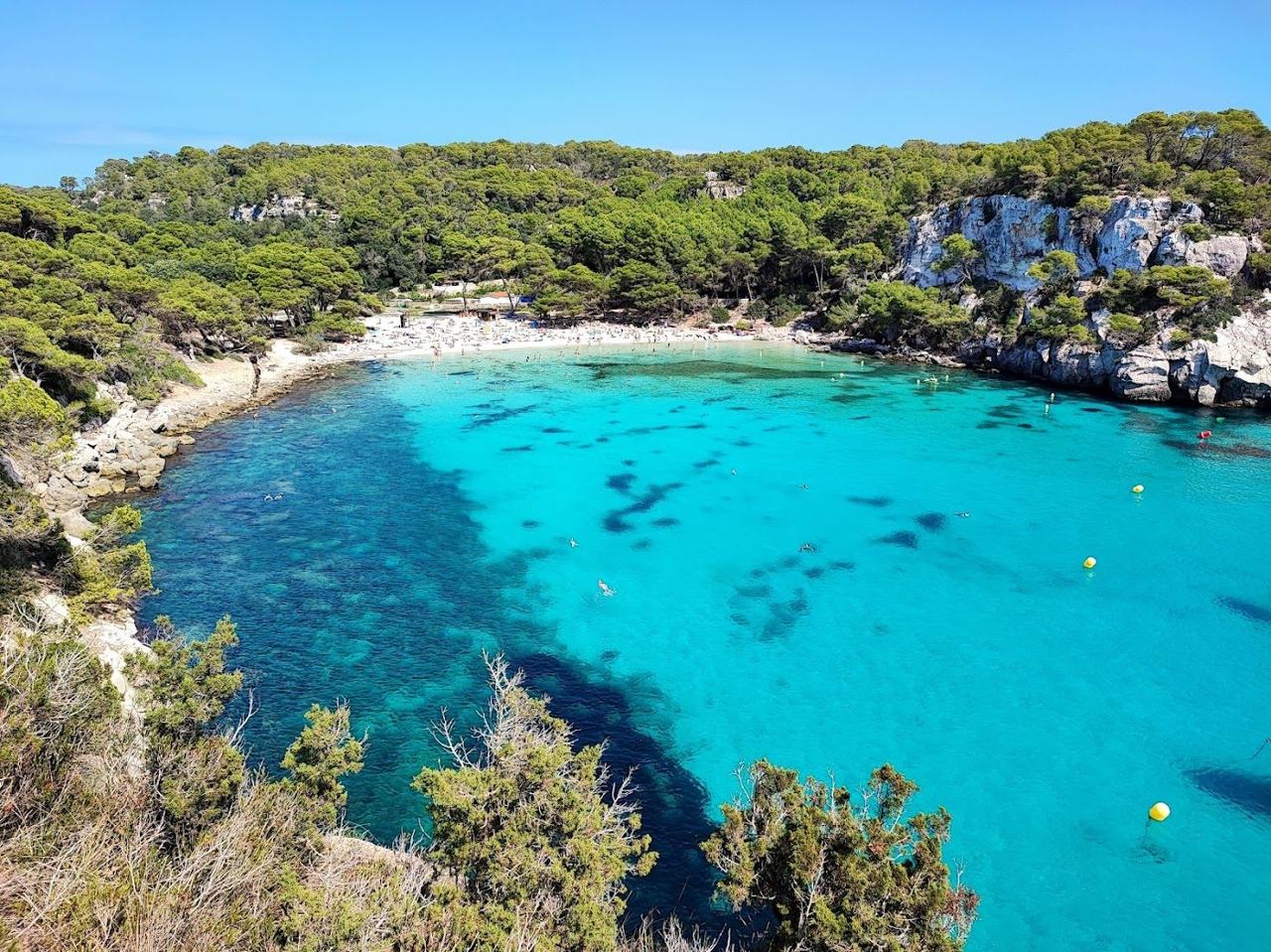
A small, fine sand cove of impossibly clear water reached on foot through pine woods on Menorca's south coast.Photo: Flo Clbl via Google
Menorca, Spain

Cala Macarelleta

Cala Macarelleta is the quieter twin of Cala Macarella, a compact crescent of white sand and luminous turquoise water tucked into the cliffs of southern Menorca. Verdict: the prettiest easy hidden beach here, reached by a coastal path through pine forest rather than a road, which keeps it calmer than its neighbour. Walk the short trail from Macarella or the longer Cami de Cavalls, go early in summer, and bring your own shade for a postcard cove.

Turquoise waterPine pathSmall cove
Editor pick
6
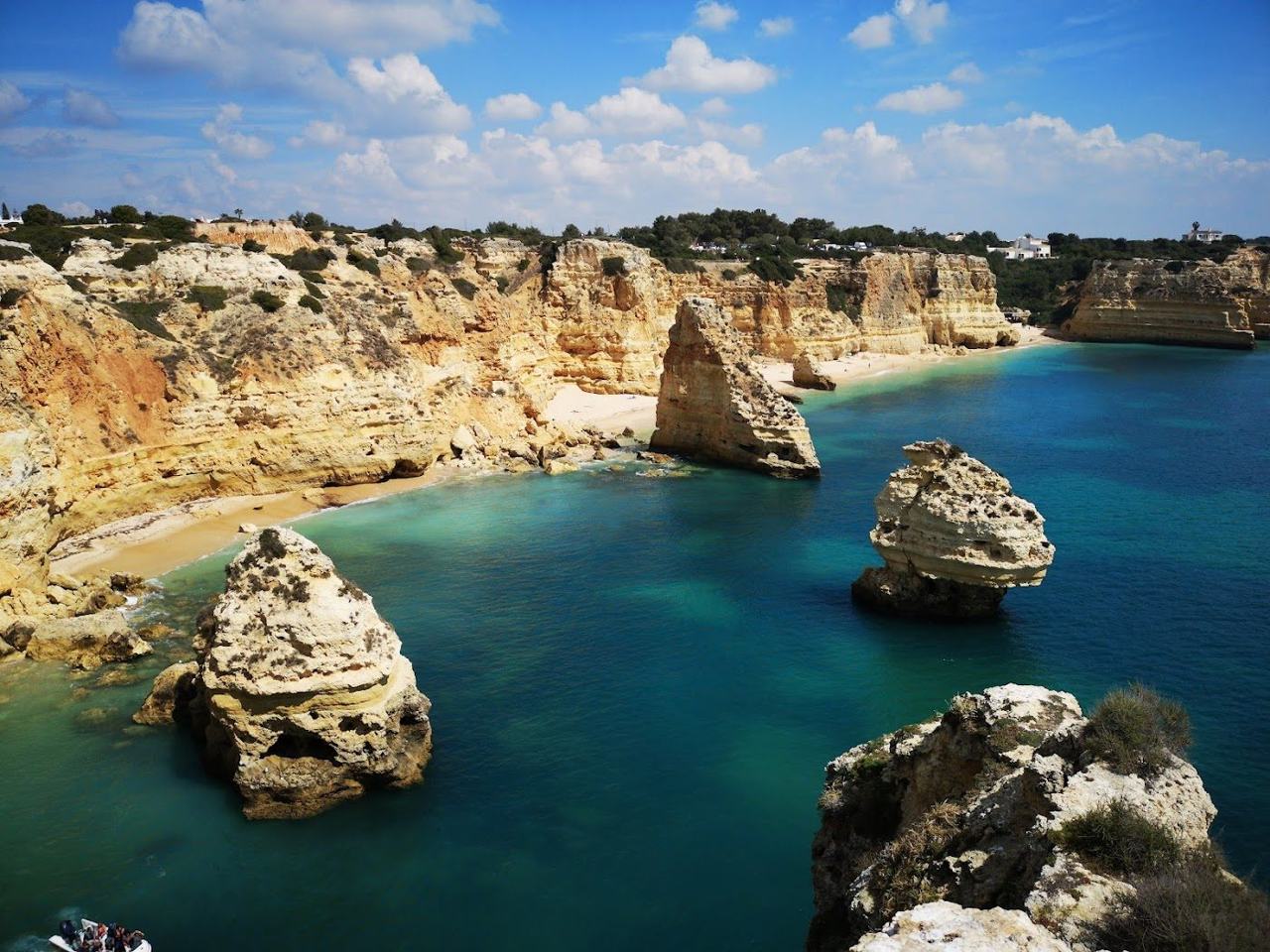
Golden cliffs, sea arches and clear water on one of the Algarve's most beautiful yet still quiet beaches.Photo: Simon Osborn via Google
Algarve, Portugal

Praia da Marinha

Praia da Marinha sits below a clifftop trail of ochre rock and sculpted arches on the Algarve's central coast, a beach famous for its beauty yet still calmer than the resort strands nearby. Verdict: the best hidden beach for cliff scenery with manageable access, reached by a long flight of steps from the clifftop car park, with limited facilities at busy times. Come early or late, walk the Seven Hanging Valleys path above, and the crowds thin quickly.

Sea archesCliff stepsClear water
7
A former quarry turned swimming cove of vivid blue water and pale tufa rock off western Sicily.Photo: Lauretta Costa via Google
Favignana, Sicily

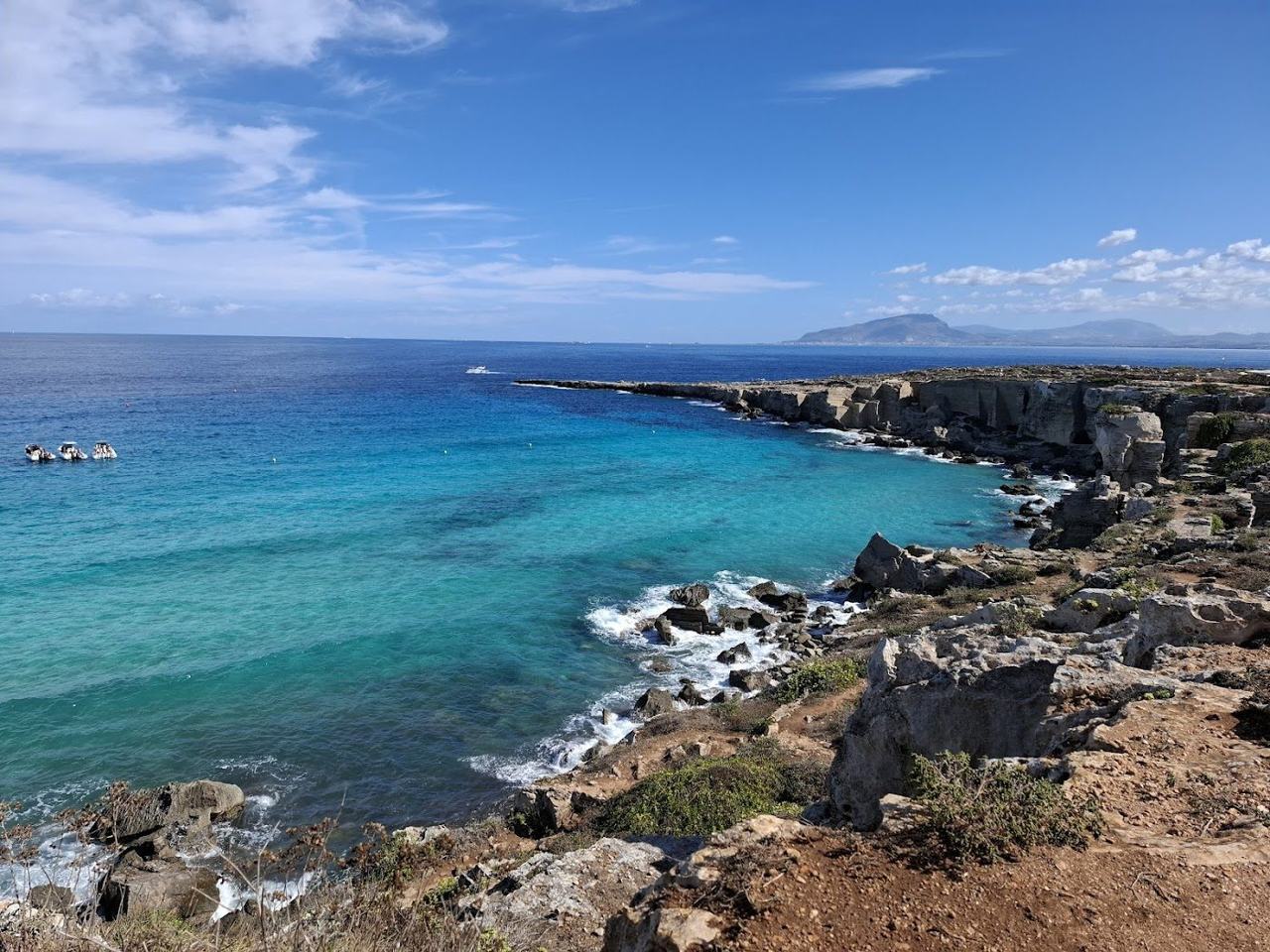
Cala Rossa

Cala Rossa on the island of Favignana is an old tufa quarry reclaimed by the sea, where sheer pale cliffs drop into water of an almost unreal blue. Verdict: the most unusual hidden swim in this guide, reached by bike and a short scramble over the rocks rather than a sandy stroll, with no beach as such, just ledges to dive and snorkel from. Hire a bike on the island, wear water shoes, and bring a mat for the rock.

Quarry coveVivid blueRock entry
8
A lunar landscape of white volcanic rock and a small inlet of deep blue water on the Cycladic island of Milos.Photo: Oleg Vasilkov via Google
Milos, Greece

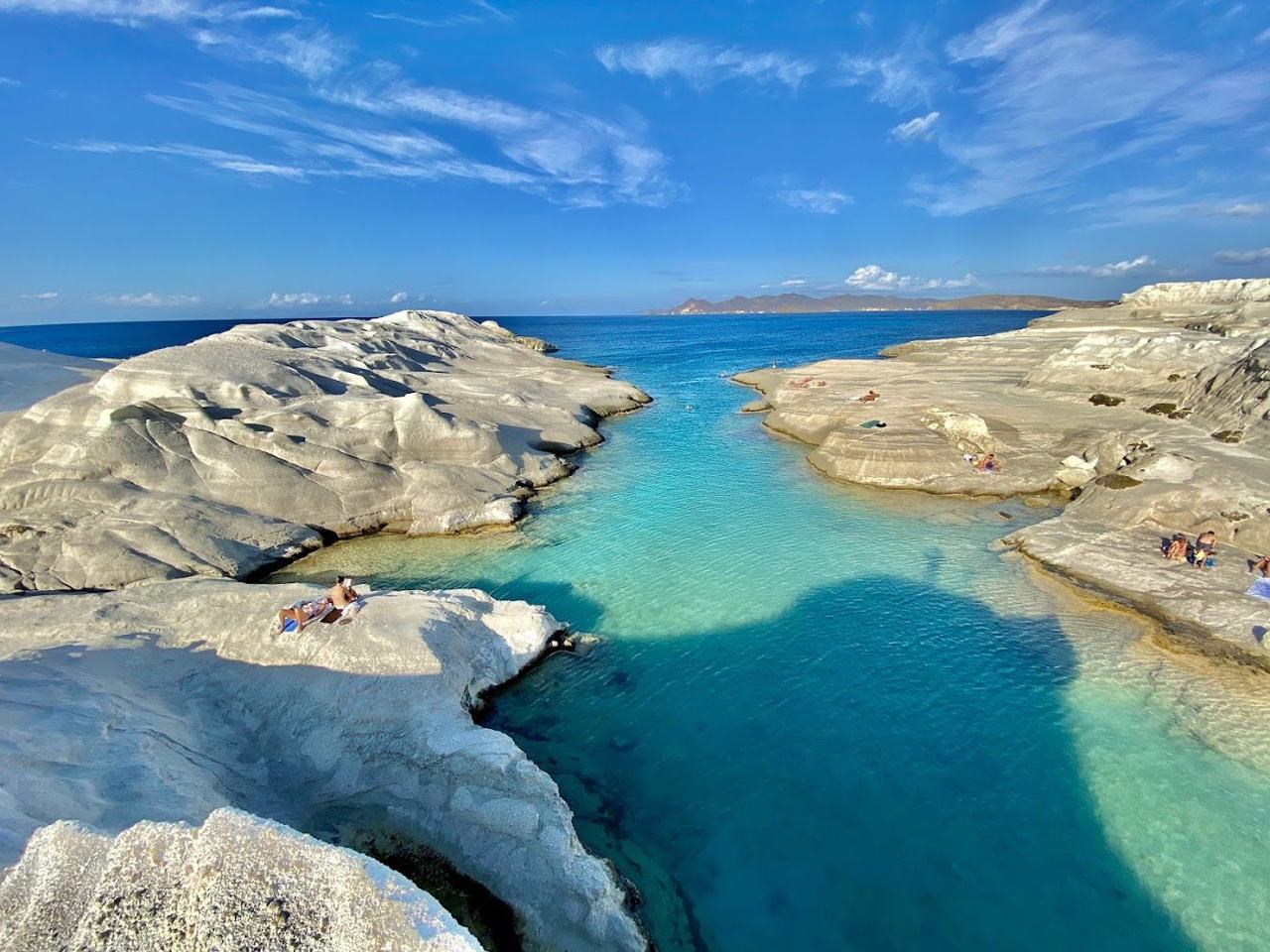
Sarakiniko

Sarakiniko on Milos looks like nowhere else in Europe, a sweep of smooth white volcanic rock sculpted by wind and sea around a narrow inlet of dark blue water. Verdict: the most otherworldly spot here and surprisingly easy to reach by road, though there is almost no sand and the swimming is from the rocks into deep water. Go at sunrise or sunset for the colours, wear shoes for the sharp rock, and take care diving where the inlet is deep.

Lunar rockDeep blue inletEasy access
Editor pick
9
A wild white sand beach in the Desert des Agriates, reached only by boat or a long rough track.Photo: Jean pierre BIrbes via Google
Corsica, France

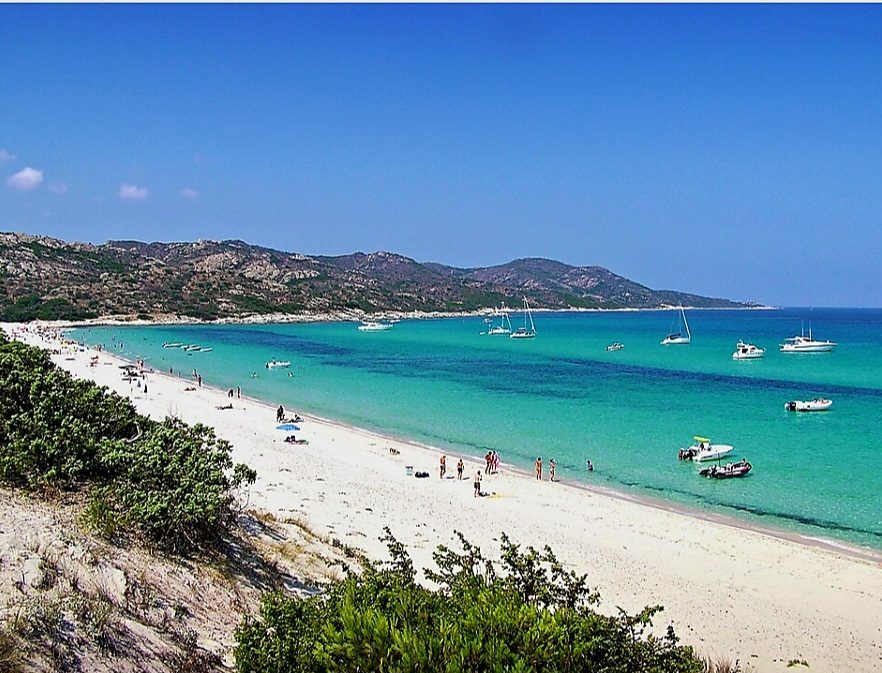
Plage de Saleccia

Saleccia in Corsica's Desert des Agriates is a kilometre of white sand and clear water backed by dunes and scrub, kept wild by its near total lack of road access. Verdict: the best wild sand beach on this list, a Caribbean grade shore that stays empty because you must take a boat from Saint Florent or brave a long, very rough track. Go by boat for ease, bring all supplies, and you get one of the Mediterranean's great empty beaches.

White sandBoat accessWild dunes
10
A pebble and sand cove at the mouth of a canyon on Albania's still uncrowded Ionian coast.Photo: Gabriel Matis via Google
Albania

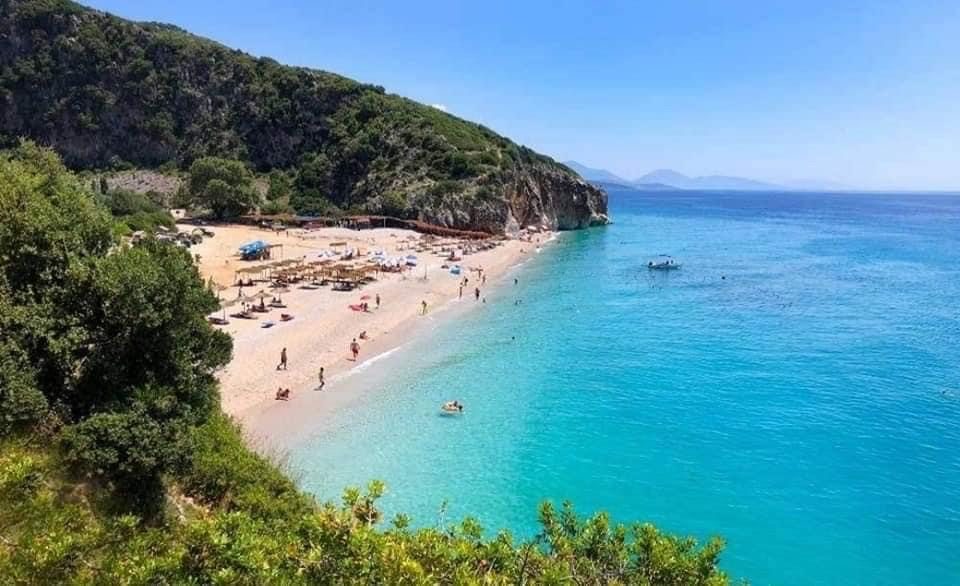
Gjipe Beach

Gjipe sits where a dramatic canyon meets the sea on the Albanian Riviera, a cove of fine pebbles and sand that remains one of the quietest good beaches in Europe. Verdict: the best value hidden beach here and a glimpse of the Mediterranean as it once was, reached by a rough track and a walk down the canyon, with only basic seasonal facilities. Drive or take a boat from Himare, walk in, and enjoy a coast that the crowds have not yet found.

Canyon mouthUncrowdedGreat value
Editor pick
Honest notes

Reaching the quiet ones

Plan the logistics before you fall for the photo. The most rewarding hidden beaches need a real walk in proper shoes, a boat booked from the nearest port, or an early start to beat both the heat and the small crowd that even secret places now draw. Once you know how you are getting there and back, the day becomes a pleasure rather than a scramble.

Bring your own everything. These beaches rarely have a kiosk, sunbeds or reliable shade, so pack water, snacks, an umbrella and sun protection, and take all your rubbish home. Several sit within nature reserves where the rules protect fragile dunes and posidonia meadows, so stick to marked paths. Sea and access conditions here are typical of wild coastlines and can shift with the weather, so check before you set out.

Questions, answered

Common questions

What counts as a hidden beach in Europe?

For this guide, a hidden beach is one that stays genuinely quiet because it is hard to reach, with no row of beach clubs or easy car access. Every beach here needs a walk, a boat or a rough track to get to, which is exactly what keeps the crowds away.

Which hidden beach gives the biggest reward for the effort?

Cala Goloritze in Sardinia is the standout, a protected cove reached by a steep walk down and rewarded with a soaring limestone pinnacle and clear water. Stiniva Cove in Croatia and Kedrodasos on Crete are close behind for beauty against effort.

Do I need a boat to reach these beaches?

Some yes, some no. Several can be reached on foot by a path or track, such as Cala Goloritze and Kedrodasos, while others like the calanques near Cassis and the Croatian coves are easiest or only sensible to visit by boat. Each entry notes what it takes.

Are these beaches suitable for children or less mobile visitors?

Mostly not. The defining feature of these beaches is difficult access, often a steep descent or an exposed track with no facilities at the bottom. Families with young children or anyone with limited mobility will be more comfortable at an organised beach with easy parking and amenities.

When is the best time to visit hidden European beaches?

Late spring and early autumn are ideal, with warm water, settled weather and far fewer people than the July and August peak. Even hidden beaches see more visitors in high summer, so going either side of it gives you the best chance of having the place close to yourself.

Reserve your day

Book a beach club in a hidden European beach

Tell us the destination, the date and your party and we will line up the right club daybed or cabana and send you the options to confirm. No charge to enquire.

  • We match you to the right club for the day
  • Daybeds, cabanas and sunbeds
  • Tell us the date and the party size
  • No booking fee to enquire

We may earn a commission from some bookings at no cost to you.