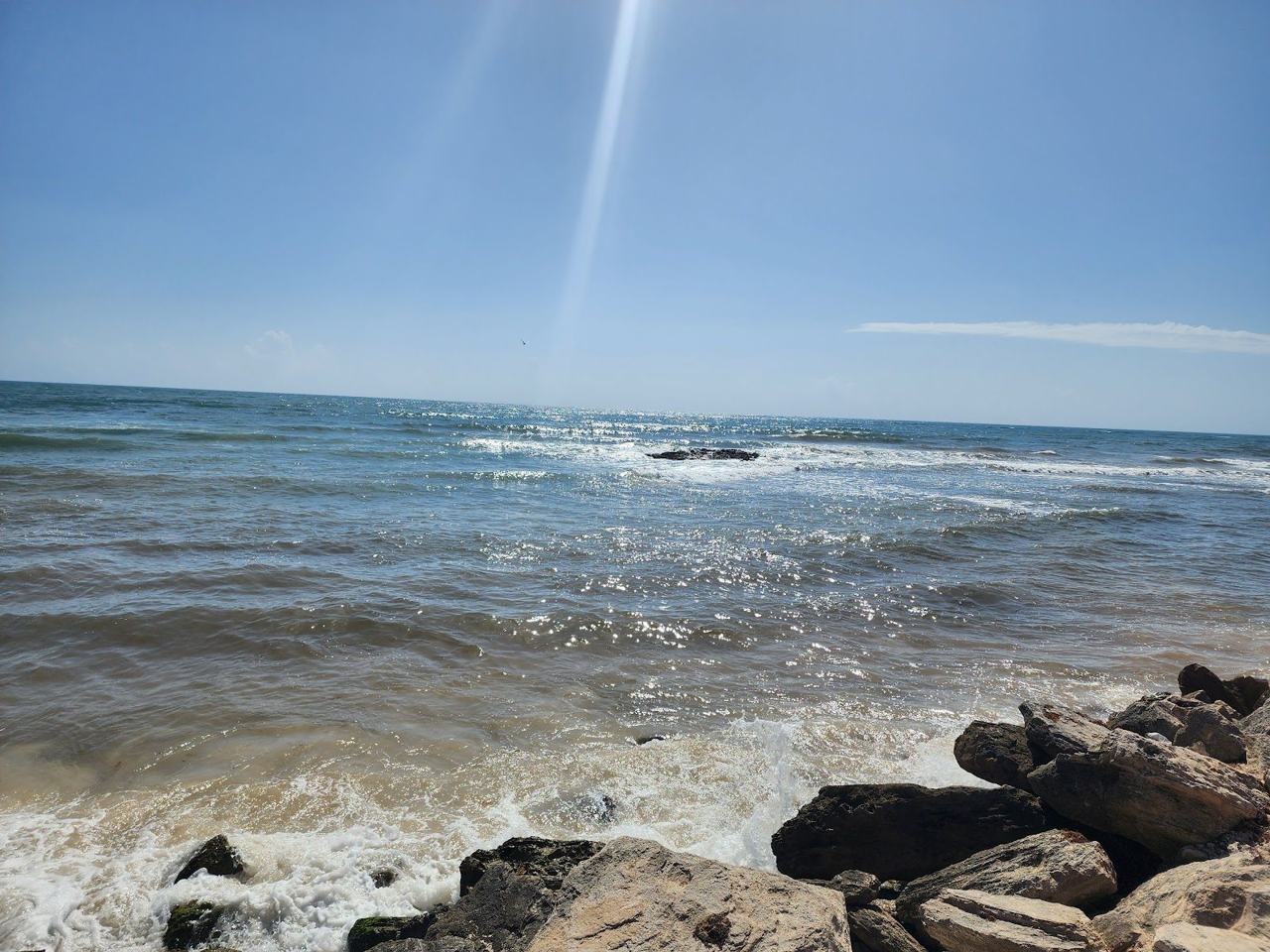
 Photo: Clara Pérez via Google
The verdict
- Best forBeach travellers who want warm dry weather and will pay peak prices for the cleanest sand and calmest sea.
- Top pickLate November to early April for the dry season and the lowest sargassum risk.
- One thing to knowSargassum seaweed, not rain, is the variable that most often spoils a Tulum beach day, and it peaks in the warm months.
Published 26 February 2026. Last reviewed 22 May 2026
Tulum has warm water all year, so the question is rarely whether you can swim and almost always what else is going on, the heat, the rain, the crowds and above all the seaweed. Get the timing right and you land soft sand, clear turquoise water and balmy evenings. Get it wrong and you can meet thick sargassum, sticky heat or a packed and pricey strip.
The dry season runs from roughly late November to April. This is the comfortable half of the year, with lower humidity, plenty of sun, calmer seas and the lowest chance of heavy seaweed. It is also the peak for crowds and prices, with Christmas, New Year and the spring break weeks the busiest and most expensive of all.
From May the heat and humidity climb and the wet season builds, bringing afternoon downpours and, more importantly for the beach, the main sargassum risk from late spring into late summer. The Atlantic hurricane season formally runs June to November, and while a direct hit is unlikely on any given trip, September and October carry the highest storm risk and the wettest weather.
The smart shoulders are late November and the first half of December before the holiday rush, and the back half of April after spring break. Both tend to combine dry weather, reasonable seaweed odds and slightly softer prices, which is about as good as Tulum timing gets.
Month by month at a glance
| Month | Air | Sea | Rain | Crowd | Verdict |
|---|---|---|---|---|---|
| January | 28C | 26C | Low | Peak | Dry, sunny and busy, with the cleanest sand and calm seas. Prime time and priced like it. |
| February | 28C | 26C | Low | Peak | More fine dry weather and low seaweed risk, still busy. One of the best all round months. |
| March | 29C | 26C | Low | Peak | Warm and dry but spring break brings big crowds and high prices to the strip. |
| April | 30C | 27C | Low | Busy | Hot and dry, calmer after spring break, with sargassum starting to appear late in the month. |
| May | 32C | 28C | Moderate | Steady | Hot and humid as the wet season builds and seaweed risk rises notably. |
| June | 32C | 28C | High | Steady | Hot, humid and often weedy, with afternoon storms and the start of hurricane season. |
| July | 33C | 29C | High | Busy | Peak heat and a summer crowd, sargassum can be heavy, short sharp downpours. |
| August | 33C | 29C | High | Busy | Hot and humid with a real seaweed risk, lush and green inland between storms. |
| September | 32C | 29C | Very high | Quiet | Wettest month and peak storm risk, but quietest and cheapest, a gamble. |
| October | 31C | 28C | High | Quiet | Still wet and stormy early on, easing later, with seaweed beginning to fade. |
| November | 29C | 27C | Moderate | Steady | The turn toward the dry season, drier and calmer later in the month. A fine shoulder. |
| December | 28C | 26C | Low | Peak | Dry and pleasant, quiet early then packed and pricey over the holidays. |
When each month earns its place
February. The pick of the year for most beach travellers. Dry, warm without being brutal, calm seas and the lowest seaweed odds, all of which is why it is also busy and expensive. Book early and you get Tulum close to its best.
April. A month of two halves. The first weeks bring spring break crowds and a party energy to the strip, while the back half calms down with dry, hot weather and still reasonable seaweed risk. Late April is a quietly excellent and slightly cheaper window.
July. High summer means peak heat, a holiday crowd and the highest sargassum risk of the year, when the open beaches can be buried for stretches. Storms are short and sharp rather than all day. A good time to plan cenote days as insurance against a weedy coast.
September. The quietest and cheapest month, and the riskiest. Rain peaks, the Atlantic hurricane season is at its height and seaweed can linger, so it is a genuine gamble. Travellers who get lucky find an empty, bargain Tulum, those who do not meet storms and weed.
November. An underrated shoulder. As the month goes on the air dries, the sea calms and the seaweed fades, while prices and crowds stay below the December peak until the holidays arrive. Late November is one of the smartest times to come.
Get the Tulum beach calendar
Independent and honest · 1,340 beaches ranked across 103 destinations · We answer to no resort
Before you go
What is the best month to visit Tulum?
February is the all round sweet spot, with dry sunny weather, calm seas and the lowest sargassum risk, though it is busy and pricey. For value, late November and the back half of April offer similar dry conditions with smaller crowds and softer prices.
When is the sargassum season in Tulum?
The heaviest seaweed usually runs from late spring into late summer, roughly May to August, though it varies year to year and week to week. The dry winter months from late November to April carry the lowest risk, which is the main reason they are peak season.
Is it worth visiting Tulum in the rainy season?
It can be, if you accept the trade. From May to October you get fewer crowds and lower prices, but more heat, humidity, afternoon storms and a higher seaweed risk. Planning cenote and inland days gives you a reliable backup when the coast is weedy or wet.
When is hurricane season in Tulum?
The Atlantic hurricane season runs June to November, with the highest risk in September and October. A direct hit on any single trip is unlikely, but those two months bring the wettest, stormiest weather of the year and are best approached with flexible plans and travel cover.
When is the sea calmest and clearest in Tulum?
The dry season from late November to April generally brings the calmest, clearest water and the least seaweed. Mornings are reliably the most settled time to swim across the year, before any afternoon wind or storms build, so plan water time early.