The verdict on Tankah Bay
- Who it suitsSnorkelers and calm water lovers who want a sheltered bay, a freshwater cenote on the doorstep and far fewer people than the Tulum hotel zone.
- Best spotThe reef sheltered water in the heart of the bay for snorkeling, paired with a float in the nearby cenote where fresh water meets the sea.
- One thing to knowThis is a quiet bay of small hotels rather than a long open beach, so the sand is modest and most easy access comes through staying or booking in.
Published 14 January 2026. Last reviewed 11 March 2026
Tankah Bay sits north of the Tulum hotel zone and feels like a different, gentler coast. Instead of a long open beach lined with clubs, you find a calm reef sheltered cove backed by small hotels, where the water stays clear and the pace drops. For anyone tired of the scene further south, that quiet is the whole point.
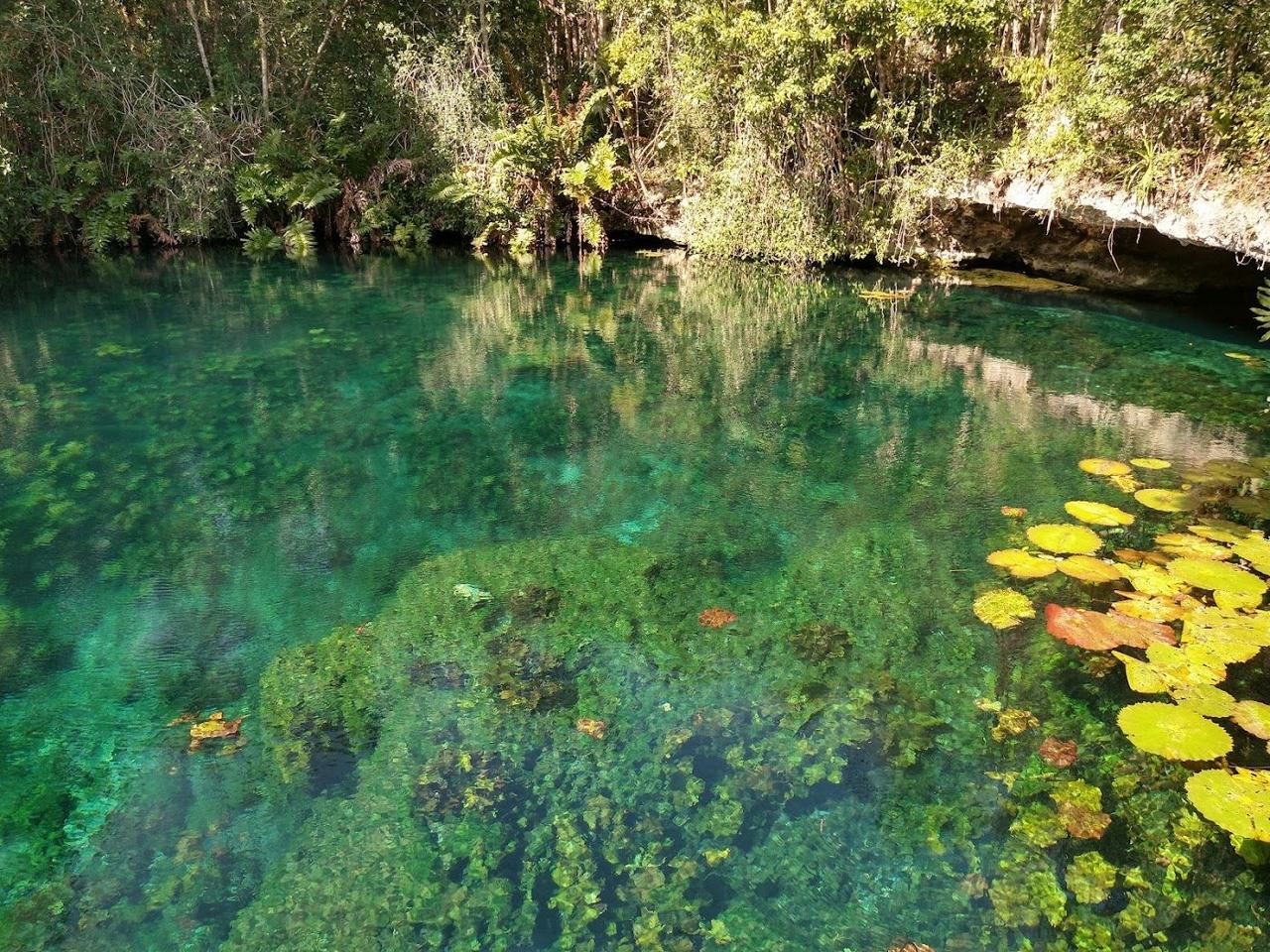
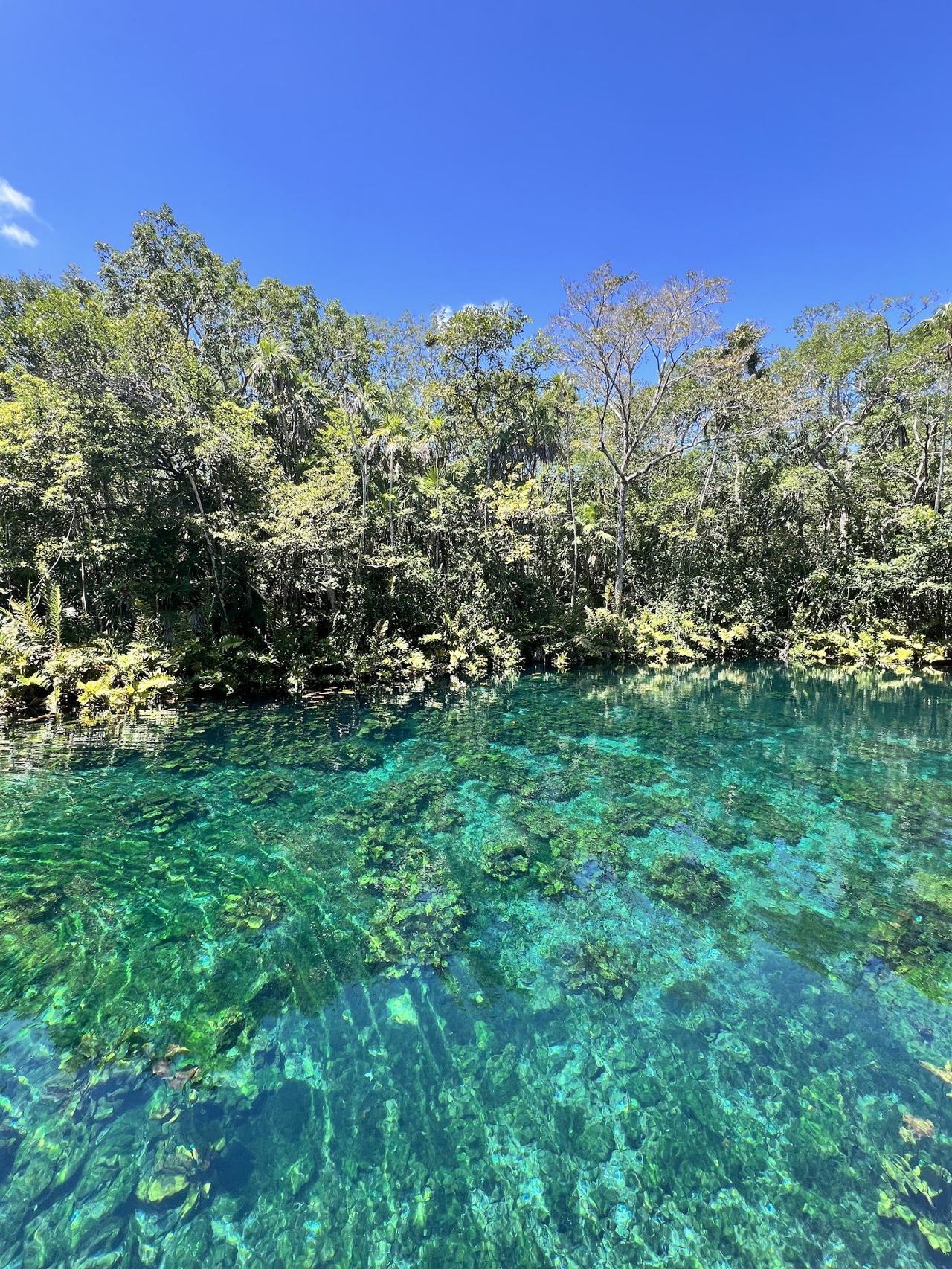
Two things make the bay special. The reef just offshore keeps the water calm and good for snorkeling, with fish and seagrass close to the surface, and a freshwater cenote sits right beside the sea so you can float between salt and fresh on the same visit. It is an unusual combination that you do not get on the open hotel zone beaches.
Set your expectations on the sand, though. This is a bay of pockets rather than a broad beach, and most of the frontage belongs to small hotels, so the simplest way to enjoy a full day is to stay or to book in somewhere. Public access is limited and there is little in the way of public service on the shore.
Choose Tankah Bay for calm water, snorkeling and the cenote rather than a wide sweep of sand. If you want a long open beach, Playa Paraiso in the hotel zone is broader and livelier, while Playa Pescadores gives you the central scene. For verified hotels and clubs along the coast, use our Tulum beach clubs directory.
Clubs on and near Tankah Bay
Tankah Bay is a quiet cove of small hotels and a cenote rather than a public club strip, and we never invent venues, prices or status. For the hotels and clubs we have verified along the Tulum coast, use the Tulum beach clubs directory.
Cenote and bay frontage
The cenote operation and small hotels hold the frontage here, so access and service come through them rather than a public beach club. We confirm any venue before listing it.
Small hotel shore
Low key hotels ring the bay, so loungers and amenities belong to guests rather than a public club on open sand.
Tankah Bay, Tulum, Mexico
Tankah Bay lies north of the Tulum hotel zone, reached by a turnoff from the main highway and a short access road to the cove. It is an easy drive or taxi from Tulum town, though public transport is limited, so a car or arranged ride is simplest.
Bring your own snorkel gear if you can, plus water and sun cover, since services on the shore are limited. Snorkel within your limits, watch for boats in the bay and judge the water yourself, as there is no reliable lifeguard.
Not ready to book?
Keep the good shorelines coming. Shore Notes is our occasional letter on the best beaches and the clubs worth your day, sent straight to your inbox. One field, unsubscribe any time.
Reserve a daybed near Tankah Bay
Send your details and we will help arrange a beach club or daybed booking near Tankah Bay and along the Tulum coast. We confirm current minimum spend and availability with the venue before you commit. Nothing is charged here.
Independent and honest · 1,340 beaches ranked across 103 destinations · We answer to no resort
Tankah Bay FAQ
Is Tankah Bay good for snorkeling?
Yes, it is one of the calmer snorkeling spots near Tulum. The offshore reef keeps the water sheltered and clear, with fish and seagrass close to the surface. Snorkel within your limits and watch for boats.
Is there a cenote at Tankah Bay?
Yes. A freshwater cenote sits right beside the sea, so you can float between fresh and salt water on the same visit. It is one of the features that sets the bay apart from the open hotel zone beaches.
Does Tankah Bay have a big beach?
No. It is a calm cove with modest pockets of sand rather than a long open beach. People come for the sheltered water, the snorkeling and the cenote more than for a broad sweep of sand.
Can you visit Tankah Bay for the day?
You can, but access is limited. Most frontage belongs to small hotels and the cenote operation, so plan ahead. Staying or booking in is the easiest way to enjoy a full day at the bay.
When is the best time to visit Tankah Bay?
The drier months from November to April bring the calmest, clearest water for snorkeling and the lowest chance of sargassum. Mornings are quietest before any afternoon wind picks up.