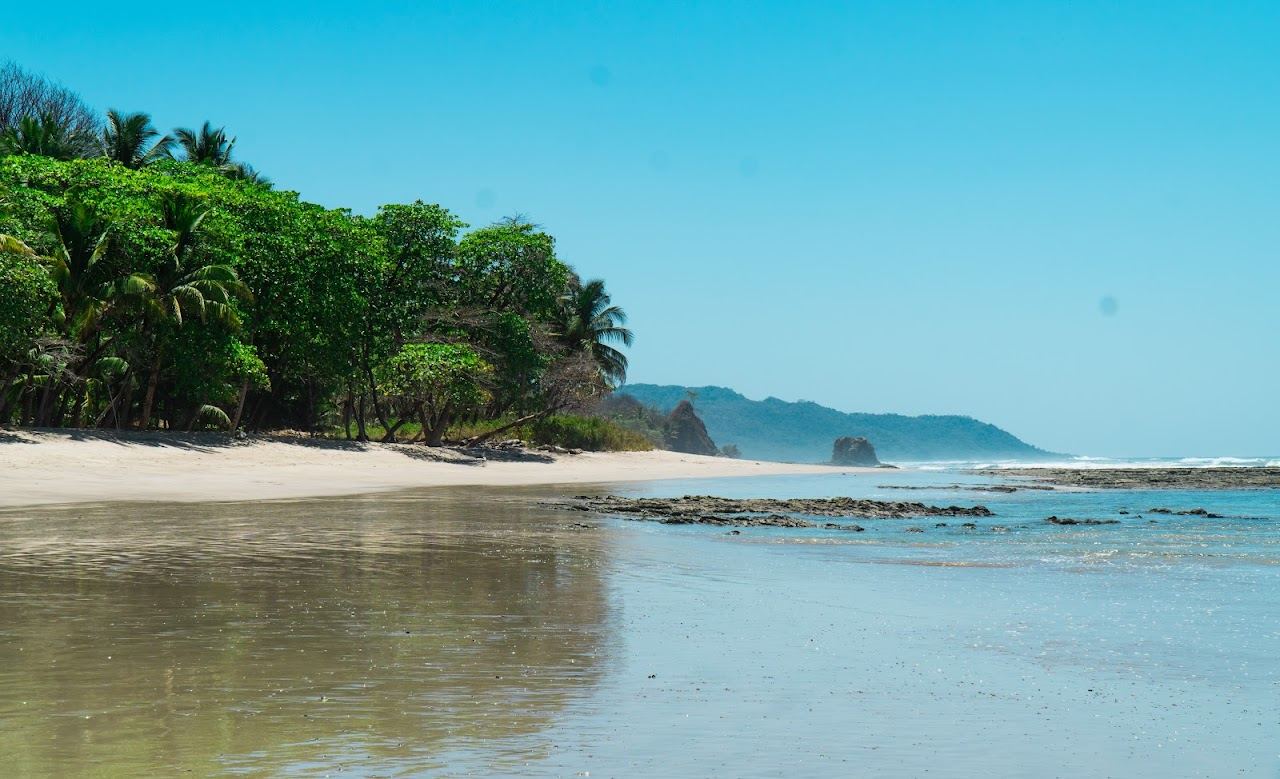
 Photo: Arl Robin Ferhati via Google
When to Go to Santa Teresa
Reading the calendar for dry sun, the best swell and the right kind of quiet.
The verdict
- Best forTravellers weighing dry sunny weather against the green season surf, the rough roads, the crowds and the prices on the Nicoya coast.
- Top pickDecember to April for the surest sun, or May to October for the most reliable surf and fewer crowds, with November the smartest value of all.
- One thing to knowSanta Teresa has two clear seasons, a dry sunny half and a green rainy half, and the final roads turn rough in the rains, so the swell and the road matter as much as the sun.
Published 26 March 2026. Last reviewed 7 May 2026
Santa Teresa keeps two calendars, a dry sunny half and a green rainy half, and which one you choose shapes the trip more than the choice of beach. The town sits near the tip of the Nicoya Peninsula on an open Pacific coast, so the weather is strongly seasonal, the surf swings with the swell, and the long final road in is smooth and dusty in one season and slick with mud in the other. Pick your week with the waves, the rain and the road in mind, not just the sun.
The dry season runs roughly from December to April. Rain all but vanishes, the sky stays a hard blue from breakfast to a long golden sunset, and the town fills with surfers, yogis and the holiday crowd. The trades are real, heat and red dust on the roads, the highest prices of the year, and a beach break that can turn small and crowded, with the sharpest crush around Christmas, New Year and Easter week.
The green season, from May to November, flips the picture. Mornings are often bright and the afternoons bring warm downpours that clear as fast as they arrive, the hills turn vivid green, and the crowds and prices fall away. Crucially for surfers this is also the prime swell window, as the south swells that feed this coast peak from around April to October, so the waves are at their most reliable just as the town quietens. The cost is the road, which can get rough and muddy, so a four wheel drive earns its keep.
The sea stays warm and surfable every month, so the real question is what you want from the days around it, sure sun and a scene, or better waves, lower prices and a little rain. Below is a month by month read, then notes on the months that most reward a visit. Treat all of it as the typical pattern rather than a promise, because the swell, the rain and the state of the road shift from year to year.
Month by month at a glance
| Month | Air | Sea | Rain | Crowd | Verdict |
|---|---|---|---|---|---|
| January | Warm | Warm | Low | High | Dry, bright and busy, with smaller surf and peak season crowds |
| February | Warm | Warm | Low | High | Reliably sunny and dusty, the heart of the dry high season |
| March | Hot | Warm | Low | High | Hot and dry with the dustiest roads, sun is a sure thing |
| April | Hot | Warm | Low | Medium | Hot before the rains, the first good swells, crowds easing |
| May | Warm | Warm | Medium | Medium | First green rains and rising swell, prices begin to drop |
| June | Warm | Warm | Medium | Low | Green, quiet and good surf with short afternoon showers |
| July | Warm | Warm | Medium | Medium | A brighter spell often lifts midsummer, solid waves |
| August | Warm | Warm | Medium | Medium | Warm sea, green hills and reliable swell, gentle crowds |
| September | Warm | Warm | High | Low | Wettest month, deeply green, cheapest, strong surf |
| October | Warm | Warm | High | Low | Heavy rain and rough roads but excellent waves and value |
| November | Warm | Warm | Medium | Medium | Rains fade fast, green and quiet, the sweet spot for value |
| December | Warm | Warm | Low | High | Dry season and crowds return with the holiday rush |
When each month earns its place
March. March is the driest, hottest and surest month for sun, the easy pick if all you want is a guaranteed blue sky over the beach. The catch is the dust and the heat, which ask for an early surf and a long lunch in the shade, and a beach break that often runs small. Order a casado and a cold drink at a soda on the main road, wait out the midday glare, and paddle out again in the softer afternoon light.
July. July often brings a brighter spell that interrupts the green season with a run of clearer days, and it lands at a sweet point in the surf calendar with solid, reliable swell. It is one of the smartest windows of the year, green hills, a warm sea, decent waves and crowds and prices well below the December peak. Mornings are usually clear, so surf early and leave the steamier afternoons for the cafes, the bakeries and a long table of fresh fish.
September and October. These are the wettest, quietest and cheapest months, and for a surfer who does not mind rain and a muddy road they can be the best of the year. The swell is at its most consistent, the town feels almost local again, and the green hills and full rivers are at their most dramatic. Bring a four wheel drive and a relaxed plan, accept the odd washed out afternoon, and the combination of empty waves and low prices is hard to beat.
November. November is the sweet spot the regulars quietly guard. The rains taper through the month, the land is still green from the wet season, the roads begin to firm up, and the crowds and prices have not yet climbed for the holidays. You get much of the look and the value of the green season with the returning reliability of the dry, and often a last run of good swell, which is a rare and lovely combination on this coast.
Get the Santa Teresa beach calendar
Independent and honest · 1,340 beaches ranked across 103 destinations · We answer to no resort
Before you go
What is the best time to visit Santa Teresa?
For dependable sun, December to April is the easy answer, with hard blue skies and the busiest, dustiest town. Surfers and value seekers often prefer May to October, when the south swells are most reliable and the crowds and prices fall, accepting warm afternoon rain and rougher roads. For the best of both, late November is the smartest week of all.
When is the rainy or green season in Santa Teresa?
The green season runs from about May to November, with the heaviest rain in September and October. The rain usually falls in warm afternoon bursts rather than all day, the landscape turns vivid green, and prices and crowds drop to their lowest, though the final roads into town can get rough and muddy.
When is the best surf in Santa Teresa?
The most reliable surf comes in the green season, as the south swells that feed this coast peak from around April to October, which is also when the town is quieter. The dry season still has surfable waves but they often run smaller and more crowded. Conditions change daily with the tide and swell, so take local advice on the day.
Is the sea warm enough to swim all year in Santa Teresa?
Yes. The Pacific here stays warm and surfable every month, barely cooler in the dry season and a touch warmer in the green. The deciding factors are the swell, the currents and the crowds rather than the temperature, and the beach break is powerful year round, so treat conditions as typical and never guaranteed.
Are the roads to Santa Teresa bad?
They can be. The final stretch through Cobano and along the coast is unpaved in parts, smooth and dusty in the dry season and slick with mud in the rains. A four wheel drive is a sensible choice in the green months, and any journey here is long whether you come by the Puntarenas car ferry or the small Tambor airstrip, so allow plenty of time.
When is the cheapest time to visit Santa Teresa?
September and October are the cheapest and quietest months, at the peak of the green season rains. With a flexible plan and a sturdy vehicle the value is excellent, and the surf is at its best, though you should expect daily afternoon showers, muddy roads and the odd washed out day as part of the bargain.