Cabeza de Toro
The verdict on Cabeza de Toro
- Who it suitsTravellers who want a calmer, more local feel than Bavaro, with steady breeze for kitesurfing and windsurfing and a quiet lagoon set just behind the beach.
- Best spotThe open stretch in front of the smaller resorts where the breeze is cleanest for watersports and the sand stays roomy even at midday.
- One thing to knowIt is more exposed and weedier than the central resort beaches, so the trade off for the quiet and the wind is sand that is not always picture perfect.
Published 27 January 2026. Last reviewed 8 February 2026
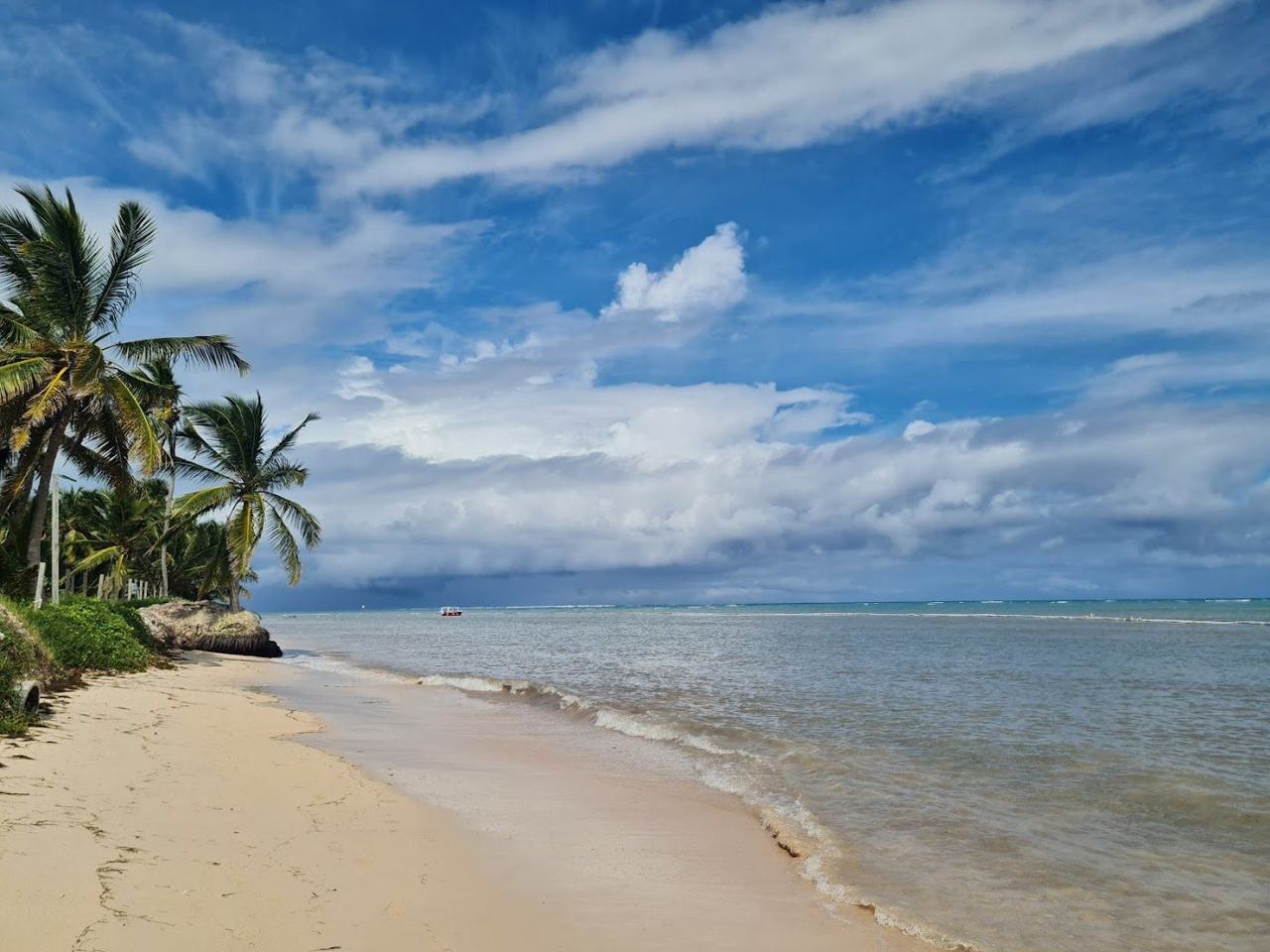
Cabeza de Toro sits in the gap between busy Bavaro and the Punta Cana marina, and it trades the polish of the big resort beaches for something quieter and a little wilder. The name means bull head, after the point of land here, and the beach has a more local, lived in feel than the manicured central strands a few minutes north.
The defining feature is the wind. A dependable breeze runs along this part of the coast, which is exactly why kitesurfers and windsurfers base themselves here rather than on calmer Bavaro. If you want to learn a board sport or watch one, this is the corner of Punta Cana to do it. Behind the beach a quiet lagoon and wetland add to the sense of a place that has not been fully smoothed over.
Be honest with yourself about the trade off. Because it is more exposed than the reef hugged central beaches, Cabeza de Toro can collect more seaweed and the afternoon chop is real. The sand is open and pleasant but not the flawless postcard of Juanillo or the wide sweep of Arena Gorda. People come here for the calm atmosphere and the wind, not for glassy water.
Come to Cabeza de Toro for quiet, breeze and watersports with fewer crowds. If you want the classic calm and busy beach life, Bavaro to the north delivers it, while Juanillo in Cap Cana is the prettier swimming beach. For verified clubs and day passes along the coast, use our Punta Cana beach clubs directory.
Clubs on and near Cabeza de Toro
Cabeza de Toro is a quieter public beach fronted by smaller resorts and watersports schools, and we never invent venues, prices or status. For the clubs and day passes we have verified along the Punta Cana coast, use the Punta Cana beach clubs directory.
Public beach access at Cabeza de Toro
The sand is public by law, so you can walk and swim along the length, though loungers and shade mostly belong to the resorts and watersports bases behind the beach.
Watersports and resort frontage
Kitesurfing and windsurfing schools and smaller resorts hold most of the frontage here, and their services are for guests or paying clients. We confirm any venue and its terms before listing it.
Cabeza de Toro, Punta Cana, Dominican Republic
Cabeza de Toro lies between Bavaro and the Punta Cana marina, a short drive from the airport by taxi or arranged transfer. Access points sit between the resorts and the watersports bases, so look for the marked beach entries.
Bring water, sun cover and cash for a day pass or a lesson if you are not staying on the frontage, since most loungers belong to resorts or schools. The breeze is part of the appeal, so plan a windy afternoon for board sports and a calmer morning for swimming.
Not ready to book?
Keep the good shorelines coming. Shore Notes is our occasional letter on the best beaches and the clubs worth your day, sent straight to your inbox. One field, unsubscribe any time.
Reserve a daybed near Cabeza de Toro
Send your details and we will help arrange a beach club or daybed booking near Cabeza de Toro and along the Punta Cana coast. We confirm current minimum spend and availability with the venue before you commit. Nothing is charged here.
Independent and honest · 1,340 beaches ranked across 103 destinations · We answer to no resort
Cabeza de Toro FAQ
Is Cabeza de Toro good for swimming?
It is reef sheltered and mostly calm, so swimming is fine on settled mornings. The steady wind that draws kitesurfers can chop the surface in the afternoon, so earlier in the day is usually the gentler time to get in.
Why is Cabeza de Toro popular for watersports?
A dependable breeze runs along this stretch of coast, which makes it the main base for kitesurfing and windsurfing in Punta Cana. Several schools operate here, so it is an easy place to learn or to watch the boards on the water.
Does Cabeza de Toro get seaweed?
It can. Because it is more exposed than the reef hugged central beaches, it tends to collect more sargassum, especially in the warmer months. The drier season from December to April usually brings the cleanest sand.
Is Cabeza de Toro quieter than Bavaro?
Yes. It has a more local, lived in feel with fewer casual vendors and a quieter air, helped by the lagoon and wetland behind the beach. People come here for the calm and the wind rather than busy beach life.
When is the best time to visit Cabeza de Toro?
The drier months from December to April bring the steadiest sun and clearest water. Mornings are calmest for swimming, while breezy afternoons suit the watersports the beach is known for.