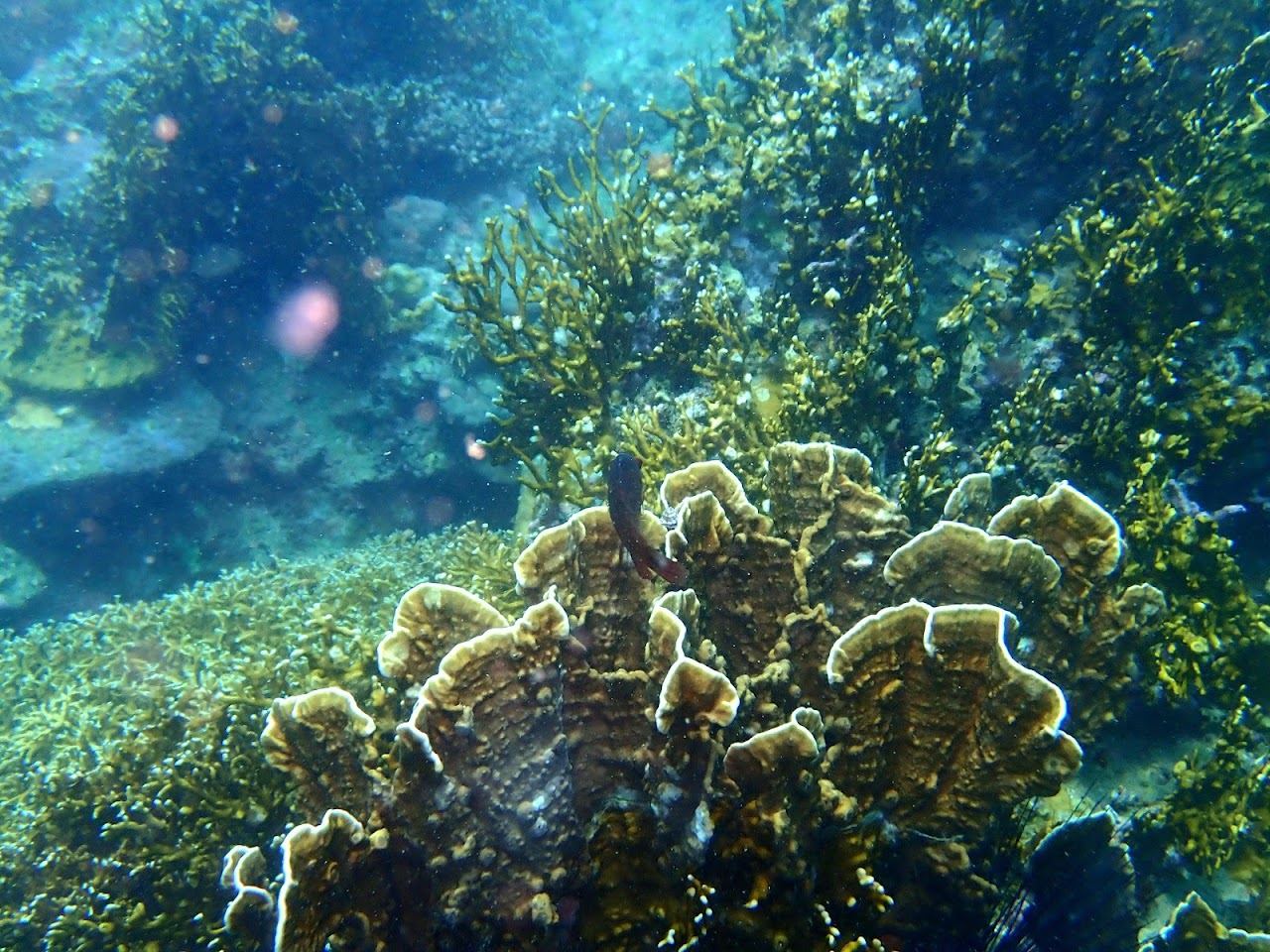
 Photo: Quyết Nguyễn Văn via Google
The verdict
- Best forCalm seekers willing to take a short boat trip to the islands for warm, gentle water over Vietnam's most protected reef
- Top pickThe waters around Hon Tam and the Hon Mun marine park for the bay's best reef, with quiet Bai Tru a calm island swim
- One thing to knowThe long city beach is a sandy urban swim, plain underwater, and the coral on the islands has been under pressure and is recovering
Published 30 January 2026. Last reviewed 22 May 2026. Conditions are typical and never guaranteed.
Nha Trang is a busy resort city wrapped around a long golden bay, and the honest fact a snorkeller needs first is that the reef is not under the famous city beach. The marine life gathers out on the scatter of islands in the bay, with the Hon Mun marine protected area at the heart of it, Vietnam's first such reserve and once its richest reef. Slip out on an early boat, away from the promenade and the towers, and you reach the warm, clearer water and the coral, a gentle float that resets a traveller who has come for calm rather than the city buzz.
The honest read has two parts, and both shape how you plan. First, the snorkelling means a boat trip, so the wellness move is an early, unhurried departure before the day tour fleet and the breeze, choosing a calm dry season morning for the stillest, clearest water. Second, the reef here has had a hard time, with notable damage and bleaching in recent years that prompted conservation measures and restrictions, so you will see living coral alongside recovering patches, and the picture is mixed but improving. Choose a responsible operator, treat clear water and good fish as the typical gift of a settled morning rather than a guarantee, and tread lightly to help the recovery along.
Nha Trang snorkelling beaches, ranked
Weighted for living reef, clear sheltered water and how calm and restful each spot swims early in the day.
Hon Tam
A resort island in the bay with a calm beach and easy access to the snorkelling waters near the Hon Mun marine park, the most convenient base for the bay's best reef. The sheltered water and the island setting make for a gentle, restful swim away from the city, and a short hop reaches the protected reef where only mask snorkelling is allowed. Best early before the day boats arrive and the breeze builds.
Bai Tru
A long, calm bay on Hon Tre island across the water from the city, with clearer, gentler water than the mainland beach and a quieter, more natural feel. It is mostly a soft sandy swim rather than a reef, but the calm and the island air make it a restful place to float, and it sits close to the bay's snorkelling waters. A peaceful island swim for slowing right down.
Hon Chong
A scenic rocky promontory at the northern edge of the city where big boulders tumble into the sea, with small fish gathering around the rocks and sheltered pockets of clearer water. It is more a beautiful coastal viewpoint than a dedicated snorkel, but a careful swim around the rocks on a calm day finds a little life close to town. A pretty, contemplative spot for a quiet early dip.
Doc Let
A long white sand beach about an hour north of the city with shallow, calm, clear water and a peaceful, uncrowded feel, a lovely place for a gentle swim well away from the resort strip. It is sandy underfoot rather than a reef, so come for the soft, shallow wade and the stillness rather than the fish. The distance and the calm make it a restorative day for a traveller seeking quiet.
Bai Dai
The long beach south of the city near the airport, cleaner and quieter than the central strip, with a relaxed line of simple beach bars and a gentle, open swim. It is a sandy surf beach rather than a reef, so it suits a calm wade, a slow lunch and a rest rather than a snorkel. A pleasant, easygoing stretch for a peaceful day by the sea on the way in or out.
The honest read on snorkelling here
Be honest about Tran Phu, the long palm lined city beach everyone sees first. It is a pleasant, easy sandy swim with a fine promenade, but it is plain right off the sand, with city water and no reef, so it is not the place for fish. The same is true of the other mainland beaches, lovely for a wade and a rest but not for snorkelling. Come to Tran Phu for the easy dip and the seafront, and take a boat to the islands when it is the reef and the marine life you are after. The snorkelling here always means getting on the water.
The reef is on the islands, and the heart of it is the Hon Mun marine protected area, Vietnam's first such reserve, reached on a short boat trip from the city or from Hon Tam nearby. Be honest about its condition too. The Hon Mun reef suffered notable damage and bleaching in recent years, which prompted conservation measures and restrictions, including mask only snorkelling in the protected zone, so you will float over living coral alongside recovering patches. The picture is mixed and improving, and choosing a responsible operator who respects the rules is the single most important decision you make.
Above all, time it for calm and tread lightly. The dry season from roughly February to August brings the clearest, calmest water, while October to December can be rough and rainy, and a still early morning before the day boats and the breeze is the gentlest window. Avoid the days after heavy rain when the water clouds, never touch or stand on the coral, keep your distance from anything living, and wear reef safe sunscreen to help the reef recover. Treat the clarity and the fish as typical gifts of a settled morning rather than a promise, and Nha Trang gives a warm, gentle island snorkel for those who plan it with care.
Where to settle after the swim
Nha Trang does its beach scene as resort fronts, beach bars and the island day clubs along the bay rather than a single formal daybed model, with the calmest setups out on the islands and the smarter resorts on the city beach. After a morning on the water, the restful move is a quiet lounger and a slow lunch back on the sand or at an island club. We keep an honest directory of where you can book a daybed, where a beach bar will set you up for the price of lunch, and where to find the calmer corners, so the gentle island snorkel and the slow afternoon belong to one unhurried day.
Book a beach club in Nha Trang
Independent and honest · 1,340 beaches ranked across 103 destinations · We answer to no resort
Before you go
Is Nha Trang good for snorkelling?
Yes, on the islands offshore rather than from the city beach. The bay's islands, with the Hon Mun marine protected area at their heart, hold Vietnam's richest reef and are reached on a short boat trip. The long city beach itself is a sandy urban swim, plain underwater. Come early on a calm day over the protected reef and Nha Trang gives a warm, gentle float, though the coral has been under pressure and is recovering.
What is the best snorkelling spot in Nha Trang?
The waters around Hon Mun, Vietnam's first marine protected area, are the headline, reached by boat from the city or from Hon Tam island nearby. Hon Tam and the bay at Bai Tru on Hon Tre island give calmer, clearer water than the mainland beaches. All are best early on a settled morning, and at Hon Mun only mask snorkelling is permitted to protect the reef.
Can you snorkel off Tran Phu beach in Nha Trang?
Tran Phu, the long palm lined city beach, is a pleasant sandy swim but plain right off the sand, with little reef and city water, so it is not the place for fish. The snorkelling is out on the islands, a short boat trip away. Come to Tran Phu for the easy wade and the promenade, and take a boat to Hon Mun and the island bays for the reef and the marine life.
When is the best time to snorkel in Nha Trang?
The dry season from roughly February to August gives the calmest, clearest water, with the worst of the rain and rough seas from October to December. A still early morning before the day boats and the breeze is the gentlest window. Avoid the days after heavy rain when the water clouds, and treat clear water as the typical reward of a settled dry season morning rather than a guarantee.
Is the coral healthy in Nha Trang?
It is recovering after years of pressure. The Hon Mun reef suffered notable damage and bleaching that led to conservation measures and restrictions, so you will see living coral alongside damaged patches, and the picture is improving but mixed. Help it heal by choosing responsible operators, never touching or standing on the coral, and wearing reef safe sunscreen. Conditions are typical and never guaranteed.