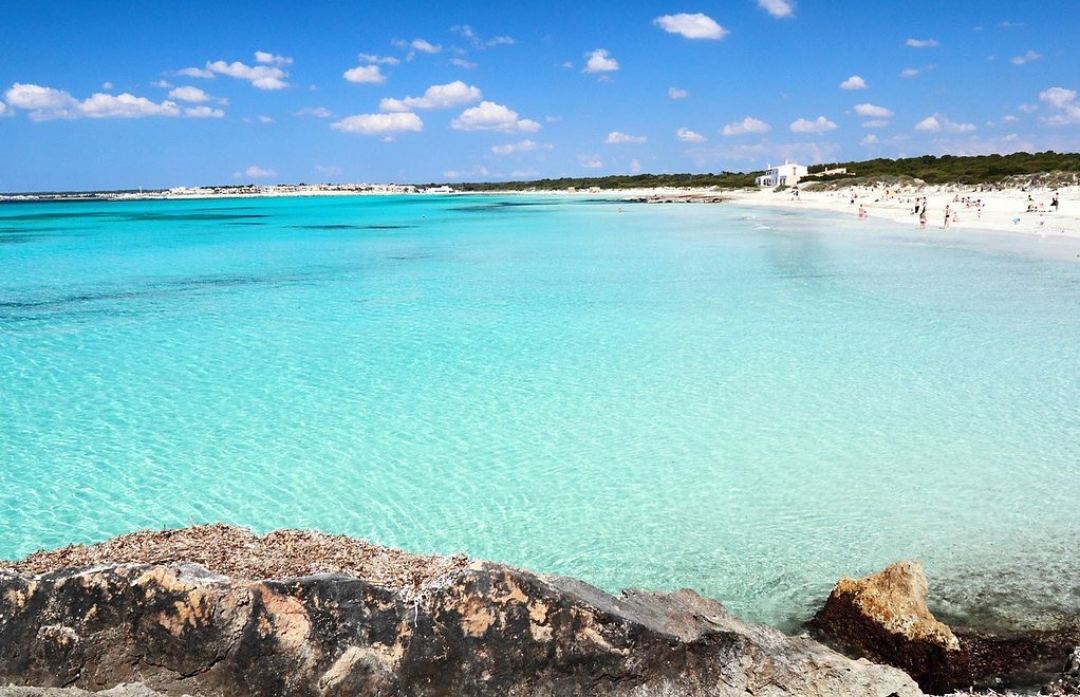
 Photo: Fabio Ferraz via Google
The verdict
- Best forTravellers who want fine pale sand and clear shallow water rather than concrete and crowds
- Top pickEs Trenc, a long protected stretch of white sand and low dunes with no resort behind it
- One thing to knowMallorca's whitest sand sits on the protected south and the quiet north, so come early and leave the dunes as you found them
Published 25 January 2026. Last reviewed 26 March 2026
Mallorca is often pictured as a coast of grey high rises and packed golden bays, and in places that is exactly what it is. But the island also holds some of the palest, finest sand in the western Mediterranean, and most of it sits where the developers never reached. The protected south coast and the rocky north hide long dune backed strands and small coves where the sand runs almost white and the water stays clear over a pale seabed.
We have ranked these on what a naturalist notices first. The true colour and grain of the sand, how clean the water stays over the day, and whether the beach still has its dunes, its low scrub and its birdlife rather than a wall of sun loungers. The winners are the wild ones, where a marram backed dune still does its job and the shallows shelve gently out to a turquoise band.
The honest headline is that the famous resort bays near Palma are not where the white sand lives. For the real thing you drive to the south salt flats or the quiet eastern calas, walk a little, and trade a beach bar for a dune that has been there far longer than the road.
The whitest sand on Mallorca
Judged on the colour and feel of the sand, the clarity of the water and how wild the setting still is.
Es Trenc
The island's benchmark for white sand, a long protected strand backed by low dunes and pine with no resort behind it. The shallows shelve gently and run a pale turquoise that needs no filter. Park early in summer, walk past the busy access point, and the far ends stay quiet and wild.
Formentor
A curve of pale sand under pine and dramatic headland at the island's wild northern tip. The water is clear and cool and the backdrop is pure Tramuntana. Access is restricted in peak season, so check the shuttle situation before you set out and aim for the early boat.
Cala Mesquida
A broad dune backed bay in a protected area where the sand stays pale and the marram grass still holds the line. The waves can pick up here, which keeps the water fresh and the bodyboarders happy. Quiet out of high summer and a fine place to watch the dunes do their slow work.
Illetas
A trio of small pale sand coves close to Palma with clear, sheltered water and a rocky frame. Pretty and easy, though the loungers and the markup arrive early given how close it sits to the city. Come at opening or out of season to find it calm.
Cala Agulla
A wide protected bay of fine pale sand backed by pine and dune within a natural area near Cala Ratjada. The water is clear and the walk in through the trees keeps the feel natural despite the summer numbers. Good shade at the edges and an easy gentle entry.
Canyamel
A calm eastern bay of soft pale sand with dunes behind and a gentle shelving entry that suits a slow swim. It is greener and quieter than the big resort beaches, with clear water and room to spread out. A sensible choice when the southern strands are full.
Where the white sand really is, and where it is not
Manage the expectation first. Much of Mallorca's sand is golden rather than white, and the bays closest to Palma and Magaluf are golden, busy and built up. If you have arrived picturing a Caribbean white, the place to point yourself is the protected south coast and the quiet eastern calas, not the resort strip.
The genuinely pale sand sits at Es Trenc and the dune systems of the north and east, where protection has kept the development back and the dunes intact. These are the beaches worth the early start and the longer walk. Tread the marked paths through the dunes rather than cutting across them, because the marram grass is what keeps the sand where it is.
If you only want easy and pretty and do not mind a crowd, Illetas near Palma does the job. If you want the white sand naturalist's Mallorca, give Es Trenc a full slow morning and let the south coast light do the rest.
Clubs near the white sand
Few of the wildest white sand beaches have a club on the sand, which is part of why they stay wild. Around Illetas and the Palma bays you will find polished beach clubs with loungers and service, while Es Trenc and the protected dunes keep things to a simple kiosk at most. For a full picture of who runs what and where a day bed is worth booking, see our Mallorca beach clubs directory, and tell us the date and we will check availability for you.
Book a white sand day in Mallorca
Independent and honest · 1,340 beaches ranked across 103 destinations · We answer to no resort
Before you go
Which Mallorca beach has the whitest sand?
Es Trenc on the protected south coast is the island's benchmark for pale fine sand, backed by low dunes with no resort behind it. The northern coves at Formentor and the dune bays of the northeast also run pale, and all stay clearer and quieter than the resort bays near Palma.
Is the sand in Mallorca actually white or golden?
Both, depending where you stand. The bays near Palma and Magaluf are golden and busy, while the protected south coast and the quiet dune beaches of the north and east hold the palest, finest sand. For a true white look, head to Es Trenc rather than the resort strip.
Are the white sand beaches crowded in summer?
The famous ones fill fast in July and August, and Es Trenc and Formentor both have parking and access limits in peak season. Arrive early, walk past the main access point, and the far ends stay calm. Out of high summer these beaches are wonderfully quiet.
Can I swim easily at these beaches?
Most of the pale sand bays shelve gently and suit a relaxed swim, with Es Trenc, Cala Agulla and Canyamel offering soft easy entries. Conditions are typical rather than guaranteed, and the more open north coves like Cala Mesquida can pick up waves, so read the water and any local flags on the day.
How do I protect the dunes when I visit?
Stick to the marked boardwalks and paths through the dunes rather than cutting across them, since the marram grass is what holds the sand in place. Take your litter with you, give nesting birds and roped areas a wide berth, and the white sand will still be there next season.