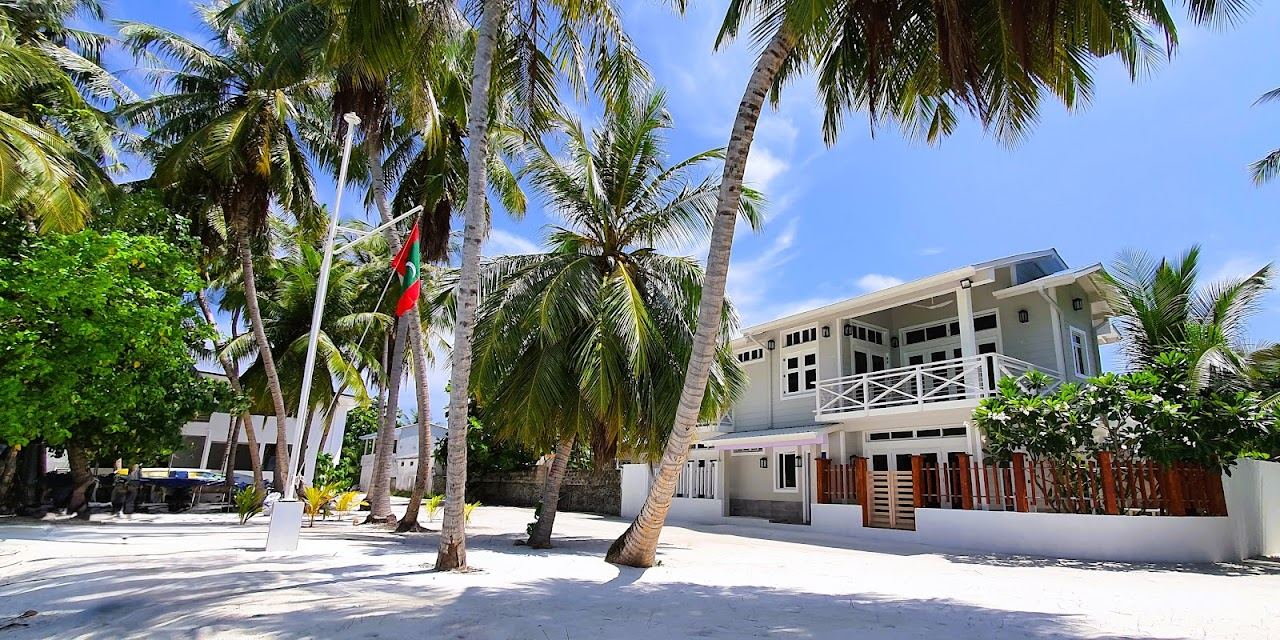
 Photo: The Fulhadhoo Beach Cottage via Google
The verdict
- Best forTravellers who want white coral sand without booking a private island resort
- Top pickFulhadhoo for empty sand, Dhigurah for the long spit and whale sharks offshore
- One thing to knowLocal islands have public bikini beach zones, so respect the modest dress rule elsewhere
Published 4 April 2026. Last reviewed 19 May 2026
The Maldives is the rare place where white sand is the default rather than the prize. Almost every island here is ringed with soft white coral sand and a clear lagoon, so the real question is not which beach is white but which one you can reach and enjoy without a resort price tag. The answer is the local inhabited islands, where guesthouses and public beaches have opened up the same sand and water that the resorts charge a fortune for.
We ranked the local island beaches on the quality of the sand and lagoon, how easy they are to reach and how much quiet is left. One thing to understand before you go is the dress rule. On inhabited islands you cover up away from the water, and swimwear is for the marked bikini beach zones only. Respect that and you are welcome anywhere.
White sand on the local islands
Six coral sand beaches you can reach on a budget.
Fulhadhoo
Our pick for quiet. A long sweep of near empty white coral sand and a glassy lagoon on a tiny, sleepy island with only a handful of guesthouses. This is the barefoot, slow, low footprint Maldives that the brochures promise and rarely deliver.
Dhigurah
A long, slender island ending in a spectacular white sand spit that runs out into the lagoon. South Ari is whale shark water, so you can swim from soft sand in the morning and snorkel beside the largest fish in the sea in the afternoon.
Thoddoo
A round island with a fine bikini beach of soft white sand and, unusually, fruit and vegetable farms inland. The mix of good sand, easy swimming and a working island gives it more texture than most.
Ukulhas
A tidy, environmentally minded local island with clean white sand and a healthy house reef just off the bikini beach. Long known for its waste and recycling efforts, it is a natural fit for a low impact traveller.
Maafushi Bikini Beach
The busiest and most developed of the local islands, with the widest choice of guesthouses and trips and a lively bikini beach. Easy to reach from the airport, but come for convenience and value rather than solitude.
Hulhumale Beach
A long reclaimed sand beach a short drive from the airport, useful for a first or last night by the water. The sand is good and the swimming easy, though the setting is a planned town rather than a remote island.
Which island, and a word on the sand
For the purest white sand experience without a resort, go to Fulhadhoo or Dhigurah and accept that they take longer to reach. The reward is empty sand, a quiet lagoon and the sense of a real island rather than a strip of guesthouses. Maafushi is the opposite trade, easy and cheap to reach with everything laid on, but busy and developed. Choose based on whether you value quiet or convenience more.
A gentle reality check on the sand itself. The Maldives is low and the coral sand shifts constantly with the seasons and the monsoon, so a beach that is wide in one season can narrow in another, and islands manage their sand actively. This is normal and not a fault, but it means the exact shape of any beach is typical rather than guaranteed, and you should take a beach photo as a snapshot rather than a promise.
The nature case for the local islands is strong. Snorkelling straight off the bikini beach, whale sharks and mantas in South Ari, and islands like Ukulhas that take their waste and reef seriously all reward a traveller who wants the living sea rather than a sunbed. Use reef safe sun protection, keep your distance from the big animals, and never stand on or touch the coral.
Sunbeds and the club question
The local islands do not run the kind of organised beach club you find in the Mediterranean. Service is through your guesthouse and a simple cafe or two, and the bikini beach is a public stretch of sand rather than a managed venue. Setups are modest and change often, so treat any specific facility as to be confirmed. The full beach club, pool and kitchen day in the Maldives belongs to the resorts, many of which sell day passes, though availability and price shift constantly, so book ahead. We gather what we can verify in the Maldives beach clubs directory.
Plan a Maldives beach day
Independent and honest · 1,340 beaches ranked across 103 destinations · We answer to no resort
Before you go
Do you need a resort to see white sand in the Maldives?
No. Local inhabited islands such as Fulhadhoo, Dhigurah and Thoddoo have the same white coral sand and clear lagoons, reached through guesthouses at a fraction of the resort price. You swim in marked bikini beach zones and cover up elsewhere on the island.
Which local island has the best beach?
Fulhadhoo in Baa Atoll has the quietest, emptiest white sand, while Dhigurah in South Ari is famous for its long sand spit and the whale sharks offshore. Thoddoo and Ukulhas are also excellent and a little easier to reach.
What is the bikini beach rule in the Maldives?
On inhabited local islands you dress modestly in public and wear swimwear only on the designated bikini beach. It is a sign of respect in a Muslim country and is taken seriously. Resort islands are private, so normal swimwear is fine throughout.
Is the white sand in the Maldives natural?
Yes, it is natural coral sand, though it shifts constantly with the seasons and monsoon and islands manage it actively. A beach can be wider in one season than another, so its exact shape is typical rather than guaranteed at any given time.
When is the best time to visit Maldives beaches?
The drier season from roughly November to April brings the calmest, clearest water and the best beach conditions. The wetter months can be quieter and cheaper, with warm water still, but more cloud, rain and occasional swell.