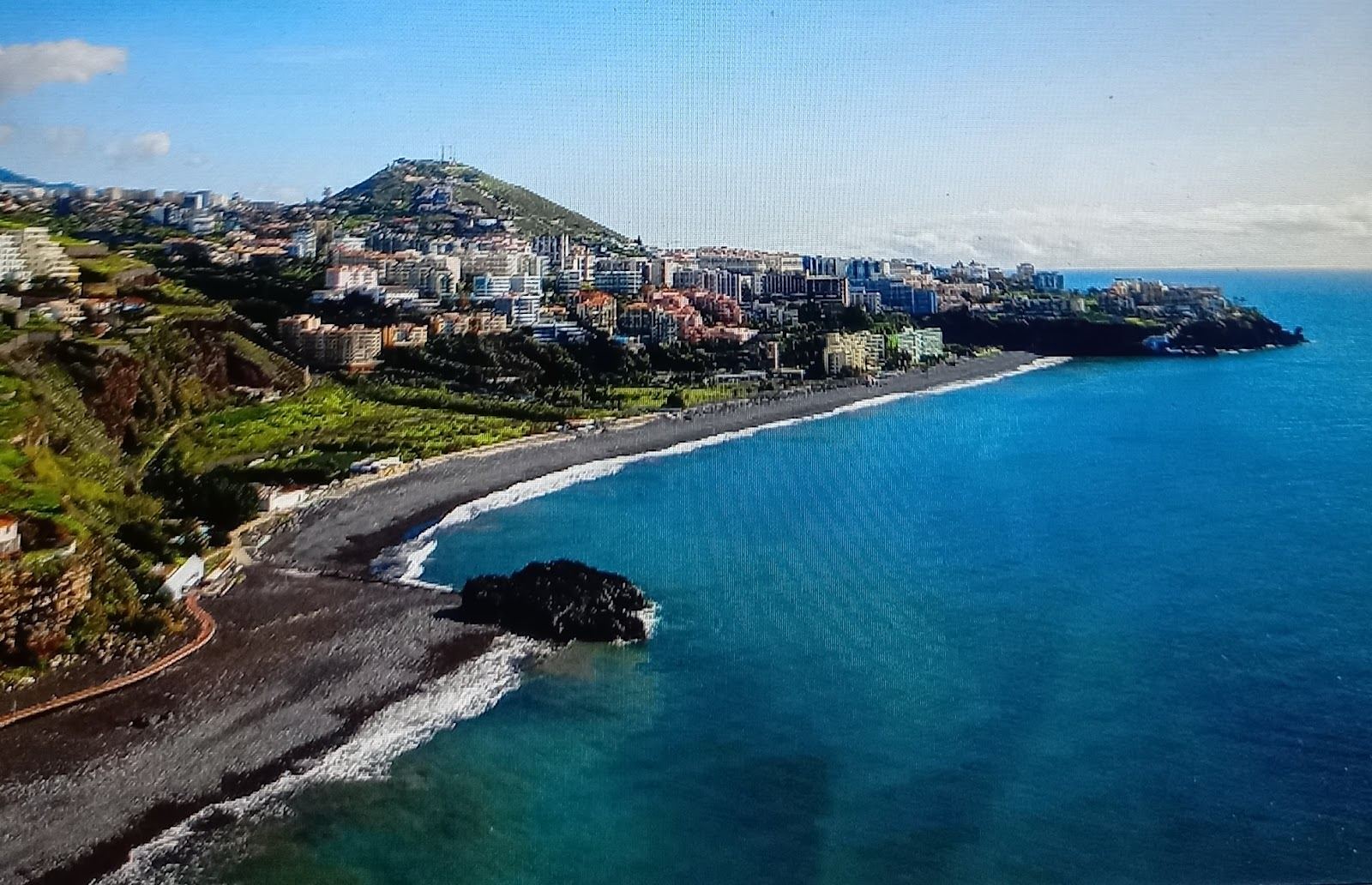
 Photo: Csaba Biro via Google
The verdict
- Best forActive travellers who want clear water under them, from snorkellers and divers to paddlers and kayakers, on a deep blue island built for the boat trip and the dive rather than the beach break
- Top pickThe Garajau marine reserve for the island's standout diving and snorkelling, with the sheltered bays at Machico and Calheta the easy base for paddle and kayak
- One thing to knowThe famous surf here is heavy winter reef breaks for experienced surfers, not gentle beach breaks, so beginners should learn in a sheltered bay or on Porto Santo
Published 10 April 2026. Last reviewed 5 May 2026
Madeira is an island for being in and on the water rather than lying beside it, and once you see it that way the watersports map opens up. The same deep, clear Atlantic that denies the island its long soft beaches gives it superb visibility for diving and snorkelling, dramatic cliffs to kayak beneath, and a famous, fearsome set of reef waves on the exposed coasts. The picture from the water is the one to chase here, the dark volcanic walls dropping into blue, a grouper hanging in the clear below you, the marina boats heading out past the headland for dolphins. This page sorts the beaches and bays by what you can actually do from them and is honest about which sport each coast suits.
We have ranked the spots below on the quality and variety of watersport you can base from them, the shelter and access for getting in and out, and how clear and rewarding the water is once you are under or on it. The marine reserve leads for diving and snorkelling, the sheltered south coast bays are the calm, friendly bases for paddle and kayak and learner sessions, and a couple of beaches anchor the island's surf and boat trip scene. The wild west and north coast reef breaks are world class but expert territory, so we point experienced surfers toward them while keeping beginners somewhere kinder.
If you take one line from this page, take this one. For the best of Madeira's water, dive or snorkel the protected reef off Garajau, paddle and kayak from the sheltered bays at Machico and Calheta, snorkel the lava pools at Porto Moniz on a calm day, and only take to the west coast surf if you genuinely know what a heavy reef break asks of you. Run boat trips for dolphins and whales from the marinas, and confirm every operator and price before you commit.
The best bases on the water
What you can actually do, how easily you get in, and how good the water is once you are there.
Garajau
The island's standout for diving and snorkelling, a partial marine reserve protected since the 1980s where clear water, walls and reefs hold a famous population of large dusky groupers grown used to divers. The cove below the Cristo Rei statue and the nearby Caniço de Baixo are the bases, with dive centres running guided dives and easy snorkel entries. The look underwater, dark basalt walls and big fish in blue light, is the photograph here. A wetsuit is normal in the Atlantic.
Machico
The friendliest base for paddle, kayak and learning, a sheltered golden bay held calm between two piers in a proper town on the east coast. The settled water and easy entry suit paddleboard and sea kayak hire and beginner sessions in season, and the bay occasionally picks up a gentle wave for an early surf lesson. With cafes, parking and services close, it is the comfortable, low stress place to try something on the water for the first time.
Calheta
A calm, well equipped watersports base on the sunny southwest coast, where imported golden sand sits behind a marina breakwater that keeps the water still for paddleboard, kayak and easy swims. The marina is a launch point for boat trips and dive outings along the south coast, and full facilities make a long active day simple. The sheltered setup is exactly what learners and families on the water want, with the open Atlantic kept at arm's length.
Porto Moniz
A spectacular snorkel on a calm day, the island's famous natural volcanic pools at the far northwest tip, where black lava holds clear sheltered basins full of small fish and texture. It is a swim and snorkel spot rather than a surf or paddle one, best explored with a mask when the sea is settled, since swell can surge across the rock. The drama of jet black stone, turquoise water and white foam beyond the wall is unmatched on the island.
Praia Formosa
Funchal's everyday watersports beach, a long run of dark pebble and black sand that picks up the city's most accessible surf and bodyboard when a swell rolls in, with room to paddle on calmer days. It is exposed and the shore break can be punchy, so it suits competent surfers and bodyboarders over beginners, but as the closest wave to the capital it is where many locals get in the water. Bring boots for the pebble and read the sea before you go in.
The honest read on watersports
Play to the island's real strengths and you will have a brilliant time on the water. Madeira is a diving and boat trip destination first, a paddle and kayak one second, and a serious surf destination only for those who already know what they are doing. The clear, deep water off Garajau is genuinely special for snorkellers and divers, the sheltered south coast bays make paddle and kayak easy and safe to learn, and the marinas at Funchal, Calheta and Machico send out some of the better dolphin and whale watching boats in the Atlantic. Match your day to those strengths and the island delivers far more than its short beaches suggest.
Be honest about the surf, because it is the thing most often misunderstood here. The famous waves at places like Jardim do Mar and Paul do Mar on the west coast are heavy, powerful reef breaks that work on the winter swell and demand real experience, not gentle beach breaks to learn on. Treat them as a spectacle to watch unless you are an accomplished surfer, and if you want to learn, take a lesson in a sheltered bay or cross to Porto Santo, which has the island group's only long sandy beach. The Lido and the natural pools, lovely as they are, are swimming complexes rather than watersports bases, so do not pin an active day on them.
Respect the conditions and the cold, and confirm before you commit. This is the open Atlantic, cooler than the Mediterranean and warmest from late summer into autumn, so a wetsuit is normal for diving and longer sessions. Currents and swell vary by coast and day, lifeguard cover is typical rather than guaranteed, and wild animals on a boat trip are never a promise. We never invent an operator, a price or a service, so any surf school, dive centre or boat tour here is best treated as to be confirmed until you book it directly.
A base for an active day
A beach club or marina restaurant makes an active day on the water far easier, giving you somewhere to leave your things, a shower, a lounger and lunch between sessions. Calheta and the Funchal seafront carry the most facilities for a watersports day, while Machico keeps cafes and services close to its sheltered bay, and the marinas double as the launch points for dives and boat trips. Some venues lean to sunbathing and sunset rather than an active crowd, so it is worth checking before you commit. We never invent a venue, a price or an opening status, so anything we cannot confirm is marked to be confirmed. Browse the directory and send one enquiry to check your date.
Book a beach club in Madeira
Independent and honest · 1,340 beaches ranked across 103 destinations · We answer to no resort
Before you go
Where are the best watersports in Madeira?
For diving and snorkelling, the partial marine reserve off Garajau is the island's standout, with clear water and dusky groupers close to shore. For paddle, kayak and learner watersports, the sheltered bays at Machico and Calheta are the calm, easy bases, and Funchal and Calheta marinas run boat trips. Serious surfers head to the exposed west coast reefs. Conditions are typical rather than guaranteed.
Is Madeira good for surfing?
Madeira has world class waves, but they are heavy reef breaks on the wild west and north coasts rather than gentle beach breaks. Spots like Jardim do Mar and Paul do Mar are powerful and best left to experienced surfers, and they work mainly in the winter swell. Beginners are better off with a lesson in a sheltered bay or on Porto Santo, and any surf school should be confirmed before you book.
Is the diving good in Madeira?
Yes. The partial marine reserve at Garajau is the best known site, protected since the 1980s, with clear water, walls and reefs and a healthy population of large dusky groupers used to divers. Caniço de Baixo nearby is a popular base for dive centres. The water is Atlantic and cooler than the Mediterranean, so a wetsuit is normal, and operators and prices should be confirmed when you book.
Can you paddleboard and kayak in Madeira?
Yes, the sheltered south coast bays are ideal for it. Calheta and Machico, both held calm behind breakwaters or piers, are the easiest places to paddleboard or kayak, and several towns hire gear in season. The marinas also run guided sea kayak and coasteering outings along the cliffs. Pick a calm day and the warmer months, and treat any rental or tour as seasonal until confirmed.
Can you go whale and dolphin watching in Madeira?
Yes, the deep water close to the island makes it one of the better places in the Atlantic for it, with boat trips running mostly from Funchal, Calheta and Machico. Sightings of dolphins and several whale species are common but never guaranteed, as these are wild animals. Choose an operator that follows responsible distance rules, and confirm sailing times and prices directly before you book.