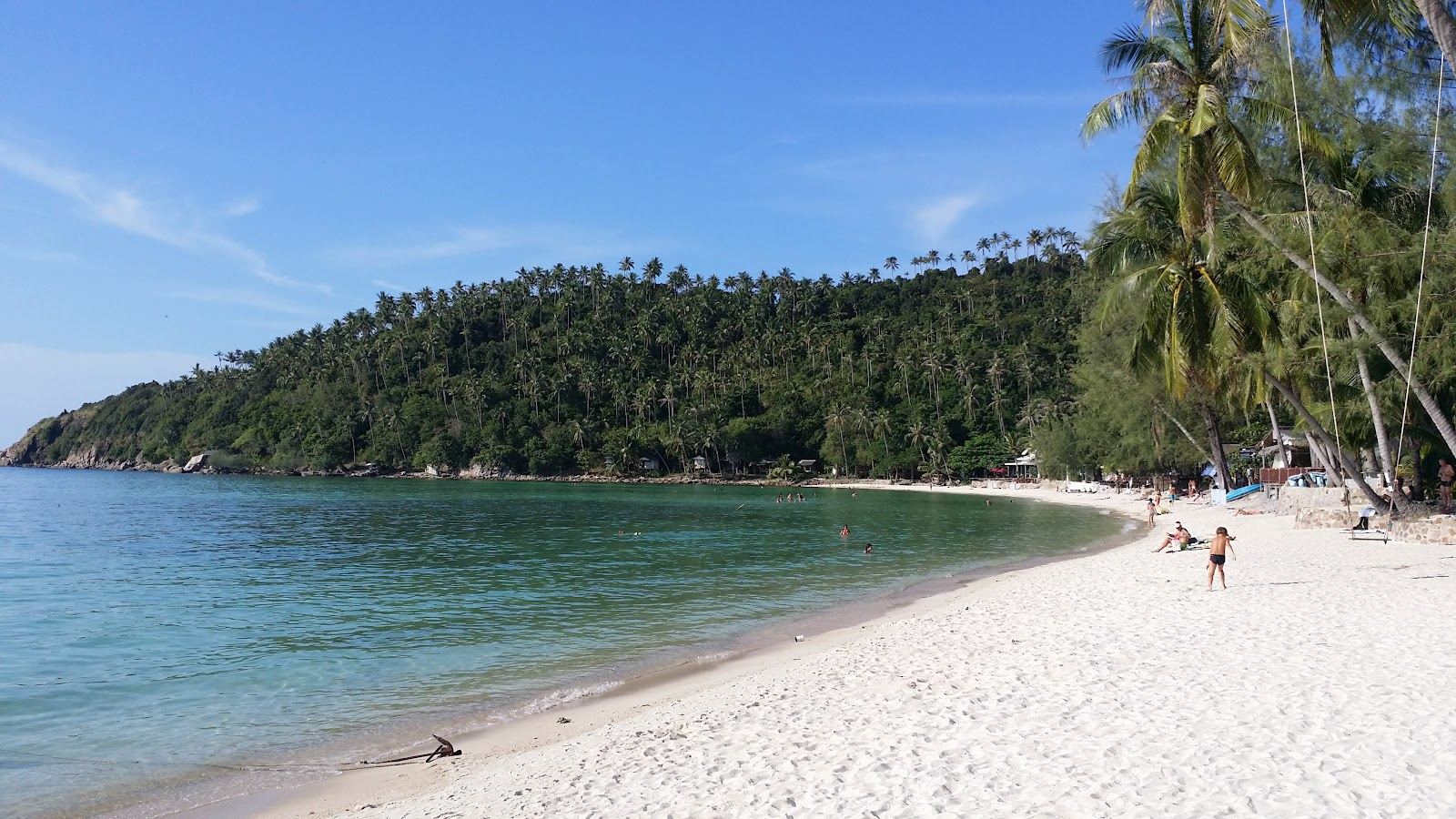
 Photo: Андрей Золотницкий via Google
The calmest swimming beaches in Koh Phangan
Sheltered bays that swim well, and why tide and coast matter more than the name.
The verdict
- Best forSwimmers who want flat, gentle water and a proper float over surf or scene
- Top pickThong Nai Pan and Bottle Beach, the sheltered bays that shelve into real depth
- One thing to knowMany calm bays are shallow over a reef shelf, so the tide decides your swim as much as the beach
Published 25 March 2026. Last reviewed 15 May 2026
Koh Phangan is famous for its parties, but the water itself is mostly gentle, a coastline of sheltered bays that turn glassy on a calm dry season morning. The catch is that calm and swimmable are not the same thing here. A reef flattens the swell in many bays, but the same reef leaves a wide, shallow shelf behind it, so you can have a perfectly calm beach that is too shallow to swim in at low tide. Knowing which bays shelve into real depth, and when, is the whole game.
This page ranks the island's beaches for a genuine swim rather than a survival paddle, judged on how flat and gentle the water sits, how much depth it holds through the tide, and how reliable it stays across the day. As a naturalist I will also send you toward the bays where the calm water lets you actually see what lives below it, the reef fish and the seagrass that the shallow clear shelf shelters.
The headline is the quieter coasts. For the most dependable calm swimming on the island, point yourself at the sheltered east coast bays of Thong Nai Pan or the wild north cove of Bottle Beach, where the water stays gentle and deep enough to swim almost any calm morning.
The gentlest water on the island
Judged on how flat, deep and reliable the swim is.
Thong Nai Pan
The most reliable calm swimming on the island, a pair of sheltered northeast bays that shelve into real depth and stay gentle through the main dry season. Soft sand, clear water and resorts on hand, with the smaller Noi bay the more protected of the two.
Bottle Beach
The wild north cove, road free and reached by boat or a jungle walk, rewards the effort with clear, calm, deep water and a sweep of empty sand. It is the best swim on the island when the sea is settled, and the remoteness keeps it gloriously quiet.
Haad Salad
A small, sheltered northwest bay that stays calm and clear, comfortable and quietly resorted. The gentle water and easy facilities make it a dependable everyday swim, far calmer in feel than the party beaches on the far side of the island.
Haad Yao
The most reliable everyday swim on the west coast, a long bay whose gentle slope holds depth across more of the tide than the shallow coves nearby. A developed strip of beach bars keeps food and shade close, so it is calm water with comfort.
Chaloklum
A protected fishing village bay that swims well at its quieter ends, away from the longtail moorings in the working middle. One of the calmer spots on the island in the dry season, with the bonus of real local life and a seafood lunch on the water.
The honest read on calm water
The reef and the tide write the rules here. Where a bay shelves slowly behind a reef, as at Ban Tai on the south coast, the water is calm but often too shallow for a real swim at low tide, a long wade rather than a float. Where a bay shelves into deeper water, as at Thong Nai Pan and Bottle Beach, the same calm gives you a proper swim. So the honest first move is to check the tide, aim for the higher water, and choose a deeper shelving bay if swimming is the point of your day.
Coast and season matter just as much. The sheltered east and northwest bays tend to be calmest through the main dry season, while the exposed beaches can pick up wind and chop, and the monsoon months later in the year roughen the sea across the island. Mornings are usually flattest before the breeze builds, which is also when the water is clearest for seeing the life below it.
One honest steer to finish. Haad Rin's Sunrise Beach is the famous name, but it is more exposed and it is the Full Moon Party beach, so it is neither the calmest nor the quietest swim. For flat, gentle water go to the sheltered bays instead, watch the water before you wade in, and remember that even a calm coast is typical and never guaranteed.
A calm bay with a daybed
If a calm swim and a shaded lounger are your idea of the perfect day, the sheltered bays have the venues for it. Thong Nai Pan, Haad Yao and Haad Salad have easygoing beach bars and resort fronts right on the gentle water, the kind of place to swim, dry off and order a long lunch. We never invent a venue, a price or an opening status, so anything we cannot confirm is marked to be confirmed. Check the directory for who is open, then send a single enquiry.
Book a beach club in Koh Phangan
Independent and honest · 1,340 beaches ranked across 103 destinations · We answer to no resort
Before you go
Where is the calmest water on Koh Phangan?
The sheltered east coast bays at Thong Nai Pan and the wild north cove at Bottle Beach hold the calmest, most swimmable water in the main dry season, with soft sand and a gentle shelve that gives real depth. The northwest bays at Haad Salad and Haad Yao are reliably gentle too. Conditions still vary with tide and season and are never guaranteed.
Why is the water so shallow at some Koh Phangan beaches?
Many bays sit behind a reef that flattens the swell but leaves a wide, shallow shelf, so the calm comes with shallow water. Ban Tai on the south coast is the clearest example, gentle but often too shallow for a proper swim at low tide. Choosing a higher tide or a deeper shelving bay like Thong Nai Pan solves most of it.
Is the water calmer at certain times of day or year?
Yes. Mornings are usually flattest before the breeze builds, and the dry season from roughly January to April gives the steadiest, clearest water. The monsoon months later in the year bring more wind and rougher seas, with the exposed coasts taking the brunt. Tides matter as much as season for finding enough depth to swim.
Can you swim at Haad Rin?
You can, but Sunrise Beach at Haad Rin is more exposed and can pick up swell and chop, and it is the Full Moon Party beach, so it is busy and not the calm swim you may want. For flat, gentle water choose the sheltered bays at Thong Nai Pan, Haad Salad or Haad Yao instead.
Which calm beach is best for an actual swim rather than a paddle?
Thong Nai Pan and Bottle Beach are the picks, because they shelve into real depth rather than staying shallow over a reef shelf, so you can swim properly when the bay is calm. Haad Yao is the most reliable everyday swim on the west coast for the same reason, holding depth across more of the tide than the shallow coves.
Is the calm water good for snorkelling?
The northwest around Haad Mae Haad and the marine area at Koh Ma is the island's best snorkelling on a calm, higher tide, and several bays have reef edges worth a gentle look. Visibility is best in the dry season. Wear reef safe sunscreen, keep off the coral and check the water before you go in.