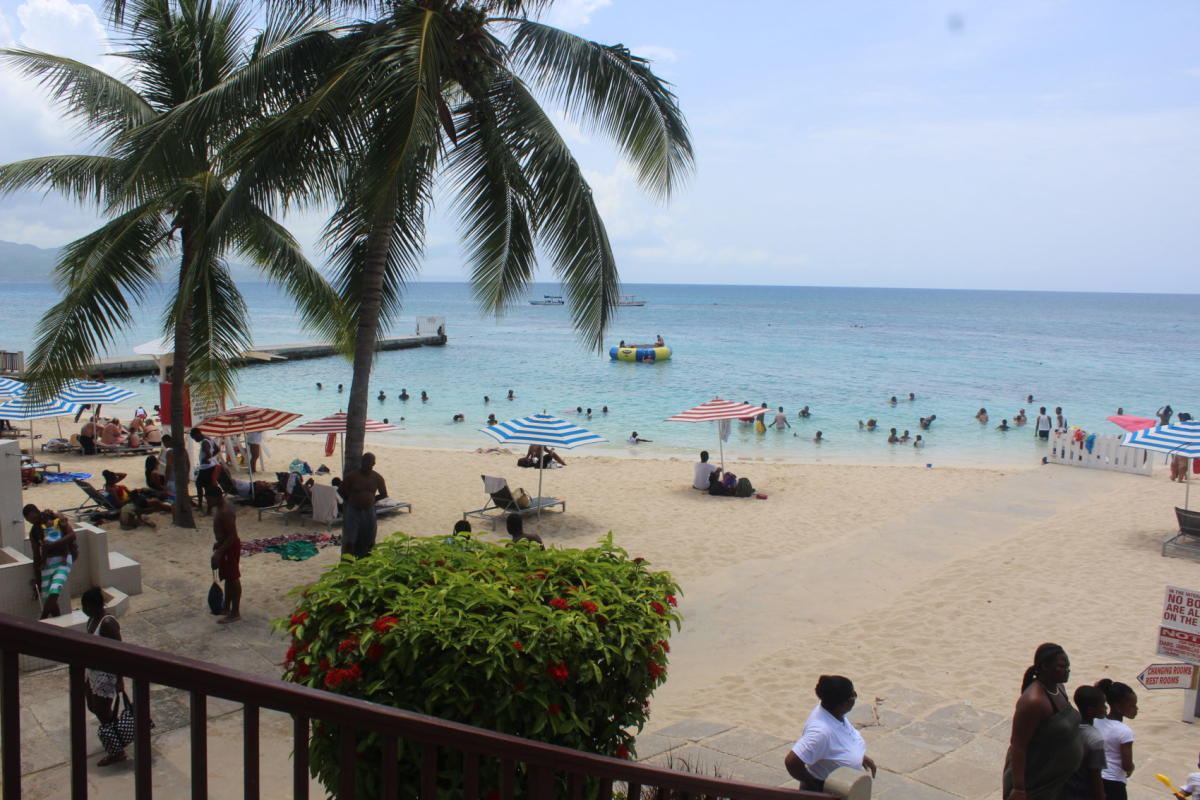
 Photo: Gawayne Davis via Google
The verdict
- Best forBeachgoers deciding which month balances dry sun, a warm sea and a sensible hurricane risk.
- Top pickMid December through April for dry sunny days, with late April into early June the value pick before the wet heart of summer.
- One thing to knowThe sea is warm every month here, so the choice is really about rain, humidity and the storm risk rather than whether the water is swimmable.
Published 18 March 2026. Last reviewed 30 March 2026
Jamaica is a year round beach island in the sense that matters most, because the sea never turns cold and the sun shows up in every month. What changes through the year is not the water but the rain, the humidity, the crowds and, in the second half of the year, the chance of a storm. Get those four things right for your trip and almost any month can work.
The winter dry season from mid December through April is the headline window, sunny and lower in humidity, which is exactly why it draws the biggest crowds and the highest prices. The heart of summer is hotter and more humid, with passing showers, while the autumn brings the wettest weather and the peak of the Atlantic hurricane season. Each trades something for something else.
We have set out the year below as a season grid and then as notes on the months that earn a closer look, so you can match your priorities to the calendar. If you want dry, reliable sun, look to the winter. If you want warm beach days with fewer people and better value, the late spring and early summer are the sweet spot.
If you take one line from this page, take this one. For dry sunny beach days book the winter and book it early, use late April into June for warmth, space and value, and treat September and October as the cheap but genuinely risky months at the peak of hurricane season.
Month by month at a glance
| Month | Air | Sea | Rain | Crowd | Verdict |
|---|---|---|---|---|---|
| January | Warm, around 28C by day | Warm, near 27C | Dry | Peak | Prime dry season, busy and dear |
| February | Warm, around 28C | Warm, near 27C | Driest | Peak | The driest, sunniest stretch |
| March | Warm, around 29C | Warm, near 27C | Dry | Very busy | Reliable sun, spring crowds |
| April | Hot, around 30C | Warm, near 27C | Mostly dry | Easing from peak | Strong shoulder, good value |
| May | Hot, around 31C | Warm, near 28C | First rains | Quieter | Hot with passing showers |
| June | Hot, around 31C | Warm, near 28C | Showers | Quieter | Warm and good value early |
| July | Hot, around 32C | Warm, near 29C | Drier spell | Busy | Hot, humid, summer holidays |
| August | Hottest, around 32C | Warmest, near 29C | Humid | Busy | Hottest, storm risk rising |
| September | Hot, around 31C | Warmest, near 29C | Wettest | Very quiet | Cheap but peak storm risk |
| October | Hot, around 30C | Warm, near 29C | Wet | Quiet | Lush and quiet, storms possible |
| November | Warm, around 29C | Warm, near 28C | Easing late | Building | Drying out before the peak |
| December | Warm, around 28C | Warm, near 27C | Drying | Peak from mid month | Dry and festive late in month |
When each month earns its place
February. The pick of the dry season and the most dependable beach month of the year. Humidity is at its lowest, the sun is reliable, and the sea sits warm at around 27C, so the swimming is easy and the skies are clear. The catch is that everyone else knows this too, so the resort coasts of Montego Bay and Negril are at their busiest and dearest, and the best rooms go early.
April. A clever choice that keeps most of the winter weather while the crowds and prices start to ease after the spring break peak. The days are hot, the rain is still mostly held off, and the sea is warm, yet the coast feels less pressed than it did a month earlier. For warm reliable beach days at a gentler price, late April is one of the smartest windows on the calendar.
August. The hottest and most humid month, in the heart of the summer holidays and at the rising edge of hurricane season. The sea is at its warmest near 29C and the beaches are lively, but the heat is heavy and the chance of a storm is no longer trivial. It can be a fine, warm trip, but go with travel insurance, a flexible booking and an eye on the forecast.
November. The quiet turning point as the wet autumn dries out and the storm risk fades toward the end of the month. Early November still carries the tail of the rains, but the later weeks often bring settled warm days, fewer people and better value, just before the December peak begins. For a warm beach trip with space, the back half of November is an underrated week.
Get the Jamaica beach calendar
Independent and honest · 1,340 beaches ranked across 103 destinations · We answer to no resort
Before you go
What is the best time to visit Jamaica for the beach?
Mid December through April is the prime stretch, dry and sunny with lower humidity and warm sea, which is why it is also the busiest and dearest. For warm beach days with fewer people and better value, late April and into early June work well, before the wetter, hotter heart of summer and the higher hurricane risk later in the year.
When is hurricane season in Jamaica?
The Atlantic hurricane season runs from June to the end of November, with the highest risk concentrated in the late summer and early autumn from August to October. Most days in those months are simply hot and humid with passing showers, but the chance of a storm is real, so travel insurance and a flexible booking are sensible if you go then.
Is the sea warm in Jamaica all year?
Yes. Jamaica sits in warm tropical water and the sea stays swimmable every month, sitting around 27C in winter and rising to about 29C in late summer. There is no cold season for swimming here, so the choice of month is really about rain, humidity, crowds and the hurricane risk rather than whether the water is warm enough.
When is Jamaica cheapest and quietest?
September and October are the quietest and often the cheapest, because they fall in the wettest, highest risk part of hurricane season. You trade lower prices and empty beaches for a real chance of heavy showers or a storm. Early summer in May and June is a gentler compromise, warmer and busier than autumn but far calmer than the winter peak.
Does it rain a lot in Jamaica?
The wettest spells tend to come in May and again from September into November, and the lush north coast around Port Antonio catches more rain than the drier south. Even in the wet months the rain often falls as short heavy showers rather than all day, but conditions are typical rather than guaranteed and the autumn storms can be serious.