Playa Grande
The verdict on Playa Grande
- Who it suitsSurfers and nature lovers who want a long, wild, almost empty beach and do not need clubs, shade or calm swimming.
- Best spotA morning surf at low tide, or a guided leatherback turtle tour on a nesting night between October and February.
- One thing to knowThis is a protected park with strong waves and rip currents, so it suits surfing far more than casual swimming, and night visits are by guided tour only.
Published 6 February 2026. Last reviewed 19 April 2026
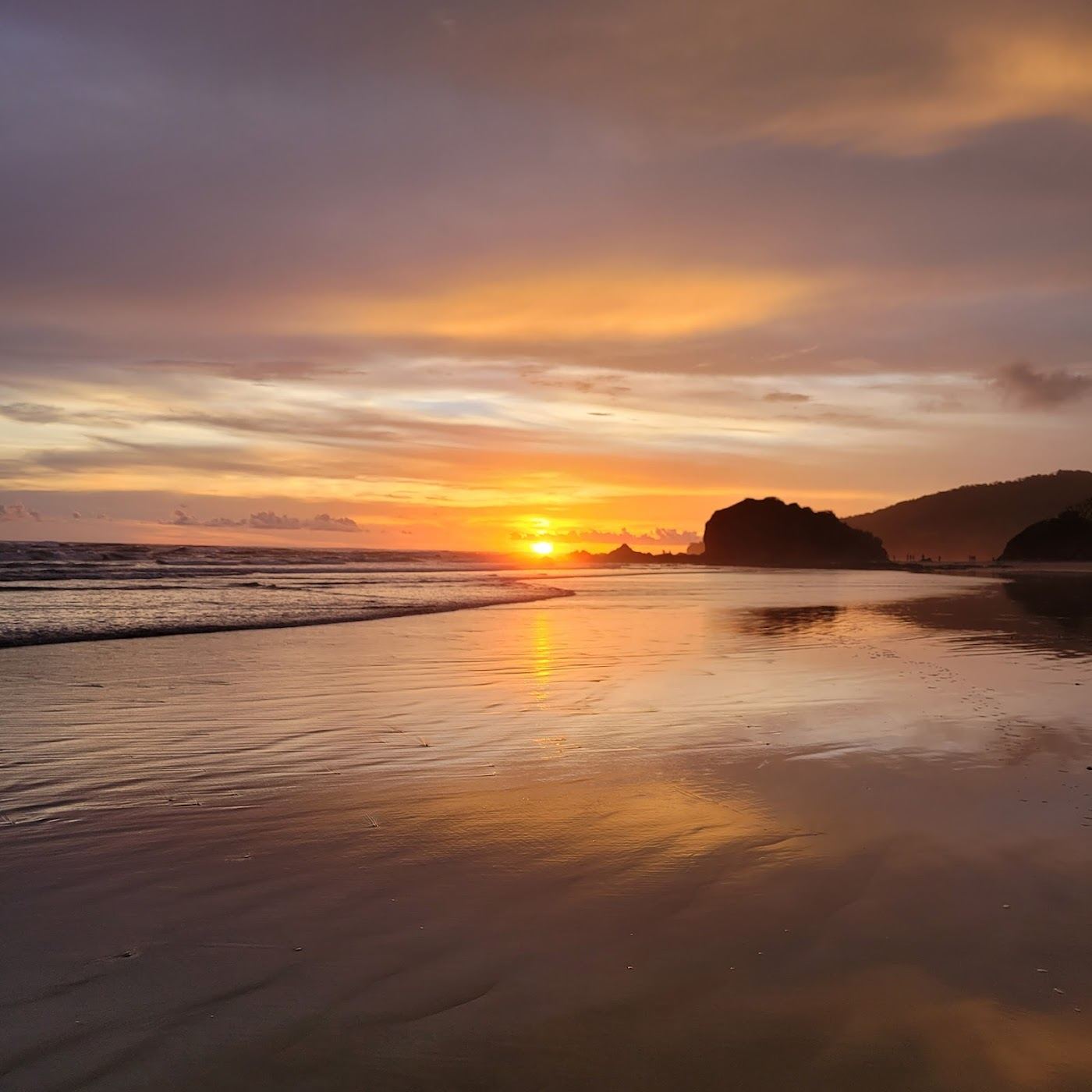
Playa Grande is the wild counterpoint to Tamarindo, a few hundred metres and a world away across the estuary. Protected as part of Las Baulas National Marine Park, it is a long, broad, almost empty sweep of golden sand with no clubs, no vendors and almost no buildings in sight. That emptiness is the whole point, and for surfers and for anyone who wants the coast at its most natural it is one of the finest beaches in Guanacaste.
The waves are why surfers come. Playa Grande picks up swell all year and delivers consistent, powerful, uncrowded surf, especially around the river mouth and at the right tides. The same energy that makes the surfing good makes the swimming risky, with real rip currents and no reliable lifeguard, so this is a beach to surf or to walk rather than to splash about in. Casual swimmers are far better served at Playa Conchal or Playa Hermosa.
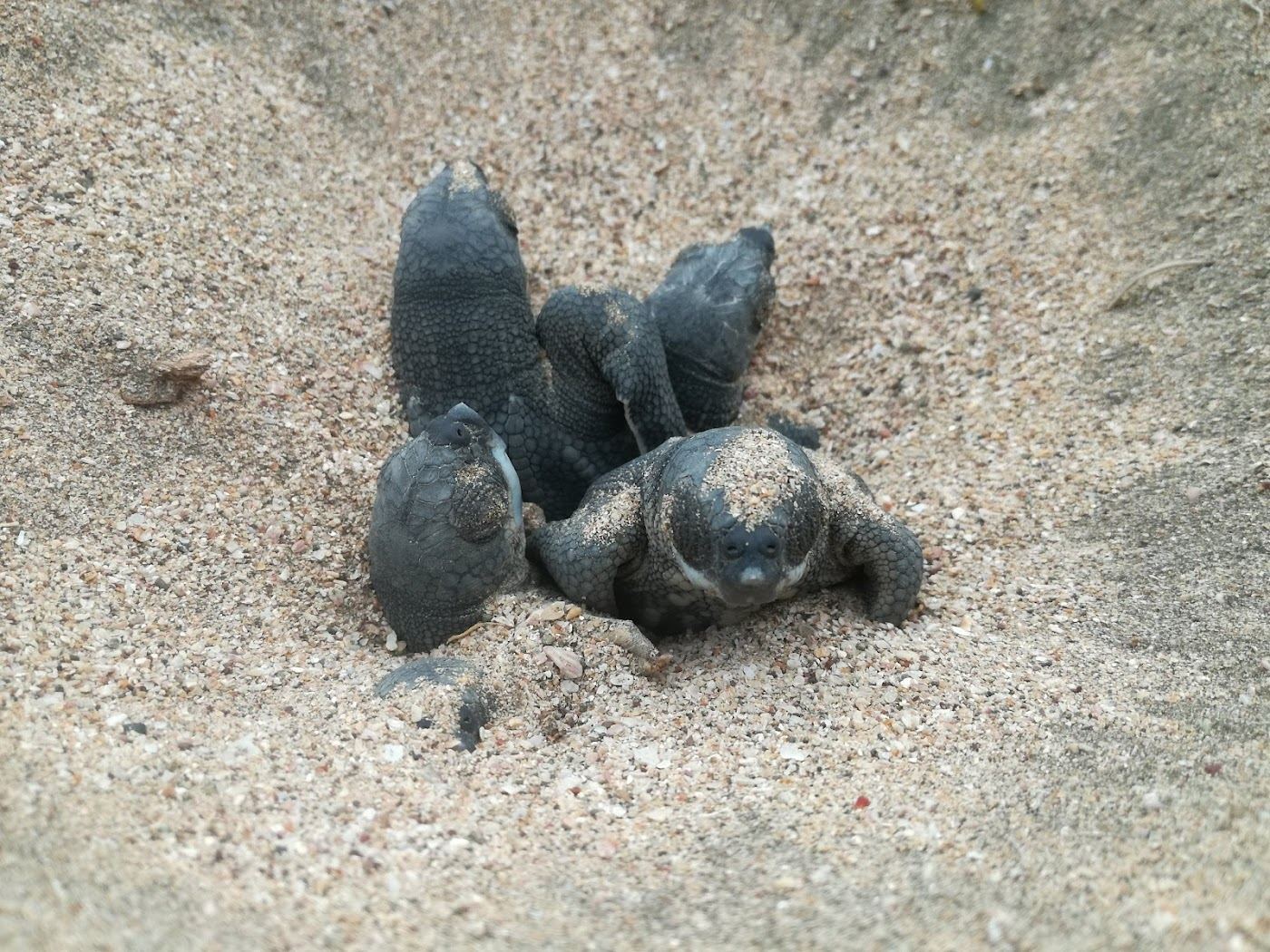
At night the beach belongs to the turtles. Playa Grande is one of the most important leatherback nesting sites on the Pacific, and from roughly October to February the giant females haul ashore to lay their eggs. Visits during nesting season are by guided tour only, with strict rules and no lights, to protect the animals. It is a humbling thing to witness, and booking through an authorised guide is both the right and the only way to see it.
Plan Playa Grande around the surf, the long walks and the turtles, and do your eating across the water. A small clutch of hotels and restaurants sits behind the dunes, but most visitors pair the wildness here with the food and buzz of Tamarindo, reached by a short water taxi. For easy swimming go to Playa Hermosa, for a famous beach lunch and gentler surf head south to Playa Avellanas, and to compare verified stays use our Guanacaste beach clubs directory.
Playa Grande rewards surfers and turtle season visitors, so time your trip with care. Leave your email for Shore Notes, our occasional letter on when to go and quiet weeks, or read our guide to the calmest swimming beaches in Guanacaste.
Clubs on and near Playa Grande
Playa Grande is a protected park with no clubs or vendors on the sand, and we never invent venues, prices or status. The few hotels and restaurants sit behind the dunes, and turtle access is controlled by the park, so anything we cannot confirm we list as to be confirmed. For verified stays and tours, use the Guanacaste beach clubs directory.
No club on the sand
As a national park, Playa Grande has no beach club or vendors on the sand, which is exactly what keeps it wild. A small number of hotels and restaurants sit behind the dunes for food and a cold drink off the beach.
Guided turtle tours
During nesting season the only way onto the beach at night is on an authorised guided turtle tour, run under strict park rules. Tours are seasonal and limited, so book ahead through a recognised guide or the park.
Playa Grande, Guanacaste
Playa Grande lies just north of Tamarindo across the river estuary, about an hour and twenty minutes by road from Liberia airport, reached by car through the village of Playa Grande or by a short water taxi from Tamarindo. There is roadside and hotel parking behind the dunes, and the beach opens to a long, wild stretch of sand with the surf breaking beyond.
Bring everything you need, as there are no shops or vendors on the sand and only a few places to eat behind the dunes. The surf and currents are strong, so swim only if you are confident and treat the conditions as serious rather than casual. For night visits in nesting season, go with an authorised guide and follow the park rules to the letter.
Not ready to book?
Keep the good shorelines coming. Shore Notes is our occasional letter on the best beaches and the clubs worth your day, sent straight to your inbox. One field, unsubscribe any time.
Reserve a daybed near Playa Grande
Send your details and we will help arrange a surf friendly stay or a turtle tour near Playa Grande and across Guanacaste. We confirm current availability and seasonal access with the venue or guide before you commit. Nothing is charged here.
Independent and honest · 1,340 beaches ranked across 103 destinations · We answer to no resort
Playa Grande FAQ
Can you swim at Playa Grande?
You can, but it is not a casual swimming beach. Playa Grande has strong, consistent surf and real rip currents with no reliable lifeguard, which makes it far better suited to surfing and long walks. Casual swimmers and families are much safer at calmer beaches such as Playa Conchal or Playa Hermosa nearby.
When can you see turtles nesting at Playa Grande?
Leatherback turtles nest here mainly from October to February, with the beach forming part of Las Baulas National Marine Park. Night visits during nesting season are by authorised guided tour only, under strict rules and with no lights, so book ahead through a recognised guide or the park office.
Is Playa Grande good for surfing?
Yes, it is one of the best surf beaches in Guanacaste. It picks up swell all year and offers consistent, powerful and relatively uncrowded waves, especially around the river mouth and at the right tides. It suits confident intermediate and advanced surfers more than complete beginners, who do better in Tamarindo.
How do you get from Tamarindo to Playa Grande?
The quickest way is the short water taxi across the river estuary, which costs only a few dollars. You must never try to swim or wade across the estuary yourself, as crocodiles live there. By road, Playa Grande is reached through its own village, a longer drive around from Tamarindo.
Are there restaurants or facilities at Playa Grande?
Very few, and that is by design. As a protected park the beach has no clubs or vendors on the sand, with only a small number of hotels and restaurants set back behind the dunes. Most visitors bring their own water and snacks and pair a day here with eating across the water in Tamarindo.