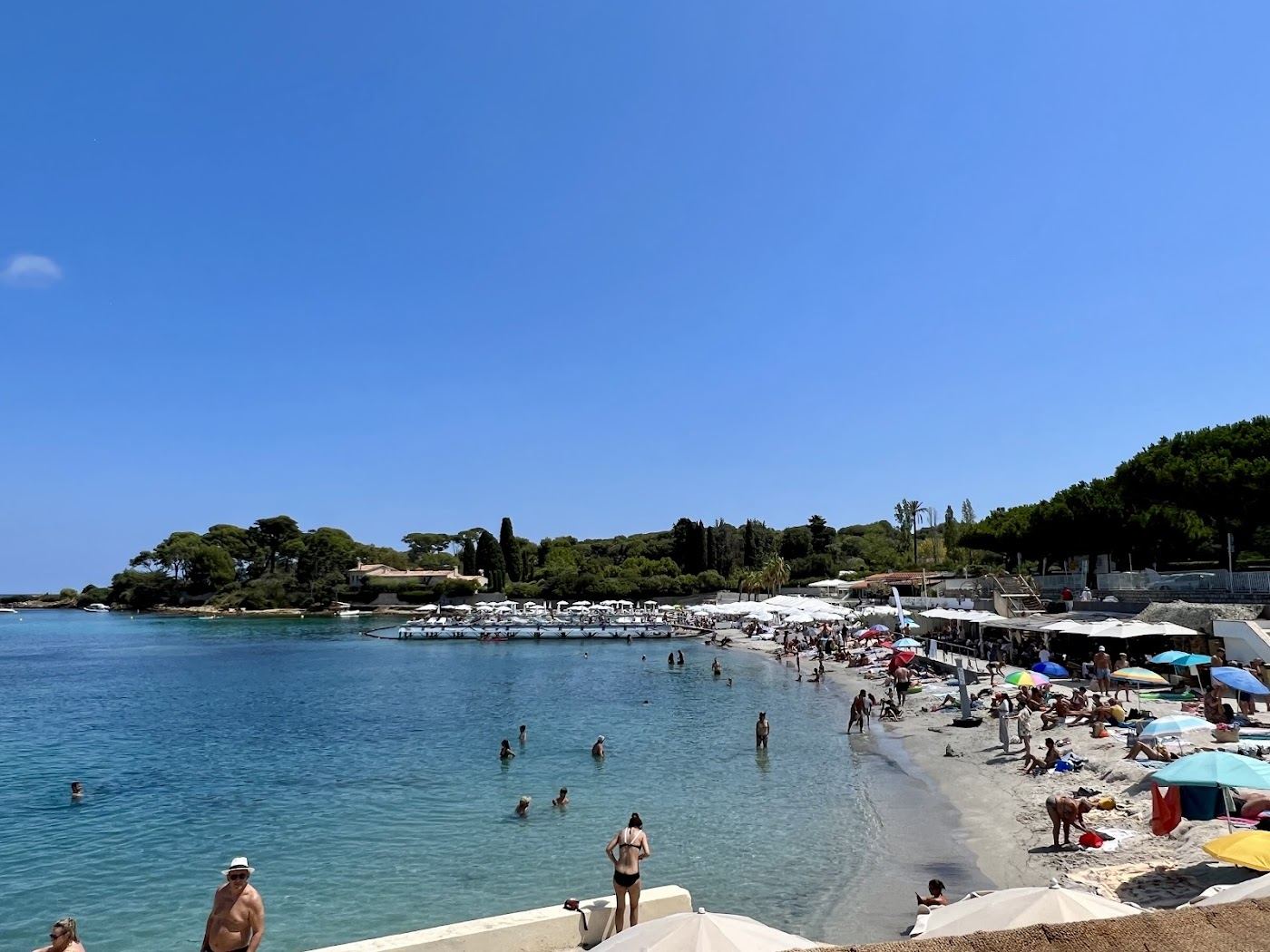
 Photo: Sviatlana Tsiaseika via Google
The Best Beaches for Snorkelling in French Riviera
Clear rocky coves on the capes, where the marine life actually is.
The verdict
- Best forSnorkellers who want clear Mediterranean water, rock and seagrass full of small life, and a quiet cove rather than coral or a crowd.
- Top pickPlage Mala under the cliffs of Cap d'Ail and Paloma on Cap Ferrat for the clearest water, with Garoupe on Cap d'Antibes close behind.
- SkipThe big sandy resort beaches of Cannes and Saint Tropez for snorkelling. The water is fine to swim but there is little to see, so head for the rocky capes.
Published 21 March 2026. Last reviewed 24 April 2026
Snorkelling on the French Riviera is a quieter, more Mediterranean pleasure than the tropics, and the first thing to understand is where to point yourself. There is no coral here and the famous beaches will not show you much, because the glamour sands of Pampelonne, the Croisette and Larvotto are exactly that, sand, lovely to swim from and almost empty of life below the surface. The interest is on the rocky headlands, the capes that jut into the sea between the resort towns, where clear water meets rock and seagrass and the small life gathers.
Go to the right cove and the reward is real. The capes of Cap d'Antibes, Cap Ferrat and Cap d'Ail are scalloped with little sheltered bays where the water runs clean and bright over pale rock, and where a mask reveals shoals of bream and salema, painted wrasse darting through the shafts of light, urchins and starfish on the stone, and now and then an octopus folded into a crevice. Underneath it all lie meadows of posidonia, the Mediterranean seagrass that shelters the whole system and pulls the carbon down, swaying green in the current.
That seagrass is the part a naturalist should care about most. Posidonia is protected and slow growing, the nursery and the lungs of this coast, and it is easily damaged by a dropped anchor or a careless fin. Float over it, never stand on it or pull at it, give it the same respect you would a reef, and leave the urchins and the octopus where they live. Carry your litter out, avoid touching the marine life, and snorkel light so the cove is as good for the next visitor as it was for you.
We have ranked the beaches below by how good the actual snorkelling is, weighing water clarity, the rock and seagrass habitat and the ease of a gentle entry rather than how pretty the bay looks from the road. Each entry links to its full guide so you can check access, the walk down and the honest read on crowds, and remember that the calmest, clearest water comes on a still morning before the wind and the boats arrive.
Six of the best snorkelling beaches in French Riviera
Clear coves on the capes, not the resort sand.
Plage Mala
A small jewel of a cove tucked under the cliffs of Cap d'Ail, reached by a long stairway down, with some of the clearest water on the coast. The rocky sides and clean stone bottom hold plenty of fish and the bay stays sheltered, which makes for easy, bright snorkelling. The climb keeps the numbers down, and the reward at the bottom is worth every step.
Paloma Beach
A pretty cove on the eastern flank of Cap Ferrat with rock at both ends and clear, sheltered water in between. Snorkel along the rocky margins and you will find wrasse, bream and seagrass close to shore, and the famous Cap Ferrat coastal path runs right above it for a walk to pair with the swim. Calm, clean and rightly loved.
Plage de la Garoupe
A sheltered, gently shelving bay on Cap d'Antibes with fine sand in the middle and rock at the edges, which is exactly where the snorkelling is. Work the rocky ends in clear water for fish and seagrass while the family stays on the calm sand. Easy to reach and easy to enter, a good all rounder for a snorkel with everyone in tow.
Passable
A calm, west facing beach on the sheltered side of Cap Ferrat, looking across to Villefranche, with rock at its margins and quiet water for an easy float. The snorkelling is gentle rather than spectacular, best along the rocky edges, and the shelter makes it a reliable choice when the wind is up elsewhere on the coast.
Marinieres
The long sheltered beach inside the deep bay of Villefranche, where the water is calm and the seagrass meadows close to shore shelter shoals of small fish. It is a sandy beach rather than a rocky cove, so the snorkelling is about the seagrass and the bream over it rather than dramatic rock, but the shelter and the easy entry make it a kind place to start.
Gigaro
A wilder stretch on the unspoilt coast near La Croix Valmer, where the beach runs into the protected rocky headlands of Cap Lardier. Snorkel the rocky ends and the water is clear and quiet, with the bonus of a genuinely natural setting away from the resort crowds. The pick on this list for anyone who wants the coast to feel undeveloped.
What the Riviera does and does not give a snorkeller
The honest read is that the French Riviera is a fine snorkelling coast as long as you arrive with Mediterranean expectations. You will not find coral gardens or clouds of tropical colour, but you will find clear water, dramatic pale rock, meadows of seagrass and a steady cast of bream, wrasse, urchins and the occasional octopus, all best enjoyed in the small coves of the capes rather than the big resort beaches.
It is worth saying plainly that the most famous beaches are the worst for this. The sand of Pampelonne, the Croisette and Larvotto is lovely to lie on and dull to snorkel, so do not waste a mask on them. Point yourself instead at Cap d'Ail, Cap Ferrat and Cap d'Antibes, where the rocky headlands do all the work, and treat any cove with rock at its edges as the place to look.
Timing and care decide the quality. The sea is warmest and the visibility best from roughly June to September, and a still morning before the wind and the boats gives the clearest water, while the protected posidonia seagrass asks that you float and never stand. Conditions change quickly with wind and traffic, so snorkel close to shore, keep clear of moored boats, and treat all sea conditions as typical and never guaranteed.
Beach clubs, cove beaches and a base for the day
Several of the snorkelling coves double as small private beaches, where a club rents loungers, shade and a kitchen behind the same clear water you came to swim. Paloma and Plage Mala in particular pair a serviced beach with a fine snorkel, while the public ends stay free to use. Operators, opening status and any minimum spend vary with the season, so we keep the live list on the directory. Tell us your dates and the kind of day you want and we pass the enquiry on to confirm what is open.
Book a beach club in French Riviera
Independent and honest · 1,340 beaches ranked across 103 destinations · We answer to no resort
Before you go
Is the French Riviera good for snorkelling?
Yes, in its Mediterranean way, as long as you go to the rocky coves of the capes rather than the sandy resort beaches. There is no coral here, but the clear water and rock and seagrass around Cap d'Antibes, Cap Ferrat and Cap d'Ail hold wrasse, bream, the occasional octopus and a lot of light. Set that expectation and the snorkelling is genuinely lovely.
Where is the best snorkelling on the French Riviera?
Plage Mala under the cliffs of Cap d'Ail and Paloma Beach on Cap Ferrat are the two clearest, rockiest coves, with Plage de la Garoupe on Cap d'Antibes close behind. These small, sheltered bays on the rocky headlands have the clean water and the marine life, far more than the big sandy beaches of Cannes or Saint Tropez.
Do I need a wetsuit to snorkel on the Riviera?
Not in high summer, when the sea is warm from roughly June to September and a swimsuit is plenty. Outside those months a thin wetsuit or rash top adds comfort and time in the water. Bring your own mask and fins, since hire is not reliable at these small coves, and always check conditions on the day.
Is it safe to snorkel from the rocks on the Riviera?
The sheltered cove beaches are the gentlest entry, while open rock platforms need calm water and care getting in and out. Wind and boat traffic change conditions quickly, so snorkel close to shore, keep clear of moored boats, and treat all sea conditions as typical rather than guaranteed. Go on a still morning for the calmest, clearest water.
What will I see snorkelling on the French Riviera?
Expect Mediterranean rather than tropical life: shoals of bream and salema, painted wrasse, sea urchins and starfish on the rocks, the odd octopus or moray in a crevice, and meadows of posidonia seagrass that shelter it all. The seagrass is protected and vital, so float over it and never stand on or pull at it.