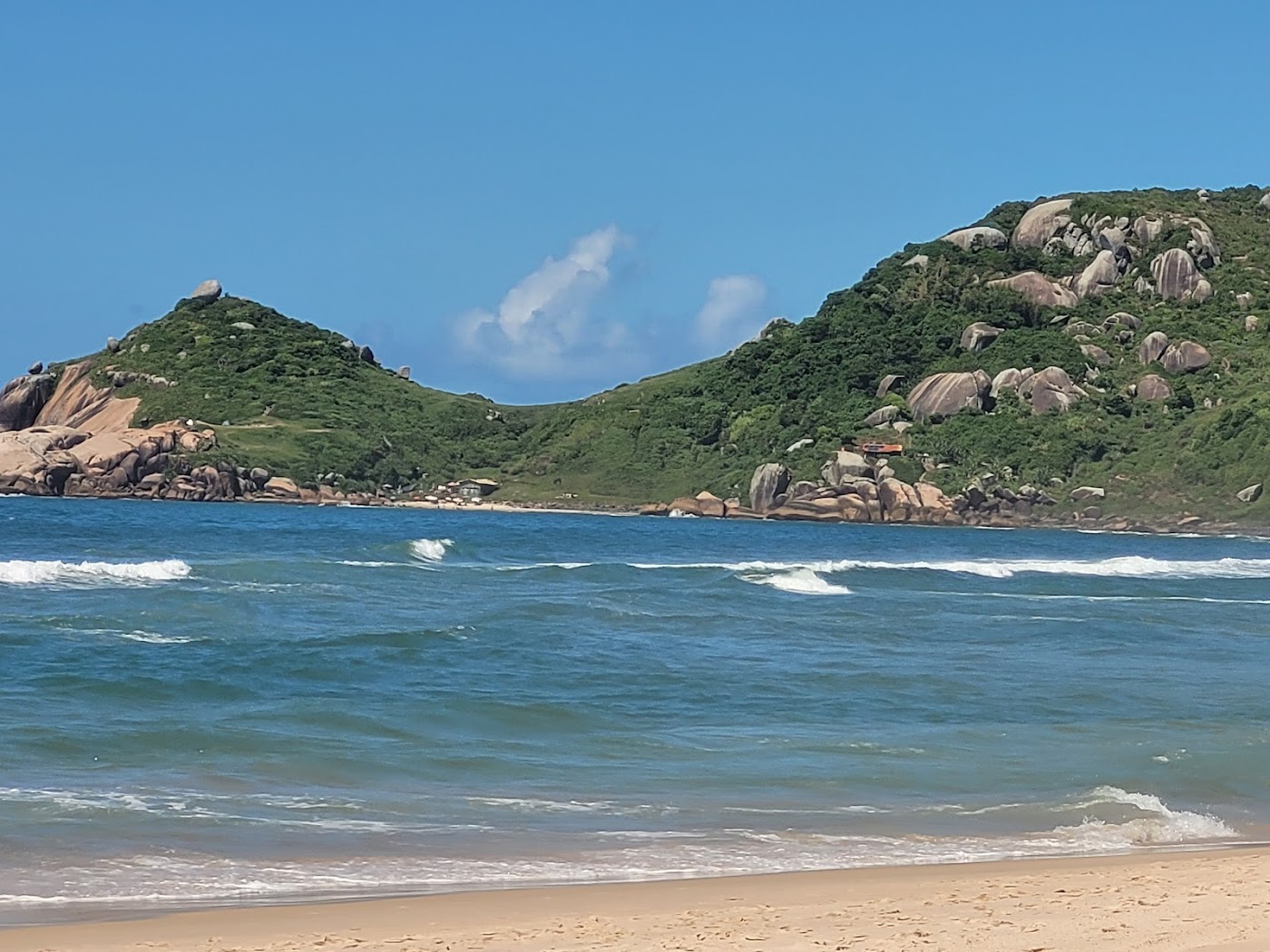
 Photo: Daniel Maschio via Google
When to Go to Florianopolis
Reading the southern calendar for warm sea, long light and quieter sand.
The verdict
- Best forTravellers weighing the hot, crowded Brazilian summer against the calm, golden light and value of the shoulder months.
- Top pickMarch, when the sea is still warm, the light goes long and the holiday crowds thin after Carnival.
- One thing to knowThis is the southern hemisphere, so the warm season is December to March and the cool, surf and whale season is the middle of the year.
Published 19 January 2026. Last reviewed 15 May 2026
Florianopolis is a southern island, so flip the calendar in your head before you book. The warm, loud, crowded season is the Brazilian summer from December to March, and the quiet, mild, green months are the middle of the year. The island wears more than forty beaches, from the open Atlantic surf of the east coast to the sheltered, family friendly bays of the north, and the time you come changes which of those faces you see.
Through high summer the light is hard and bright, the sea at Praia Mole and Joaquina turns a deep blue under heat haze, and the sand fills with Brazilian and Argentine holidaymakers. It is hot, humid and full of energy, with the warmest water of the year and the highest prices. Come in the shoulder weeks and the whole palette softens. The crowds drain away, the afternoon light stretches long and gold across the dunes, the hills behind the beaches stay green, and the sea holds its warmth into the start of autumn.
The cooler middle of the year is a different island again. June to August can be mild and clear or grey and brisk, the surf lines up cleanly along the east coast, and southern right whales move along the Santa Catarina coast offshore. Below is a month by month read, then a closer look at the months that most reward or most test a visit. Treat all of it as typical patterns rather than promises, since weather and crowds shift from year to year.
Month by month at a glance
| Month | Air | Sea | Rain | Crowd | Verdict |
|---|---|---|---|---|---|
| January | Hot | Warm | Medium | High | Peak summer, warmest sea, packed beaches and high prices |
| February | Hot | Warm | Medium | High | Hot and humid with Carnival energy and busy sand |
| March | Warm | Warm | Medium | Medium | Often the sweet spot, warm sea and thinning crowds |
| April | Mild | Mild | Medium | Low | Soft autumn light, quiet beaches and good value |
| May | Mild | Cool | Medium | Low | Cooler and calm, fine for walking, brisk for swimming |
| June | Cool | Cool | Medium | Low | Quiet winter start, surf and whales begin offshore |
| July | Cool | Cool | Medium | Low | Coolest stretch, green hills, clear surf and low prices |
| August | Cool | Cool | Medium | Low | Mild and quiet, whale watching and reliable swell |
| September | Mild | Cool | Medium | Low | Spring warming, fresh and uncrowded, good value |
| October | Mild | Mild | Medium | Medium | Warming days and longer light, crowds still light |
| November | Warm | Mild | Medium | Medium | Warm and bright before the peak, a smart shoulder week |
| December | Hot | Warm | Medium | High | Summer arrives, sea warming, crowds building fast |
When each month earns its place
March. March is the connoisseur's month. The sea still carries summer's warmth, the worst of the humidity has eased, and once Carnival passes the beaches breathe out. The light is the real prize, lower and warmer than midsummer, washing the dunes at Joaquina and Mole in gold through the late afternoon. You get most of the summer with far less of the crush.
January and February. Peak summer is the island at full volume. The sea is at its warmest, the days are hot and the energy is infectious, with Carnival landing in February or early March some years. The trade off is obvious, with packed sand, the highest prices and a hard midday glare, so come for the buzz and book well ahead.
July. Deep winter is the quiet, photogenic opposite. Temperatures are mild to cool, the hills stay green, the surf lines up cleanly on the east coast and southern right whales pass along the Santa Catarina coast offshore. Swimming is brisk and some days turn grey, but for surfers, walkers and value seekers it is a lovely, empty time.
November. November is the underrated shoulder week before the holidays arrive. Days are warming, the light is lengthening, the sea is climbing back toward swimming warmth and the beaches are still calm. Prices have not yet jumped, which makes it one of the smartest windows on the whole calendar.
Get the Florianopolis beach calendar
Independent and honest · 1,340 beaches ranked across 103 destinations · We answer to no resort
Before you go
What is the best month to visit Florianopolis?
March is often the smartest single month. The sea is still warm from summer, the light turns long and gold, and the holiday crowds thin out after Carnival. December to early March brings the hottest weather and the fullest energy, while the shoulder weeks of late March, April and November trade a little heat for far quieter sand.
When is summer in Florianopolis?
Florianopolis sits in the southern hemisphere, so summer runs from December to March. These are the hottest, busiest and most humid months, with the warmest sea and the island at its liveliest, especially over the Christmas, New Year and Carnival weeks.
Is the sea warm enough to swim in Florianopolis?
In summer the water is comfortably warm for swimming, warmest from January to March. It cools through autumn and feels brisk in winter from June to August. The sheltered north coast bays tend to be calmer and a touch warmer than the open Atlantic surf beaches on the east. Conditions are typical and never guaranteed.
When can you see whales near Florianopolis?
Southern right whales visit the Santa Catarina coast through the cooler months, broadly from June to November, when females come close to shore to calve. It is a winter and spring highlight rather than a summer one, so it pairs with the quieter, cooler season rather than the beach peak.
When is the cheapest time to visit Florianopolis?
The cooler months from May to September are the quietest and best value, as they fall outside the Brazilian summer holidays. You trade warm swimming weather for mild, clear days, green hills and far lower prices, which suits surfers, walkers and travellers who prefer calm over crowds.