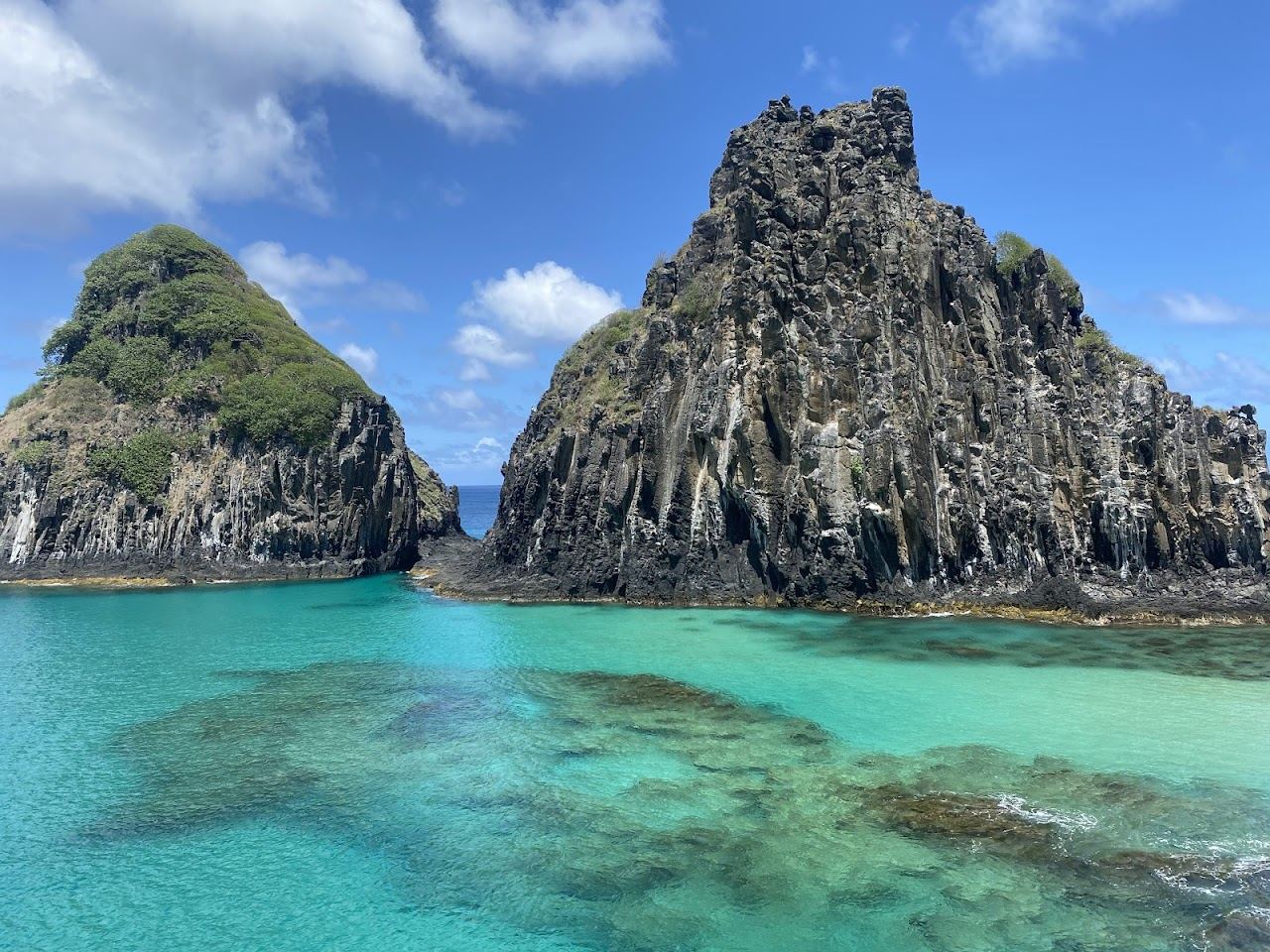
 Photo: Marcela Mihessen via Google
When to go to Fernando de Noronha
The dry season, the wet season and the surf months, read honestly for the sea, dolphins and crowds.
The verdict
- Best forAnyone choosing weeks for the clearest sea, the dolphins or quiet value over the dry season peak
- Top pickAugust to October, the heart of the dry season, with calm clear water and the best snorkelling and diving of the year
- One thing to knowThe island sits just below the equator so it is warm all year; the real choice is dry season clarity against wet season green and value, plus the December to March surf swell
Published 6 April 2026. Last reviewed 28 April 2026
Fernando de Noronha is a remote volcanic archipelago in the Atlantic, around 350 kilometres off the northeast coast of Brazil and just south of the equator, so the temperature barely moves across the year and the sea is always warm. What changes is the rain, the clarity of the water and the swell, and that is what should drive your timing on an island this special and this strictly protected.
The year runs on two seasons. The dry season from roughly August to January brings sunny skies, calm clear water and the finest conditions for snorkelling and diving, with visibility usually at its very best from August into mid October. The wet season from February to July is greener, quieter and cheaper, with heavier showers that often pass quickly. Layered on top is the surf season from about December to March, when Atlantic swell lights up the waves at Cacimba do Padre and reshapes which beaches are calm.
This guide walks the year month by month, with a quick grid and longer notes on the months that matter most. We have been honest about the trade offs, because the clearest, calmest weeks are also the busiest and priciest on an island that already costs more than most, while the cheaper, quieter months come with rain and a different sea. Remember too that Noronha charges a daily environmental tax and a separate marine park ticket, so budget for both whenever you go.
Month by month at a glance
| Month | Air | Sea | Rain | Crowd | Verdict |
|---|---|---|---|---|---|
| January | Warm, humid | Warm, clear, surf building | Mostly dry, first showers possible | Peak over the holidays | Dry season tailing off; festive weeks busy, surf arriving |
| February | Warm, humid | Warm, surf season | Wet season starting | Carnival spike | Surf and Carnival energy; rain returns, inner beaches lively |
| March | Warm, humid | Warm, surf easing late | Wet | Quieter after Carnival | Green and wetter; last of the big surf, fewer visitors |
| April | Warm, humid | Warm, settling | Wettest stretch | Quiet | Low season; lush and cheap, but plan around the rain |
| May | Warm, humid | Warm | Wet, easing | Quiet | Still wet and green; good value with the odd downpour |
| June | Warm | Warm, calming | Drying out | Quiet, building | The wet season fading; a fresher, quieter window |
| July | Warm | Warm, clearer | Mostly dry | Building, school holidays | Improving fast; Brazilian holidays lift the crowds |
| August | Warm, breezy | Warm, calm, very clear | Dry | Busy | A top month; dry season opens with superb visibility |
| September | Warm, breezy | Warm, calm, very clear | Driest | Busy | Excellent; the clearest sea and strong dolphin sightings |
| October | Warm, breezy | Warm, calm, clear | Dry | Moderate | A top shoulder month; fine conditions, slightly thinner crowds |
| November | Warm, humid rising | Warm, clear | Dry | Moderate | Still dry and lovely; a quieter window before the holidays |
| December | Warm, humid | Warm, surf building | Dry, showers possible late | Peak over the holidays | Dry but busy; surf season opens at Cacimba do Padre |
When each month earns its place
August. The dry season opens and the sea settles into its clearest, calmest state, which makes this one of the best months for snorkelling the natural pools at Baia dos Porcos and diving the island's famous sites. The weather is sunny and breezy, the landscape still holds some green from the rains, and the water visibility is superb. It is busy and not cheap, but the conditions justify it.
September. Arguably the peak of the year for the sea. Statistically the driest month, with calm, gin clear water, excellent diving and some of the strongest spinner dolphin activity in Baia dos Golfinhos at sunrise. The island is busy with visitors chasing exactly these conditions, so book flights, the inn and any tours well ahead.
October. The closing shoulder of the prime window, still dry, calm and clear, with crowds easing a little from the August and September high. A smart choice if you want top snorkelling and diving conditions with slightly more room and the chance of marginally softer prices late in the month.
December to March. The surf season, when Atlantic swell reaches the island and Cacimba do Padre becomes a genuine wave for experienced surfers. In this window the sheltered inner sea beaches can pick up surf and lose their glassy calm, while the outer sea beaches such as Praia do Sueste and Praia do Atalaia often become the better bet for calm snorkelling. The festive weeks and Carnival are the busiest and priciest of all.
April and May. The wettest, quietest, greenest stretch and the cheapest time to visit. Showers are heavier now but often fall in short bursts and clear quickly, leaving the island lush. If you value lower prices and far fewer people over guaranteed glassy water, these months reward the gamble, especially with a flexible itinerary.
Get the Fernando de Noronha calendar
Independent and honest · 1,340 beaches ranked across 103 destinations · We answer to no resort
Before you go
What is the best time to visit Fernando de Noronha?
For most visitors the dry season from August to October is the sweet spot, with sunny skies, the calmest, clearest sea and the best snorkelling and diving conditions of the year. The wider dry season runs from August to January, while February to July is wetter, greener, quieter and cheaper.
When is the dry season in Fernando de Noronha?
The dry season runs from roughly August to January, with little rain and stable, sunny weather. The wet season is from February to July, when showers are heavier but often short and the island turns lush and green. Sea visibility is generally at its best from August to mid October.
When is the surf season in Fernando de Noronha?
The surf season runs from about December to March, when North Atlantic swell reaches the island and the famous waves at Cacimba do Padre come alive. In this window the sheltered inner sea beaches can pick up surf, while the outer sea beaches like Sueste and Atalaia tend to be calmer for snorkelling.
Can you see dolphins in Fernando de Noronha?
Yes. Spinner dolphins gather in Baia dos Golfinhos through the year and are often seen at sunrise, with the highest concentrations in the dry season from about September to February. Sightings are never guaranteed and depend on the day, so an early start and a guided boat trip improve your chances.
Do you need to pay fees to visit Fernando de Noronha?
Yes. The island charges a daily environmental preservation tax for every visitor, and the national marine park has its own entry ticket that covers several of the best beaches for a set number of days. The exact amounts change, so we list them as to be confirmed and suggest you check the current rates before you travel.