 Photo: Giulio Barki via Google
The verdict
- Best forBeachgoers choosing between the ideal warm calm of spring and autumn, mild winter sun, and the extreme heat and warmest sea of the desert summer
- Top pickApril, May, October and November, when the Red Sea is warm and the desert heat is comfortable, outside the busiest Jewish holiday weeks
- One thing to knowEilat is a dry, sunny, year round beach town, so the real planning points are the forty degree summer heat and the holiday crowds, not rain
Published 31 January 2026. Last reviewed 18 February 2026
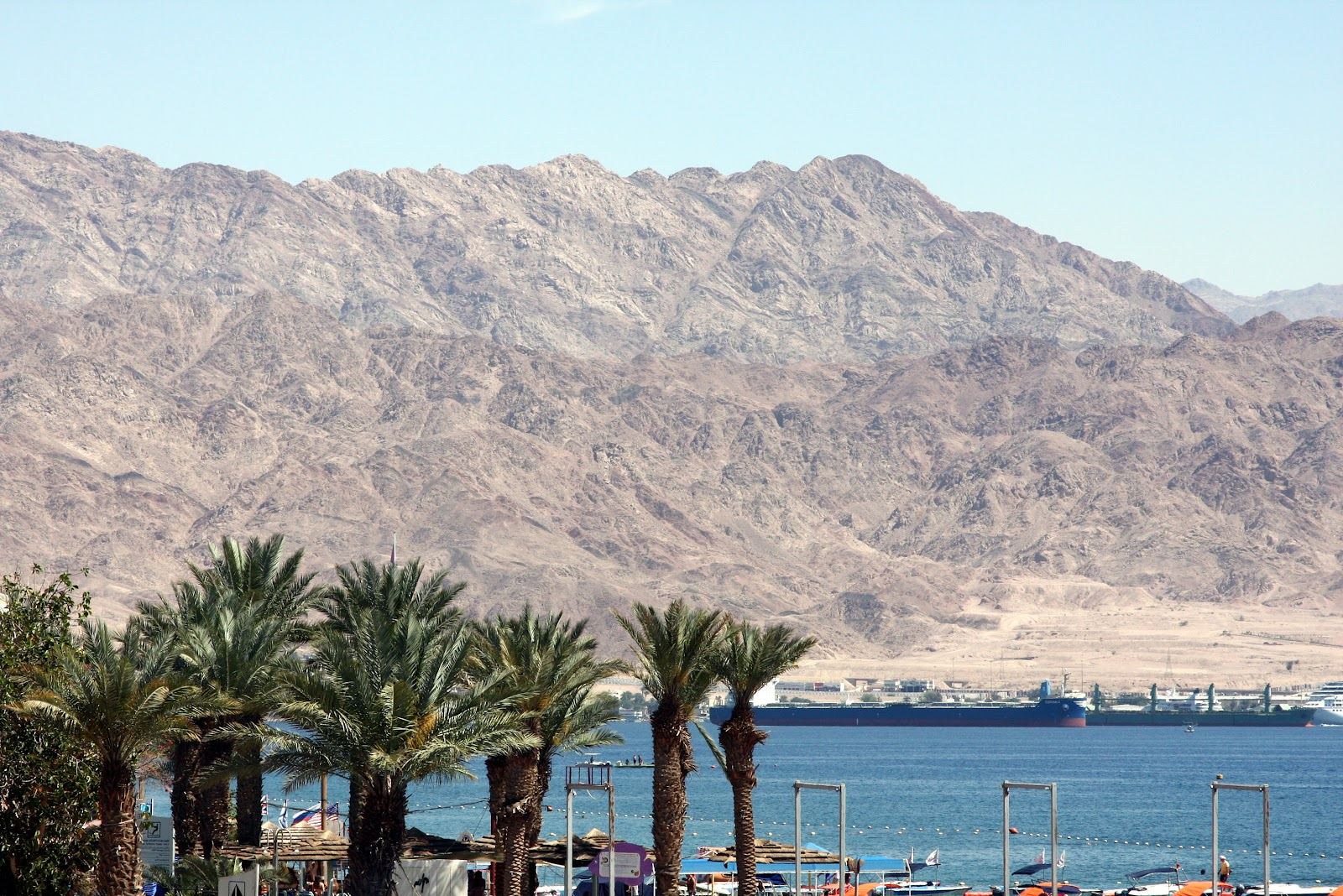
Eilat has one of the most generous beach seasons anywhere, because it sits in the desert at the top of the Red Sea where the sun is near constant, the rain negligible and the sea warm enough to swim every month of the year. That makes the question less about whether you can go and more about what you are willing to trade. The choice is between the comfortable warmth of spring and autumn, the mild sun of winter that draws Europeans south, and the extreme heat of a summer that brings the warmest sea but a punishing forty degree day. Time it well and Eilat is close to faultless, time it badly and the heat or the crowds will shape the trip.
The key thing to understand is that the limiting factor here is heat and holidays, not weather in the usual sense. You can effectively count on dry, sunny skies whenever you come, so the calendar turns on the temperature and the Israeli festival dates. The sea lags the air gently, coolest in late winter around twenty one degrees and warmest in late summer near twenty eight, swimmable throughout. The crowds surge around Passover in spring, the summer school holidays, and Sukkot in autumn, when the town fills and prices climb. Plan around those and the shoulder weeks deliver the best of Eilat with room to breathe.
Below is the month by month picture with an honest verdict on each, the sea temperatures, the desert heat and the crowds laid out, and a clear flag on the summer extremes and the holiday spikes. Figures are typical and approximate, and conditions are never guaranteed, especially the rare desert flash flood that can briefly close the canyon trails behind town after a mountain storm.
Month by month at a glance
| Month | Air | Sea | Rain | Crowd | Verdict |
|---|---|---|---|---|---|
| January | Mild, around 21C | Mild, near 22C | Dry | Quieter | Winter sun, the sea cool but swimmable |
| February | Mild, around 22C | Coolest, near 21C | Dry | Quieter | Pleasant winter beach weather |
| March | Warm, around 25C | Cool, near 21C | Dry | Building, Passover weeks busy | Spring warmth arriving, lovely on the reef |
| April | Warm, around 30C | Mild, near 23C | Dry | Busy at Passover | One of the best months overall |
| May | Hot, around 34C | Warm, near 25C | Dry | Comfortable | Warm sea, heat climbing fast |
| June | Very hot, around 37C | Warm, near 26C | Dry | Building to peak | Hot, the sea excellent for snorkelling |
| July | Extreme, around 40C | Warm, near 27C | Dry | Peak summer holiday | Warmest air, snorkel early in the heat |
| August | Extreme, around 40C | Warmest, near 28C | Dry | Peak and packed | Hottest month, the busiest crush |
| September | Very hot, around 37C | Warmest, near 28C | Dry | Easing after summer | Warm sea, the heat softening |
| October | Warm, around 32C | Warm, near 26C | Dry | Busy at Sukkot | A top month, warm sea and easier heat |
| November | Warm, around 26C | Mild, near 25C | Dry | Quieter | Gentle warmth, fewer crowds, fine swimming |
| December | Mild, around 22C | Mild, near 23C | Dry | Winter sun crowd | Mild winter sun, the sea still swimmable |
When each month earns its place
April. April is arguably the finest month in Eilat. The desert heat is warm but still comfortable, the Red Sea has climbed to a pleasant temperature for long sessions on the reef, and the light is clean and bright. The one thing to plan around is Passover, when Israeli families fill the town and prices and crowds peak for a week or two, so check the dates and book ahead. Outside the holiday itself, April pairs ideal conditions with the spring desert at its best for a trip inland.
July. July brings the full desert summer, with daytime temperatures around forty degrees and an intense, dry heat that shapes the whole day. The sea is warm and wonderful for snorkelling and the town is lively with the Israeli summer holiday, but the heat is not to be underestimated. Snorkel and explore early, retreat to shade or air conditioning through the worst of the midday sun, drink constantly and save the promenade and the reef for the cooler ends of the day. For heat lovers it is glorious, for others a challenge.
August. August is the hottest and busiest month, the peak of the Israeli summer holiday, when the sea is at its warmest near twenty eight degrees and the town is at its fullest. It is a festive, energetic time with the warmest water of the year, but the forty degree heat and the crowds make it the most demanding month to visit. Book everything well ahead, treat early mornings as your friend for the reef, and plan the day around the sun. Worth it for the warm sea and the buzz if you can handle the extremes.
October. October is the autumn counterpart to April and just as good. The brutal summer heat has eased to a warm, comfortable level, the sea is still carrying the warmth of the whole summer for excellent snorkelling, and the desert is pleasant again for trips inland. The watch point is Sukkot, the autumn festival that fills the town for a week, so time your visit around it. Outside the holiday, October offers some of the best all round conditions of the year for a beach and reef trip.
December. December is the heart of the winter sun season, when travellers escaping the cold of Europe come for mild, sunny days by a sea that stays swimmable at around twenty three degrees. The air is warm by day and cool at night, the sun is reliable, and the town is busy with the winter crowd without the extremes of summer. The water feels fresh rather than cold, so a wetsuit makes a long snorkel more comfortable, but for sun on the sand and an easy swim it is a lovely, gentle month.
Get the Eilat beach calendar
Independent and honest · 1,340 beaches ranked across 103 destinations · We answer to no resort
Before you go
What is the best month to visit Eilat for the beach?
Spring and autumn are the standout, roughly March to May and October to November, when the sea is warm and the heat is comfortable rather than punishing. April and October in particular pair a warm Red Sea with pleasant air, ideal for long days on the reef. Avoid the worst of the summer heat if you can, and watch the Jewish holiday weeks of Passover in spring and Sukkot in autumn, when prices and crowds climb.
Is the sea warm enough to swim in Eilat in winter?
Yes. The Red Sea is mild all winter, typically around twenty one to twenty three degrees from December to March, cooler than summer but comfortably swimmable, which is why Eilat is a popular winter sun escape for travellers leaving the European cold. The air is mild and sunny by day and cooler at night, so winter is a fine time for the reef and the promenade even if it is not the warmest water of the year.
How hot does Eilat get in summer?
Very hot. July and August regularly reach around forty degrees in the day, dry desert heat with intense sun, and even the nights stay warm. The sea is at its warmest, near twenty seven or twenty eight degrees, and the town is busy with the Israeli summer holiday, but the heat is serious. If you visit in high summer, snorkel early, stay out of the midday sun, drink plenty of water and treat the shade and the air conditioning as essential.
Does it rain in Eilat?
Almost never. Eilat sits in the desert and is one of the driest resorts on the Red Sea, with negligible rainfall and sunshine close to year round. The rare exception is a brief winter shower or, very occasionally, a desert flash flood after a storm in the mountains, which can close canyon trails for a day. For the beach, you can effectively count on dry, sunny weather whatever the month, with conditions typical and never guaranteed.
When is Eilat busiest?
Eilat fills around the Israeli school holidays and the Jewish festivals, with the biggest peaks at Passover in spring, the summer holidays of July and August, and Sukkot in autumn, plus busy weekends year round. Winter draws international sun seekers but feels calmer than the domestic holiday peaks. For warm sea with more space, aim for the shoulder weeks of late spring or autumn that fall outside the festival dates, and book ahead for any holiday period.
Is Eilat a year round destination?
Yes, more than almost any beach town in the region. The warm Red Sea, the reliable sun and the negligible rain mean Eilat works every month, with winter for mild sun escapes, spring and autumn for the ideal balance, and summer for those who want the warmest sea and can handle the desert heat. The only real planning points are the extreme summer temperatures and the holiday crowds, both of which are easy to design around.