 Photo: Oscar Palomo via Google
The verdict
- Best forTravellers deciding which month balances dry skies, warm water, crowds and price for a Cartagena beach trip and a run out to the islands.
- Top pickLate December through April for reliable dry heat, breezy clear days and calm warm water, with January and February the driest of all.
- One thing to knowCartagena sits below the hurricane belt, so the year is shaped by rain and Colombian holidays rather than storms, and the sea is swimmable every month.
Published 10 March 2026. Last reviewed 25 April 2026
Cartagena runs on two broad seasons, a long dry stretch from roughly December to April and a wetter run from May to November that is broken by a curious mid year dry spell. Sitting on the Colombian Caribbean and well south of the hurricane belt, the city is hot and humid all year, so the real questions are how much rain you are willing to risk, how clear you want the water, and how busy you are happy for the old town and the beaches to be.
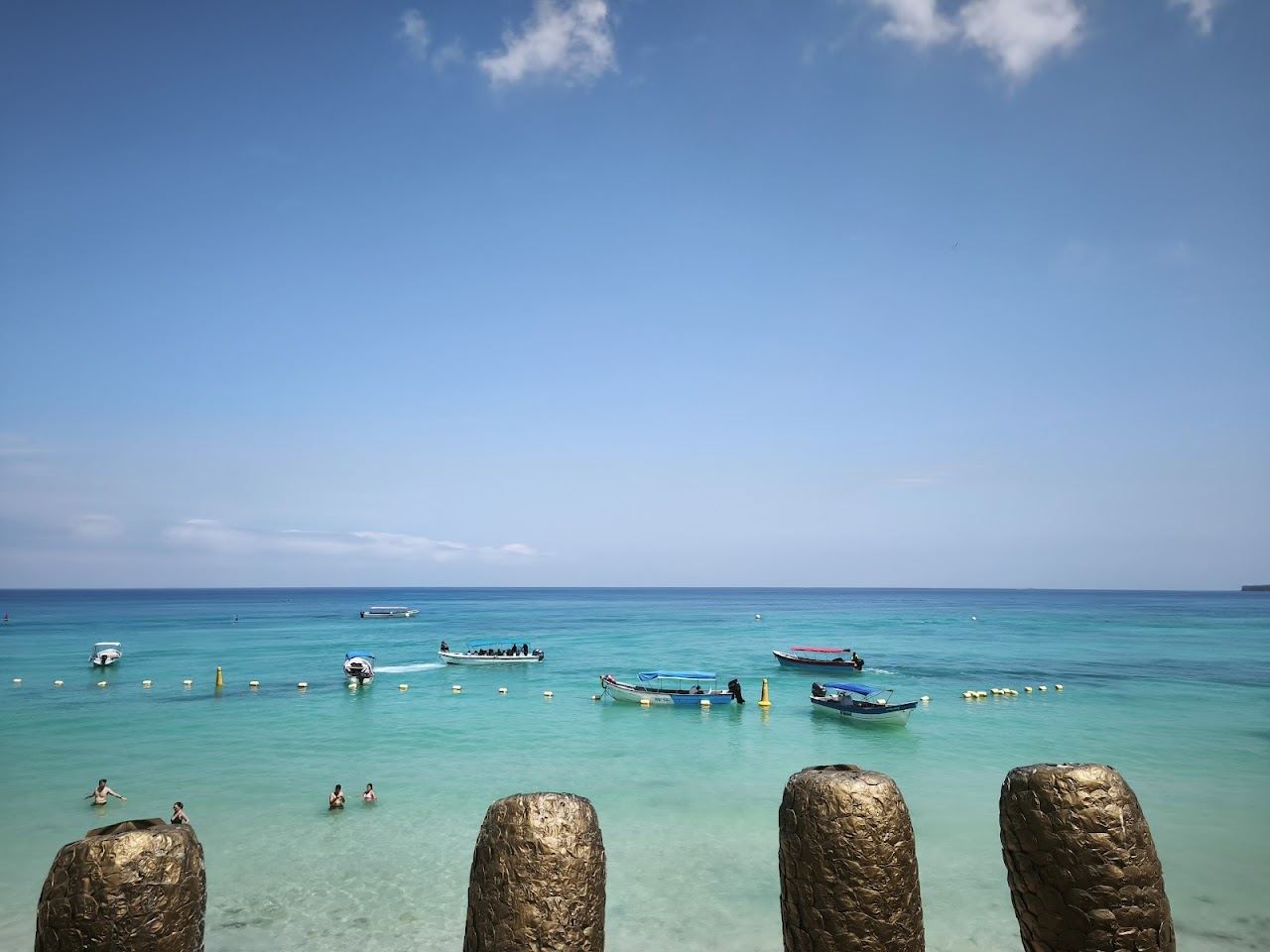
The dry season is the headline. From December the trade winds set in from the northeast, the air feels a touch fresher, the skies stay clear and the sea around the Rosario islands turns its postcard blue. This is why the city fills up over Christmas, New Year and Easter, and why prices climb to their highest. The water itself barely changes through the year, holding between about 27 and 29 degrees Celsius, so it is clarity and crowds, not warmth, that move with the calendar.
The wet season is more interesting than it sounds. A first burst of rain arrives around May and June, then eases into a brighter window in July and August known locally as the veranillo, before the heaviest rains of the year settle in from September to November, with October the wettest. Even then the rain tends to come as short, dramatic afternoon storms rather than days of grey, so mornings are frequently sunny and the green season carries real value.
Below we break the year down month by month, with a quick season grid and notes on the months that genuinely stand out. Treat all of it as typical rather than guaranteed, since weather shifts year to year, and pair it with a recent forecast before you commit to a particular week.
Month by month at a glance
| Month | Air | Sea | Rain | Crowd | Verdict |
|---|---|---|---|---|---|
| January | 31 C | 27 C | Very low | High | Dry, breezy, peak season |
| February | 31 C | 27 C | Very low | High | Driest month, clear sea |
| March | 31 C | 27 C | Low | Medium | Hot, dry, fine for islands |
| April | 31 C | 28 C | Low | Medium | Dry season tails off |
| May | 32 C | 28 C | Rising | Medium | First rains, still warm |
| June | 32 C | 29 C | Medium | Medium | Short wet spell, humid |
| July | 32 C | 29 C | Low | High | Veranillo dry spell, busy |
| August | 32 C | 29 C | Low | High | Drier window, holidays |
| September | 31 C | 29 C | High | Low | Rains build, quiet |
| October | 31 C | 29 C | Very high | Low | Wettest, cheapest, warm |
| November | 31 C | 29 C | High | Low | Rain easing, good value |
| December | 31 C | 28 C | Falling | High | Dry returns, festive peak |
When each month earns its place
January and February. The heart of the dry season and, for many, the finest time to be here. The trade winds keep the heat honest, the skies stay clear for days on end and the water around the Rosario islands is at its clearest, which makes this the prime window for a boat day out to Baru and Playa Blanca. The catch is that everyone knows it, so book the old town and the island trips early and expect peak prices.
March and April. The dry weather holds while the festive and Easter crowds thin out either side of Holy Week, so the late dry season can be a smart compromise. Days are hot and bright, the sea stays calm and clear, and the city feels a little more like itself. Pack for strong sun and plan beach time for the morning before the afternoon heat builds.
May and June. The first rains of the year arrive, usually as short heavy afternoon storms that clear to leave bright, steamy evenings. The water warms toward its yearly high and crowds are moderate, so if you do not mind dodging the occasional downpour you get warm seas and softer prices. Mornings are your friend, since the rain tends to wait until later in the day.
July and August. The veranillo, a drier window in the middle of the wet season, brings back clearer skies just as Colombian school holidays fill the beaches. It is a genuinely good weather bet, hot and largely dry, but it is also one of the busier domestic travel periods, so the islands and the old town hum with visitors. Reserve ahead and start early to claim the quiet sand.
September, October and November. The wettest stretch of the year, and the quietest and cheapest as a result. October in particular can deliver serious downpours, yet the rain still tends to fall in concentrated bursts rather than all day, so bright mornings are common and the city looks lush and green. If the budget matters more than guaranteed sunshine, this is your window, with warm water and room to breathe.
December. The rains fade, the trade winds return and the dry season reopens, all just as the festive crowds and prices surge for Christmas and New Year. Early December before the rush can be lovely, with drying weather and thinner crowds, while the final fortnight is the busiest and most expensive of the entire year. Decide which you value more and time it accordingly.
Get the Cartagena beach calendar
Independent and honest · 1,340 beaches ranked across 103 destinations · We answer to no resort
Before you go
When is the best time to visit Cartagena?
Late December through April is the sweet spot, the dry season when steady trade winds keep the skies clear, the heat bearable and the sea calm. January and February are the driest months of all. If you want the same warmth with fewer people and lower prices, aim for the short dry spell in July and August or the quiet edges of the rainy season.
Does Cartagena have a hurricane season?
Cartagena sits below the main Atlantic hurricane belt, so direct hits are very rare and the calendar is shaped by rain and local holidays rather than storms. The wettest stretch is September to November, when heavy afternoon downpours are common, but these are tropical rains rather than the cyclones that trouble islands further north.
When is the rainy season in Cartagena?
The main rains fall from September to November, with October the wettest month. There is also a shorter wet spell around May and June, broken by a drier window in July and August that locals call the veranillo. The rain usually comes as short heavy afternoon storms rather than all day greyness, so even wet season mornings are often bright.
Is the sea warm enough to swim year round in Cartagena?
Yes. The Caribbean here stays between about 27 and 29 degrees Celsius all year, so swimming is comfortable in every month. Water clarity is the bigger variable than temperature, since it is clearest in the dry season and can cloud after heavy rain, which is why the islands of the Rosario archipelago reward a dry season day trip.
When is Cartagena cheapest and least crowded?
The rainy months from September to November are the quietest and cheapest, with warm water and bright mornings between the storms. The short dry spell in July and August is busier because of Colombian holidays, while the deep dry season from late December to April, especially around Christmas and Easter, is the priciest and most crowded time of the year.