The verdict
- Best for
- Couples and anyone without school age children who can travel in September, when the water is warmest and the beaches have emptied.
- Top pick
- For warm calm seas and quieter sand, Sardinia and Crete. For long golden evenings with the buzz still on, Mykonos and Mallorca.
- One thing to know
- The sea lags the calendar. September water is warmer than June water in most of the Mediterranean, which is why late summer often beats early summer for swimming even when the air feels similar.
Published 23 January 2026. Last reviewed 10 April 2026
Most people book their beach week for July or August out of habit, then spend it sharing the sand with everyone else who did the same. Late summer quietly fixes this. By September the Mediterranean and its rivals have been warming all season and reach their peak sea temperatures, so the swimming is at its best exactly when the crowds drain away. Families tied to the school calendar head home, the loungers thin out, and the same beaches that felt frantic in August relax into something close to perfect.
We have ranked these on how well they hold their warmth and atmosphere once the peak passes rather than on midsummer drama. A destination earns its place when the water is still bath warm in September, the restaurants and clubs are still open, and the weather is reliable enough to plan around. Some keep the party going at a gentler tempo. Others simply hand you an empty, sun soaked beach. All of them prove that the best week of the summer often comes after summer is supposed to end.
Where late summer is at its best, in order
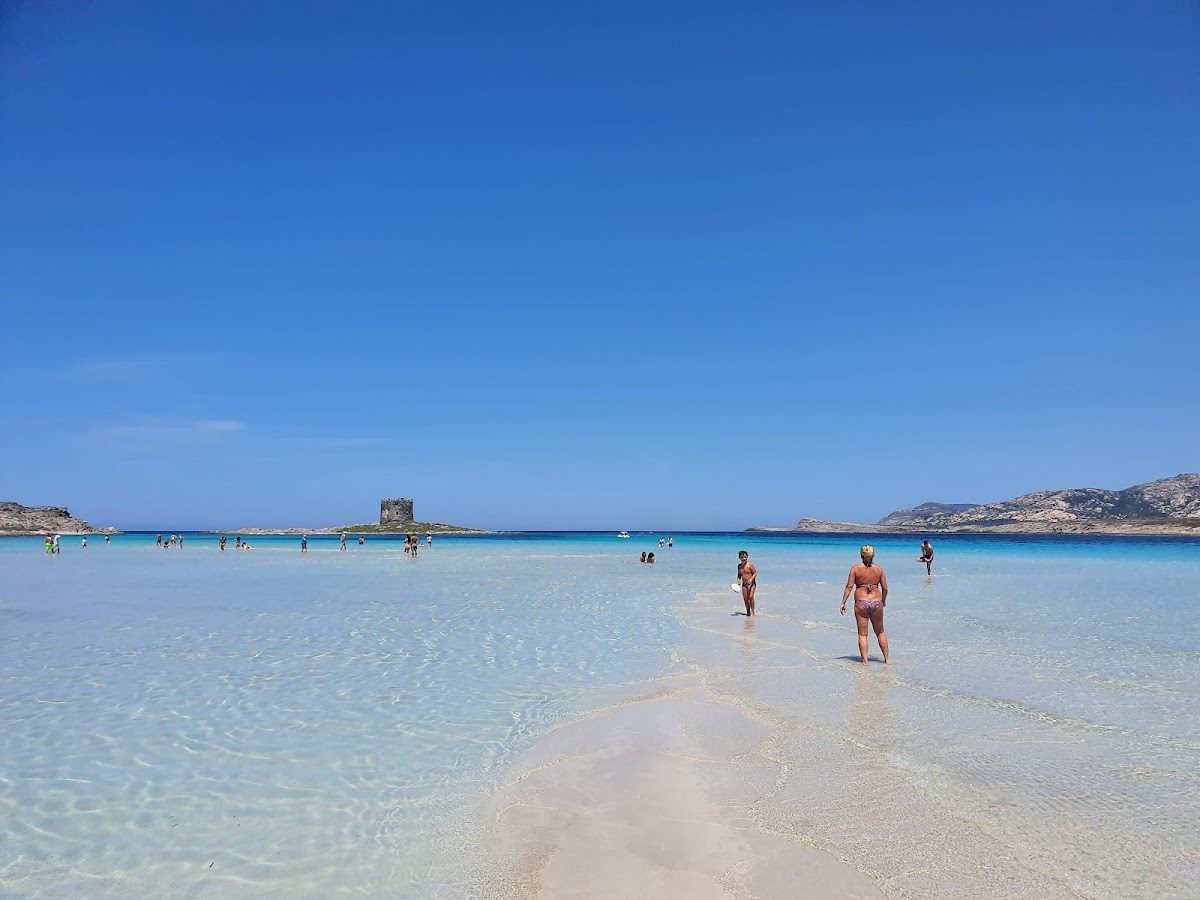 Photo: Konrad Gałczyński via Google
Sardinia
Sardinia in September is the case for late summer in one island. The famous Costa Smeralda and the wilder west coast keep their warmth well into the month, the sea sits clear and calm, and the crush that defines August in the smart resorts simply lifts. You can find space on beaches that were elbow to elbow weeks earlier, the restaurants are still humming, and the light turns softer by the day. For warm water and room to breathe at once, nowhere here beats it.
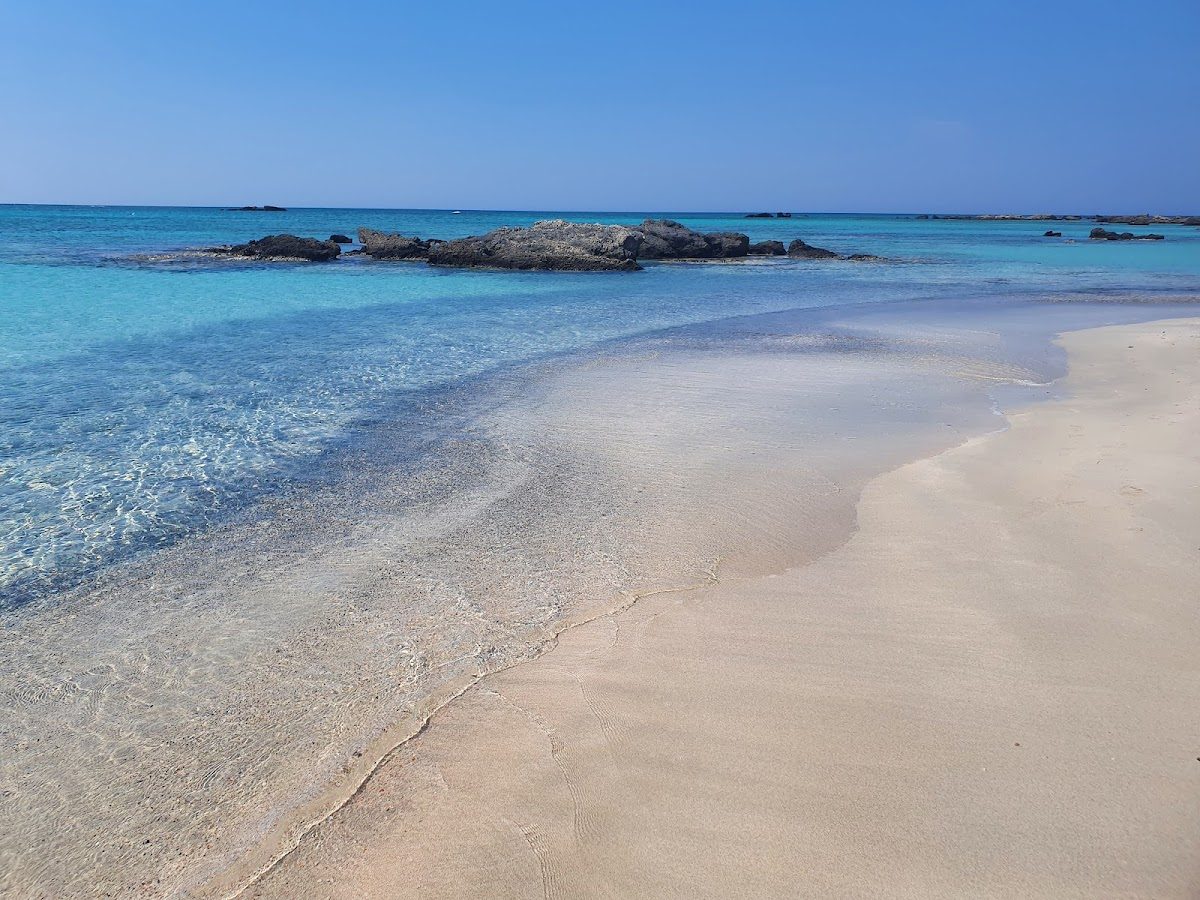 Photo: Bianca Schmitt via Google
Crete
Crete is built for the long tail of summer. As the largest Greek island it holds heat and infrastructure well past the August peak, so September brings hot seas, dependable sun and beaches that finally have room. The south coast and the lagoon beaches of the west swim beautifully this late, and because the island runs a full season the tavernas and clubs stay open and busy. It is the dependable late summer pick, big enough that the warmth and the welcome both last.
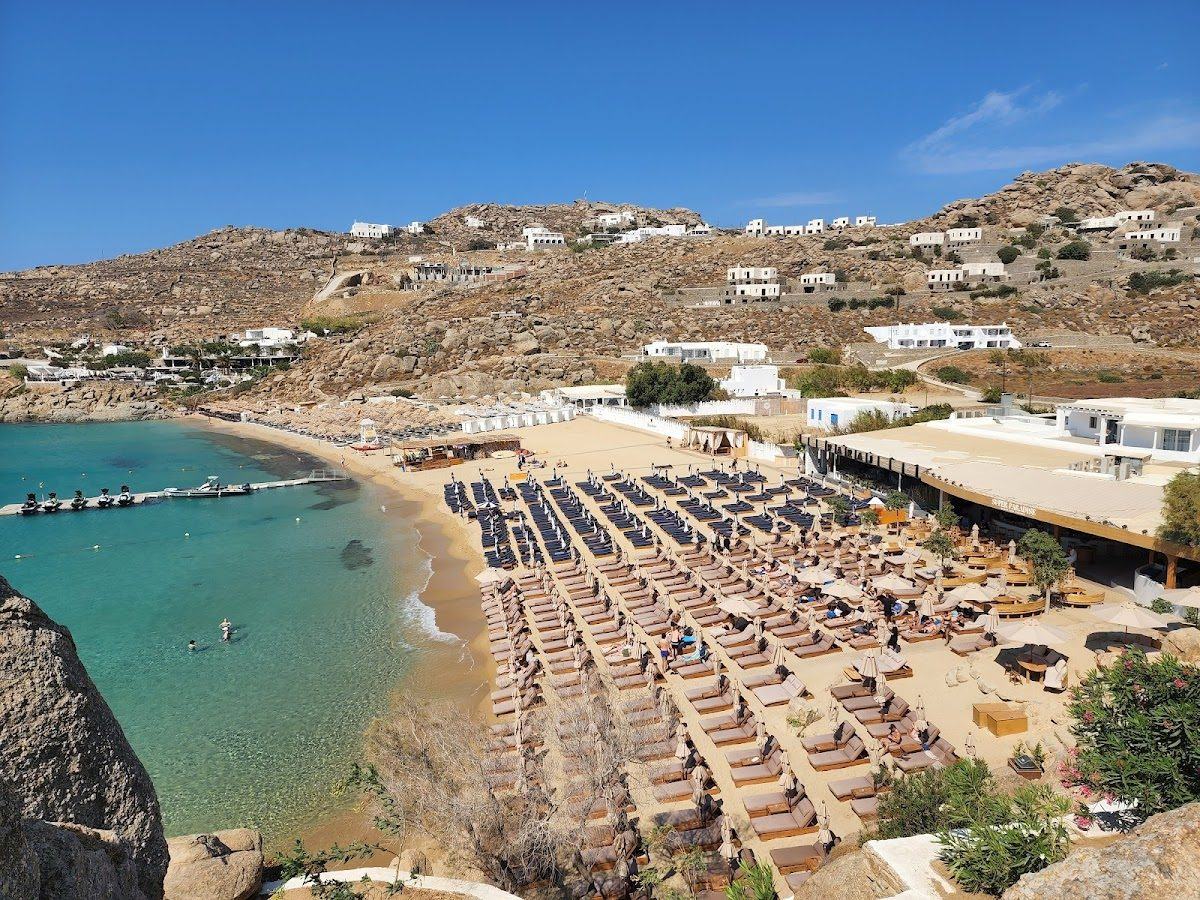 Photo: Ana Fernández via Google
Mykonos
Mykonos keeps its energy deep into September while shedding the worst of the August squeeze. The beach clubs of the south coast are still open and the sea is at its warmest, but the booking scramble eases and the beaches breathe again. It suits travellers who want the late summer warmth without giving up the buzz, since the island stays social long after the families leave. Come early in the month for the full scene at a gentler, more affordable tempo.
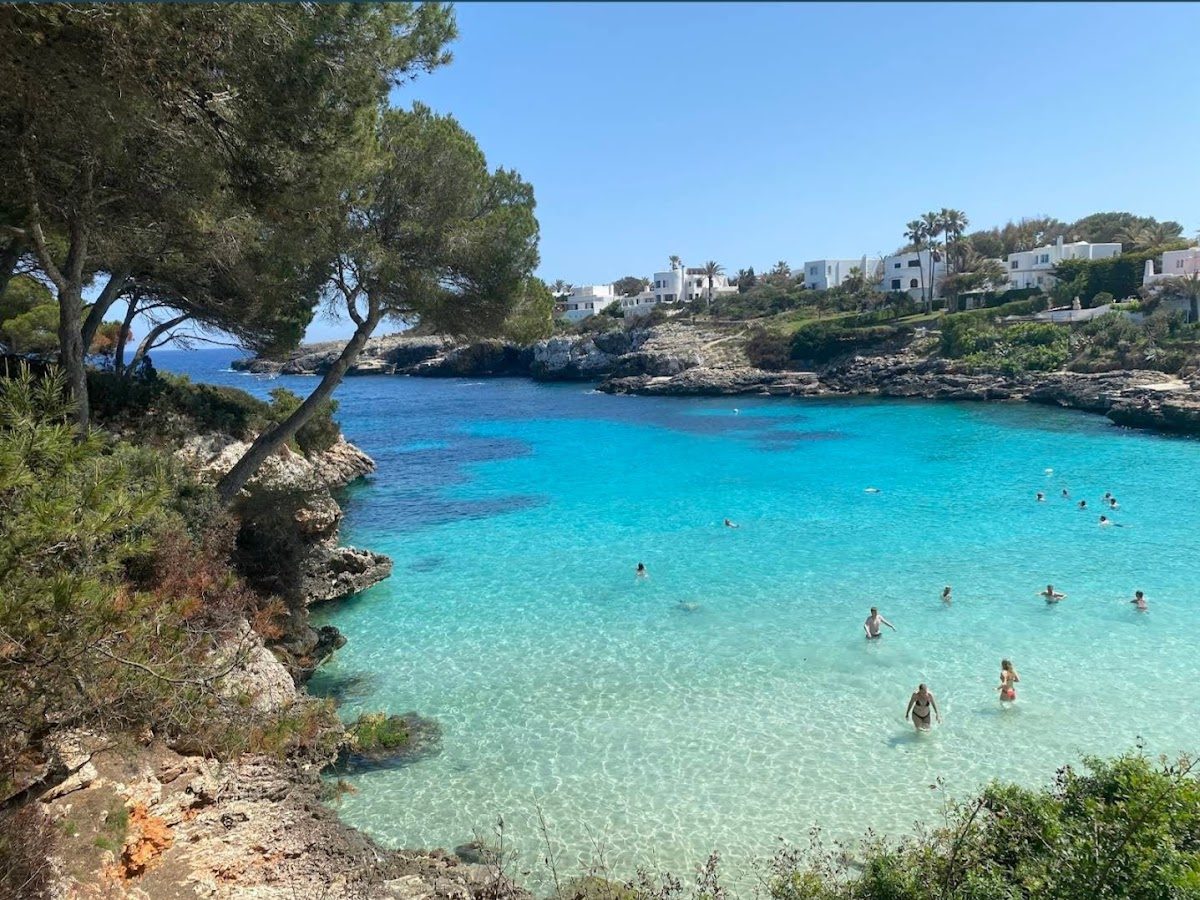 Photo: Pawel aus Düsseldorf via Google
Mallorca
Mallorca shines in late summer because its sheltered calas hold warmth and calm well into September, and the short flights from northern Europe stay frequent. The island empties of its August peak yet keeps its restaurants and beach clubs running, so you get warm swimming and an easy holiday without the crush. The quieter northern and eastern coves are the move once the families go home. It is the convenient late summer choice, close, warm and still wide awake.
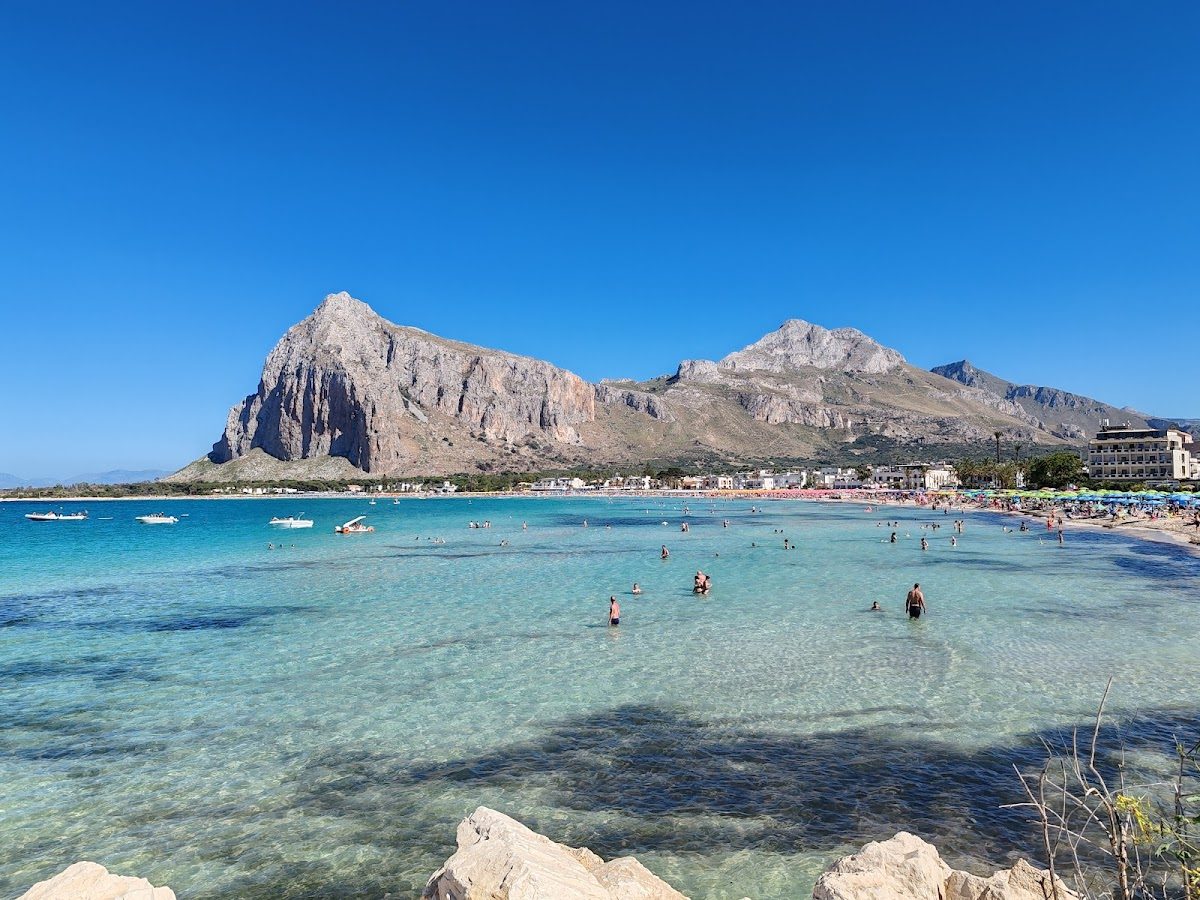 Photo: Fabio Inghilleri via Google
Sicily
Sicily runs hot and long, which makes September one of its best months. The sea around San Vito Lo Capo and the southeast stays warm, the fierce edge of the August heat softens, and the beaches lose their peak crowds while the island keeps cooking, swimming and pouring. The food alone justifies the trip, and in late summer you get it with a warm sea and elbow room. For heat seekers who want the season to last, Sicily delivers it well into autumn.
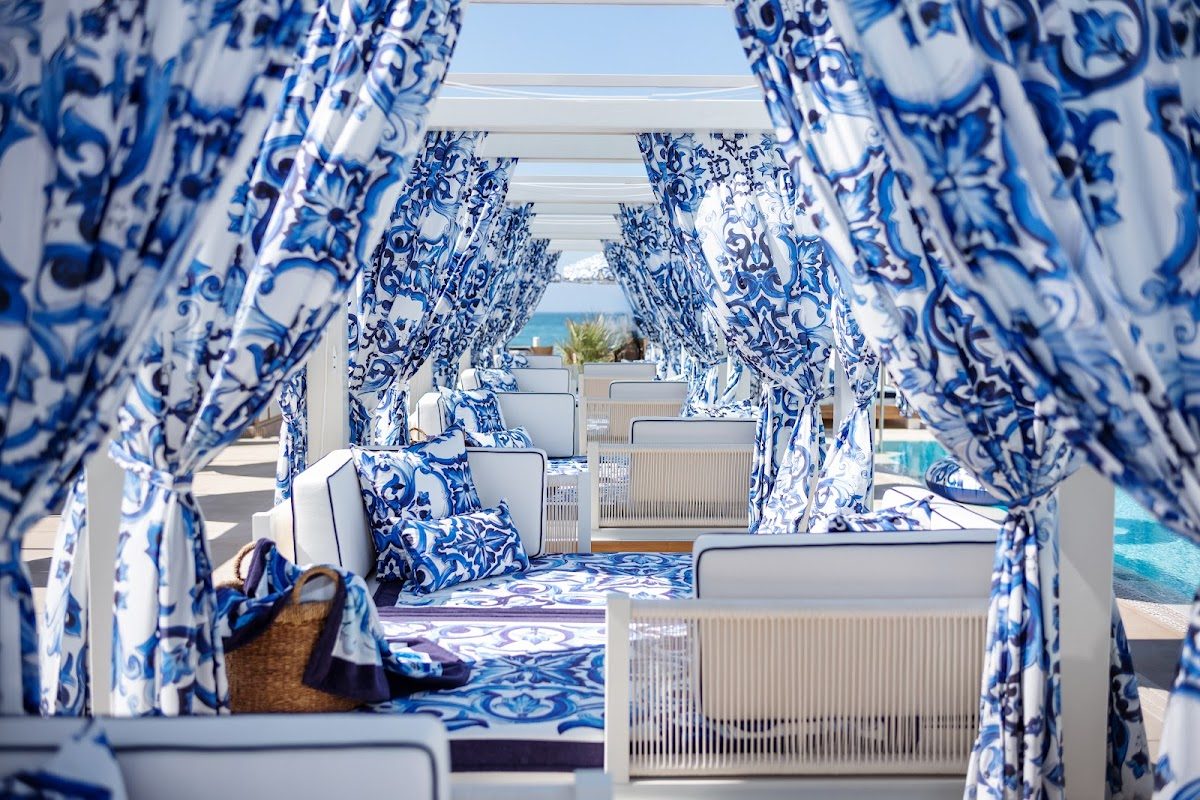 Photo: La Cabane | Beach Club Marbella via Google
Costa del Sol
The Costa del Sol earns its name with one of the longest beach seasons in Europe, and September is among its finest weeks. The sea is warm, the sun is dependable, and the resort strip from Marbella outward stays fully open while the August intensity fades. Because the coast works almost year round you never risk arriving to a closed town, which makes it the low risk late summer choice. Reliable warmth and a guaranteed open beach are its quiet strengths.
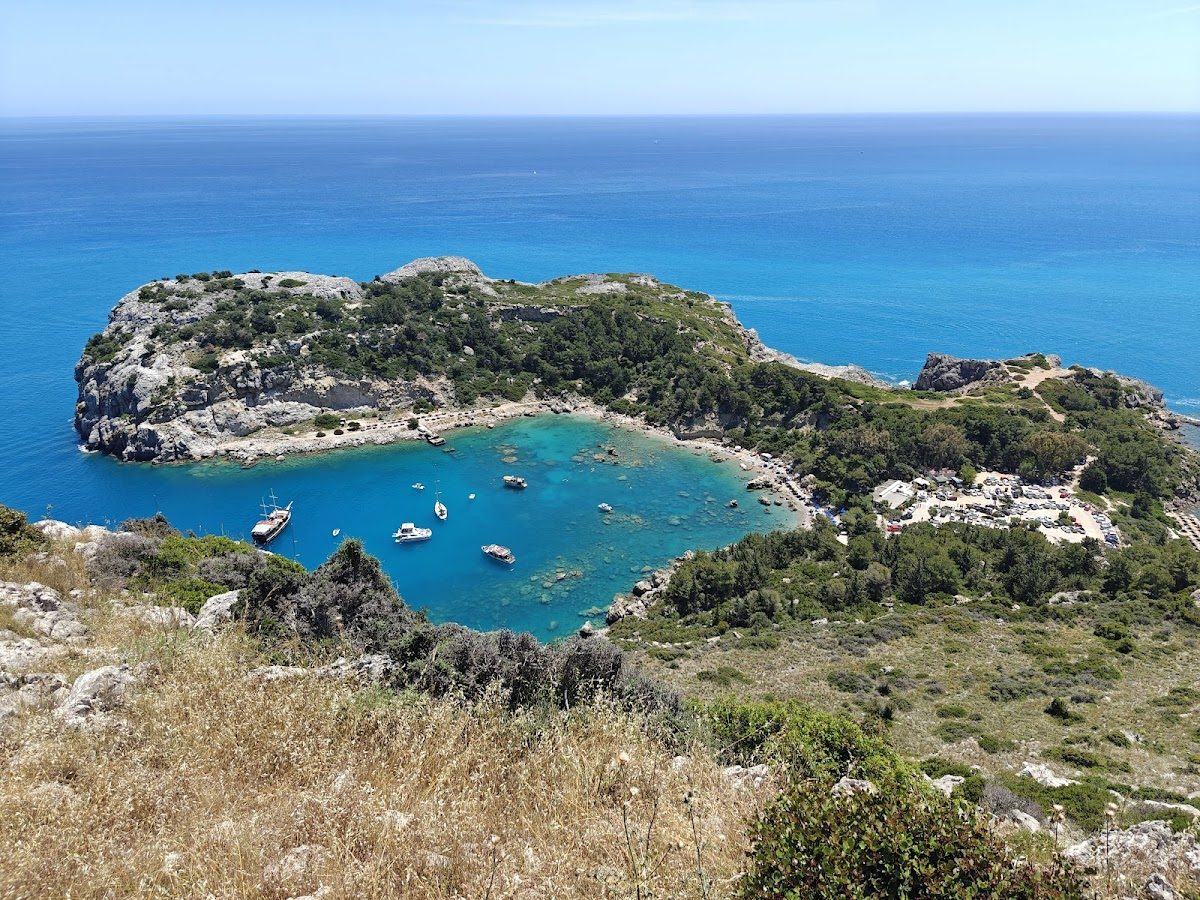 Photo: Dirk Adriaensens via Google
Rhodes
Rhodes sits far enough southeast to hold summer longer than most of Greece, so its Septembers stay hot and its sea stays warm. The east coast beaches swim well into the month, the old town keeps its buzz, and the crowds ease as the charter season passes its peak. It is a strong value pick for late summer warmth, with reliable sun and a full resort season that lasts. Travel in September for the heat without the high season prices.
Reading the late summer window
The strength of late summer is the gap between sea temperature and crowd levels. The water peaks in late August and September after a full season of warming, while visitor numbers fall the moment schools go back. That gap is the whole opportunity, and it is widest in the Mediterranean, where September can deliver the warmest swimming of the year on beaches that felt overrun a fortnight earlier.
The honest caveat is that the season has an edge. Push into October and some smaller resorts begin to wind down, with beach clubs trimming their hours and the odd restaurant closing for the winter. Early to mid September is the safe sweet spot where everything is still running but the pressure has lifted. Book the front half of the month and you get the warmth without the risk of arriving as the shutters come down.
Frequently asked
Why is late summer good for a beach holiday?
Because the sea is at its warmest after a full season of heating, while the August crowds have gone home and prices ease. September in the Mediterranean often gives the best swimming of the year on beaches that felt overrun a fortnight before.
Is the sea really warmer in September than June?
In most of the Mediterranean, yes. Water temperature lags the air by a month or two, so the sea keeps warming through August and peaks in late summer. That is why September swimming usually beats June swimming even when the air feels similar.
Which late summer destination has the warmest sea?
The southern and eastern reaches hold heat longest, so Crete, Rhodes and Sicily tend to have the warmest September seas, with Sardinia close behind. All of them swim beautifully well into the month while the crowds thin out.
How late into the season is safe to book?
Early to mid September is the sweet spot where the warmth remains and everything is still open. Push into October and some smaller resorts begin to wind down, trimming beach club hours, so the front half of September is the lower risk choice.
Is late summer cheaper than peak season?
Usually yes, as flights and hotels drop once the school holidays end. The saving is most noticeable in family resorts that empty in early September, which is part of what makes late summer such good value for travellers without school age children.