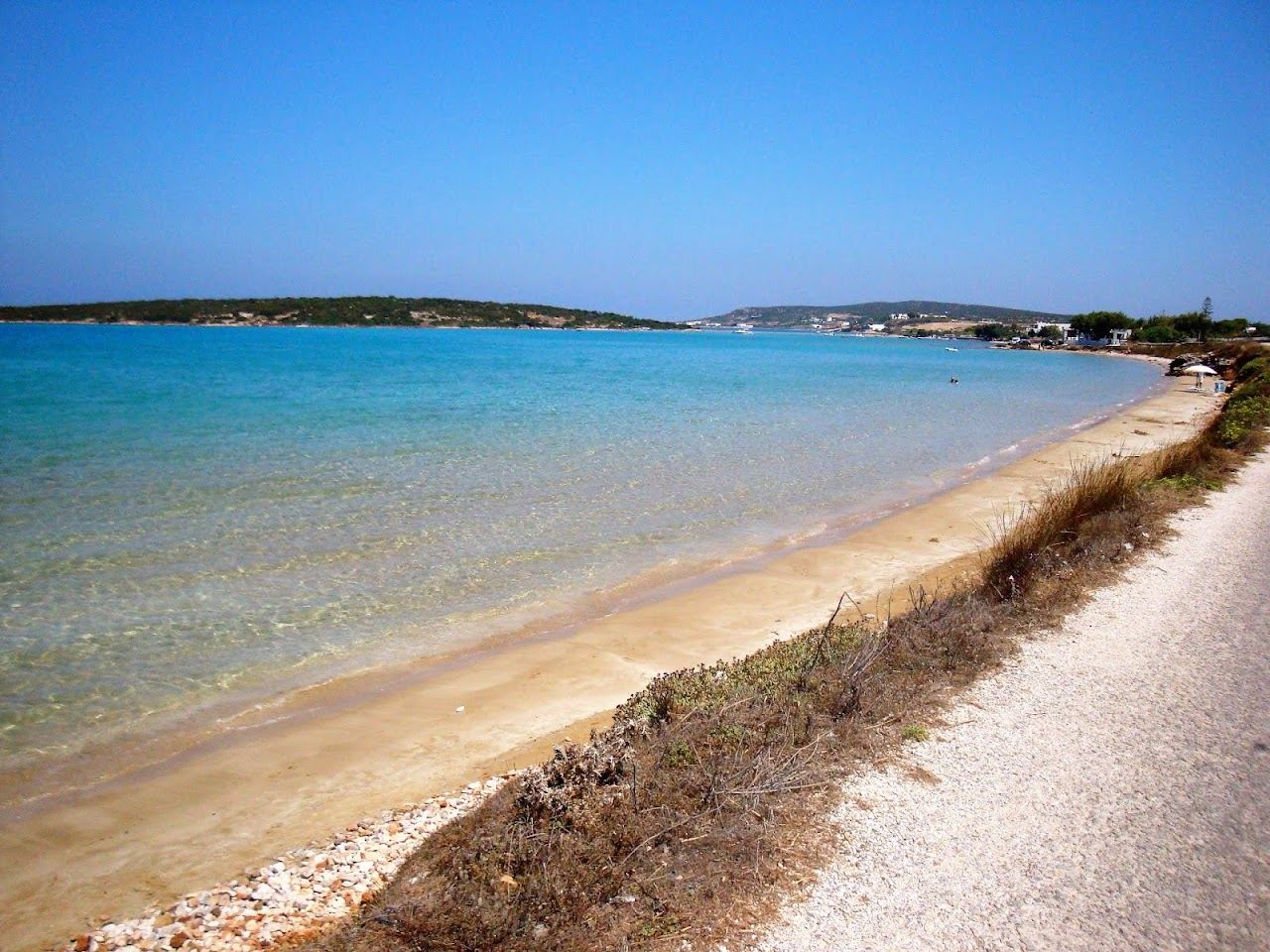
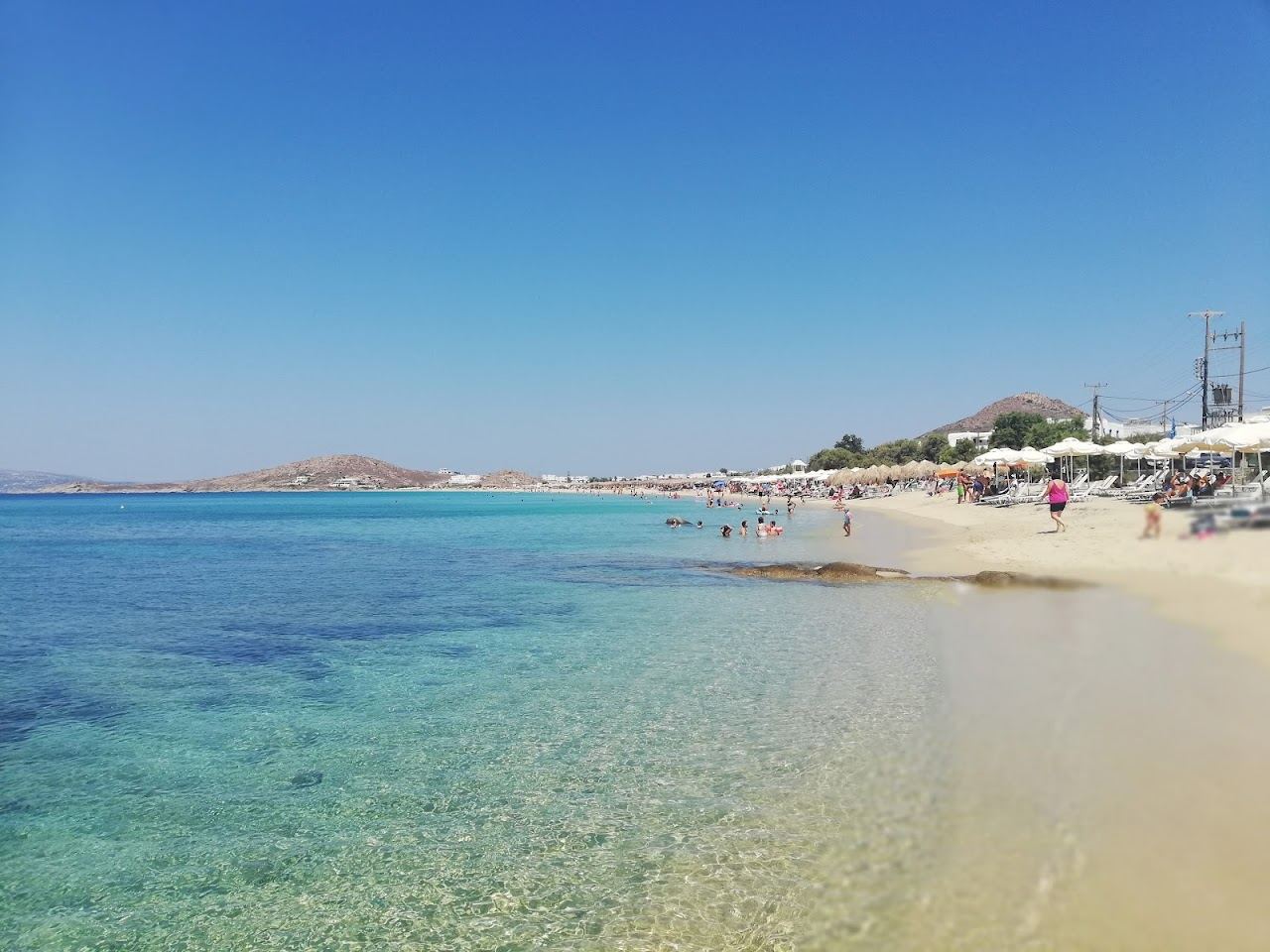
The verdict
- Bottom lineNaxos has the better beaches and the better value, with a long run of soft golden sand and a greener, more authentic island; Paros wins on prettier towns, smarter dining and a livelier, more cosmopolitan scene
- Choose ParosFor the chic harbour town of Naoussa, stylish evenings, more nightlife and a polished, fashionable Cyclades feel
- Choose NaxosFor the longest, softest sandy beaches in the group, mountain villages, family space and quietly better value
- One thing to knowBoth catch the summer meltemi wind, which is why their west coasts are windsurf magnets; on breezy days the sheltered bays are the calmer choice
Published 19 January 2026. Last reviewed 7 April 2026
Paros and Naxos sit side by side in the heart of the Cyclades, a short ferry apart, and many travellers visit both in a single trip. They share the same whitewashed, blue domed look and the same bright Aegean light, but spend time on each and the differences come into focus. Paros has grown into the more fashionable island, with a chic harbour town and a polished, cosmopolitan feel. Naxos is the bigger, greener and more grounded neighbour, a fertile island that grows its own food and keeps a quieter, more local rhythm, and that happens to own the best run of sand in the group.
The honest choice is about what you weigh more heavily. If your trip leans on beautiful towns, smart dinners and lively evenings, with good beaches close at hand, Paros gives you that polish. If the beaches themselves are the point, and you want long, soft, shallow sand, mountain villages to explore and better value, Naxos rewards you. Plenty of people split the difference and do both. Below we weigh them round by round, then make the case for each.
How they compare
| What matters | Paros | Naxos |
|---|---|---|
| The beaches | Lovely and varied; the granite framed Kolymbithres, the long Golden Beach and Santa Maria | The strongest in the group; a long sweep of soft golden sand at Agios Prokopios, Plaka, Agia Anna and Mikri Vigla |
| The sea and swimming | Clear and pretty, with shallow family spots and windier exposed bays | Soft sand and shallow, gently shelving water; superb easy swimming on the west coast |
| Towns and looks | The chic harbour of Naoussa and lively Parikia; postcard Cycladic and fashionable | The handsome old town below its Venetian castle, plus green mountain villages inland |
| Scene and nightlife | Livelier and more cosmopolitan, with smarter dining and more bars | More low key and family friendly; relaxed tavernas over late nights |
| Wind and watersports | A windsurf and kitesurf hub at Golden Beach when the meltemi blows | Excellent windsurfing and kitesurfing at Mikri Vigla, with calm bays nearby |
| Space and crowds | Smaller and more concentrated; busier feeling at peak | Bigger and more spread out; easier to find quiet sand |
| Cost | A little higher, especially in Naoussa in peak season | Quietly better value across the board |
| Best for | Couples and groups wanting pretty towns, dining and a lively scene | Beach lovers and families wanting long sand, space and value |
Where each island wins
Pretty towns and lively evenings
Paros is the more polished island, and Naoussa is the reason. Its small harbour, where fishing boats tie up beneath a ruined Venetian fort, has become one of the most charming and fashionable spots in the Cyclades, ringed by smart tavernas and bars that fill on summer evenings. The beaches keep pace, from the surreal granite boulders and turquoise inlets of Kolymbithres to the long, windswept Golden Beach loved by windsurfers. For travellers who want their beach days bookended by beautiful towns and stylish dinners, Paros is the more rounded, more sociable choice.
The best sand, and better value
Naxos leads with its beaches. The west coast unrolls a near continuous ribbon of soft golden sand and shallow, gently shelving water, from the family favourite Agios Prokopios to Plaka, Agia Anna and the windsurf haven of Mikri Vigla, and it is among the best stretches of sand in all the Cyclades. Behind the coast the island is greener and more self sufficient than its neighbours, with mountain villages, old marble quarries and a working, lived in feel. Add quietly better value and more room to spread out, and for a beach first family holiday Naxos is hard to beat.
Plan your day on the sand
Independent and honest · 1,340 beaches ranked across 103 destinations · We answer to no resort
Paros vs Naxos, answered
Is Paros or Naxos better for beaches?
Naxos has the stronger beaches overall, with a long run of soft golden sand and shallow water down its west coast at Agios Prokopios, Plaka, Agia Anna and Mikri Vigla. Paros has lovely beaches too, like the granite framed Kolymbithres and the windsurf famous Golden Beach, but Naxos edges it for sheer length and quality of sand. Choose Naxos for the sand, Paros for the polish.
Which Cyclades island is livelier, Paros or Naxos?
Paros is the livelier and more cosmopolitan of the two, with the chic harbour town of Naoussa, smarter dining and more nightlife. Naxos is bigger, greener and more low key, with a fertile interior, mountain villages and a family friendly pace. If you want buzz and stylish evenings choose Paros; if you want space, authenticity and value choose Naxos.
Which island is better value, Paros or Naxos?
Naxos is generally the better value of the two, helped by a larger, more self sufficient island with its own farming and a less polished tourist scene. Paros has become more fashionable and can cost a little more, especially in Naoussa in peak season. Both remain reasonable by Cyclades standards, and prices are best confirmed directly.
Are Paros and Naxos windy?
Both islands sit in the Cyclades and catch the summer meltemi wind, which is why their west coast beaches are popular with windsurfers and kitesurfers, especially Golden Beach on Paros and Mikri Vigla on Naxos. On windy days the sheltered bays and the eastern or southern coasts are the calmer choice. Conditions are typical and never guaranteed.
When is the best time to visit Paros and Naxos?
Both are best from late May to early October, with the warmest sea from July to September and the biggest crowds in August. June and September give warm water, lighter crowds and softer prices, and the meltemi tends to be strongest in July and August. Conditions are typical and never guaranteed.