The verdict
- Bottom lineFor beaches Crete wins clearly, with some of the finest natural sand in Greece; Santorini is for the caldera drama and the sunsets, not the swimming, and is widely overrated as a beach island
- Choose CreteFor lagoon beaches, pink and golden sand, mountains and gorges, superb food and authentic villages, at a wider range of prices
- Choose SantoriniFor the caldera views, whitewashed villages and the famous Oia sunset on a short, scenic and romantic trip where the beaches are a sideshow
- One thing to knowSantorini's beaches are dark volcanic sand and pebble on the far side of the island, and the caldera itself has no real beaches at all
Published 26 January 2026. Last reviewed 18 April 2026
This is one of the easier comparisons to call honestly, because the two islands are good at almost opposite things. Crete is vast, varied and built for slow beach days, with lagoons, gorges and mountain villages that reward a fortnight and a hire car. Santorini is small, vertical and dramatic, a flooded volcano whose whole reputation rests on the caldera, the painted villages clinging to the rim and the most photographed sunset in the Mediterranean. Both are wonderful. They are simply not wonderful at the same thing.
If your trip is fundamentally about the beach, the soft sand, the long swim, the quiet cove found at the end of a track, Crete is the answer and it is not especially close. If your trip is about scenery, romance and a few unforgettable views, and you are content to swim off dark volcanic sand when you do, Santorini earns its fame. The mistake to avoid is going to Santorini expecting classic white sand beaches, because that is the one thing it does not have. Below we weigh them round by round, then make the case for each.
How they compare
| What matters | Crete | Santorini |
|---|---|---|
| The beaches | Among the best in Greece; the Balos lagoon, pink tinged Elafonissi, long golden Falassarna and palm fringed Preveli | Dramatic but coarse; black and red volcanic sand and pebble at Perissa, Perivolos, Kamari and the Red Beach |
| The sea and swimming | Soft sand and shallow, clear water at the lagoon beaches; excellent swimming | Deep clear water off dark sand and pebble; striking but harder underfoot and can shelve quickly |
| Scenery and looks | Mountains, gorges and harbour towns; grand and varied rather than one iconic view | The headline act; caldera cliffs, whitewashed villages and the celebrated Oia sunset |
| Beach clubs | A growing, relaxed scene along the north coast and around the smarter resorts | Lively organised beaches at Perivolos and Perissa; less about glamour, more about loungers and music |
| Crowds | Big island, easy to spread out and find quiet sand outside the resorts | Small and intensely visited; the caldera villages can feel overwhelmed at peak |
| Cost | Wide range; very doable on a modest budget | Generally higher, especially for caldera view rooms and dining |
| Getting around | A car is essential; distances are long but the drives are part of the pleasure | Small and walkable in parts, but roads and viewpoints clog badly in season |
| Best for | Beach lovers, families, foodies and walkers wanting a longer stay | Couples, photographers and short scenic breaks built around the views |
Where each island wins
The sand, and so much more
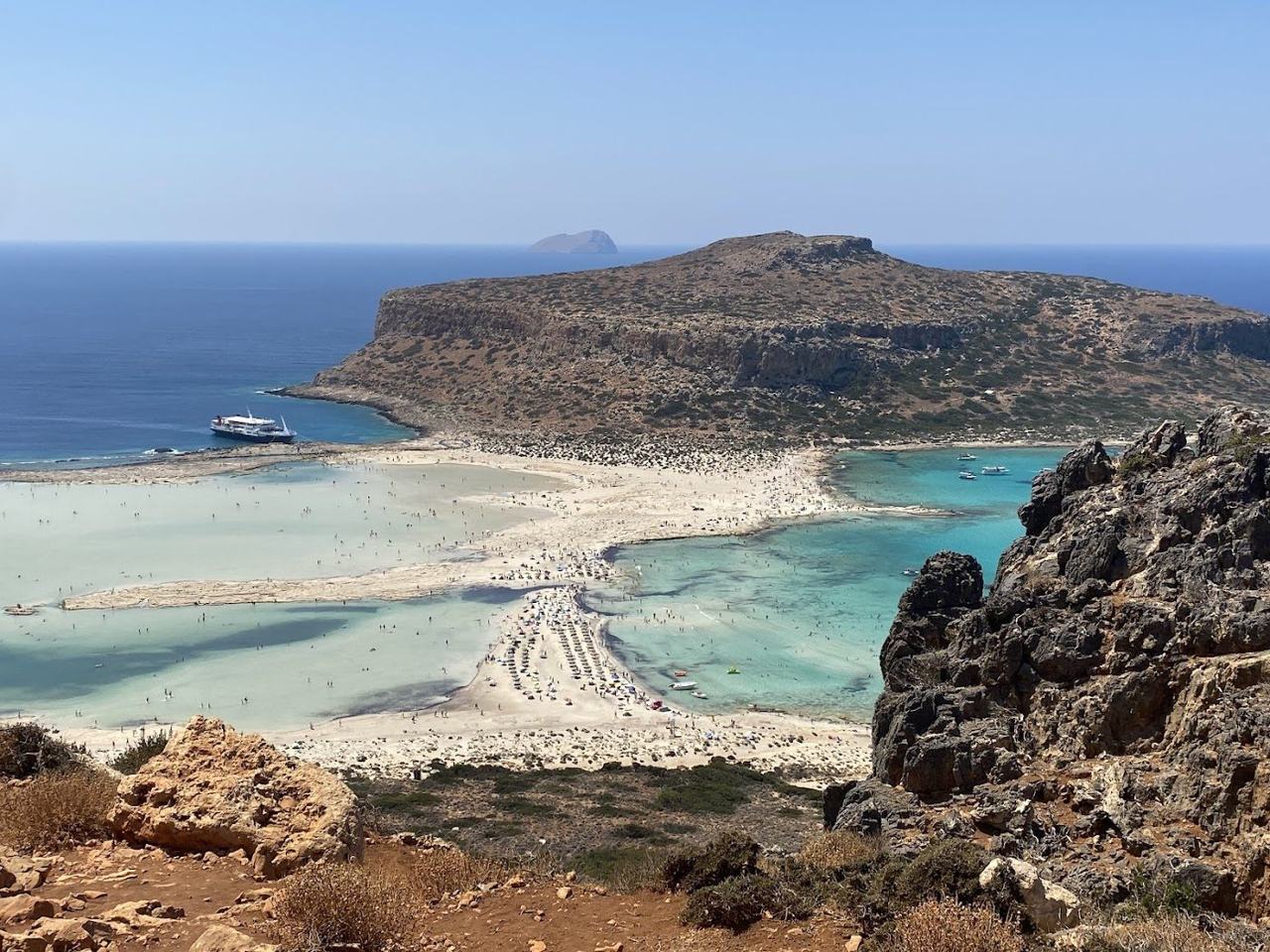
Crete is a country masquerading as an island, and its beaches are the headline. The Balos lagoon and Elafonissi are the kind of pale water shallows people travel a long way to stand in, Falassarna is a vast golden sweep made for sunsets, and Preveli hides a palm lined river mouth at the end of a walk. Around the sand you get the White Mountains, the Samaria gorge, Venetian harbour towns and some of the best food in Greece. It asks for a car and a little driving, but it rewards a long, unhurried stay better than almost any island in the Mediterranean.
The view that earns the trip
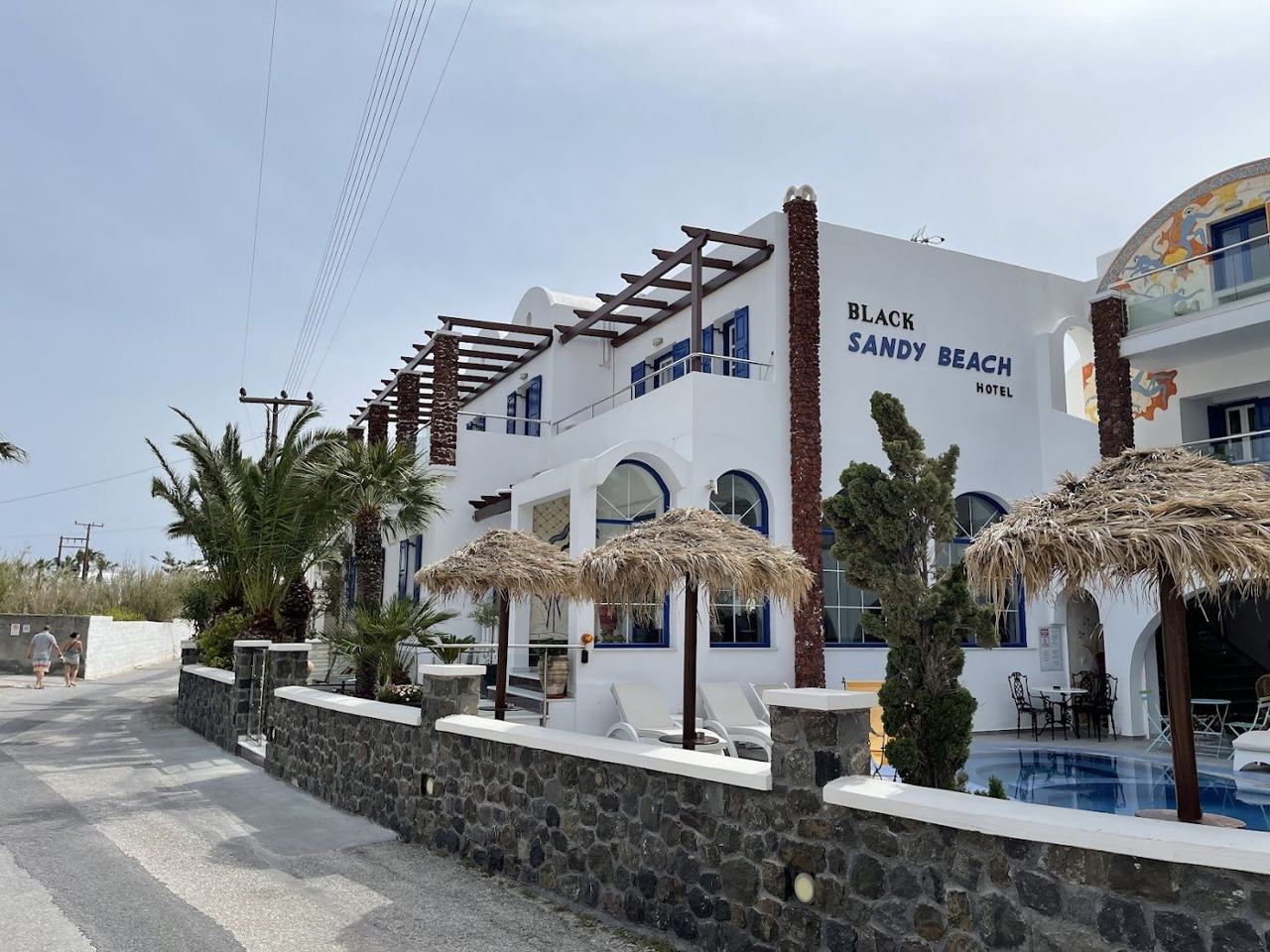
Santorini is not about the beach and never really was. It is about standing on the rim of a drowned volcano as the sun sinks behind the caldera, about whitewashed villages stacked above impossibly blue water, and about a few perfect, photogenic days. The swimming beaches on the far side, Perissa, Perivolos and Kamari, are perfectly pleasant for a dip off their dark volcanic sand, but they are the supporting cast. Come for the scenery, the romance and the sunset, keep the stay short and scenic, and Santorini delivers exactly what it promises.
Plan your day on the sand
Independent and honest · 1,340 beaches ranked across 103 destinations · We answer to no resort
Crete vs Santorini, answered
Is Crete or Santorini better for beaches?
Crete is clearly the better island for beaches, with world class natural sands such as the Balos lagoon, the pink tinged Elafonissi and the long golden Falassarna. Santorini's beaches are volcanic black and red sand or pebble, dramatic but coarse underfoot and not the island's strength. Go to Crete for the sand and to Santorini for the scenery.
Why are Santorini's beaches not as good?
Santorini is a volcanic caldera, so its beaches are dark volcanic sand and pebble rather than the soft pale sand people often picture. The famous caldera side is cliffs with no real beaches at all, and the swimming beaches like Perissa, Perivolos and Kamari sit on the far side of the island. They are striking, but the island is loved for its sunsets and views, not its sand.
Which island is better for couples, Crete or Santorini?
For pure romance and scenery Santorini is hard to beat, with caldera views, whitewashed villages and the celebrated Oia sunset. Crete is more rewarding for couples who want beaches, food, walking and authentic villages alongside their quiet time. Many travellers pair the two, a few caldera nights on Santorini and a longer beach stretch on Crete.
Is Crete or Santorini more expensive?
Santorini is generally more expensive, especially for caldera view hotels and dining, on a small and very popular island. Crete spans a far wider range, from simple beach tavernas and rooms to luxury resorts, so it is easier to travel there on a modest budget. Prices vary by season and area and are best confirmed directly.
When is the best time to visit Crete and Santorini?
Both are best from May to October, with the warmest sea from July to September and the biggest crowds in August. Late May, June and September give warm water with softer prices and lighter crowds. Santorini in particular can feel overwhelmed at peak, so the shoulder months reward you with the same views and more breathing room. Conditions are typical and never guaranteed.