The verdict
- Bottom lineKefalonia has the more spectacular single beaches and a quieter, more natural feel; Corfu offers more variety, culture and nightlife and is easier to reach, with lovely but busier coves
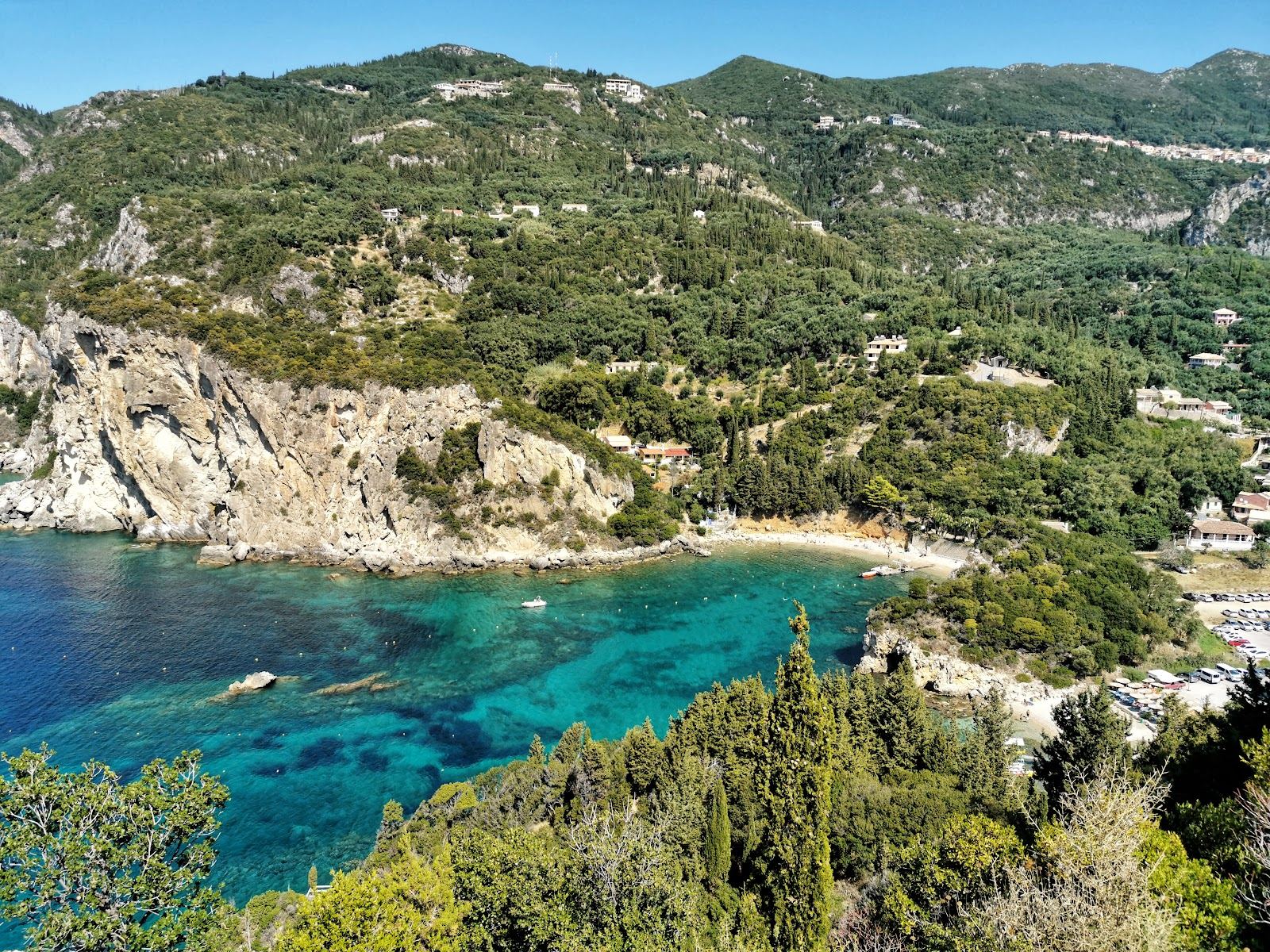
- Choose CorfuFor a livelier, more varied island with the Venetian old town, more resorts and easier flights, and pretty coves like Paleokastritsa and Porto Timoni
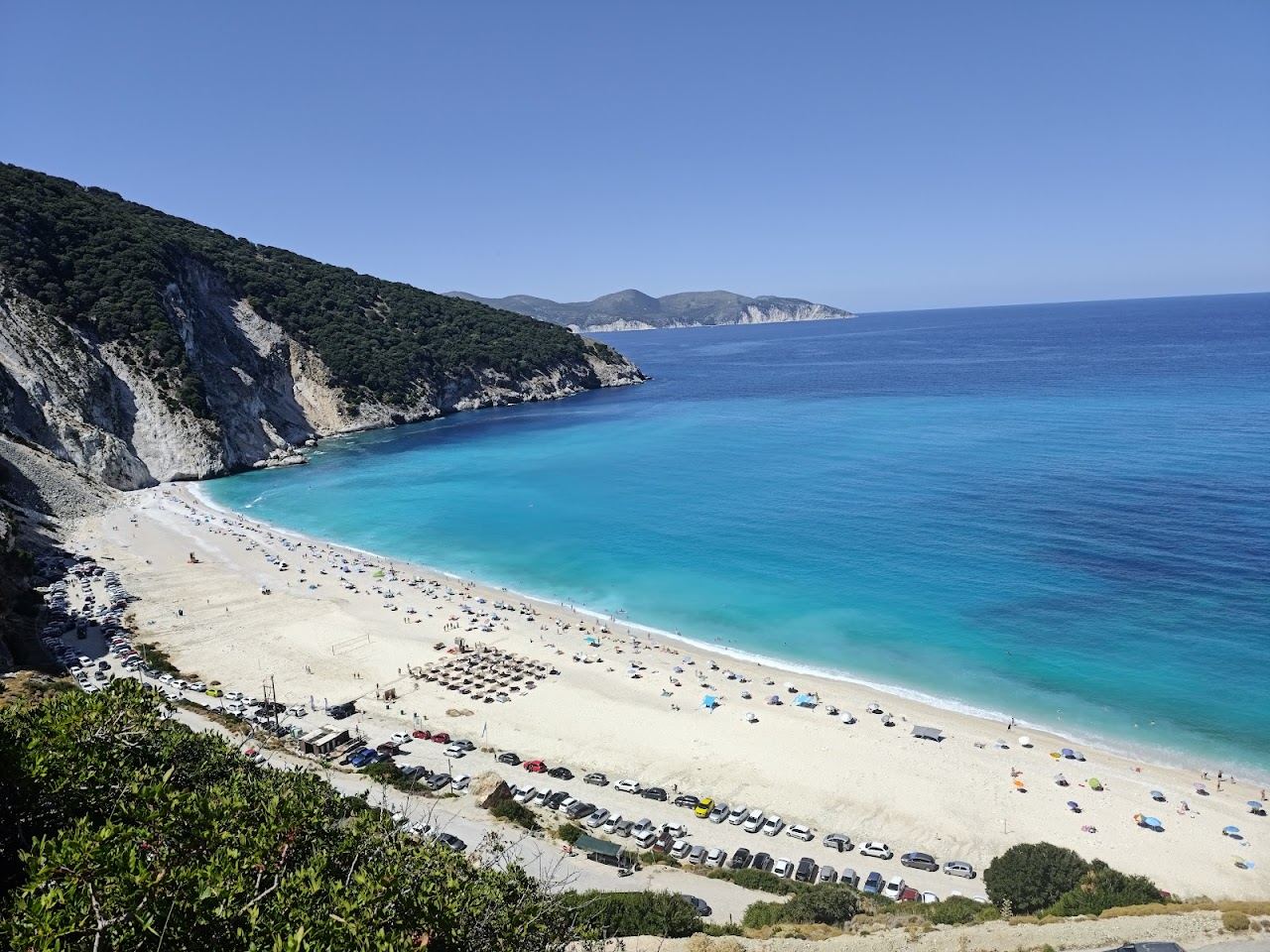
- Choose KefaloniaFor showstopper beaches led by Myrtos, a slower pace, more natural scenery and fewer crowds, if you are happy to drive winding roads
- One thing to knowBoth islands keep their best beaches at the end of steep, winding roads, so a hire car turns either holiday from good to great
Published 20 March 2026. Last reviewed 3 June 2026
The Ionian islands are the green, soft edged side of Greece, fed by more rain than the Aegean and dressed in cypress, olive and pine that runs right down to the water. Corfu and Kefalonia are its two heavyweights, and they share that lush, blue and green palette, but they wear it very differently. Corfu is the worldly one, with a UNESCO listed old town, a long tourist history and a busy, varied coast. Kefalonia is the wilder, slower sister, where one beach in particular has become a poster for all of Greece.
The honest split is about pace and priorities. If your idea of a good island holiday includes a handsome town to wander, plenty of resorts and restaurants, easy flights and a bit of nightlife, Corfu gives you all of that alongside its coves. If you would trade some of that for the most dramatic beaches and a quieter, more natural rhythm, Kefalonia rewards you, led by the famous arc of Myrtos. Below we weigh them round by round, then make the case for each.
How they compare
| What matters | Corfu | Kefalonia |
|---|---|---|
| The beaches | Pretty and varied; coves at Paleokastritsa, the twin bays of Porto Timoni and the sands of Glyfada, though more developed | Spectacular; the famous Myrtos, the green framed Antisamos, the sunset facing Petani and the red sand of Xi |
| The sea and swimming | Clear and generally calm in the sheltered coves; plenty of organised, easy swimming | Vivid blue and very clear; many beaches shelve quickly, so lovely for strong swimmers and a deeper dip |
| Scenery and looks | Green hills, olive groves and the elegant Venetian old town; cultured and lived in | Wilder and more dramatic, with steep cliffs, Mount Ainos and the Melissani cave |
| Pace and crowds | Busier and livelier, with more resorts and nightlife; easy to find buzz | Quieter and more low key; easier to find calm even in summer |
| Beach clubs and dining | A wider, more developed scene with more variety of bars and tavernas | Lower key and more relaxed; charming harbour tavernas over glamour |
| Getting there | Larger airport and more direct flights; generally the easier arrival | Well connected in summer but with fewer flights overall |
| Cost | Wide range from package value to smart resorts | Similar range; quietly good value outside the few honeypots |
| Best for | Variety, culture, families and travellers wanting easy access and life around them | Beach lovers and couples wanting drama, calm and natural scenery |
Where each island wins
Variety, culture and easy days
Corfu is the more rounded holiday. Its Venetian old town is one of the loveliest in Greece, a warren of tall lanes, arcades and squares that earns an evening or two on its own. The coast delivers real variety, from the cliff backed coves of Paleokastritsa to the double bay of Porto Timoni and the long sands of the west, and there is enough nightlife, dining and resort choice to suit families, couples and groups alike. Add the easier flights and the wider spread of places to stay, and Corfu is the simpler island to plan a varied week around.
Drama, calm and Myrtos
Kefalonia leads with one of the great beaches of the Mediterranean. Myrtos is a sweeping curve of white pebble and impossibly blue water beneath steep green cliffs, and the view from the road above is worth the trip in itself. Beyond it the island keeps delivering, with the green amphitheatre of Antisamos, the sunset facing Petani and the soft red sand of Xi, all wrapped in a slower, more natural pace than Corfu. For travellers who put the beaches and the calm first, and who do not mind a winding drive to reach them, Kefalonia is the more rewarding island.
Plan your day on the sand
Independent and honest · 1,340 beaches ranked across 103 destinations · We answer to no resort
Corfu vs Kefalonia, answered
Is Corfu or Kefalonia better for beaches?
Kefalonia has the more spectacular individual beaches, led by the famous white pebble and turquoise sweep of Myrtos, along with Antisamos, Petani and the red sand of Xi. Corfu has lovely coves too, such as Paleokastritsa and Porto Timoni, but they are more developed. For showstopper beaches Kefalonia edges it, while Corfu offers more rounded variety.
Which Ionian island is quieter, Corfu or Kefalonia?
Kefalonia is generally the quieter and less developed of the two, with a slower pace and more natural feel away from a handful of resorts. Corfu is larger, busier and livelier, with more nightlife, more package resorts and the Venetian old town. If you want calm, choose Kefalonia; if you want buzz and variety, choose Corfu.
Which island is easier to reach, Corfu or Kefalonia?
Corfu is usually easier to reach, with a larger airport and more direct flights through the season, and a wider choice of resorts when you arrive. Kefalonia is well connected in summer but has fewer flights overall. Both islands really reward a hire car to reach their best beaches, which often sit at the end of winding roads.
Is Myrtos beach worth it on Kefalonia?
Myrtos is one of the most photographed beaches in Greece, a broad arc of white pebble and electric blue water framed by steep green cliffs, and the view from the road above is genuinely stunning. The beach shelves quickly and there is little natural shade, so bring what you need, but as a sight and a swim it lives up to its reputation. Conditions are typical and never guaranteed.
When is the best time to visit Corfu and Kefalonia?
Both Ionian islands are best from late May to early October, with the warmest sea from July to September and the biggest crowds in August. June and September give warm water, green landscapes and lighter crowds. Spring is lush and flowering but the sea is still cool. Conditions are typical and never guaranteed.