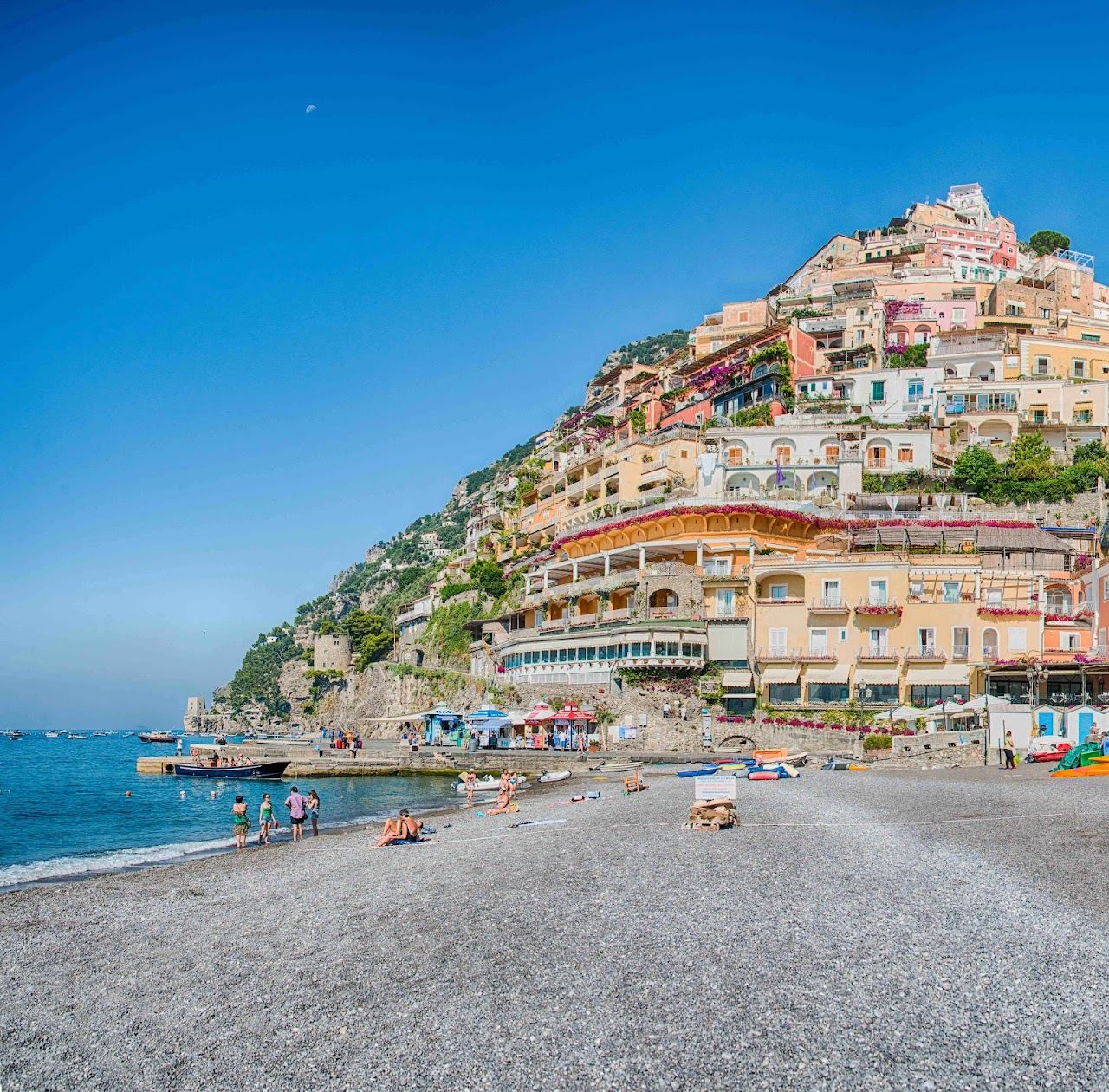
 Photo: Phillip Welty via Google
The verdict
- Short tripThe French Riviera, for its cheap coastal train, free public beaches and the chance to see several towns without a car.
- RomanceThe Amalfi Coast, for sheer drama, slow days and scenery no photo does justice.
- Smart spendBase in Nice and ride the train, or base in Sorrento and day trip into Positano by ferry, and you cut the bill on either coast.
Published 31 January 2026. Last reviewed 25 May 2026
These are two of the most photographed coastlines in Europe, and both will happily relieve you of a great deal of money if you let them. The honest truth is that neither is a classic sand and swim destination. You go to the Amalfi Coast for vertical drama, pastel villages stacked on cliffs and slow romantic days, and you go to the French Riviera for glamour, urban energy and the ease of a coast strung together by a cheap, frequent train.
The question most people are really asking is where their money goes furthest, and the answer is not the simple one. France is the pricier country day to day, yet the Riviera is in some ways the easier place to do well on a budget, because the train is cheap and many beaches are free. The Amalfi Coast looks more affordable on paper, but its most famous villages quietly extract a heavy premium on rooms and dinners. Below we lay the two side by side, then settle it by the kind of trip you want.
The two coasts, side by side
| What matters | Amalfi Coast | French Riviera |
|---|---|---|
| The beaches | Small, dramatic, mostly pebble and tucked under cliffs | More variety, pebble in Nice but real sand at Antibes and Pampelonne |
| Sea and swimming | Clear and warm in summer, but cramped little coves | Clear and warm, with more room and gentler entry on the sandy stretches |
| Getting around | No train, buses and ferries only, a car is a hassle | Cheap frequent coastal train, no car needed |
| Beach clubs | Loungers around 35 euros a day in peak, up to about 80 for two and an umbrella | Free public sections plus pricey clubs, Pampelonne the dearest |
| The scene | Romance, scenery, slow village life, Capri day trips | Glamour and buzz, Monaco, Cannes, Saint Tropez, more nightlife |
| Daily cost | Lower transport, but steep markups in Positano and Amalfi | Higher cost of living, softened by free beaches and cheap trains |
| Best for | Couples and slow, scenic stays | First timers, short trips and town hopping without a car |
Prices are typical peak season guides and should be confirmed at the time of booking. Conditions are typical and never guaranteed.
Where the Amalfi Coast wins
Nothing on the Riviera matches the sheer theatre of the Amalfi Coast. Positano spilling down its cliff, the cathedral steps in Amalfi, the drive above Praiano at dusk, these are the images that sell a million holidays, and in person they deliver. It is a coast for couples and for travellers who want to slow down, take a long lunch, ride a ferry between villages and treat a beach as a place to read rather than to swim laps. Transport is cheaper than France too, with hydrofoil ferries between the main towns costing only around 15 euros one way and the scenery thrown in for free. If your trip is built around romance and views, this is your coast.
Where the French Riviera wins
The Riviera wins on ease and variety. A single train line ties Nice to Monaco, Cannes, Antibes and Menton, running often and costing very little, which means you can base in one place and explore the whole coast without ever renting a car. The beaches range from the pebbles of Nice to genuine sand at Antibes and the legendary stretch at Pampelonne near Saint Tropez, and crucially many sections are free, so you are not forced into a paid club to find a spot. Add the nightlife, the museums and the wider spread of prices, from market lunches to Michelin dinners, and it is the more flexible choice, especially for a first visit or a short break.
The money question
Here is where the value sceptic earns their keep. France is the more expensive country on paper, roughly 20 to 30 percent pricier day to day, and its top hotels often cost more than the Amalfi equivalent. Yet the Riviera is surprisingly forgiving if you play it right, because the train is cheap and the free beaches mean you can have a full day by the sea for the price of lunch. The Amalfi Coast hides its markup in the opposite place. Transport is cheap, but a week sleeping in Positano or central Amalfi can cost hundreds of euros more than the same week based in Sorrento or Salerno, once you add the room premium and the inflated village dinners. On both coasts the trick is the same, sleep where the locals can afford to and visit the famous spots by day.
The honest catch on each
Two things first timers underestimate. On the Amalfi Coast, the beaches are tiny and pebbly, and in July and August the most famous ones are packed and largely carved up into paid clubs, so the dreamy swim you pictured can mean queuing for a 35 euro lounger. On the Riviera, Nice's celebrated beach is smooth pebbles, not sand, which surprises plenty of people, and the truly glamorous sand at Pampelonne comes with the priciest clubs on the coast. Neither place is a let down, but both reward a traveller who knows what they are actually buying.
Plan your day on the sand
Independent and honest · 1,340 beaches ranked across 103 destinations · We answer to no resort
Before you choose
Is the Amalfi Coast or French Riviera cheaper?
Day to day France tends to run around 20 to 30 percent pricier than Italy, and Riviera luxury hotels often cost more than their Amalfi equivalents. But the Riviera balances that with free public beaches and a cheap, efficient coastal train, while the Amalfi Coast's smallest and most famous villages, Positano above all, carry steep room and dining markups. Where you base yourself usually matters more than which coast you pick.
Which has better beaches, the Amalfi Coast or the French Riviera?
Both are mostly pebble or rock rather than soft sand. The Amalfi Coast's beaches are small, dramatic and pebbly, tucked under cliffs. The Riviera has more variety, with pebble in Nice but genuine sand around Antibes and at Pampelonne near Saint Tropez. If sand and easy swimming matter most, the Riviera has the edge; if scenery and drama win, the Amalfi Coast is hard to beat.
Do you need a car for the Amalfi Coast or French Riviera?
Not on the Riviera, where a frequent coastal train links Nice, Monaco, Cannes and Menton cheaply and is the easiest way to hop between towns. The Amalfi Coast has no train, so you rely on buses and ferries, and a car is more hassle than help in summer given narrow roads and scarce parking. Ferries are a scenic and reasonably priced way to move along the Amalfi Coast.
Are the beach clubs expensive on both coasts?
Yes, on both. On the Amalfi Coast a single lounger at a Positano or Amalfi beach club typically runs around 35 euros a day in peak season, with two loungers and an umbrella reaching roughly 80 euros, figures that are typical and best confirmed when you book. The famous Pampelonne clubs near Saint Tropez sit higher still. Both coasts keep some free public beach sections if you look for them.
Which is better for a first or short trip?
The French Riviera, in most cases. Its train makes it easy to see several towns without a car, the range of prices is wider, and free public beaches soften the cost, which suits first timers and shorter breaks. The Amalfi Coast rewards a slower, more focused stay built around romance, scenery and a village or two rather than constant town hopping.
Where should I base myself to save money?
On the Riviera, base in Nice and ride the train out each day, which avoids the premiums of Monaco, Cannes and Saint Tropez. On the Amalfi Coast, base in Sorrento or Salerno and day trip into Positano by ferry rather than sleeping there, since a week in the smallest cliff villages can cost hundreds of euros more in rooms and meals.