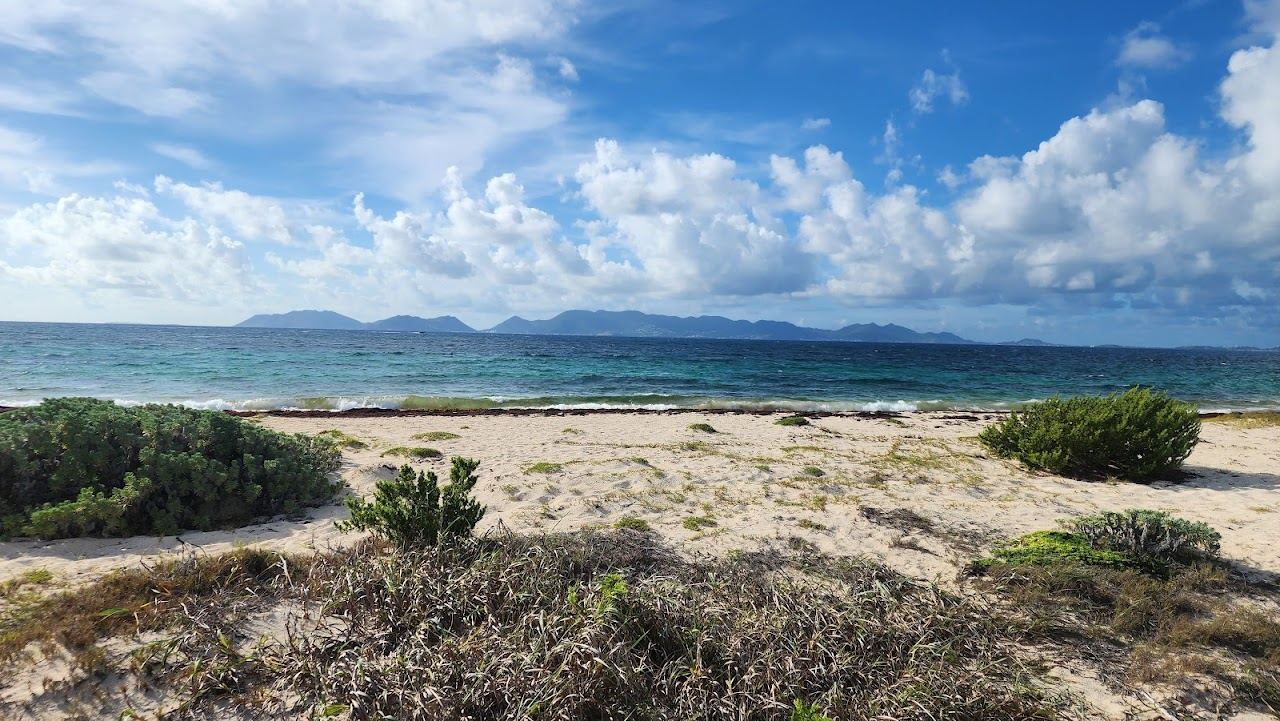
 Photo: Rodney McDonald via Google
The verdict
- Best forAnyone timing a beach trip and weighing the calm, clear dry season against the quieter, cheaper, wetter green months
- Top pickDecember to April, the dry months with calm clear seas and the least seaweed, with May and November as quieter, better value shoulders
- One thing to knowThe sea is warm and swimmable all year, so the real questions are the rain, the seaweed on the Atlantic side and the crowds rather than temperature
Published 12 March 2026. Last reviewed 25 May 2026
Anguilla sits in the northern Caribbean just across the channel from St Martin, and it is a low, dry, flat island, which keeps its weather simple and its sunshine generous. The temperature barely shifts across the year and the sea stays warm in every month, so the things that actually shape a trip are the rain, the state of the sea and, on the Atlantic facing beaches, the seaweed. The year divides into a dry season from roughly December to April and a hotter, greener, wetter one from June to November, with the holiday and festival peaks layered on top.
The detail worth knowing before you book is the sargassum window. In the warmer months, roughly spring to autumn, drifting seaweed can reach the northeast and east coast beaches such as Shoal Bay East, while the leeward south and west coasts stay clearer, so the dry season is not only calmer and sunnier but also the cleanest time for the famous sand. This is also when the water is at its most settled for snorkelling and for the boat trips out to the offshore cays, which is why the first third of the year is the classic window for a beach focused trip.
This guide walks the year month by month, with a quick grid for the headline conditions and longer notes on the months that matter most. We have been honest about the trade offs, because the calmest, sunniest, cleanest weeks are also the busiest and priciest, peaking over Christmas and New Year, while the cheapest, quietest weeks come with more rain, a chance of tropical weather and some seaweed. For the short answer, aim for the dry stretch from December to April, with February and March often the most settled of all.
Month by month at a glance
| Month | Air | Sea | Rain | Crowd | Verdict |
|---|---|---|---|---|---|
| January | Warm, breezy | Warm, around 26C | Low, light | Quiet after New Year | Excellent; the dry season settling in, clear and calm |
| February | Warm, dry | Warm, around 26C | Low, very light | Busy, peak season | Top month; dry, calm and clear, but book ahead |
| March | Warm, dry | Warm, around 26C | Low, dry | Busy, Moonsplash | One of the best; settled seas and the music festival |
| April | Warm, dry | Warm, around 27C | Low, dry | Lifts at Easter | Excellent; calm and clear, busier over Easter |
| May | Warm, first showers | Warm, around 27C | Showers returning | Quiet | A fine shoulder; mostly dry, fewer crowds, good value |
| June | Warm, humid | Warm, around 28C | Green season starting | Quiet | Lush and cheaper; short showers, watch the tropics |
| July | Hot, humid | Warm, around 28C | Showery, often brief | Lifts in summer | Good with flexibility; lively, the odd wet hour |
| August | Hot, humid | Warm, around 29C | Showery, humid | Summer Festival | Warm and festive; pack for rain and watch the tropics |
| September | Hot, humid | Warm, around 29C | Wettest, heavy showers | Quietest | Low season; cheap and quiet, but the rainiest stretch |
| October | Warm, humid | Warm, around 29C | Wet, heavy showers | Quiet | Low season; lush and good value, plan around the rain |
| November | Warm, easing | Warm, around 28C | Showers easing late | Building | A green shoulder; drying out, quiet, often a sweet spot |
| December | Warm, drier | Warm, around 27C | Drying, lighter | Peak over Christmas | Dry season returning; lovely, but holiday weeks are busy |
When each month earns its place
January. The dry season settles in and the island is at its easiest, with calm clear water, dependable sun and the seaweed risk at its lowest. Crowds thin after the New Year rush, which makes the second half of the month a lovely, quieter window before the deep peak. A superb all round time for the beaches and the offshore cays, when the leeward and Atlantic coasts alike tend to be at their best.
March. Arguably the sweet spot, with settled dry weather, calm clear seas and the famous Moonsplash music festival bringing some of the best live reggae of the year to the island. The sand is at its cleanest and the snorkelling at its clearest, though the festival weekend and the broader peak keep things busy and pricey. Book ahead if you come for the music, and enjoy one of the most reliable months for sun and sea.
May. A fine shoulder month, mostly dry and still calm but with the deep peak crowds gone and prices softening. The first showers of the coming green season can appear, but they are usually brief, and the sea and the beaches remain excellent. A smart choice for travellers who want dry season quality with more room and better value, before the heat and humidity of high summer arrive.
August. Hot, humid and lively, August is the heart of the Anguilla Summer Festival, the island's carnival built around its national sport of boat racing, with music, parades and a real local energy. The trade off is that it falls in the hurricane season, with showers and a chance of tropical weather, and some seaweed on the Atlantic beaches. Come for the culture and the warm sea, keep plans flexible, and watch the forecast.
September. The quietest, wettest and cheapest month, the low point of the hurricane season when some restaurants and even hotels close for a spell. The forest is lush and the beaches are empty, but you should plan around heavy showers and the real chance of tropical weather, and keep boat trips flexible. It suits easygoing, budget minded travellers chasing solitude over guaranteed sun, with the warm sea still rewarding a swim between the rain.
November. A green season shoulder that is often a sweet spot, with the rain easing, the crowds still light and prices below the coming peak. The island is drying out and the sea is settling, so a well timed November trip can feel like the dry season with the value of the low months. It is a good bet for travellers who want quiet beaches and a fair chance of fine weather before the holiday rush begins in December.
Get the Anguilla beach calendar
Independent and honest · 1,340 beaches ranked across 103 destinations · We answer to no resort
Before you go
What is the best month to visit Anguilla?
For most travellers it is the dry season window from December to April, when rain is light, the sea is calm and clear and the chance of seaweed is lowest, with February and March often the most settled of all. This stretch is also the busiest and priciest, peaking over Christmas and New Year. If you want fewer crowds and better value with mostly dry weather, the shoulder months of May and November are smart picks.
When is the dry season in Anguilla?
The dry season runs from roughly December to April, with plenty of sun, light rain and the calmest, clearest seas, which makes it the easiest time for beaches and boat trips. The hotter, greener season is from around June to November, humid with short heavy showers and a real chance of tropical weather later in that window, since it falls in the Atlantic hurricane season. The sea stays warm all year at about 26 to 29 degrees.
Does Anguilla get seaweed?
It can, mainly on the Atlantic facing beaches. Drifting sargassum seaweed sometimes reaches the northeast and east coast beaches such as Shoal Bay East roughly between spring and autumn, while the leeward south and west coast beaches such as Rendezvous Bay and Maundays Bay tend to stay clear. The dry season from December to April is the most reliable for clean sand. If a beach is weedy on the day, simply switch to a leeward coast beach.
Is Anguilla affected by hurricane season?
Anguilla sits in the Atlantic hurricane belt, where the season runs from June to November and peaks from August to October. Most days in that window are simply hot and humid with passing showers, but the chance of a tropical storm is real, and September is the quietest, wettest month when some businesses close. If you travel in the green season, build in some flexibility, keep an eye on the forecast, and consider travel cover.
When is Anguilla most crowded?
The busiest, priciest times are the Christmas and New Year weeks and the dry season peak from January to April, along with the March Moonsplash music festival weekend. The Anguilla Summer Festival in late July and early August also lifts numbers around the island's boat racing. For calm, dry weather with more room and softer prices, aim for the quieter dry weeks of early December and May, or the green season shoulder of November.